
Popular
cities and regions in Italy

Best offers
in Tuscany
Resale real estate in Tuscany


Historic depth
Tuscany resale supply combines medieval city apartments, rural stone houses, and coastal condominiums across multiple provinces - buyers access established properties with defined ownership history and completed legal status in diversified municipal markets
International appeal
Liquidity in Tuscany is supported by local households, buyers from other Italian regions, and steady international demand focused on cultural cities and countryside zones - resale apartments in Tuscany trade consistently when aligned with micro-market positioning
Document alignment
Secondary transactions in Tuscany follow the Italian notarial structure - confirm title continuity, verify cadastral conformity, review encumbrances, and align condominium or land records to keep execution structured and predictable
Historic depth
Tuscany resale supply combines medieval city apartments, rural stone houses, and coastal condominiums across multiple provinces - buyers access established properties with defined ownership history and completed legal status in diversified municipal markets
International appeal
Liquidity in Tuscany is supported by local households, buyers from other Italian regions, and steady international demand focused on cultural cities and countryside zones - resale apartments in Tuscany trade consistently when aligned with micro-market positioning
Document alignment
Secondary transactions in Tuscany follow the Italian notarial structure - confirm title continuity, verify cadastral conformity, review encumbrances, and align condominium or land records to keep execution structured and predictable








Useful articles
and recommendations from experts
Secondary real estate in Tuscany of Italy - cultural centers and countryside liquidity
Why the secondary market works in Tuscany of Italy
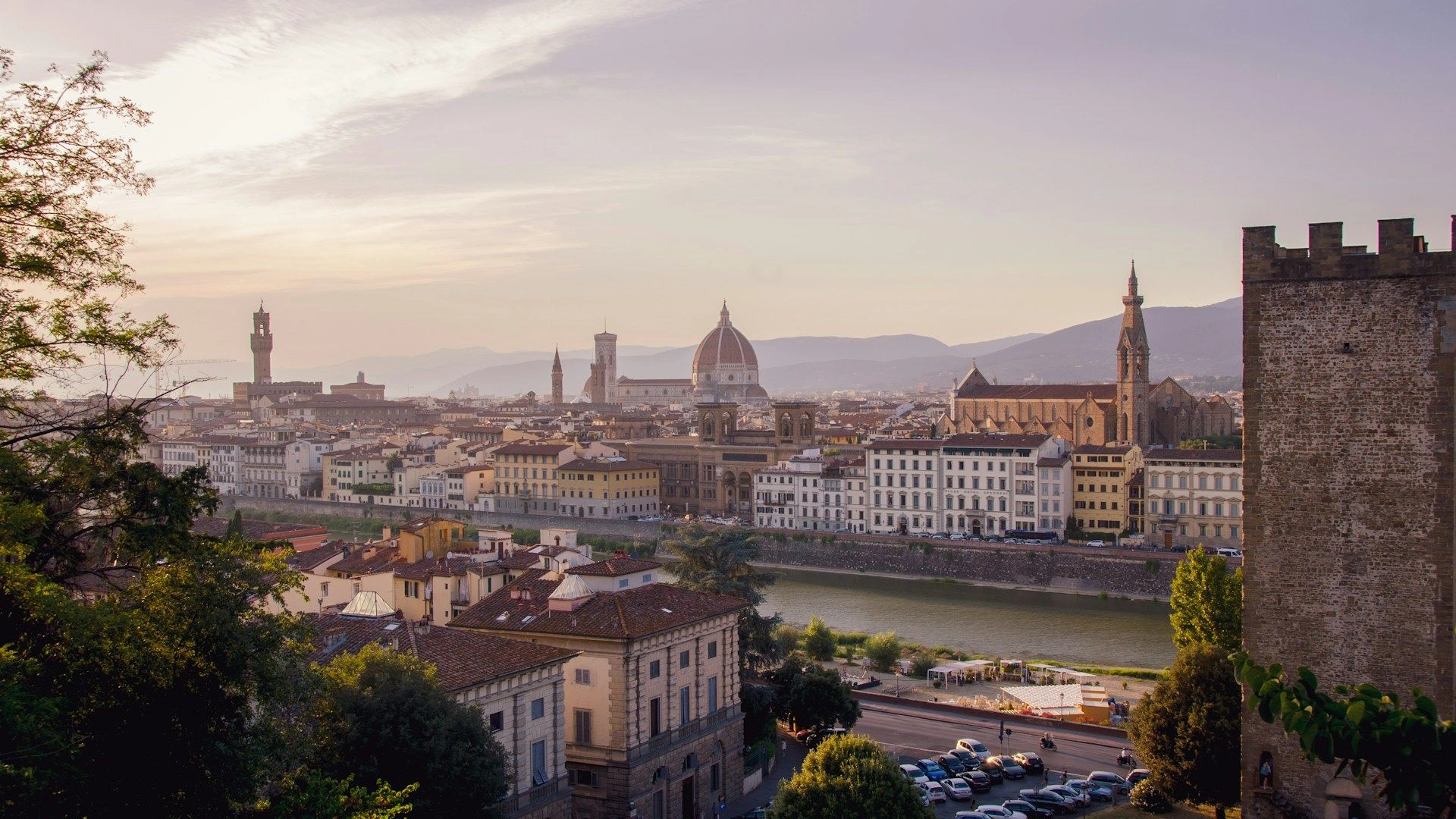
The secondary housing market in Tuscany of Italy operates within one of the most internationally recognized regions of Italy. Anchored by cities such as Florence, Pisa, and Siena, and supported by extensive rural and coastal municipalities, the region maintains steady residential and lifestyle-driven demand. This diversified base supports consistent activity in resale property in Tuscany of Italy.
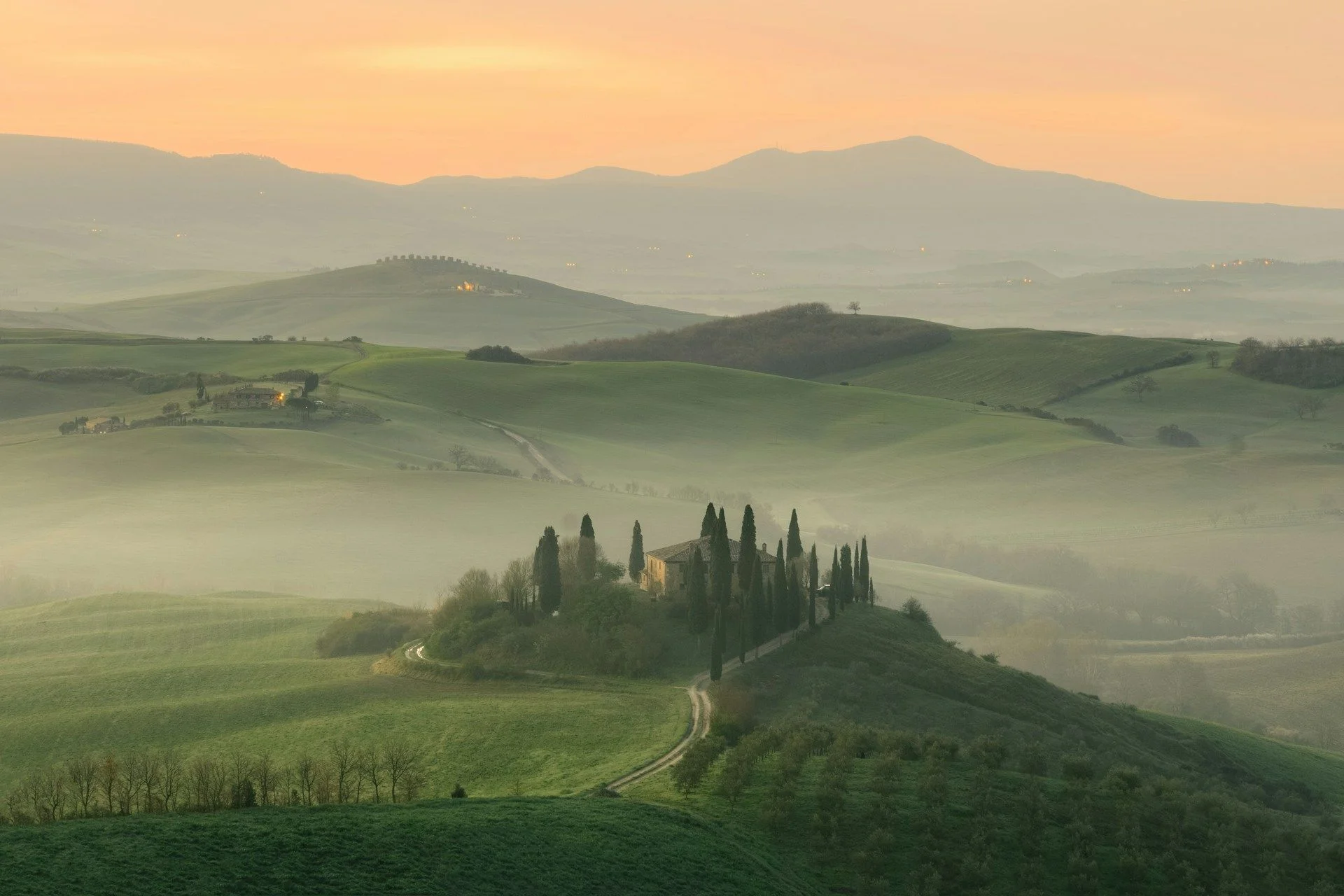
Unlike single-core metropolitan regions, Tuscany functions through a network of medium-sized cities, historic towns, countryside zones, and Tyrrhenian coastal areas. Each segment has its own liquidity rhythm. Urban centers generate year-round turnover linked to employment, education, and cultural institutions. Rural and coastal zones attract discretionary and second-home demand.
Decision logic in Tuscany typically begins with identifying the intended context of ownership. A historic apartment in central Florence operates within a different comparables framework than a countryside property near Siena or a coastal unit in the province of Livorno. Selecting the correct municipal and structural segment reduces pricing distortion.
Verification logic is particularly important due to the historical depth of Tuscan real estate. Many buildings have undergone restoration, subdivision, or functional conversion. Confirming cadastral conformity and ensuring that registered plans match current configurations are standard procedural steps that keep the transaction timeline stable.
Comparison logic with new developments reinforces the role of the resale segment. In many historic municipalities, large-scale new construction is limited by preservation and planning controls. As a result, secondary real estate in Tuscany of Italy often represents the primary channel for accessing established cultural centers and rural landscapes.
Who buys on the secondary market in Tuscany of Italy
Local households relocating within cities such as Florence and Pisa form the foundation of the secondary housing market in Tuscany of Italy. Professional transitions, academic roles, and family adjustments create repeat transactions that sustain urban liquidity.
A second segment includes buyers from other regions of Italy who relocate for lifestyle or employment reasons. These buyers frequently choose resale apartments in Tuscany because completed properties allow clearer timing alignment compared to staged developments.
International buyers represent a visible share of demand, particularly in historic centers and countryside municipalities. Towns near Siena and rural areas across the Chianti zone attract cross-border interest. For this segment, documentation clarity and ownership continuity are central to decision-making.
Verification logic varies by buyer profile. Primary residence buyers often focus on condominium governance and municipal compliance. International and countryside buyers emphasize land registry alignment, encumbrance checks, and confirmation of property boundaries.
Comparison logic is essential because liquidity in central Florence differs significantly from that in smaller inland towns or coastal municipalities. Each micro-market must be evaluated within its own demand ecosystem.
Property types and price logic in Tuscany of Italy
Secondary supply includes medieval and Renaissance-era apartments in historic centers, post-war condominium buildings in expanding city districts, restored rural houses, and coastal residential units along the Tyrrhenian shore. In cities like Florence and Pisa, multi-unit residential buildings form a substantial portion of resale inventory.
Pricing logic for resale property in Tuscany of Italy is highly context-dependent. Historic city centers often reflect scarcity and international visibility. Rural municipalities may reflect land size, restoration quality, and accessibility. Coastal areas can show seasonal variation.
Decision logic should begin by defining usage intent. Historic urban apartments require verification that internal modifications and restoration works are properly registered. Rural properties require confirmation that land parcels and structural elements are correctly recorded in cadastral documents.
Verification logic includes reviewing title continuity, confirming cadastral conformity, and checking for registered encumbrances. In condominium properties, confirming communal fee status and approved works is part of the standard transaction sequence.
Comparison logic should remain internal to each municipality and property category. Benchmarking a restored countryside property against a central apartment in Florence without adjusting for structural and demand differences can distort expectations.
Legal clarity in secondary purchases in Tuscany of Italy
Secondary transactions in Tuscany follow the Italian notarial framework. A preliminary agreement is often executed before the final deed, and the notary verifies ownership continuity and registration compliance. This structure provides formal transparency.
Decision logic includes confirming that the seller has full authority to transfer the property and that any co-owner or spousal consents are properly documented. In inherited properties, completed succession filings must align with registry records before closing.
Verification logic covers title record review, encumbrance checks, and cadastral alignment. In rural transactions, confirming that agricultural or ancillary structures are properly recorded is a routine procedural step.
Comparison logic with new construction highlights the distinction between historical documentation continuity in resale and project-based compliance in new developments. Secondary housing market in Tuscany of Italy depends on registry precision and clear sequencing.
Areas and market segmentation in Tuscany of Italy
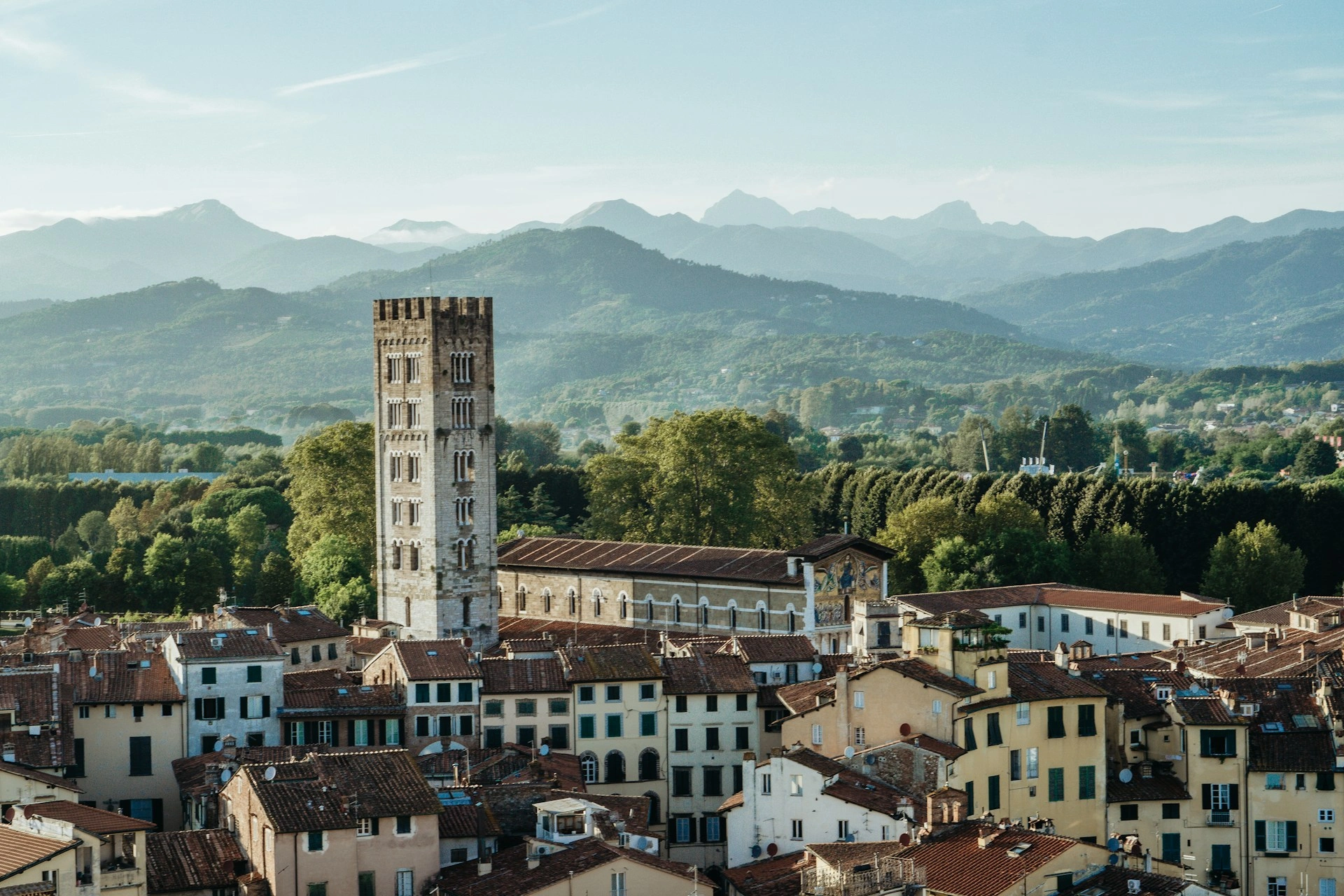
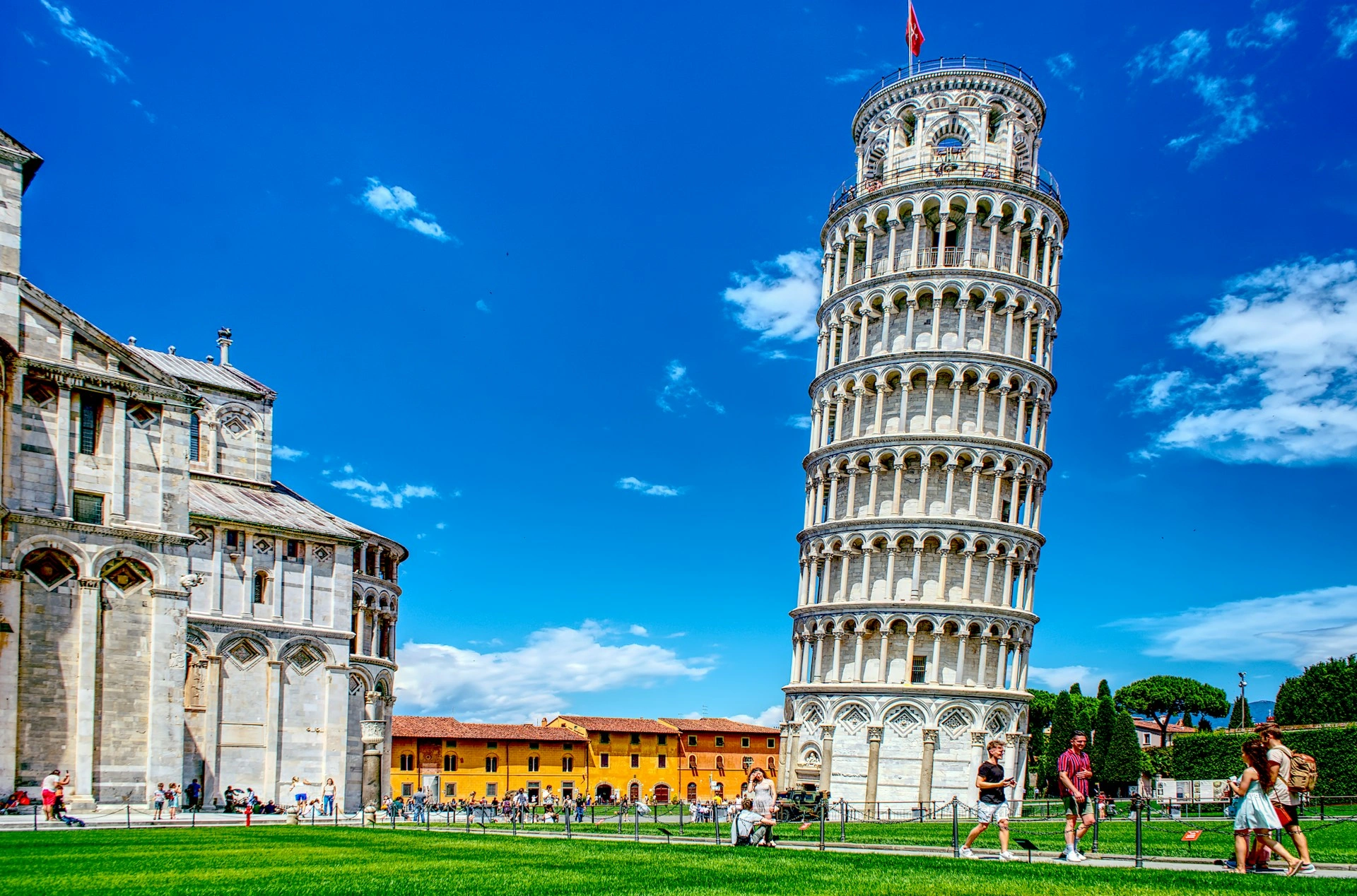
Tuscany can be segmented into metropolitan Florence, university-oriented Pisa, historic centers such as Siena, rural inland municipalities, and coastal provinces including Livorno. Each segment demonstrates distinct liquidity drivers.
Urban centers maintain year-round demand supported by employment and academic institutions. Rural municipalities may depend more on discretionary buyers. Coastal areas balance local residence with seasonal demand.
Decision logic should evaluate how diversified demand is within the chosen municipality. Markets supported by multiple buyer categories often display steadier resale turnover.
Verification logic remains consistent under Italian law, though municipal administrative timing can vary. Buyers should align documentation readiness with expected notarial schedules.
Comparison logic across Tuscany requires municipal isolation. Evaluating secondary real estate in Tuscany of Italy without recognizing the role of cultural cities versus countryside markets can distort price expectations.
Secondary vs new build comparison in Tuscany of Italy
New developments are present primarily in expanding urban districts. However, in many historic centers and countryside zones, new construction is limited. The secondary housing market in Tuscany of Italy therefore provides broader access to established areas.
Decision logic between resale and new build centers on certainty and integration into existing municipal contexts. Buyers seeking immediate clarity on ownership history and property condition often prefer resale apartments in Tuscany.
Verification logic differs in emphasis. New construction requires confirmation of project approvals and staged delivery compliance. Resale transactions focus on ownership chain integrity and cadastral accuracy.
Comparison logic should incorporate long-term resale flexibility. Established municipalities with transparent comparables history often provide clearer pricing benchmarks.
How VelesClub Int. helps with secondary purchases in Tuscany of Italy
VelesClub Int. structures resale acquisitions in Tuscany by defining the appropriate municipal segment, whether central Florence, historic Siena, university-focused Pisa, or coastal provinces such as Livorno.
Verification coordination includes title review, cadastral alignment checks, encumbrance confirmation, and structured preparation for notarial execution. If inconsistencies appear, the process pauses for clarification before proceeding.
Comparative advisory support assists buyers in evaluating resale versus limited new construction options with emphasis on timing predictability and documentation clarity.
Frequently asked questions about secondary real estate in Tuscany of Italy
Is pricing in Florence comparable to smaller Tuscan towns?
No, Florence reflects international and cultural demand; verify comparables within the same district category, check buyer pool depth, avoid direct cross-municipality comparisons, and pause and clarify if pricing assumptions mix segments.
What should buyers verify in restored countryside properties?
Confirm cadastral conformity for land and structures, verify that renovations are properly registered, check title continuity, avoid relying solely on informal descriptions, and pause and clarify if documentation does not match current conditions.
Are condominium obligations important in Tuscan city apartments?
Yes, request confirmation of payment status, verify whether extraordinary works have been approved, check alignment with sale terms, and pause and clarify before deed execution if financial disclosures are incomplete.
How does inheritance affect resale property in Tuscany of Italy?
Ensure succession filings are completed, verify that all heirs are properly recorded, check authority to sell, avoid informal arrangements without registry updates, and pause and clarify if documentation is pending.
Is secondary housing market in Tuscany of Italy stable?
Stability varies by municipality; verify demand diversification within the local market, check recent comparable transactions, avoid generalizing across the entire region, and pause and clarify if pricing reflects atypical seasonal conditions.
Is resale preferable to new construction in Tuscany?
Each route has distinct control points; verify historical ownership in resale, check project compliance in new build, avoid assuming one option is automatically simpler, and pause and clarify when documentation readiness does not align with your timeline.
Conclusion - understanding the secondary market in Tuscany of Italy
The resilience of secondary real estate in Tuscany of Italy is anchored by cultural cities such as Florence and Siena, supported by university hubs like Pisa, and complemented by countryside and coastal municipalities.
Clear decision logic, disciplined verification, and municipality-specific comparison are essential for structured execution. With coordinated guidance from VelesClub Int., buyers can approach Tuscany resale transactions with predictable timing and documentation clarity across this internationally recognized Italian region.