
Immobilier à vendre en AllemagneTransparence des prix grâce à des options de revente fiables

Villes et régions populaires à Allemagne
Villes








Meilleures offres
à Allemagne
Resale real estate in Germany

Readiness lane signals
Faster lane reading reduces wasted attention in Germany as competition bursts meet mixed seller timelines and long-hold ownership, so date framing signals whether listings sit in tight readiness lanes or flexible windows
Totals stay legible
Clearer total-cost expectations emerge in Germany when recurring charges and shared repairs sit alongside settlement items under building rules, so fee coverage wording signals which asking prices represent similar monthly lanes after transfer
Comparable scope clarity
More reliable comparable meaning forms in Germany when phase differences widen ranges and file readiness varies, so consistent identifiers and boundary wording signals whether pricing rests on clean scope or drifting definitions
Readiness lane signals
Faster lane reading reduces wasted attention in Germany as competition bursts meet mixed seller timelines and long-hold ownership, so date framing signals whether listings sit in tight readiness lanes or flexible windows
Totals stay legible
Clearer total-cost expectations emerge in Germany when recurring charges and shared repairs sit alongside settlement items under building rules, so fee coverage wording signals which asking prices represent similar monthly lanes after transfer
Comparable scope clarity
More reliable comparable meaning forms in Germany when phase differences widen ranges and file readiness varies, so consistent identifiers and boundary wording signals whether pricing rests on clean scope or drifting definitions
Points forts du bien
Dans Allemagne, — par nos spécialistes
Trouvé(s) : 238

Appartement avec rénovation moderne à Oberhausen, Allemagne
appartement
27 m2

1

1

32 400 $

Studio près de l'université à Wuppertal, Allemagne
appartement
25 m2
1
1
35 500 $
Appartement rénové 1+1 à Wuppertal, Allemagne
appartement
25 m2
1
1
38 000 $
Appartement mansardé 1+1 à Gelsenkirchen, Allemagne
appartement
35 m2
1
1
41 600 $
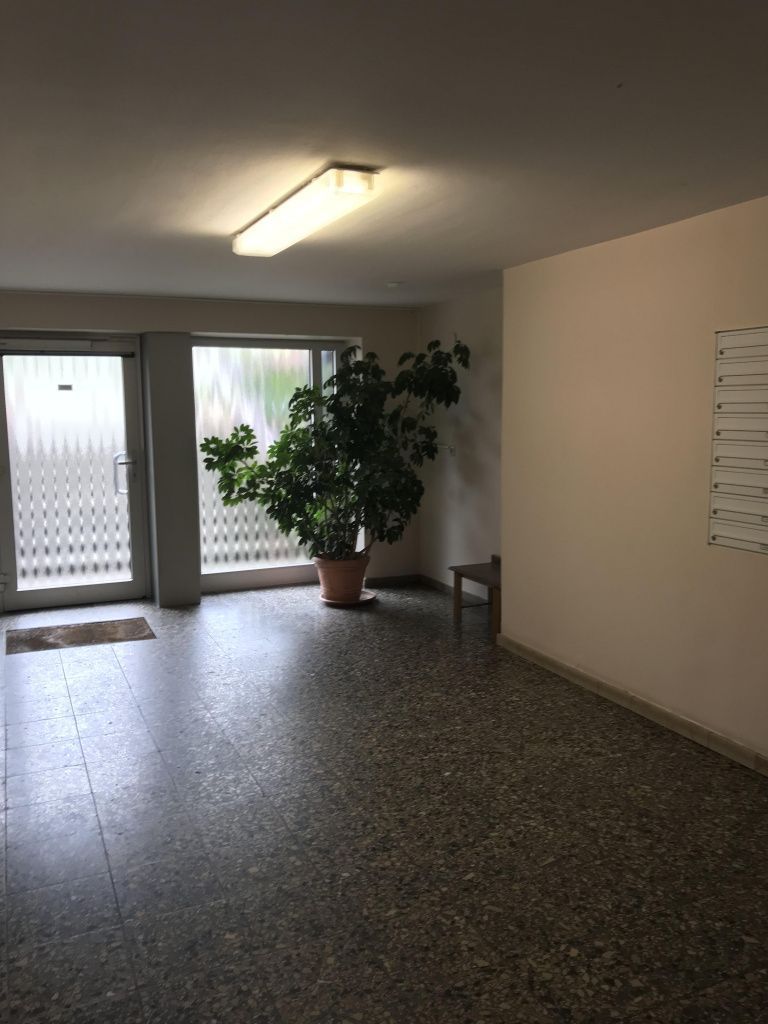
Appartement près du lac à Duisburg, Allemagne
appartement
58 m2
1
2
60 900 $
Studio dans un quartier prestigieux d'Essen, Allemagne
appartement
23 m2
1
1
69 000 $
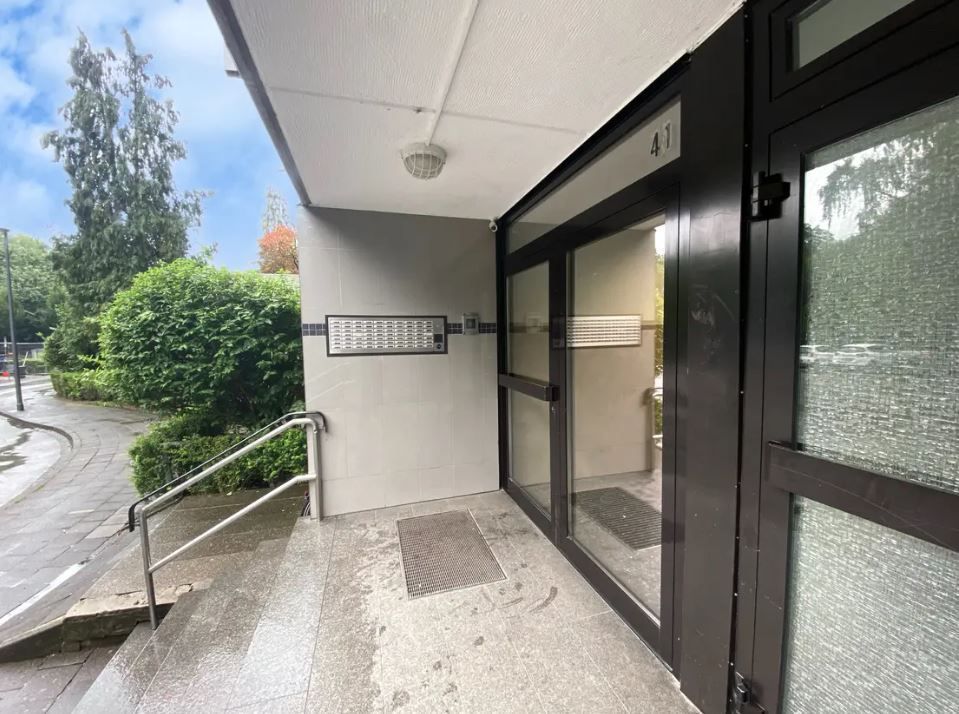
Appartement dans une maison moderne à Solingen, Allemagne
appartement
36 m2
1
1
71 000 $
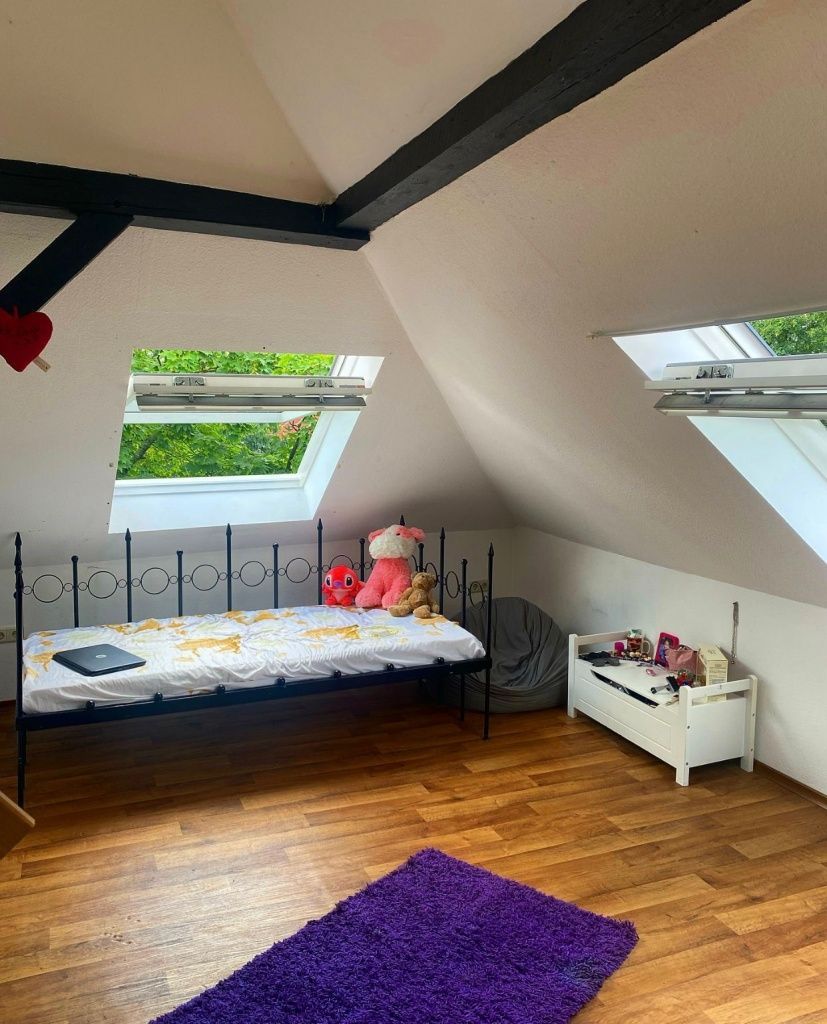
Duplex moderne au centre de Herne, Allemagne
duplex
64 m2
2
3
79 000 $
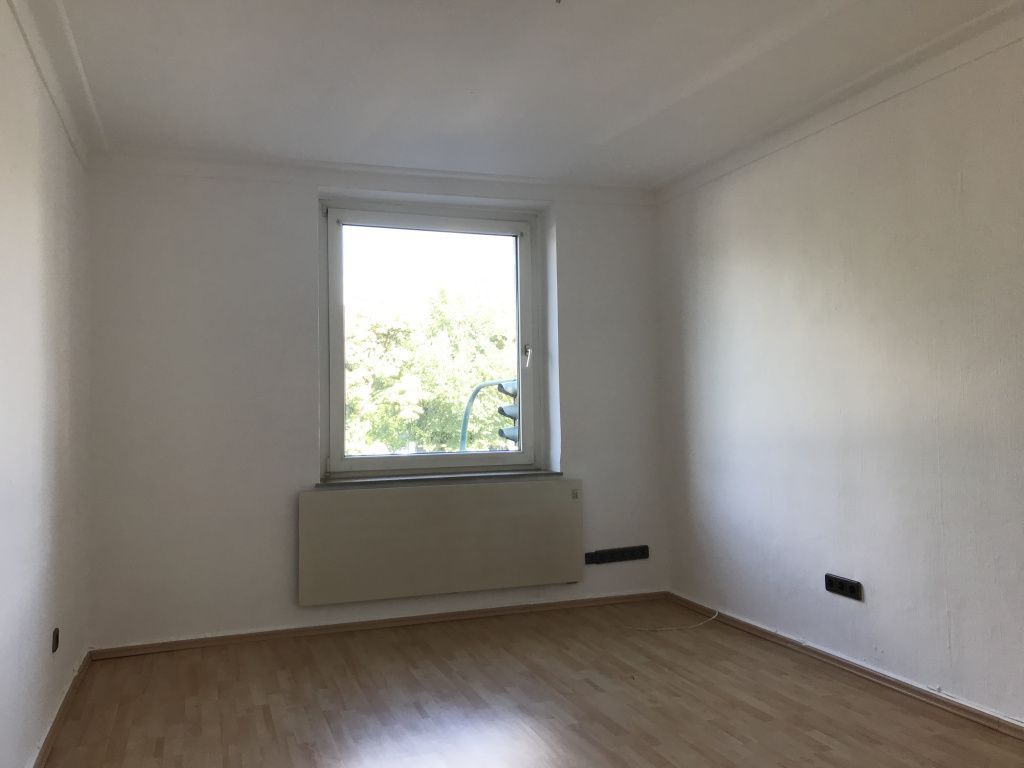
Appartement dans le centre d'Essen (Allemagne)
appartement
72 m2
1
2
88 300 $
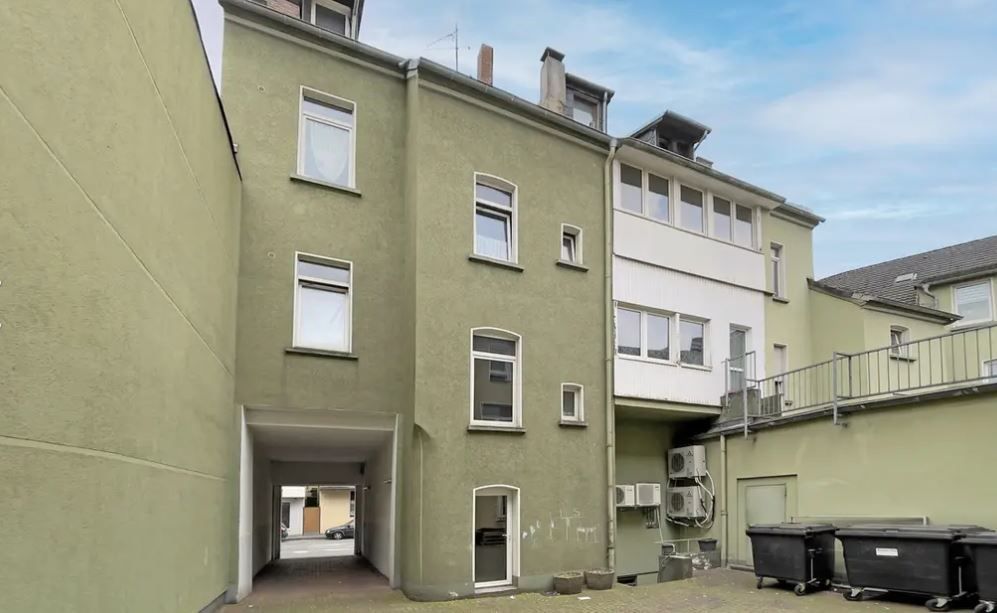
Appartement dans le centre historique de Duisbourg
appartement
125 m2
2
4
111 600 $
Articles utiles
et recommandations d'experts
Resale real estate in Germany - fees and comparables keep totals in lanes
Why buyers choose resale in Germany
Many buyers choose resale real estate in Germany because the home already exists and the terms usually describe a present transfer, not a future promise. That makes readiness easier to read from written language about dates, possession, and what is included in the sale.
Country-level markets can still behave in lanes. Some listings read as ready-to-move because the timing language is tight, while others read as flexible because the seller window is broader. This lane split matters because it shapes how quickly similar-looking homes for sale can draw attention without relying on micro details.
Totals also influence buyer comfort. Recurring service charges, shared repairs, and other ongoing responsibilities can reshape the monthly baseline after closing. When fee coverage is expressed clearly, the asking number is easier to interpret as an all-in lane rather than a headline figure.
Comparable meaning is another driver. Completed stock offers reference points, but ranges can widen when segments differ by phase or by how consistently scope is described. When comparables feel noisy, stable identifiers and stable boundary wording become practical signals that the pricing context is anchored.
For many readers, resale feels calmer because the story is visible in writing. Dates suggest readiness, fees suggest baseline totals, and scope wording suggests whether the listing sits inside a clean comparable lane.
Who buys resale in Germany
The resale housing market in Germany brings together buyers with different priorities, yet many share a preference for readable terms. Some buyers focus first on readiness because the timing frame often indicates whether a listing sits in a tighter lane or a broader window.
Another group reads decisions through totals. They treat the headline as a starting point, then interpret it through recurring charges and responsibility wording that can change the monthly baseline. This mindset often appears when buyers compare houses for sale across different governance setups.
Comparable-driven buyers also shape demand. In segments where comparable clusters feel denser, price bands can read tighter. Where clusters feel thinner or mixed, scope consistency becomes more important, because consistent identifiers and boundary language keep like-for-like reading possible.
Some buyers approach real estate for sale as a learning exercise, scanning listing language to understand how sellers express timing, fees, and scope. Others narrow quickly once they find a segment where terms are written in a stable, repeatable way.
Across resale property in Germany, the most common preference is not a specific format. It is clarity about dates, baseline costs, and the defined scope of what transfers.
Property types and asking-price logic in Germany
Asking-price logic often separates into lanes shaped by readiness, totals, and scope stability. A listing can sit in a higher lane when the timing story reads firmer and the scope wording stays consistent across materials, because fewer moving parts are implied by the written terms.
Resale apartments in Germany frequently appear within managed building structures where recurring service charges and shared responsibilities matter. Two options can look similar at a glance yet land in different monthly lanes when fee coverage notes imply different included items or different responsibility splits.
Phase differences across the stock can widen ranges. When segments mix different completion eras or different governance baselines, comparable signals can become noisy. In those conditions, the clearest lane cues often come from how the listing frames dates, ongoing charges, and the defined scope of the transfer.
Detached formats can place more weight on scope definition. When identifiers remain stable and boundary wording stays consistent, the pricing context tends to map to cleaner comparables. When scope language drifts, the same headline can represent a wider band of practical outcomes.
If the goal is to buy apartment on the resale market in Germany, the most useful early reading is whether the listing belongs to a firm readiness lane with legible totals and stable scope, or a flexible lane where the written story leaves more room for later alignment.
Many buyers also compare apartments for sale and other types by how clearly the terms separate one-time settlement items from recurring obligations. That separation often explains why similar asking prices can belong to different lanes even before deeper file review.
Legal clarity and standard checks in Germany
Legal clarity in resale is mainly about consistency between the listing narrative and the written record that supports transfer. A market-safe baseline often includes an ownership extract from a title record, an encumbrance note read in sequence, and a match between the identifier used in the listing and the identifier shown in the record.
Identifier consistency anchors the asset definition. When the same identifier format appears across draft terms and attachments, the timing language remains tied to one object on paper. When identifiers drift, the readiness story can lose meaning because the written scope can shift between documents.
Boundary wording supports the same stability. If boundary descriptions vary across materials, the practical scope of what is being transferred can change. Consistent boundary language keeps comparable reading cleaner when price bands look wide and surface similarity is misleading.
Signer authority should be explicit and bounded. If a representative signs on behalf of an owner, authority scope needs to cover the commitments described in the terms. Clear authority framing supports a smoother transfer path because the file story matches the timing frame described in writing.
Where building governance applies, the baseline also includes the association rules summary, the shared-area responsibility model, and a fee schedule with coverage notes. These elements translate recurring charges into a readable monthly baseline and reduce confusion when similar listings sit in the same asking band.
Areas and market segmentation in Germany
At a country level, segmentation is best understood through mechanics rather than micro-location tips. Segments can differ by comparable density, by phase mix in the stock, and by how standardized fee and responsibility language is across listings.
In lanes where governance routines are expressed consistently, resale apartments in Germany often sit under repeatable management routines, and recurring charges and shared responsibility wording appear in a more standardized style. That consistency supports a clearer totals picture because the monthly baseline is easier to interpret from coverage notes rather than inferred from the headline.
Other lanes mix phases and ownership structures more heavily, widening ranges and making comparables noisier. In those segments, scope stability becomes a key separator. Stable identifiers and consistent boundary wording keep like-for-like reading possible even when price bands are wider.
Seller structure can also shape how segments read. Long-hold ownership can be associated with broader timing language, while other listings use tighter date frames. Neither lane is inherently better, but each implies a different readiness profile visible in written terms.
For people scanning residential property for sale, segmentation becomes clearer when the same signals are used across options: readiness language, fee framing, comparable behavior, and a stable definition of scope.
Resale vs new build comparison in Germany
The choice between resale and new build is often a choice between present clarity and future milestones. New build terms commonly rely on delivery stages. Resale terms rely on an existing asset, existing obligations, and a record set that supports transfer within a stated timing frame.
Resale property in Germany can provide more immediate comparable context because finished homes offer reference points that exist today. Even where some segments show wider bands, lane logic often becomes visible through date framing, fee framing, and stable scope definition.
Ongoing obligations tend to be more concrete with resale because routines, when present, already operate. Where recurring charges exist, they reflect current practice rather than projections, which supports a clearer total lane read than a structure built mainly around future expectations.
Scope definition is another distinction. With resale, identifiers and boundaries should already exist in the written record, reducing reliance on assumptions when placing a listing into a comparable lane. This can matter when buyers compare property for sale across different segments and the headline numbers overlap.
In practical terms, resale often feels easier to interpret because the written story can be tested against existing conditions. The timing frame, baseline charges, and scope language usually carry more immediate meaning than milestone-based promises.
How VelesClub Int. helps buyers browse and proceed in Germany
VelesClub Int. supports buyers by keeping browsing structured around lane signals that matter in practice - timing language, total-cost framing, comparable context, and file clarity. This keeps interpretation tied to what listing terms communicate rather than surface similarity that can hide different obligations or shifting scope.
For resale housing market in Germany browsing, listings can imply different readiness lanes through date framing and handover wording. A consistent view of those cues makes it easier to separate firm-lane options from flexible-lane options without turning the page into a legal manual.
Totals can shift once recurring charges and shared responsibilities are understood. VelesClub Int. keeps fee wording and coverage notes legible during browsing so similar asking prices can be interpreted as different monthly baselines when obligations differ in what they include.
When comparable signals are noisier in a segment, scope definition becomes even more important. VelesClub Int. keeps attention on stable identifiers, consistent boundary wording, and a coherent authority story so the written set supports cleaner comparable reading.
This structure supports calmer decisions across resale apartments in Germany and detached formats, because each listing is interpreted through readiness, totals, and scope stability that is visible in writing.
Frequently asked questions about buying resale in Germany
What matters when two draft versions conflict?
What to check is which version is the latest complete baseline, what to verify is that dates and fee terms match across every page, what to avoid is mixing clauses and attachments from different versions, and pause and clarify
How do missing consents affect the transfer path?
What to check is whether any consent is required by the ownership or governance setup, what to verify is that consent scope covers transfer and possession timing, what to avoid is relying on informal approvals, and pause and clarify
What does a mismatched identifier usually indicate?
What to check is that the identifier in the title record matches drafts and attachments, what to verify is that the same identifier format appears everywhere, what to avoid is proceeding on partial matches, and pause and clarify
Why can inconsistent boundary wording change the practical scope?
What to check is whether boundary descriptions match across extracts and terms, what to verify is that one boundary logic is used throughout, what to avoid is accepting vague boundary phrasing that shifts meaning, and pause and clarify
What if there is no fee schedule or coverage notes in writing?
What to check is whether a written fee schedule exists with coverage notes, what to verify is what recurring charges include versus exclude, what to avoid is assuming the baseline covers everything, and pause and clarify
How should unclear signer authority scope be treated?
What to check is who is authorized to sign and how authority is documented, what to verify is that authority scope covers the commitments in the terms, what to avoid is implied authority assumptions, and pause and clarify
What if the handover plan is not stated in writing?
What to check is whether handover timing and possession wording appear in the terms, what to verify is that every attachment uses the same handover language, what to avoid is relying on implied dates, and pause and clarify
Conclusion - how to use listings to decide in Germany
Resale real estate in Germany becomes easier to navigate when each listing is read as a lane signal rather than an isolated description. Mixed seller windows mean that date language and possession framing often indicates whether an option sits in a tighter readiness lane or a broader one.
Fees and obligations often explain why similar asking prices do not create the same total picture. Coverage notes, recurring charge framing, and responsibility language can place listings into different monthly lanes even before deeper file work begins.
Comparable context can be strong in some segments and noisier in others. In resale real estate in Germany, stable identifiers and stable boundary wording can keep scope anchored when bands widen. When ranges widen, stable identifiers and consistent boundary wording become more valuable signals because they keep scope anchored for like-for-like reading across real estate for sale.
VelesClub Int. keeps lane-based browsing consistent so resale property in Germany can be evaluated side by side through readiness, totals, and comparables, turning listing language into clearer choices about which terms match the lane described in writing.
When the written story is coherent, decisions feel simpler. Dates describe readiness, fees describe baseline totals, and scope language stays fixed, making it easier to interpret listings without drifting into micro-level lifestyle detail.