
Brezilya'da doğrulanmış ikinci el gayrimenkulDans eden sokakları ve yükselen gökdelenleriyle tropikal dev

Popüler
Brezilya'deki şehirler ve bölgeler
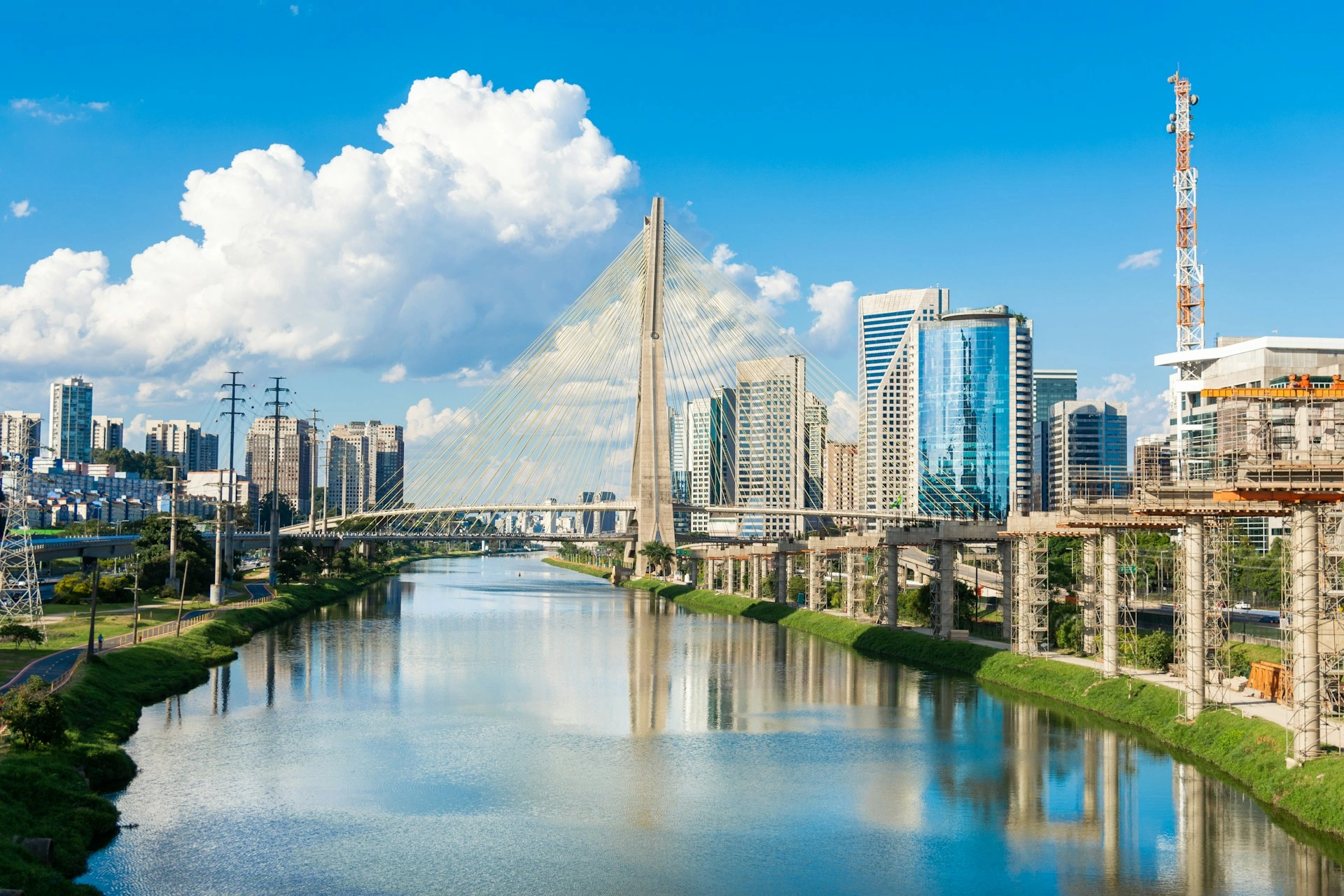

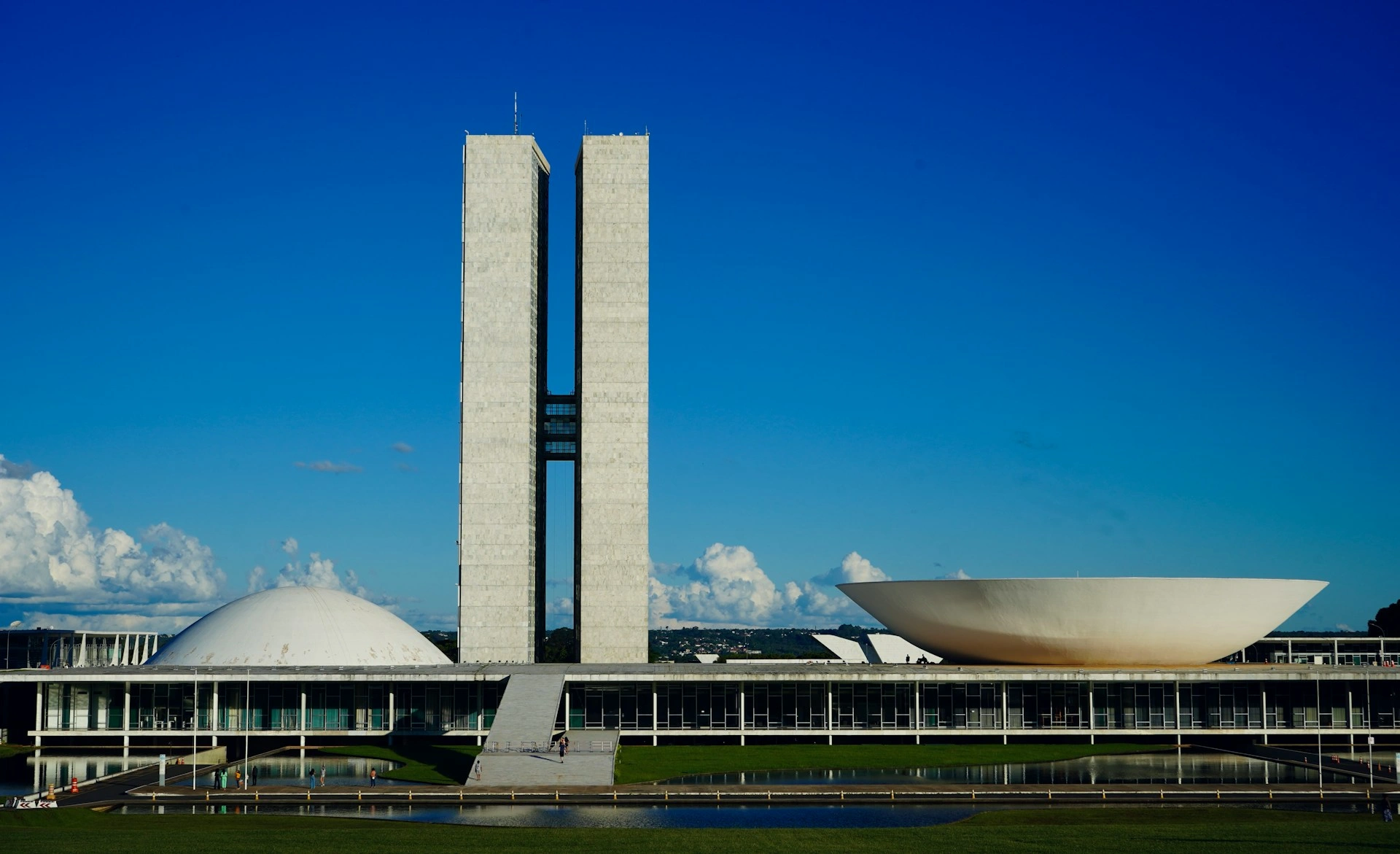
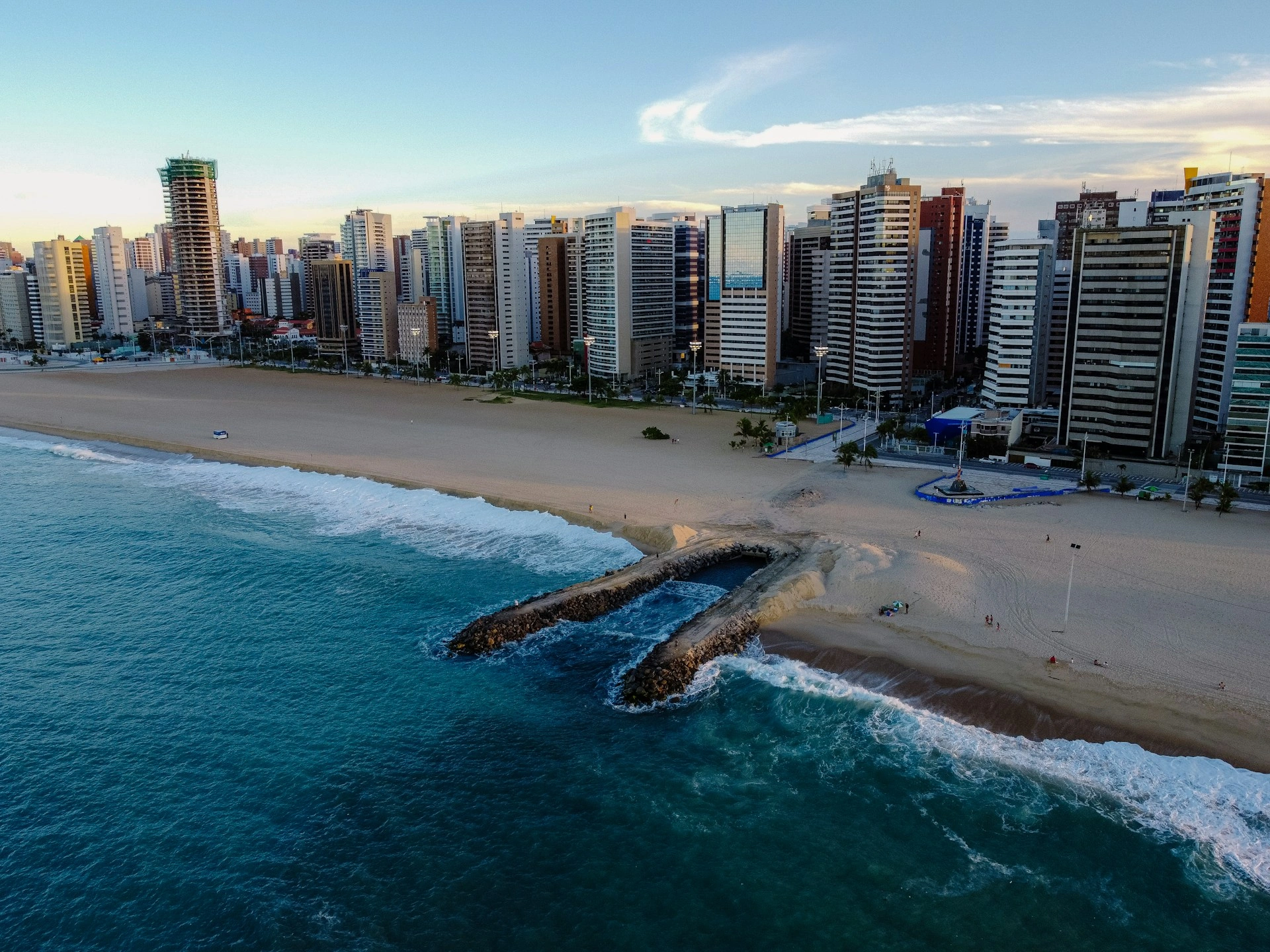
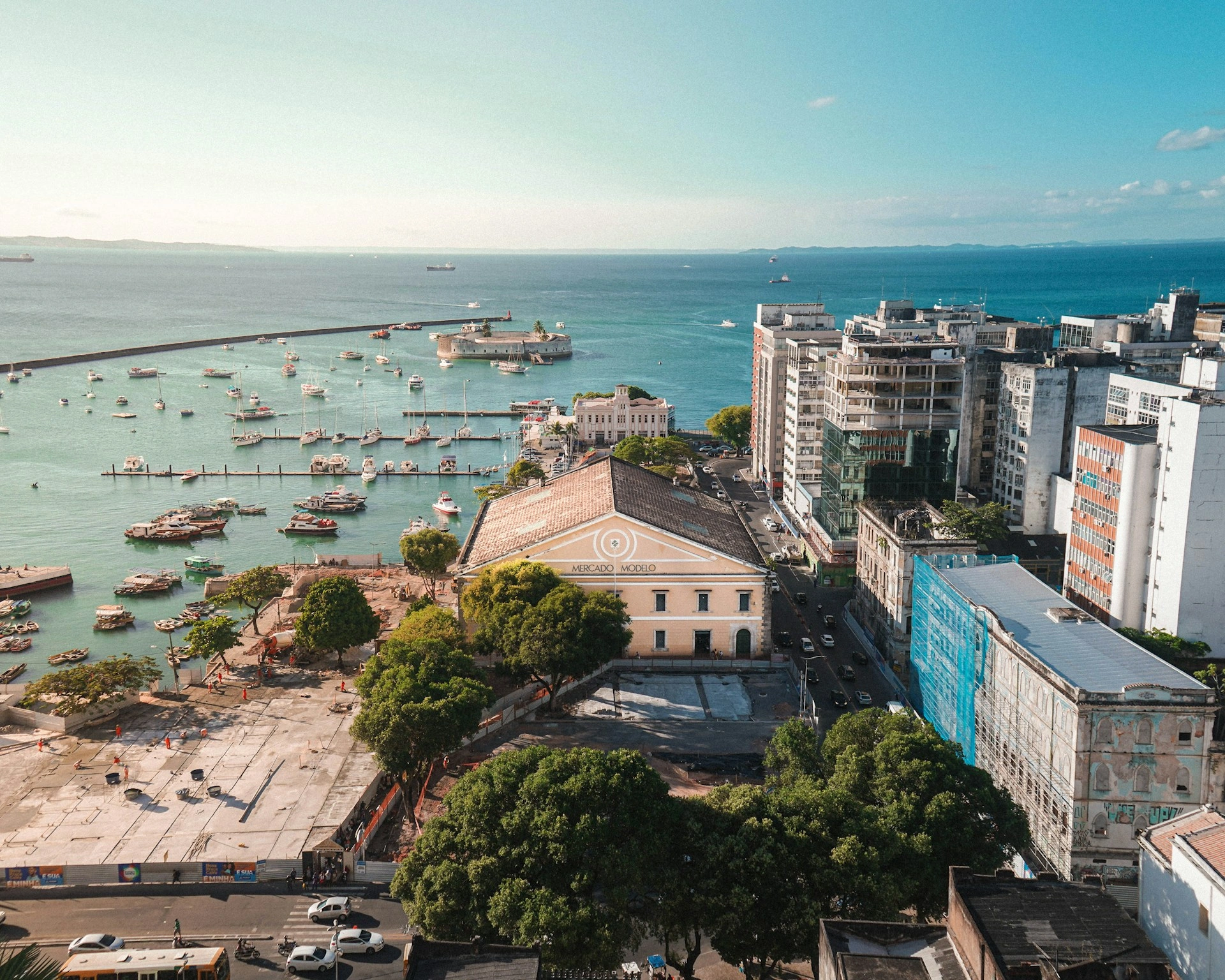

En iyi teklifler
Brezilya'da
Secondary real estate in Brazil

Daily functionality
Secondary homes in Brazil are used for full-time living, combining proximity to work, schools, and services with layouts designed for ventilation, balconies, and shared spaces, making resale property practical for year-round residence rather than short-term use
Diverse buyer base
The secondary housing market in Brazil stays active thanks to domestic buyers, returning nationals, regional movers, and international purchasers seeking established neighborhoods, creating demand across multiple price segments and supporting consistent resale liquidity
Process transparency
Transaction safety improves when buyers verify ownership history, condominium records, tax status, and seller authority before negotiation, pausing deals with document gaps, while VelesClub Int. can guide verification steps without replacing local legal review
Daily functionality
Secondary homes in Brazil are used for full-time living, combining proximity to work, schools, and services with layouts designed for ventilation, balconies, and shared spaces, making resale property practical for year-round residence rather than short-term use
Diverse buyer base
The secondary housing market in Brazil stays active thanks to domestic buyers, returning nationals, regional movers, and international purchasers seeking established neighborhoods, creating demand across multiple price segments and supporting consistent resale liquidity
Process transparency
Transaction safety improves when buyers verify ownership history, condominium records, tax status, and seller authority before negotiation, pausing deals with document gaps, while VelesClub Int. can guide verification steps without replacing local legal review
Öne çıkan özellikler
Uzmanlarımızdan: Brezilya, 'de
Bulunan: 132

Fortaleza, Brezilya'da hastane yakınında aydınlık 2+1 daire
daire
52 m2

2

2

41 800 $
Rio de Janeiro, Brezilya'da mobilyalı rahat 0+1 stüdyo
daire
32 m2
1
1
60 900 $
Şık 2+1 daire, Fortaleza, Brezilya'nın Cambeba Bölgesi
daire
51 m2
1
2
67 000 $
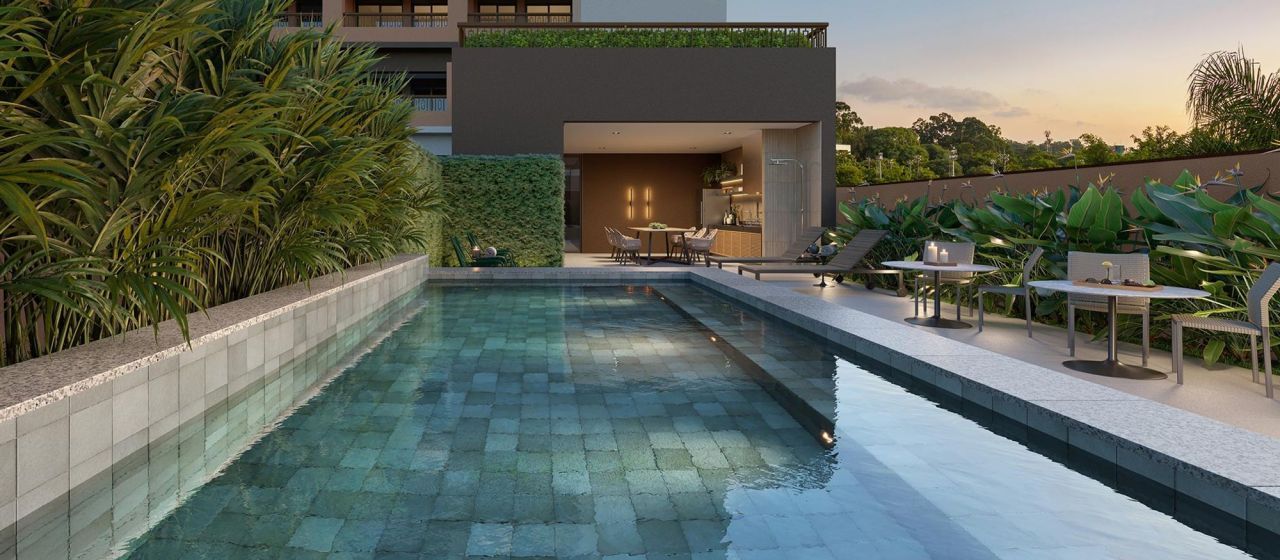
São Paulo merkezinde 1+1 daire satın alma - 89k $ ✅ VelesClub Int.
27 m2
Talep üzerine
1
89 300 $
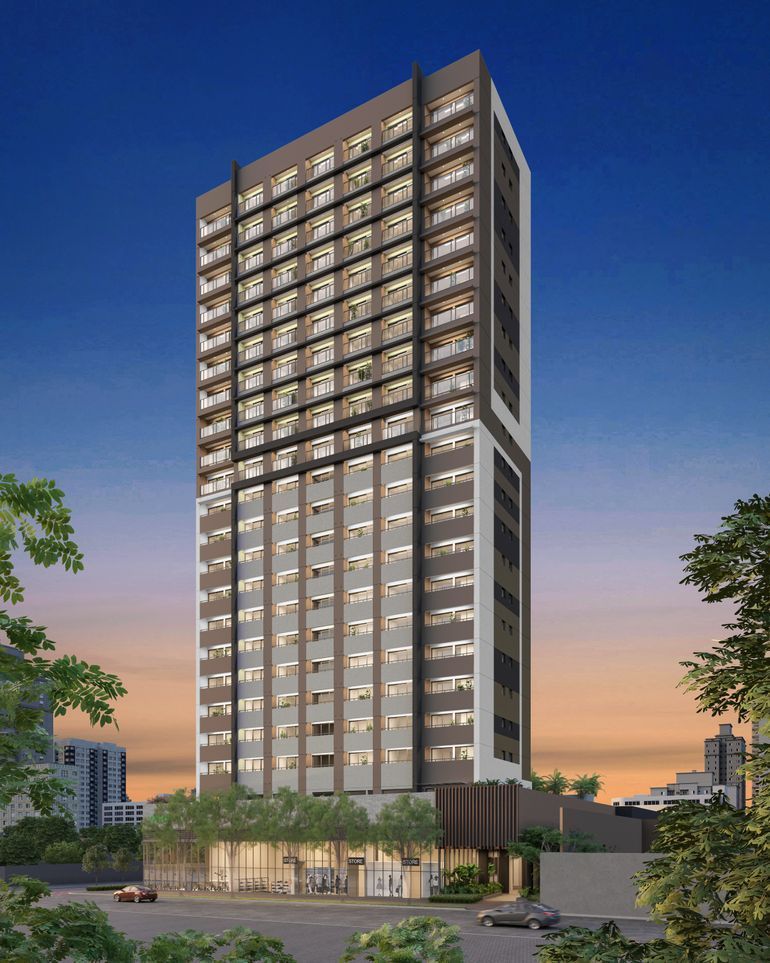
Sao Paulo'da otobüs durağına yakın, 26 m2 konforlu stüdyo
daire
26 m2
1
1
91 500 $
Prestijli bir kompleks içinde, Fortaleza, Brezilya'da 38 m² şirin daire
daire
38 m2
1
1
92 600 $
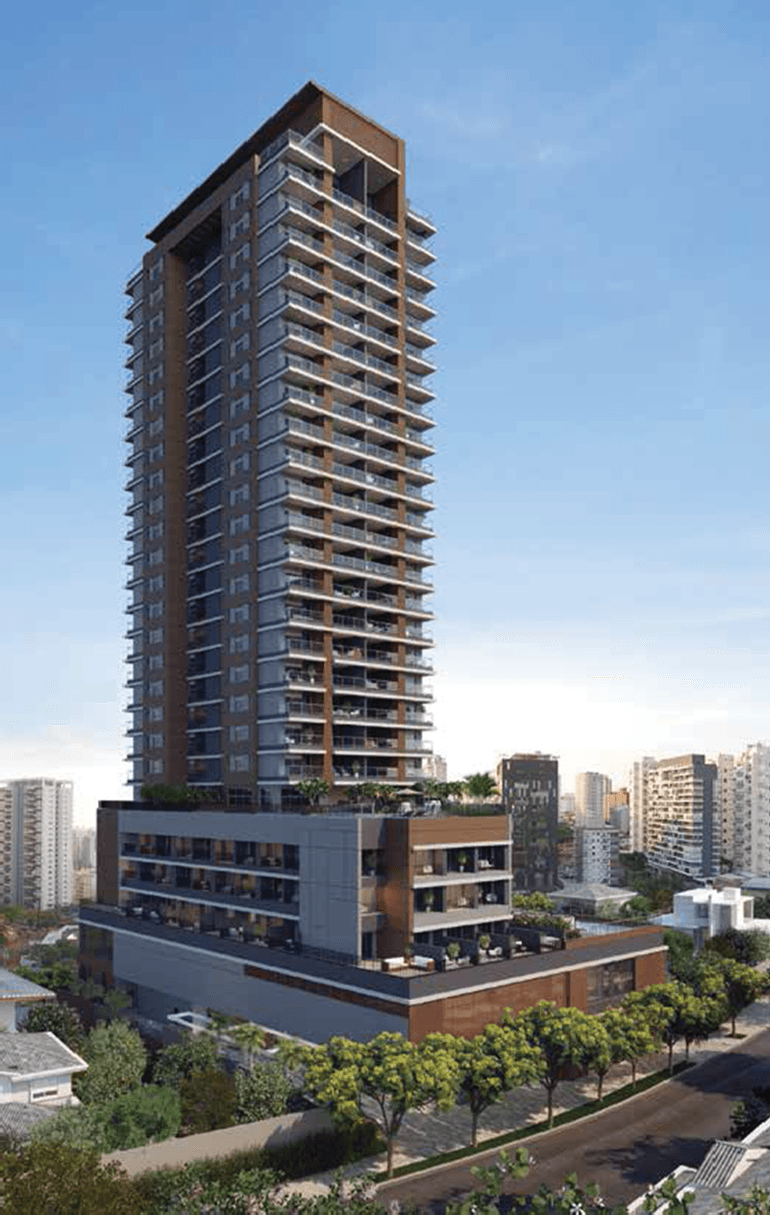
Family Office
27 m2
Talep üzerine
1
105 400 $
Fortaleza, Brezilya'da Guararapes bölgesinde konforlu 3+1 daire
daire
71 m2
2
3
107 000 $
Yeni stüdyo 32 m2, Sao Paulo'nun Marumbi bölgesinde
32 m2
Talep üzerine
1
108 600 $
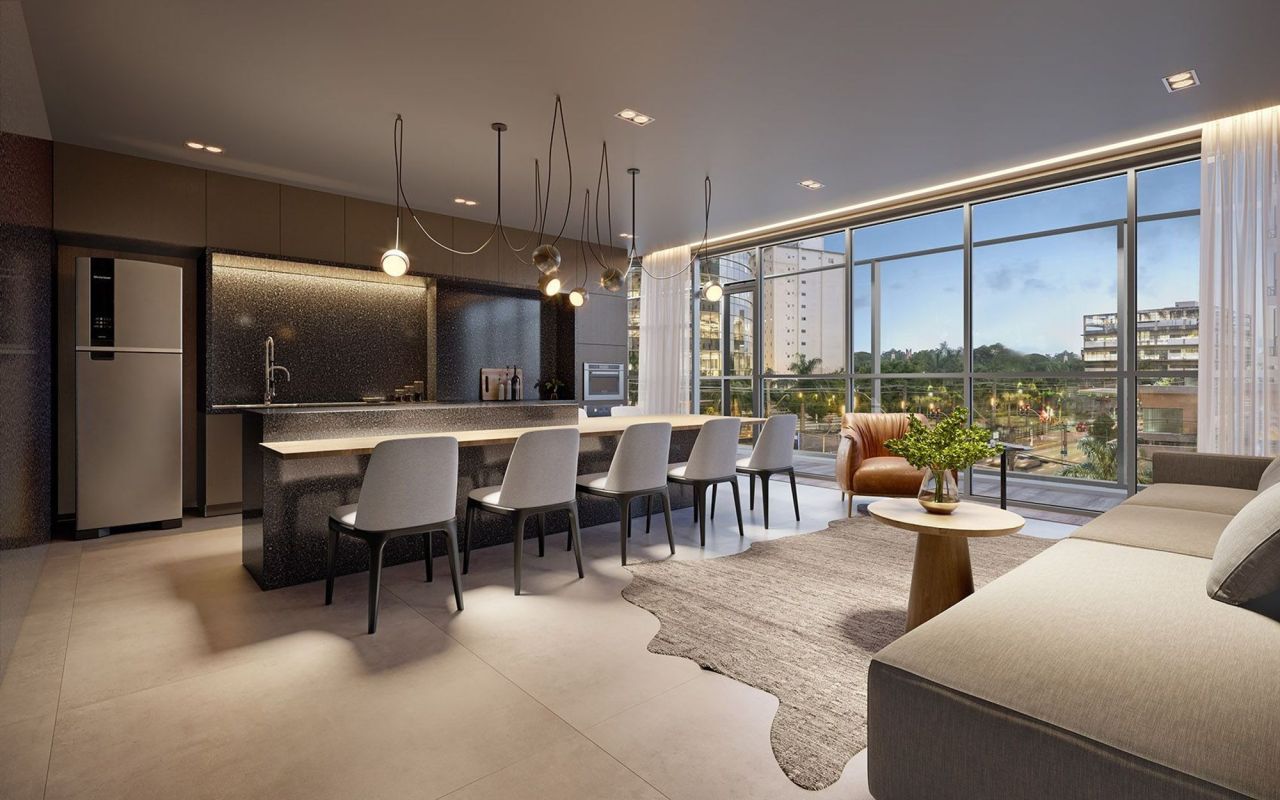
Sao Paulo'da modern bir kompleks içinde yeni 1+1 daire
daire
29 m2
1
1
120 800 $
Faydalı makaleler
ve uzmanlardan öneriler
Secondary real estate in Brazil - understanding the resale market before you buy
Why the secondary market works in Brazil
The secondary housing market in Brazil functions as the core of residential ownership rather than an alternative. Most people live in resale apartments and houses that already sit within functioning urban systems. Buyers can evaluate how a building behaves, how the street feels at different times of day, and how daily logistics actually work. This practical visibility makes secondary real estate in Brazil especially relevant for long-term use.
Brazilian cities developed over long periods, resulting in layered housing stock. Older buildings often occupy central or well-connected areas, while newer developments expand outward. Resale property in Brazil allows buyers to choose between location maturity and building age instead of being forced into one option. This flexibility is one reason the market remains active across economic cycles.
Another factor supporting the secondary market is ownership stability. Many properties are held for years and sold due to family changes, relocation, or generational transitions. These motivations are not speculative by nature, which helps maintain a steady flow of listings and realistic pricing logic. Buyers often negotiate based on condition and documentation rather than hype.
The market also benefits from Brazil’s internal mobility. People move between cities for work, education, and lifestyle reasons, creating ongoing demand for resale apartments in Brazil. This movement supports liquidity because buyers are not concentrated in a single segment or location type.
Finally, the secondary market works because it is testable. Buyers can review condominium rules, monthly costs, maintenance quality, and neighbor profiles before committing. These real-world signals reduce uncertainty and make the secondary housing market in Brazil a rational entry point for both residents and long-term planners.
Who buys on the secondary market in Brazil
Local end users form the largest buyer group. Families upgrading space, professionals relocating within a city, and downsizers all rely on resale property in Brazil because it offers immediate usability. They value known commuting patterns, access to services, and established community dynamics.
Internal migrants also play a major role. Brazil’s regional economies vary, and people frequently move between metropolitan areas and regional centers. These buyers often prefer secondary real estate in Brazil because it allows them to settle quickly without waiting for construction or infrastructure completion.
Returning nationals represent another important segment. Buyers who have lived abroad often seek stable neighborhoods with predictable costs. They tend to focus on documentation clarity and building governance, which encourages higher transaction discipline in the resale market.
International buyers exist but are not uniform. Some purchase for partial residence, others for family use or long stays. Their preference for established areas and functioning condominiums supports demand for resale apartments in Brazil rather than speculative developments.
Investors are present, but in the secondary market they typically prioritize usability. Properties that work for everyday living attract broader future demand. This mindset reinforces liquidity and discourages overly niche configurations that struggle to resell.
Property types and price logic in Brazil
Pricing in secondary real estate in Brazil starts with micro-location. Access to transport, walkability, noise exposure, and street activity often matter more than city-level reputation. Two nearby properties can trade at different levels based on daily comfort and accessibility.
Building characteristics are the next major factor. Buyers should assess maintenance standards, shared area condition, elevator reliability, and condominium management. In resale apartments in Brazil, monthly fees and reserve funds directly influence long-term cost and resale appeal.
Layout efficiency strongly affects value. Practical room sizes, cross-ventilation, and usable balconies matter more than decorative finishes. Buyers should prioritize structural comfort over cosmetic appeal, especially when planning long-term occupancy.
Renovations add value only when they address infrastructure. Electrical systems, plumbing, and waterproofing matter more than surface updates. When evaluating resale property in Brazil, buyers should request clarity on what was upgraded and when, and discount prices when renovation claims lack evidence.
Liquidity bands also influence price logic. Units that fit common household needs sell more consistently. Properties that are oversized, overly customized, or poorly aligned with local demand may appear attractive but often face longer resale timelines.
Legal clarity in Brazil - what matters in a secondary purchase
Legal clarity begins with confirming ownership. Buyers must ensure that the seller has full authority to sell and that ownership records align with identification and property descriptions. Any discrepancy should pause the transaction until resolved.
Encumbrance checks are essential. Buyers should confirm that property-related taxes, condominium fees, and other obligations are current. Proof of payment should be requested early, as unresolved debts can delay or complicate transfer.
Condominium documentation plays a key role in Brazil. Buyers should review rules, financial statements, and any pending assessments. A poorly managed condominium can increase costs and reduce resale appeal, regardless of unit quality.
Occupancy status must be clear. Buyers should confirm that the property will be delivered vacant or under agreed conditions, with no lingering usage rights. Ambiguity here often leads to disputes after closing.
Process discipline matters more than speed. Structured verification protects both timeline and capital. VelesClub Int. can help organize document requests and transaction steps, acting as a market guide while buyers rely on local legal professionals for formal review.
Areas in Brazil- why the market is not uniform
Brazil’s size and diversity mean that the secondary housing market in Brazil varies widely by region. Large metropolitan areas differ from regional capitals and smaller cities in demand drivers, pricing stability, and buyer expectations.
Within cities, neighborhoods serve different functions. Central areas prioritize access and density, while residential zones emphasize space and quieter living. Resale property in Brazil reflects these differences, and buyers should avoid comparing properties that serve different lifestyles.
Some areas attract demand from professionals and students, leading to higher turnover. Others cater to long-term residents, resulting in slower but steadier resale cycles. Understanding this rhythm helps buyers align expectations.
Infrastructure development also influences segmentation. Established areas offer predictability, while transitional zones carry both opportunity and risk. Buyers should assess whether future improvements are already reflected in pricing.
When specific neighborhood knowledge is limited, buyers can still segment by access, building density, and service availability. This approach supports rational comparison across resale apartments in Brazil.
Secondary vs new build in Brazil - a rational comparison
Secondary real estate in Brazil offers immediate reality. Buyers see what they are buying and how it performs. New builds offer standardized condition but involve delivery and execution risk. The choice depends on tolerance for uncertainty.
Resale properties often excel in location maturity. Established neighborhoods have proven demand and infrastructure. New developments may offer amenities but rely on future neighborhood formation.
Cost transparency is often clearer in secondary purchases. Buyers can assess actual monthly expenses and maintenance needs. New builds may introduce costs that only become visible after occupancy.
Secondary housing market in Brazil transactions require thorough checks, but they also allow buyers to reduce uncertainty through observation and documentation review.
The rational approach is to match the purchase type with personal priorities: certainty and location versus uniform condition and future potential.
How VelesClub Int. in Brazil helps you buy secondary property correctly
Buying resale property in Brazil is a process-driven decision. VelesClub Int. helps structure that process by clarifying buyer priorities and filtering options accordingly.
As a market guide, VelesClub Int. assists with comparative analysis, helping buyers distinguish between cosmetic appeal and structural value in resale apartments in Brazil.
Transaction support focuses on sequencing. Document checks, negotiation, and commitment should follow a clear order. This reduces last-minute issues and preserves negotiating position.
By emphasizing evidence-based decisions, VelesClub Int. helps buyers navigate the secondary housing market in Brazil with greater confidence and fewer surprises.
Frequently asked questions about Brazil
How important are condominium records when buying resale property?
They are critical. Buyers should review rules, recent financial statements, and any planned assessments. If records are unavailable or unclear, pause the deal until transparency is restored.
What should I check if a property was inherited by the seller?
Confirm that ownership transfer is complete and that all entitled parties have authority to sell. If signatures or approvals are pending, do not proceed until documentation is finalized.
How do I assess monthly costs realistically?
Request recent condominium fee statements and tax receipts. Compare them with similar buildings. If costs seem understated or inconsistent, assume future adjustments and factor them into pricing.
Is renovation quality standardized in resale apartments?
No. Buyers should verify what was structurally upgraded versus cosmetically changed. Lack of evidence means the renovation should not justify a premium price.
What risks come with buying an occupied property?
Unclear move-out terms can delay possession. Buyers should require written confirmation of vacancy timing and responsibilities. Without it, the transaction risk increases significantly.
How do I compare properties in unfamiliar cities?
Use functional criteria: access, building condition, management quality, and buyer profile. Avoid relying solely on visuals or price per square meter without context.
Conclusion - you understand the market, now you can choose
Secondary real estate in Brazil rewards buyers who focus on functionality, documentation, and realistic pricing logic. Understanding how neighborhoods differ and how buildings operate helps reduce uncertainty.
The secondary housing market in Brazil offers depth and variety. When you evaluate resale apartments in Brazil with clear criteria, you move from browsing to informed decision-making.
With a structured approach and guidance from VelesClub Int., you can proceed confidently, explore listings, and take the next step toward a well-executed secondary property purchase.