
Popular
cities and regions in Greece
Best offers
in Greece
Land Plots in Greece

Island filters
In Greece, a parcel only becomes useful when terrace levels, road access, and village context support the intended house, because sea views and hillside beauty often hide a much smaller practical build platform
Wind exposure
Greece rewards buyers who read slope, sun, wind, and usable flat ground together, since island and coastal plots can look exceptional while still becoming difficult for daily living and outdoor organization
Practical screening
VelesClub Int. helps buyers compare Greece through settlement pattern, terrace usability, approach quality, and project purpose, so catalog browsing narrows toward parcels that work as homes rather than scenery alone
Island filters
In Greece, a parcel only becomes useful when terrace levels, road access, and village context support the intended house, because sea views and hillside beauty often hide a much smaller practical build platform
Wind exposure
Greece rewards buyers who read slope, sun, wind, and usable flat ground together, since island and coastal plots can look exceptional while still becoming difficult for daily living and outdoor organization
Practical screening
VelesClub Int. helps buyers compare Greece through settlement pattern, terrace usability, approach quality, and project purpose, so catalog browsing narrows toward parcels that work as homes rather than scenery alone
Property highlights
in Greece, from our specialists
Found: 20
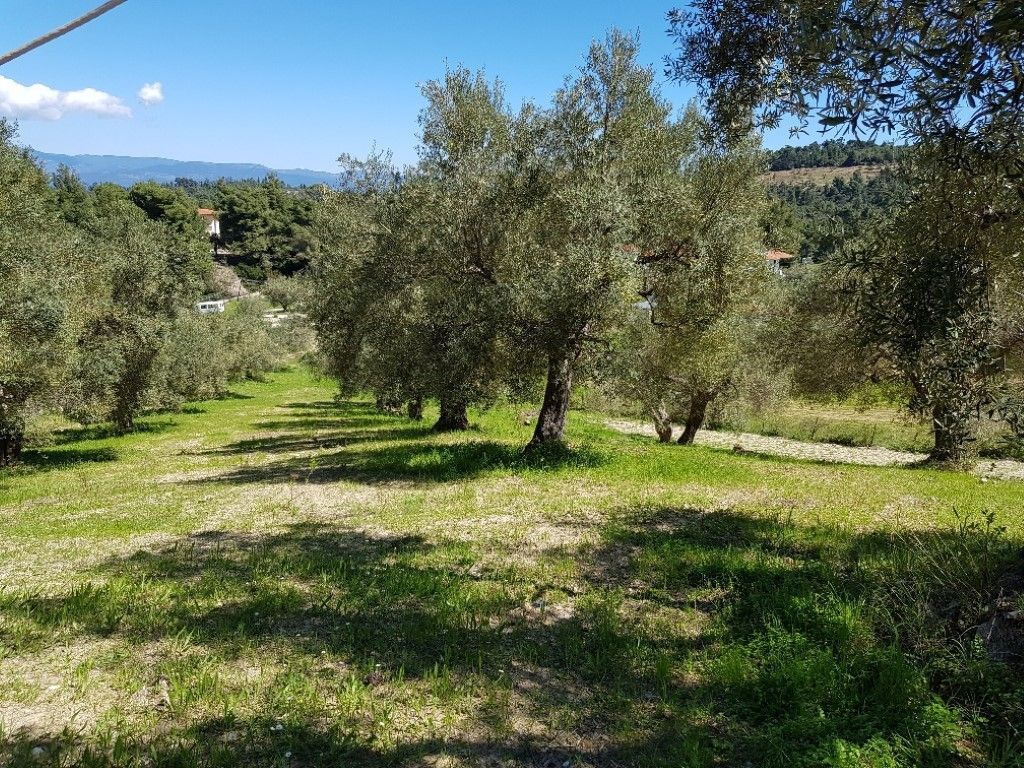
Land in Halkidiki, 2002 m2
2002 m2

150 000 $

Land in Halkidiki, 3000 m2
3000 m2
160 000 $
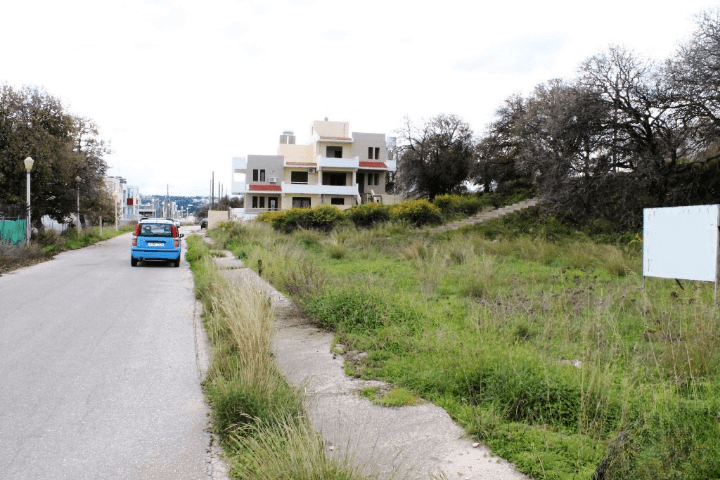
Plot of land 340 m² in Rhodes
340 m2
160 000 $
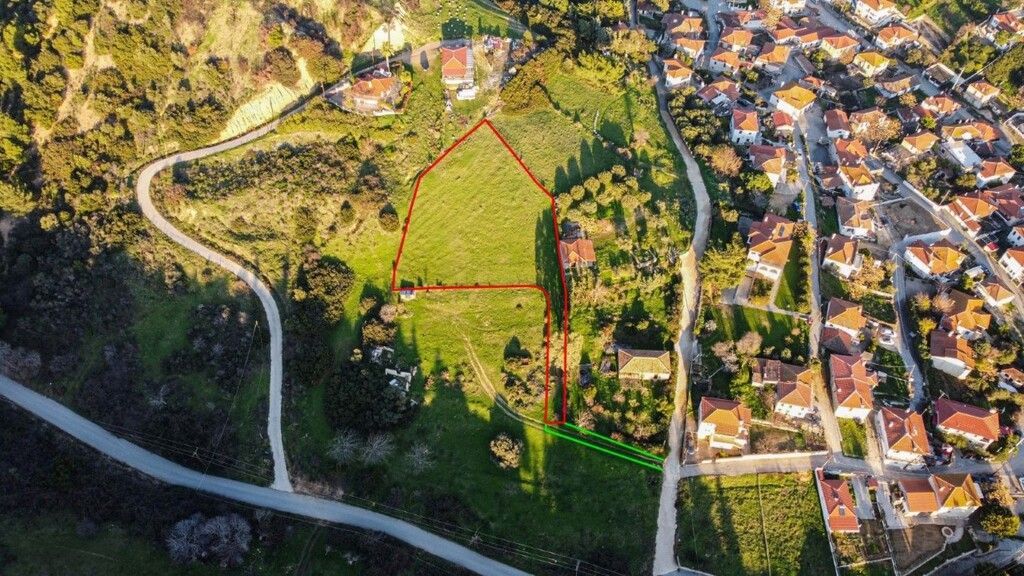
Land in Halkidiki, 850 m2
850 m2
190 000 $
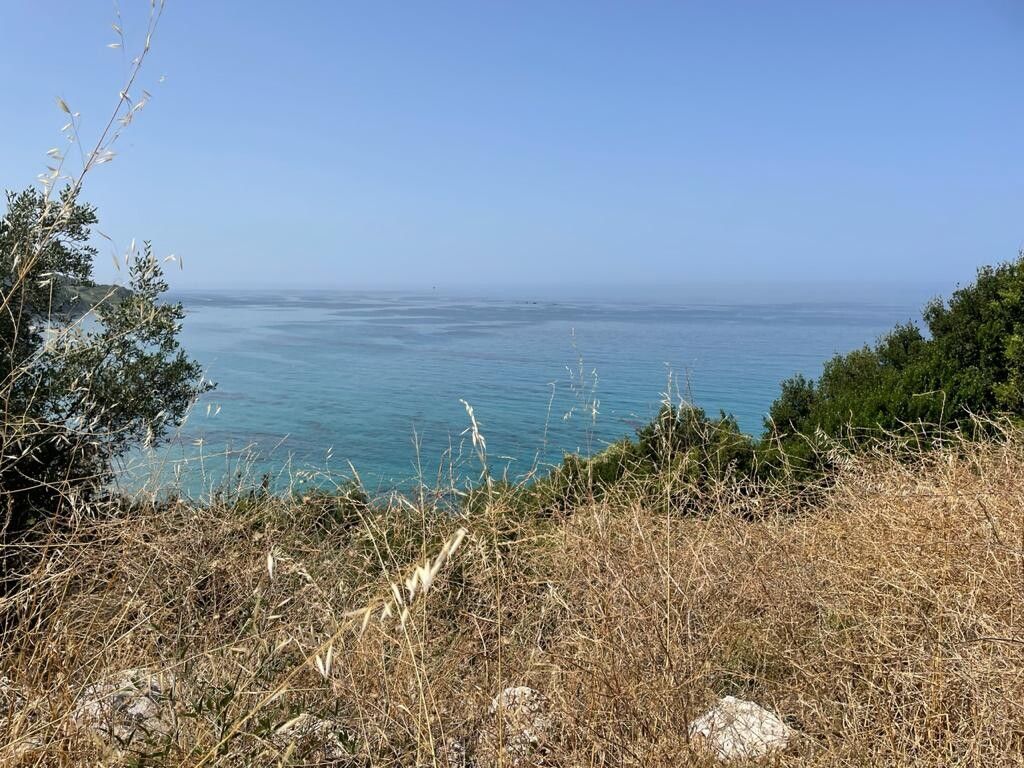
Land in Corfu, 4800 m2
4800 m2
195 000 $
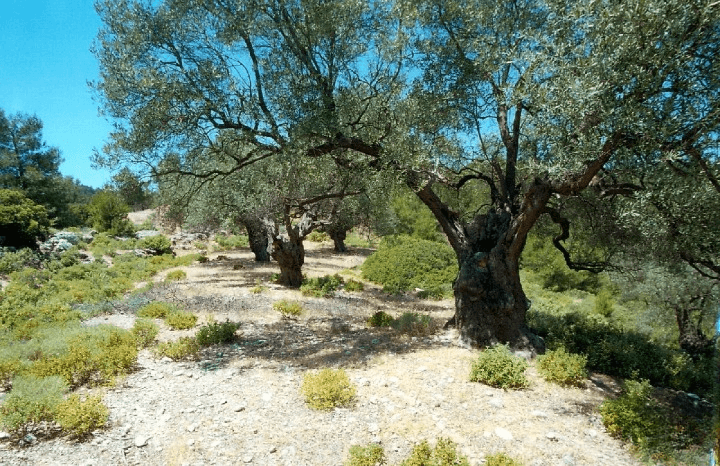
Offer from the company Grekhom
44000 m2
200 000 $
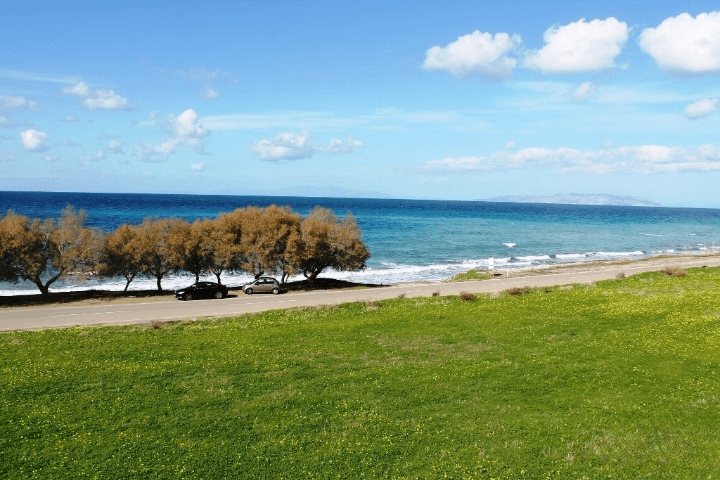
Plot of land 4320 m² in Rhodes
4320 m2
300 000 $
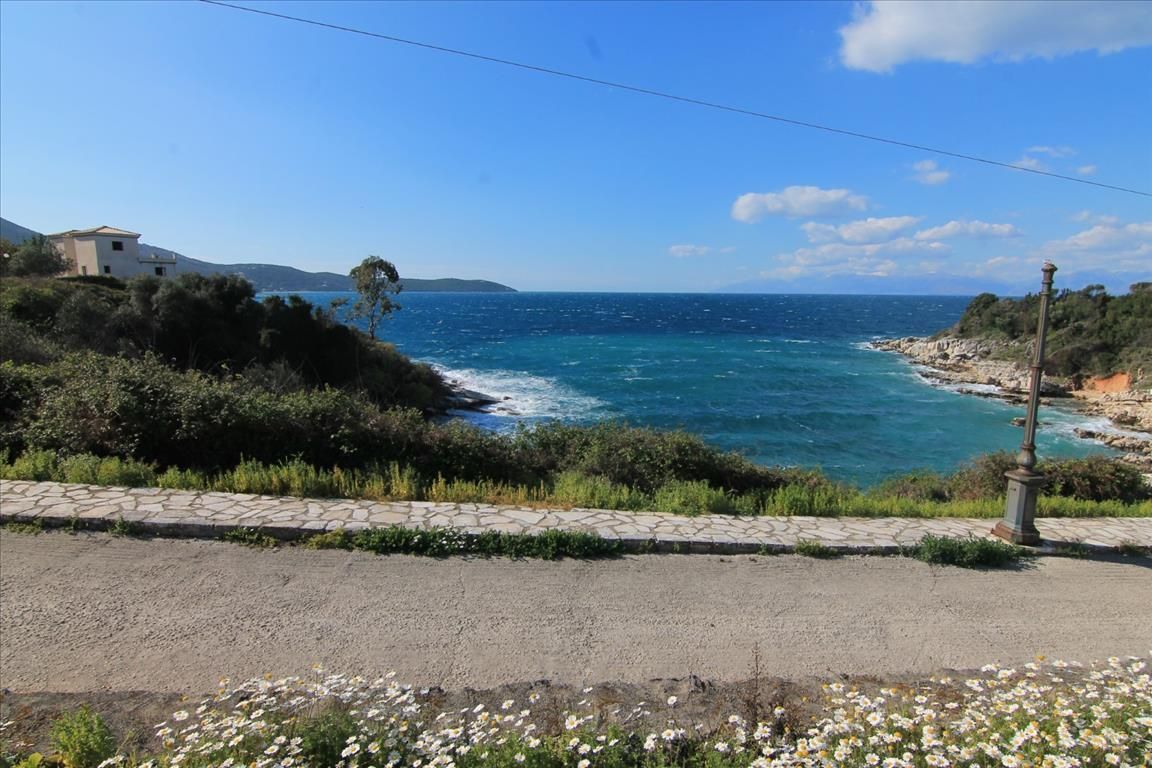
Land in Corfu, 1500 m2
1500 m2
320 000 $
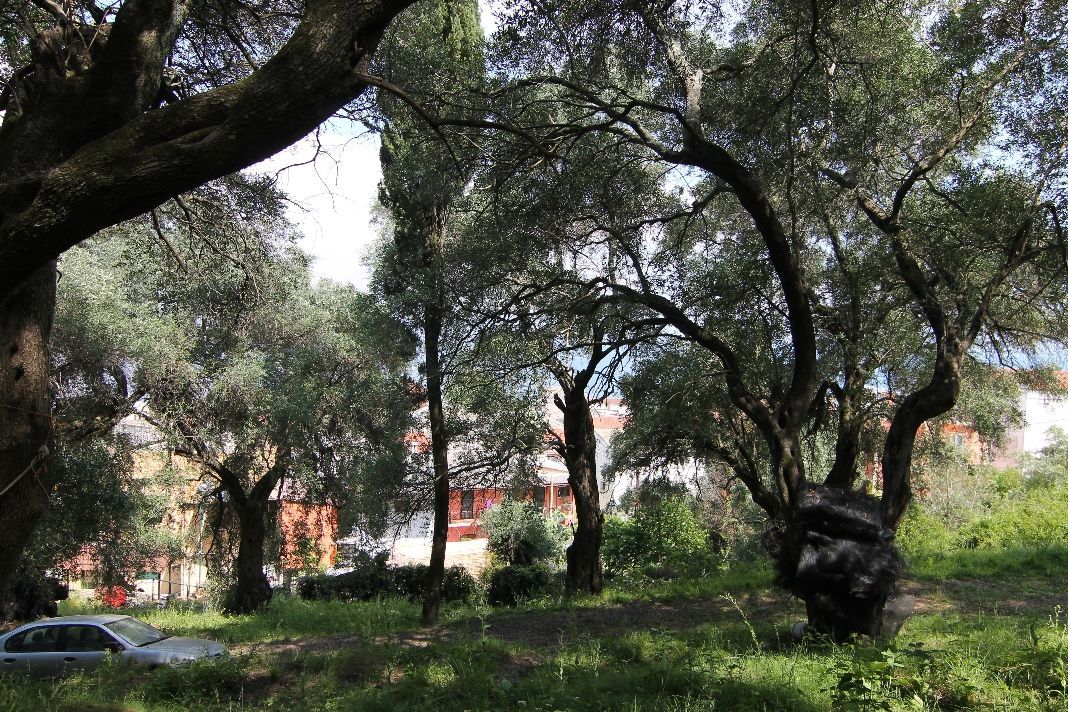
Land in Corfu, 4200 m2
4200 m2
350 000 $
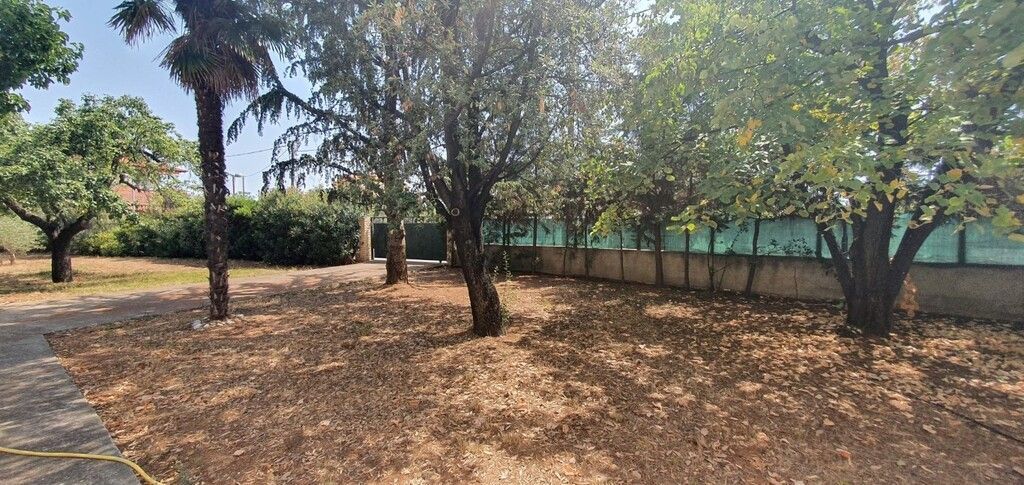
Land in Halkidiki, 2000 m2
residential use
2000 m2
380 000 $


Useful articles
and recommendations from experts
Land plots in Greece through island terrain and village fit
Greece separates beautiful land from workable land more sharply than buyers expect
Greece attracts land buyers through islands, sea views, white villages, olive groves, hillsides, and the idea of a house placed inside a landscape that already feels complete. That visual appeal is powerful, but it can make the parcel seem easier than it really is. In Greece, the strongest land decision is rarely about scenery alone. It is about whether the site can actually support a comfortable house, practical exterior life, and a calm daily rhythm once the build is real.
This matters because many Greek parcels create a gap between what the eye sees and what the project needs. A plot may feel open, elevated, and unforgettable while still becoming difficult through slope, narrow access, fragmented terraces, or too little usable level ground around the future house. Another parcel may look quieter and less dramatic, yet work much better because it already sits inside a readable settlement pattern and offers a cleaner building platform. Buyers searching land for sale in Greece usually make better choices when they test function before emotion.
Island Greece and mainland Greece should never be screened with the same logic
One of the main reasons land behaves differently in Greece is the split between island settings and the mainland. On the islands, buyers are often pulled by sea exposure, hillside outlook, village character, and the scarcity of visually strong plots. On the mainland, the search more often rewards a calmer reading of valley access, settlement edge position, and how naturally the house can sit on the land without excessive reshaping.
This difference changes the whole decision. An island parcel may justify stronger visual appeal even if the site is tighter, more exposed, and more dependent on terrace logic. Mainland land often has to perform more directly as land. The parcel must support access, daily use, and a believable house platform before atmosphere adds value. Neither direction is automatically better. The right choice depends on whether the buyer wants sea oriented identity, a quieter year round base, or a more balanced relationship between land and house.
Village edge Greece often works better than detached hillside Greece
Many buyers imagine that the ideal Greek plot is one that feels detached from everything except the landscape. In practice, land near a village edge or a readable settlement line is often much stronger. It gives clearer signals about approach roads, neighboring use, everyday routine, and how the future house will fit into an existing spatial pattern. A parcel does not need to be isolated to feel private and valuable.
By contrast, detached hillside sites can look more authentic or more exclusive while quietly creating more burdens. The slope may be sharper than expected, the road may feel weaker in real use, and the house may end up sitting on a narrow platform with limited outdoor comfort. In Greece, a village linked plot often outperforms a more dramatic detached one simply because it already behaves like part of a real place rather than a beautiful interruption in the terrain.
Terraces in Greece matter more than total parcel size
Greek land often appears generous because the boundary covers a visible hillside or a large stepped area. Yet size can be misleading. A parcel broken into narrow terraces, rocky level changes, or awkward retained sections may offer much less effective space than a smaller site with one strong and stable platform. Once the house, arrival, seating, parking, and practical exterior use are considered together, the real question becomes how much of the land can function calmly.
This is especially important because many Greek house projects depend on the relationship between the building and the exterior spaces around it. Outdoor life is not optional decoration. It is part of the core value of the property. If the terraces are too fragmented or the level changes too aggressive, the whole project can become more controlled by the land than supported by it. Buyers who want to buy land in Greece usually make stronger decisions when they focus on usable terraces rather than abstract area.
Sea view Greece can distort buyer judgment on buildable land in Greece
One of the most common mistakes is overpaying in attention, not only in price, for the view itself. A sea facing parcel can feel immediately right, and that emotional reaction often makes buyers tolerate weaknesses they would reject elsewhere. They accept sharper slope, weaker road approach, more exposed positioning, or a smaller build platform simply because the outlook is exceptional.
The stronger method is to separate view value from site value. A remarkable view is a real advantage, but it should come after the parcel has already passed a more practical test. Can the house sit naturally on the land. Will outdoor areas feel easy rather than staged. Does arrival remain comfortable. Will the site still feel balanced when daily use replaces the excitement of first contact. In Greece, the best sea view plot is usually the one where the view supports a good site instead of excusing a weak one.
Wind and sun in Greece shape the parcel before the design begins
Greece should be read through exposure, not just through topography. Buyers often think about climate only after they imagine the architecture. Yet the parcel already determines how easily the future house can create shade, shelter, privacy, and useful outdoor zones. A site with too much exposure can remain visually stunning while feeling far less comfortable in routine use.
This is why plot orientation and the relationship between open edges and protected corners matter so much. A strong parcel allows the house to create a controlled transition between interior and exterior space. A weaker parcel forces too much of the project into defensive design. For land plots in Greece, climate response begins with the land itself. The better site is the one that helps the house live well in light and wind instead of making the architecture fight both every day.
Narrow access in Greece often decides whether a quiet plot stays practical
Access is easy to underestimate in Greece because many parcels sit beside charming lanes, village roads, or hillside approaches that look appealing in a first visit. The real question is whether that approach actually supports the intended project. A narrow or awkward entry can affect construction movement, parking, turning space, and the entire rhythm of arrival long after the building is finished.
This matters especially on islands and in older settlement patterns where roads often follow the terrain rather than ideal parcel lines. A plot with a clearer and stronger road relationship usually produces a calmer final property. A site with compromised access may remain beautiful while constantly feeling slightly unresolved in use. Buyers comparing buildable land in Greece should therefore treat approach quality as part of the parcel itself, not as a later technical detail.
Rock and runoff in Greece can reduce the real comfort of a parcel
Greek land often includes rocky ground, slope breaks, and hard surfaces that seem stable at first glance. Yet stability in appearance is not the same as simplicity in use. The way water moves across a hillside, the way a terrace edge behaves, and the way the ground transitions from one level to another can all change the practical quality of the site. A parcel may look dry and manageable while still forcing more correction through retaining and reshaping than expected.
This is one reason similarly attractive Greek plots can lead to very different project quality. One site may preserve a coherent building zone and easy exterior life. Another may look equally compelling while quietly fragmenting the house plan and reducing usable outdoor ground. Good screening in Greece comes from reading the parcel as terrain in motion, not just as a still image with a strong backdrop.
Greek land improves as a choice when the buyer starts from daily living
The strongest parcel is usually not the one that feels most cinematic. It is the one that makes daily life easiest after the house is complete. Buyers should therefore begin with the intended rhythm of living. Is the project a year round home, a seasonal retreat, a village linked base, or a coastal property with stronger outdoor emphasis. Once that is clear, the land becomes much easier to judge.
This shift matters because Greece can tempt buyers into choosing the setting first and the parcel second. A better method is to define how the finished property must actually work, then ask which site supports that result with the fewest contradictions. In Greece, that usually means enough usable terrace ground, a believable road approach, exposure that can be managed well, and a setting that feels like a place to live rather than just a place to admire.
Using the VelesClub Int. catalog for Greece works best through site fit not scenery
The VelesClub Int. catalog is most useful in Greece when it is treated as a comparison tool rather than a gallery of beautiful locations. Buyers should begin with purpose. Is the site meant for a village house, an island home, a mainland retreat, or a sea oriented property with stronger outdoor living. Once that is clear, each parcel can be screened through terrace usability, settlement pattern, access quality, exposure, and how naturally the house can sit on the land.
This matters because Greece invites emotional browsing. Many parcels are attractive for different reasons, and the search can become a collection of moods instead of a real shortlist. VelesClub Int. helps narrow the field toward plots that match the intended project. That turns catalog browsing into a much more disciplined process and helps the buyer compare not only where the land is, but how it will actually perform as a home site.
Questions buyers ask when comparing land in Greece
Greece usually rewards buyers who compare the parcel as a future daily setting rather than as a scenic frame, because the strongest site is often the one with the fewest hidden terrace and exposure related burdens.
Why can an island plot in Greece be weaker than a simpler mainland parcel in Greece
Because island identity does not automatically create a better house site. A simpler mainland parcel may offer stronger access, more usable level ground, and a calmer daily rhythm, while the island plot may depend too heavily on view and scarcity.
What usually makes village edge land in Greece stronger than another village edge plot in Greece
A stronger parcel usually has a cleaner road relationship, more believable terrace structure, and a more natural fit with the settlement pattern around it. It feels like a realistic house site rather than leftover land above or below a village line.
Why should buyers in Greece pay so much attention to terrace usability in Greece
Because the project depends on more than the building footprint. Terraces affect where the house sits, how outdoor areas connect, how parking works, and whether the finished property feels relaxed or constantly managed through level changes.
When does a sea view parcel in Greece become less attractive than it first appears in Greece
It becomes weaker when the view is doing all the work while slope, access, and exposure reduce the practical quality of the site. A strong outlook does not compensate forever for a weak platform or a harder daily rhythm.
Why can a larger hillside parcel in Greece underperform a smaller terraced plot in Greece
Because total area does not guarantee comfort. A smaller terraced plot with one clean building zone can support the house far better than a larger parcel whose usable space is broken by slope, rock, and awkward transitions.
How should buyers use the VelesClub Int. catalog when several Greece plots all seem appealing
They should compare by settlement fit, terrace usability, access strength, exposure control, and project purpose rather than by scenery alone. A structured request through VelesClub Int. helps narrow the shortlist once emotion stops being a reliable guide and real site fit becomes the main decision tool.