
Development Land in South YorkshireRegional land for project acquisition
Best offers
in South Yorkshire
Land Plots in South Yorkshire


Suburban Depth
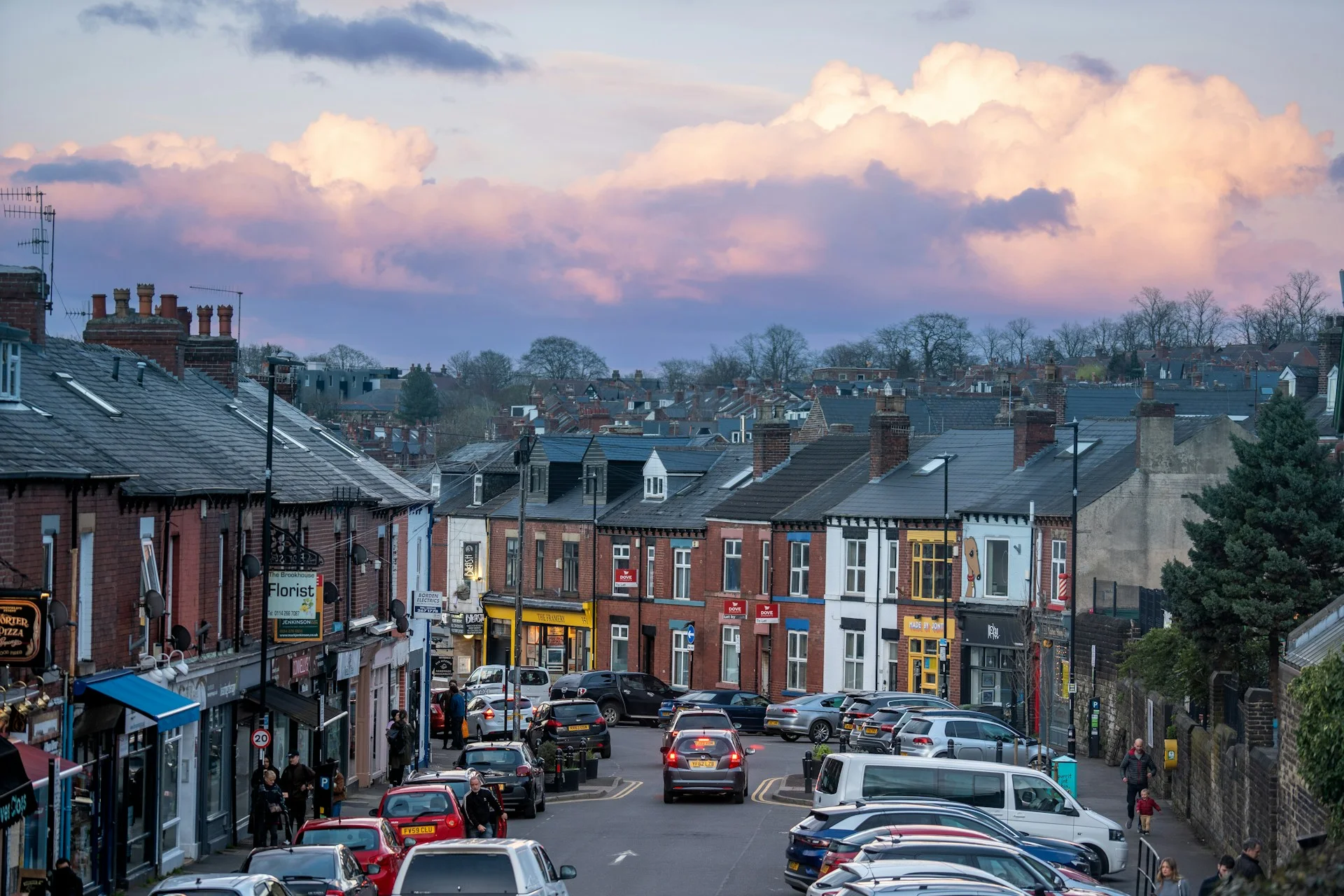
In South Yorkshire land is most naturally considered for residential schemes, peri-urban housing concepts, and adaptive reuse plots because the region balances established urban centres with wide suburban belts that still allow meaningful spatial flexibility
Industrial Fabric
The spatial appeal of land here comes from its long industrial landscape logic, where urban cores, logistics corridors, and former manufacturing zones create structurally coherent areas for redevelopment, service positioning, and practical land use continuity
Regional Pivot
Strategic value in this region is shaped by regeneration momentum, infrastructure renewal, and the gradual repositioning of former industrial land into mixed urban extensions that link city revival with suburban expansion across multiple metropolitan nodes
Suburban Depth
In South Yorkshire land is most naturally considered for residential schemes, peri-urban housing concepts, and adaptive reuse plots because the region balances established urban centres with wide suburban belts that still allow meaningful spatial flexibility
Industrial Fabric
The spatial appeal of land here comes from its long industrial landscape logic, where urban cores, logistics corridors, and former manufacturing zones create structurally coherent areas for redevelopment, service positioning, and practical land use continuity
Regional Pivot
Strategic value in this region is shaped by regeneration momentum, infrastructure renewal, and the gradual repositioning of former industrial land into mixed urban extensions that link city revival with suburban expansion across multiple metropolitan nodes








Useful articles
and recommendations from experts
Land plots in South Yorkshire and how buyers assess location logic
Why land remains relevant across South Yorkshire urban structure
South Yorkshire represents a land market shaped less by scarcity and more by transformation. Buyers usually consider land here not because central areas lack space entirely, but because the region contains a layered mix of urban cores, post-industrial belts, and suburban growth zones. This creates opportunities where land can serve practical residential, mixed-use, or redevelopment intentions.
Unlike highly constrained metropolitan centres, this region offers a broader spectrum of spatial conditions. Land is often viewed as a strategic format for shaping outcomes rather than simply acquiring an address. This makes plot selection closely tied to how the wider urban system functions rather than to isolated site characteristics.
How land fits the spatial hierarchy of South Yorkshire
The structure of South Yorkshire is defined by multiple urban anchors rather than a single dominant centre. Cities such as Sheffield, Doncaster, Rotherham, and Barnsley form a distributed metropolitan pattern. As a result, land selection tends to follow corridors of connectivity, suburban transition belts, and regeneration areas rather than focusing purely on traditional central districts.
Urban cores generally contain established density and limited large-scale plot availability, while outer residential belts and former industrial zones provide more adaptable land formats. This spatial contrast means buyers often evaluate land by its integration into transport links, suburban expansion patterns, or emerging mixed-use environments rather than prestige alone.
Main land use clusters shaping land demand in South Yorkshire
The dominant cluster in this region is development-led residential use. Land is frequently considered for housing schemes, small neighbourhood extensions, or low-density formats aligned with suburban demand. This reflects the region’s demographic stability and the ongoing need to modernise housing stock across urban fringes.
The secondary cluster centres on commercial and service-oriented positioning. Plots located along logistics corridors or within redevelopment districts can support distribution functions, light industrial adaptation, or hybrid commercial formats. This dynamic is closely linked to the region’s historical industrial base transitioning toward diversified economic activity.
Land categories and typical plot use cases in South Yorkshire
Buyers typically encounter several categories of land in this region. Suburban edge plots often suit residential construction or phased development. Brownfield parcels within urban belts can enable regeneration-led projects or mixed-use repositioning. Peripheral sites near transport infrastructure may support commercial or logistics-related concepts where spatial scale allows.
The suitability of each category depends less on size alone and more on how the plot interacts with surrounding urban fabric. A parcel integrated into a coherent growth belt or redevelopment cluster tends to provide clearer decision logic than a visually appealing but spatially isolated site.
Comparing land with fixed property formats in South Yorkshire
Ready-built property in this region offers predictability and immediate occupancy, which suits buyers prioritising speed or stability. Land, however, provides flexibility in shaping building typology, density, and long-term positioning. This distinction is particularly relevant in areas undergoing regeneration, where controlling development parameters can significantly influence project outcomes.
Choosing land instead of a completed property is therefore less about speculation and more about strategic alignment. When the intended use matches the spatial trajectory of the surrounding area, land can become a disciplined extension of broader regional transformation rather than an abstract investment decision.
Reading land plots in South Yorkshire through the VelesClub Int. catalog
When reviewing land for sale in South Yorkshire, buyers benefit from structuring their comparison process around urban logic. Identifying whether a plot sits within a suburban growth belt, a regeneration corridor, or a service-oriented zone helps clarify its practical role. This reduces the risk of comparing parcels that appear similar in price but differ significantly in usability.
The VelesClub Int. catalog supports this structured evaluation by allowing buyers to align plot characteristics with specific land-use intentions. Rather than browsing passively, users can filter options based on development scale, spatial positioning, and long-term flexibility, which simplifies decision-making in a distributed metropolitan environment.
Support from VelesClub Int. also helps translate general interest in regional land opportunities into targeted site selection. By narrowing focus to plots that match defined use cases, buyers can engage more confidently with the regional land market while maintaining clarity about feasibility and strategic direction.
Key questions buyers ask about land in South Yorkshire
Why does land selection differ across cities within South Yorkshire? Because each urban centre has its own regeneration pace, spatial constraints, and suburban expansion dynamics.
What usually makes a plot more practical in this region? Integration into established transport corridors and coherent residential belts often determines usability.
Why can similarly priced plots vary in suitability? Differences in surrounding density, land history, and redevelopment context significantly affect practical outcomes.
Where does land tend to make more sense in South Yorkshire? Suburban transition zones and former industrial belts generally offer clearer development logic.
Is land mainly used for residential or commercial purposes here? Residential-led development dominates, with commercial positioning emerging in strategic corridors.
How should buyers compare plot options effectively? Evaluating spatial role within the regional urban network provides a stronger basis than price or size alone.
Land decisions in South Yorkshire become clearer when buyers align intended use with regional transformation patterns. Reviewing relevant plots in the VelesClub Int. catalog or submitting a structured request helps convert broad regional interest into a focused land strategy.