
Immobili in vendita in GuatemalaChiarezza sui prezzi con opzioni di rivendita affidabili
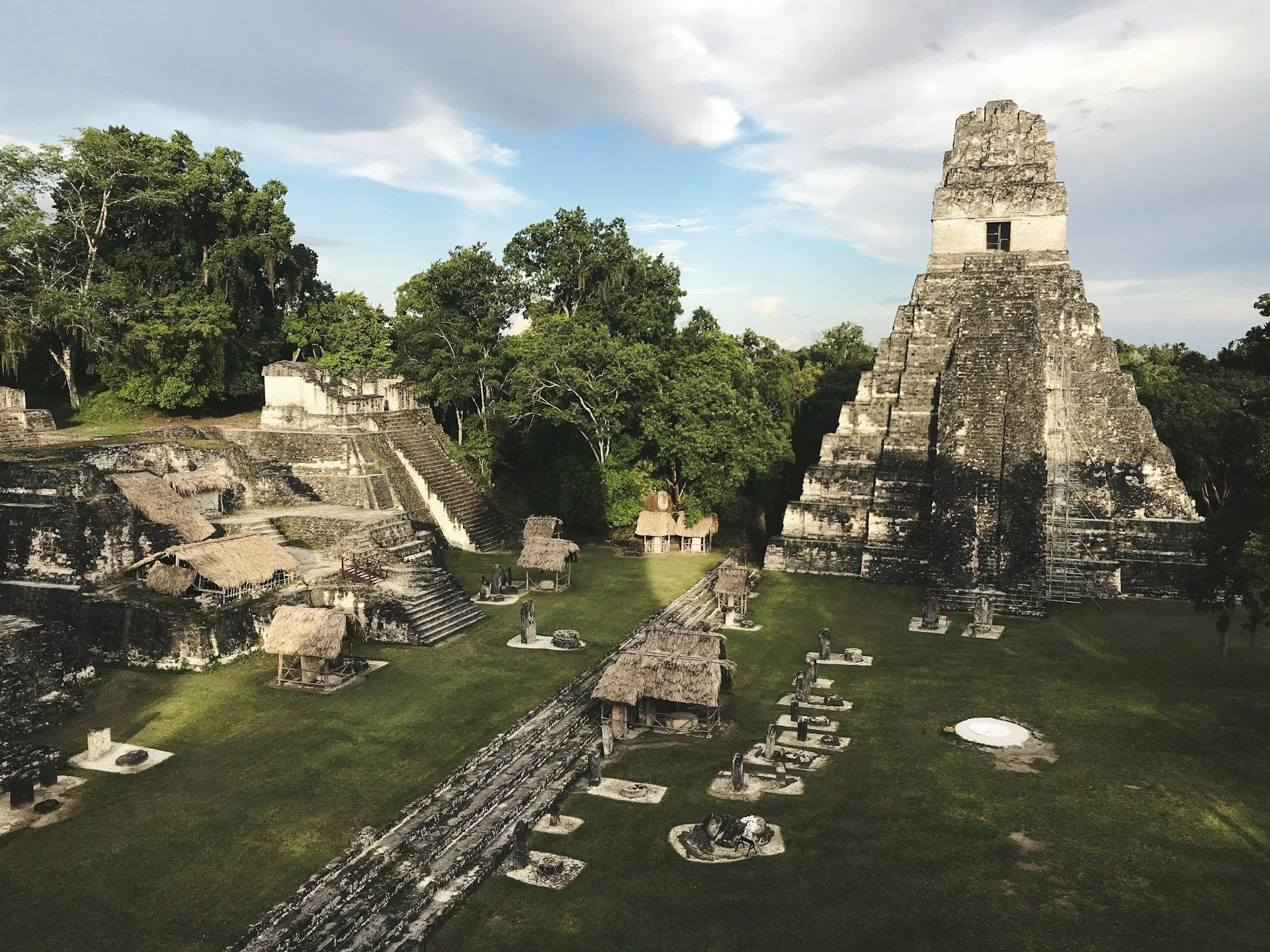
Città e regioni più popolari in Guatemala Popolare
Città e regioni più popolari in Guatemala
Popolare
città e regioni in Guatemala
Città e regioni più popolari in Guatemala
Popular cities and regions in Guatemala

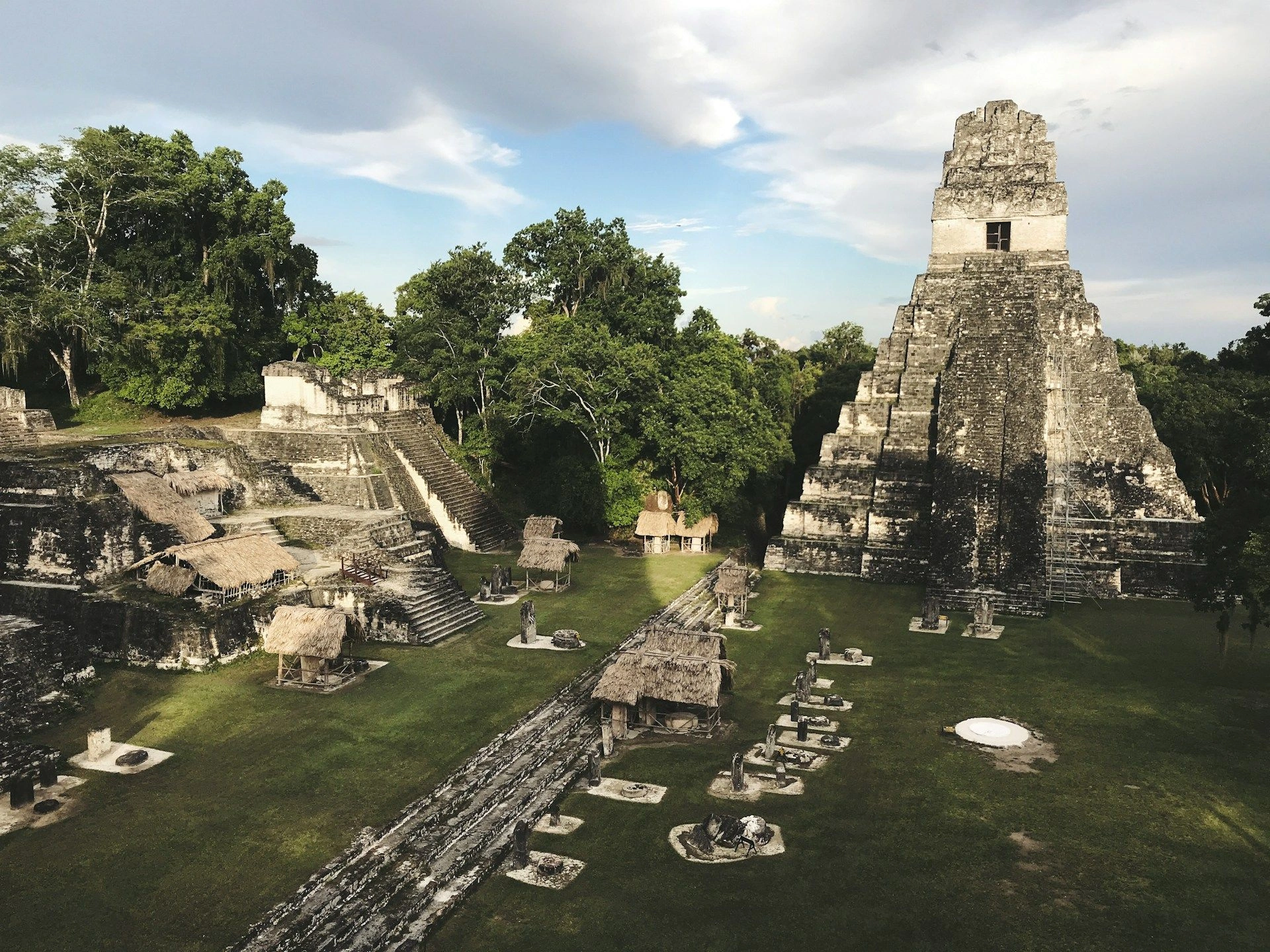




Migliori offerte
a Guatemala
Resale real estate in Guatemala


Demand waves
In Guatemala, diaspora demand and family-held ownership mix with investor resales, so listings appear in waves and terms hinge on who can sign Compare signer authority, seller timeline, and possession readiness before you discuss price
Cost baseline
In Guatemala, condo dues and shared maintenance budgets vary by regime while standalone homes carry repair responsibility, so similar asking prices hide different totals Verify fee statements, reserve items, arrears status, and charges early
Comparable lanes
In Guatemala, capital condos, highland homes, and coastal stock sit in separate lanes, so comps drift when tiers mix and listing descriptors differ Shortlist one lane, then confirm identifiers and boundary wording match across copies
Demand waves
In Guatemala, diaspora demand and family-held ownership mix with investor resales, so listings appear in waves and terms hinge on who can sign Compare signer authority, seller timeline, and possession readiness before you discuss price
Cost baseline
In Guatemala, condo dues and shared maintenance budgets vary by regime while standalone homes carry repair responsibility, so similar asking prices hide different totals Verify fee statements, reserve items, arrears status, and charges early
Comparable lanes
In Guatemala, capital condos, highland homes, and coastal stock sit in separate lanes, so comps drift when tiers mix and listing descriptors differ Shortlist one lane, then confirm identifiers and boundary wording match across copies
Articoli utili
e raccomandazioni da esperti








Resale real estate in Guatemala - compare segments, fees, and document readiness in listings
Why buyers choose resale in Guatemala for a checkable purchase sequence
Resale buying works when each step is based on inputs you can confirm. You browse active listings, build a shortlist, schedule viewings, and move to an offer using the same control points each time. The sequence stays calm and repeatable: shortlist, viewing, offer, closing steps. This page is a bridge between market-level guidance and the practical act of comparing current offers.
The main advantage of resale real estate in Guatemala is that decisions can be made from what exists now. You can compare like-for-like candidates, see how asking prices cluster inside your chosen segment, and move forward when the deal file supports clean conditions. The goal is not to predict where prices will go. The goal is to choose an option that is comparable, document-ready, and realistic on timing.
Across Guatemala, resale supply can be uneven by region and by seller profile. Some listings come from long-held ownership and require alignment on who signs and how the handover is scheduled. Other listings are repeat resales where the file may be more standardized but the seller timeline can be firmer. Treat each listing as a file to validate, not only a number to negotiate, and you reduce rework later in the process.
A practical way to stay in control is to separate negotiable terms from fixed inputs. Negotiable terms include price discussion, timing preferences, and the conditions attached to your offer. Fixed inputs include signing authority, consistent identifiers across copies, consistent boundary wording, and clear recurring-cost information. When fixed inputs are aligned early, your offer terms stay stable and the closing sequence stays predictable at the buyer-process level.
Who buys resale property in Guatemala and how they keep shortlists stable
The resale housing market in Guatemala serves different buyer roles with the same operational need: keep comparisons like-for-like and keep the deal file consistent. First-time buyers typically benefit from choosing one comparable lane early so asking-price cues stay meaningful. Family buyers often prioritize timing discipline, so they screen early for signer readiness and a written possession plan that can be reflected in conditions.
Remote buyers usually want fewer, higher-quality viewings. Their advantage is to request key pages early and only visit candidates that can support a realistic timeline. Buyers using financing, where applicable, tend to apply a stricter consistency gate because approvals often rely on identifiers and names matching across attachments and drafts. Downsizers often focus on predictable monthly outlay, making recurring charges and shared responsibilities part of the shortlist rather than a late-stage topic.
Across roles, an early filter keeps decisions stable. Request an ownership extract or title record summary, confirm the seller identity matches the ownership position shown, and confirm the same identifier appears across the pages you will rely on when drafting conditions. If a representative will sign, treat representative authority as a fixed input and keep the authority chain inside the same deal file you are reviewing.
When these basics are handled early, negotiation becomes simpler. You are not negotiating around assumptions formed during a viewing. You are negotiating around what is already consistent in writing, which keeps the process calm and reduces the need to rewrite terms after acceptance.
Property types and asking-price logic in Guatemala inside live listings
Asking prices are signals inside live availability, not a market report. They become meaningful only inside a comparable lane. In Guatemala, a single search can surface very different tiers of apartments and houses that are not directly comparable. If you mix tiers in one shortlist, your baseline shifts from listing to listing and negotiation becomes less grounded.
The buyer-friendly fix is segmentation first, pricing second. Define your lane, then interpret asking prices inside that lane. For apartment-led browsing, comparability improves when you keep candidates within a similar building tier and fee structure so total outlay remains comparable. For house-led browsing, comparability improves when boundary descriptions and core identifiers are consistent enough that you can compare like-for-like without rewriting assumptions after each viewing.
Total outlay is where many shortlists break if it is treated as a closing-stage topic. Monthly dues, shared maintenance budgets, reserve contributions, and one-off settlement items can vary between buildings and management models. Treat recurring obligations as a shortlist input, and your budget logic stays stable while you compare current offers.
If your plan is to buy apartment on the resale market in Guatemala, anchor comparisons to three inputs: a consistent unit identifier across copies, clear recurring charges in writing, and a possession plan that can be written into offer conditions. This is also why resale apartments in Guatemala should be compared as a set inside one lane rather than as isolated options pulled from mixed tiers.
Keep one more idea in mind: readiness is part of value. Two listings at a similar asking price can differ in how quickly they can proceed because the file is more or less aligned. A closing-ready file can make the overall sequence simpler even if the headline number looks similar across candidates.
Legal clarity and standard checks for resale purchases in Guatemala
A smooth purchase is built on standard checks repeated across every candidate. Start with identity and ownership alignment. Request an ownership extract or title record summary and confirm the seller identity matches the ownership position shown. If a representative will sign, confirm representative authority using documents that match the ownership position stated in the file you are reviewing.
Next, complete an encumbrance check so you understand whether any limitations could change the transfer sequence or add steps that affect timing. This is routine process hygiene. It helps you keep offer conditions realistic and reduces rework after terms were already discussed. The goal is not to add tension. The goal is to keep the closing plan aligned with what is documented.
Then align identifiers and boundaries across the document pack. Your goal is consistency, not complexity. If different copies reference the same home using different identifiers, or if boundary wording shifts between drafts, closing steps can slow because details may need correction before completion can proceed. Consistency also protects your shortlist because it keeps comparisons valid across multiple candidates.
Where it applies, include a consent check early when more than one party must approve or sign. Where relevant, include a registered occupants check so the possession plan is clear and expectations stay aligned from offer acceptance to handover. When you apply these checks in the same order, the resale housing market in Guatemala becomes easier to navigate because each listing is evaluated with the same checkable inputs.
How the resale housing market in Guatemala segments into workable comparison lanes
Segmentation helps only when it improves comparability. The goal is not a lifestyle guide. The goal is to choose a lane so your shortlist stays comparable, your budget logic stays stable, and your offer conditions do not require repeated rewrites. Across Guatemala, a practical first segmentation is regional tier at a high level: capital-driven apartment stock, highland housing stock, and coastal inventory often sit in separate comparable lanes with different price cues and different readiness patterns.
A second segmentation is format: multi-unit apartments versus standalone houses. Mixing formats can distort comparisons because recurring obligations and shared responsibilities are framed differently. Choosing one format lane first does not remove options. It keeps your reference range stable while you evaluate live listings.
A third segmentation is shared-cost structure for multi-unit stock. Some buildings have clearer fee statements and a more consistent summary of what is included, while others require more alignment work to compare totals across candidates. Treat shared-cost visibility as a lane feature, not a late-stage question, because it can change total outlay even when asking prices look close.
A fourth segmentation is readiness. Some sellers can share coherent copies early, keep identifiers consistent, and confirm who signs. Other listings need time to align versions and clarify authority. Treat readiness as a segment, not a surprise. It helps you decide which candidates to advance to viewing and which to keep as backups while documents are aligned.
When you keep these lanes, resale property in Guatemala becomes easier to compare because you are not mixing baselines and then trying to negotiate as if everything were directly comparable.
Resale vs new build comparison in Guatemala using one buyer checklist
Many buyers compare resale options with new projects because both appear during the same search cycle. The practical difference is where certainty sits. With resale, the home exists now, recurring obligations can be reviewed now, and the deal file can be aligned now. With new build, some elements may be confirmed in stages. The buyer-friendly rule is to keep the same comparison inputs across both routes: certainty of dates, visibility of total outlay, and readiness of the signing path.
In Guatemala, this framework matters because buyers can be tempted to mix segments just to keep options open. A better approach is to keep one baseline stable, then expand lanes only if the comparable set remains clean. Avoid comparing only headline numbers when recurring charges and confirmation steps differ. If a resale listing can support clear signing authority, consistent identifiers, consistent boundary wording, and a clear recurring-cost picture, your offer conditions can stay short and realistic.
This is also where live listings help. You can test your assumptions against current availability and keep alternatives active while one candidate is being clarified. That is how you keep the sequence calm: you do not force a deal forward, and you do not lose momentum when one listing needs alignment work.
Use the same checklist across all candidates. Compare inside one lane, validate fixed inputs early, then negotiate price and dates. This keeps your search anchored and makes the resale housing market in Guatemala easier to navigate without turning the page into a legal manual.
How VelesClub Int. helps buyers browse and proceed in Guatemala
VelesClub Int. helps buyers turn browsing into a structured decision workflow. Instead of treating each listing as a separate story, you compare current resale offers in Guatemala using consistent control points: document consistency, signing authority clarity, boundary alignment, and a clear view of recurring obligations where they apply.
Once a shortlist is built, the next goal is to reduce rework. The workflow supports keeping the deal pack aligned so the same identifier is used across copies and the same boundary wording carries through drafts. This keeps negotiation grounded in verified inputs and reduces the chance that conditions must be rewritten after acceptance.
For apartment-led searches, the process keeps fee statements, reserve items, and any stated arrears position visible early so you can compare totals like-for-like. For house-led searches, the process keeps readiness at the center so signer authority and possession timing are confirmed before conditions are finalized. The outcome is practical: use listings to compare, validate fixed inputs early, and proceed only when the file supports the same standard checkpoints.
Frequently asked questions about buying resale in Guatemala
As a first-time buyer, what should I request before booking viewings in Guatemala?
Check an ownership extract and the main identifier, verify the seller identity matches the ownership position across copies, avoid booking multiple viewings when key pages are missing or inconsistent and would force rework, pause and clarify
As a family buyer, what keeps possession timing realistic in Guatemala?
Check the proposed closing window and written handover plan, verify who must sign and whether a consent check applies, avoid deposits when signer authority is unclear or handover terms keep changing and cause delays, pause and clarify
As a remote buyer, how do I prevent a restart after terms are discussed in Guatemala?
Check that the document pack is shared before you agree dates, verify identifiers and boundary wording match across attachments and drafts, avoid relying on verbal confirmations when versions conflict and need correction, pause and clarify
As a condo buyer, what is the clean cost check for Guatemala listings?
Check the fee statement and what charges cover, verify reserve items and any arrears position are stated consistently, avoid comparing only asking prices when shared-cost models differ and totals become misleading, pause and clarify
As a financing buyer, what is the earliest consistency gate in Guatemala?
Check which documents must be submitted for approval, verify the same identifier appears across every attachment you will provide, avoid timelines that depend on later fixes to mismatched names or missing pages, pause and clarify
As a buyer planning upgrades, what should I confirm early in Guatemala?
Check which comparable lane your shortlist uses, verify that documents match the identifiers you will reference in conditions, avoid committing to dates when scope assumptions are not aligned and would trigger rewrites, pause and clarify
If multiple owners are involved, what is the clean next step in Guatemala?
Check the ownership position and signing plan, verify written confirmation of each required signer or valid representative authority, avoid last-minute missing consents that cause delays and document rework, pause and clarify
Conclusion for Guatemala - decide from listings with VelesClub Int.
Better decisions come from better comparison, not from more browsing. When you apply the same control points to every candidate, the resale housing market in Guatemala becomes easier to read: document consistency, signing authority clarity, boundary alignment, and a complete view of recurring obligations where they apply.
VelesClub Int. is most useful when you want a calm, structured sequence from shortlist to viewing to offer and closing steps. Use active listings to build a focused comparable set, align the file through standard checks, and proceed with terms you can stand behind without unnecessary rework.
Keep the decision rule simple. If the file is aligned, you proceed. If the file is not aligned, you keep the shortlist active and continue comparing resale real estate in Guatemala, resale property in Guatemala, and resale apartments in Guatemala until sellers can support the same standard control points and the same closing plan.