
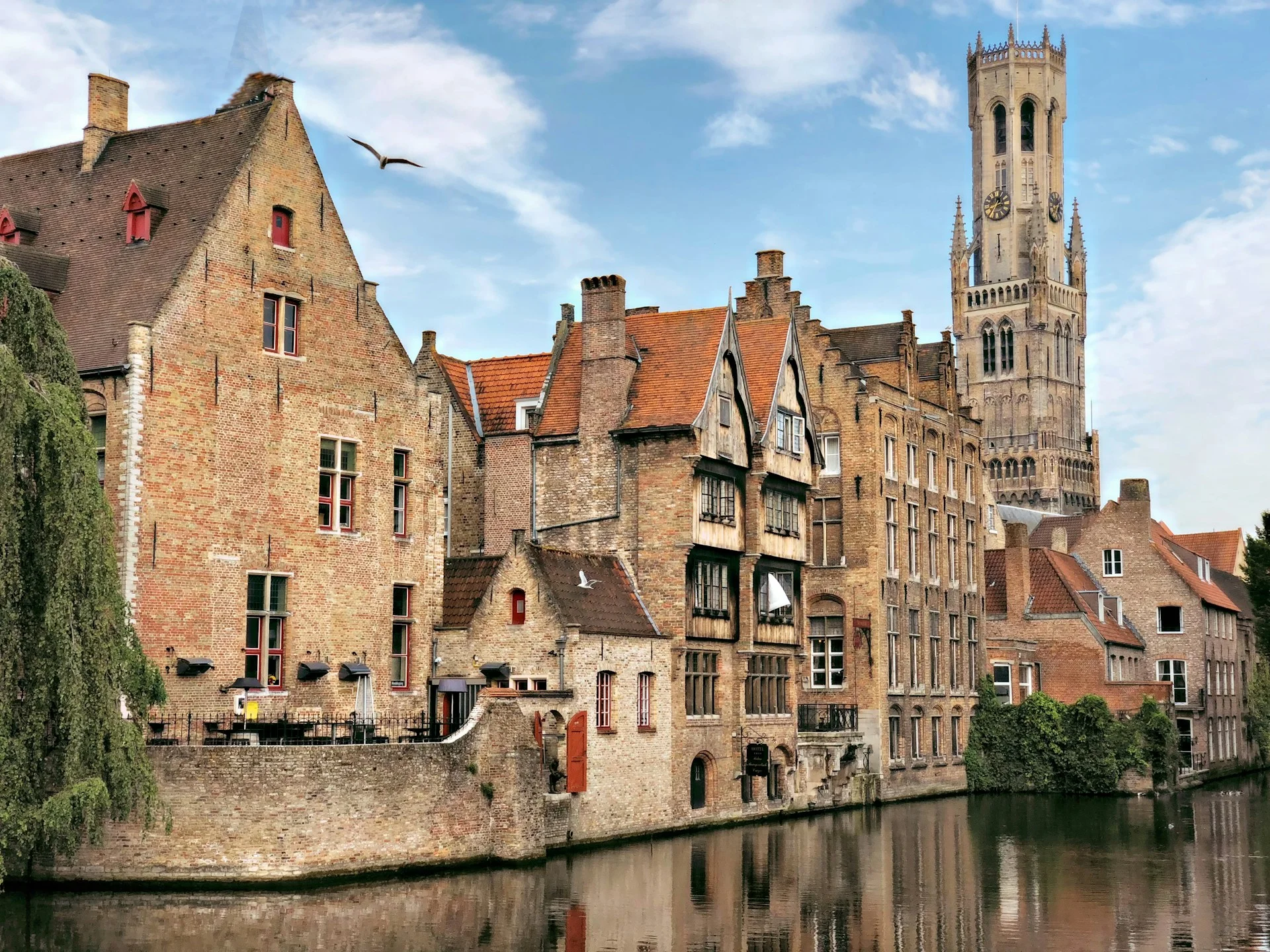
Immobili secondari approvati dagli esperti a BrugesTorri, cigni e case secolari
Migliori offerte
a Bruges
Secondary real estate in Bruges

Practical living
Bruges resale properties are primarily used for full-time urban and family life, with layouts accommodating daily routines, commuting to local schools or workplaces, and integration of storage and workspace, rather than short-term or tourist stays
Diverse demand
The secondary housing market in Bruges attracts local residents, domestic movers, and international buyers seeking established neighborhoods with reliable services and historical character, providing consistent turnover and stable liquidity
Verified process
Transaction safety relies on confirming clear title, verified seller authority, up-to-date service charges, and proper condominium compliance, with VelesClub Int. guiding buyers through structured verification to reduce legal and financial risk
Practical living
Bruges resale properties are primarily used for full-time urban and family life, with layouts accommodating daily routines, commuting to local schools or workplaces, and integration of storage and workspace, rather than short-term or tourist stays
Diverse demand
The secondary housing market in Bruges attracts local residents, domestic movers, and international buyers seeking established neighborhoods with reliable services and historical character, providing consistent turnover and stable liquidity
Verified process
Transaction safety relies on confirming clear title, verified seller authority, up-to-date service charges, and proper condominium compliance, with VelesClub Int. guiding buyers through structured verification to reduce legal and financial risk
Caratteristiche principali
in Belgio, Bruges dai nostri specialisti
Trovati: 16
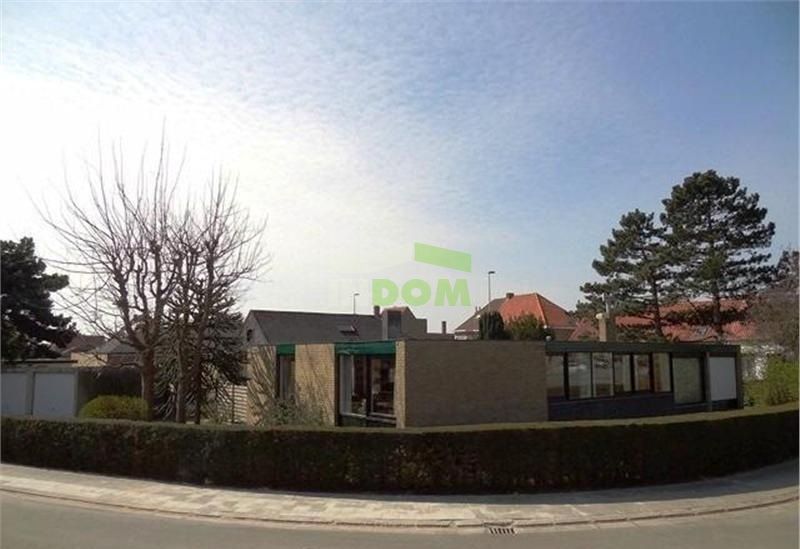
Spaziosa villa 4+1 con terrazza soleggiata a Bruges
832 m2

Su richiesta

4

351 803 $
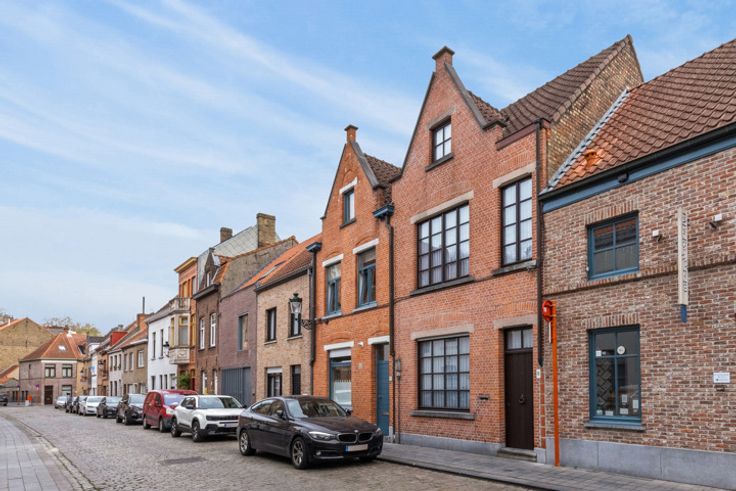
Casa rinnovata 3+1 a Bruges, Belgio
Casa
139 m2
2
3
382 321 $
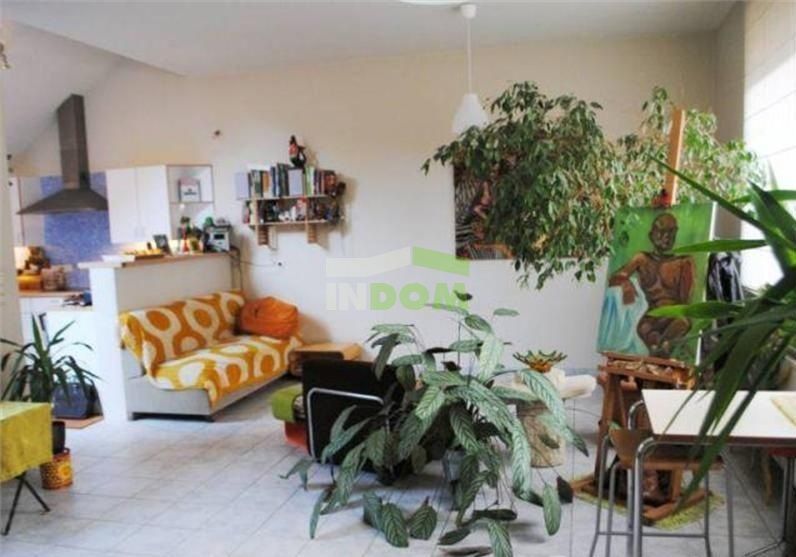
Lussuosa villa 3+1 accanto alla scuola a Bruges
114 m2
Su richiesta
3
405 935 $
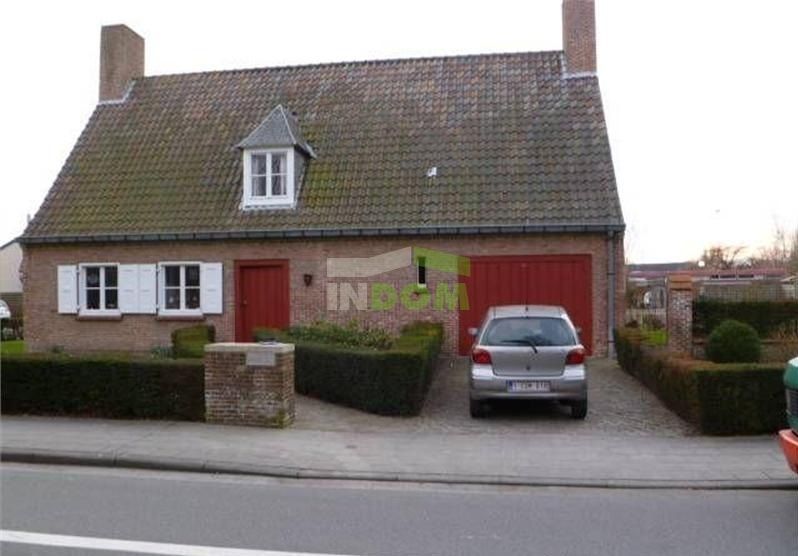
Elegante villa 3+1 vicino a scuola a Bruges
598 m2
Su richiesta
3
445 926 $

Villa di lusso 3+1 nel quartiere storico di Bruges
596 m2
Su richiesta
3
504 810 $
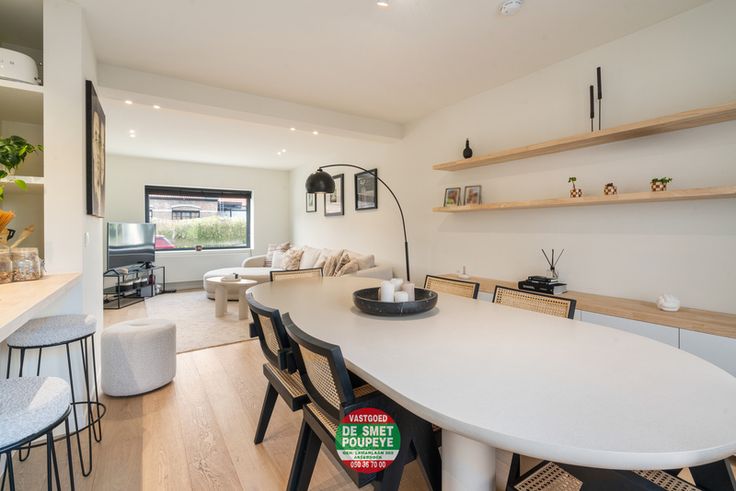
Casa familiare 4+1 a Bruges, Belgio
Casa
175 m2
3
4
570 006 $
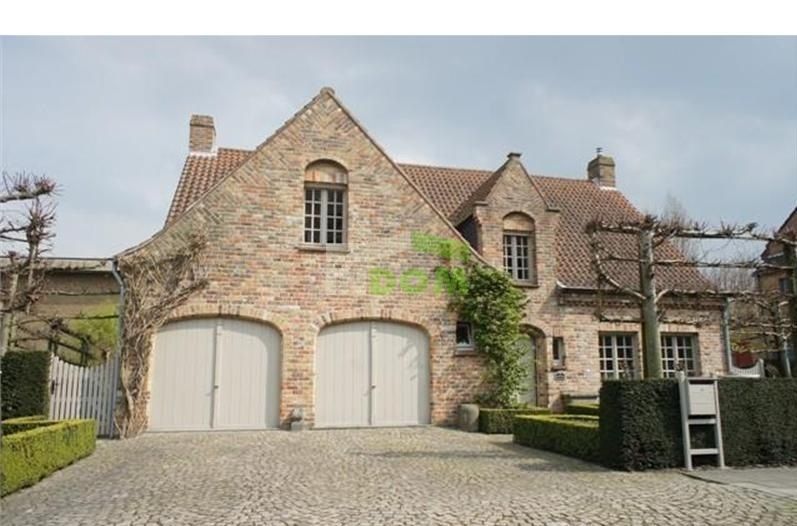
Villa confortevole 3+1 con giardino d'inverno nella storica Bruges
257 m2
Su richiesta
3
749 507 $
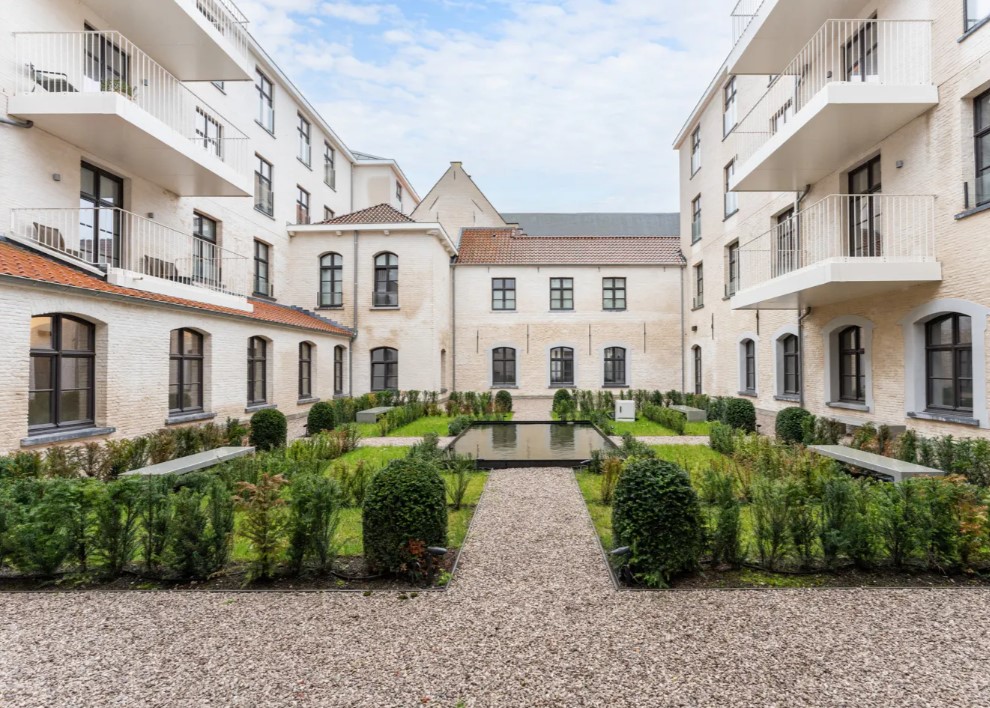
Appartamento 2+1 luminoso a Bruges, Belgio
appartamento
146 m2
2
2
934 948 $
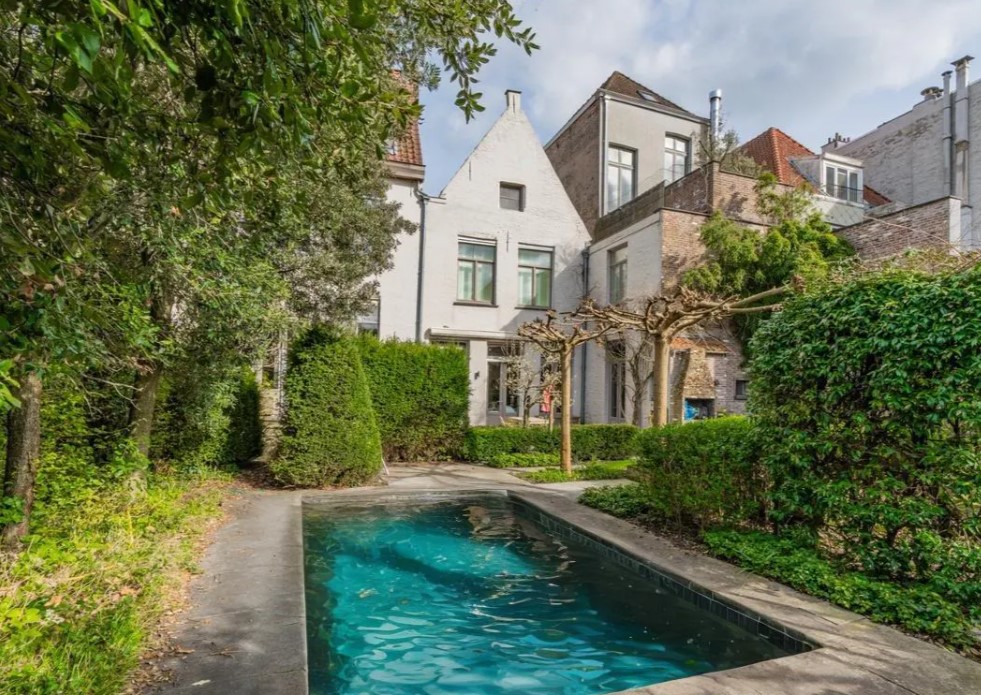
Casa a schiera 4+1 per famiglie a Bruges, Belgio
villetta a schiera
266 m2
2
4
1 522 331 $
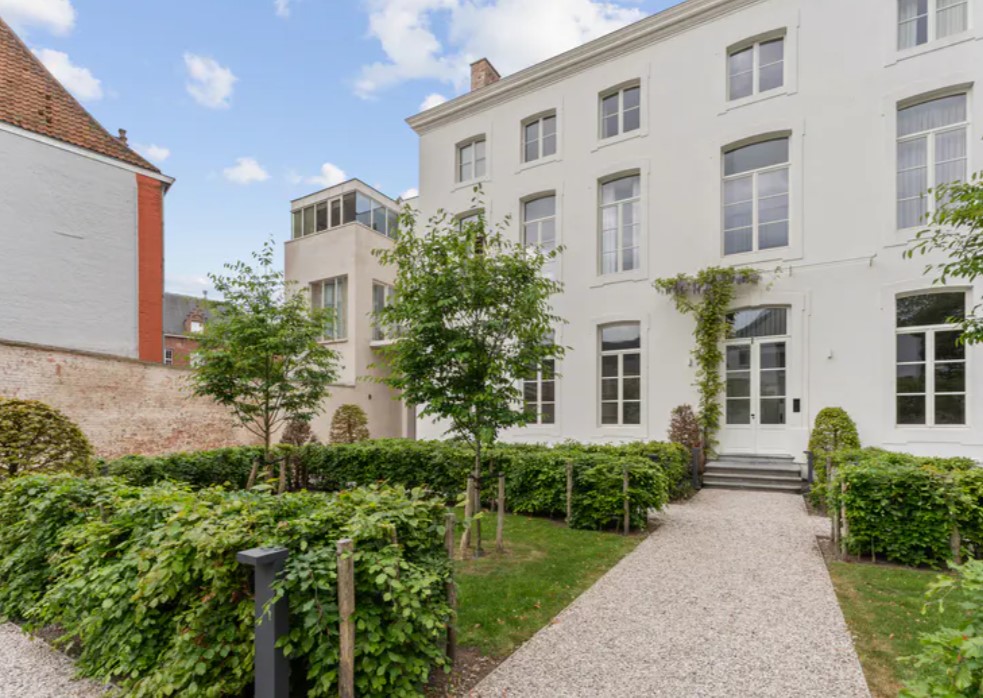
Accogliente appartamento 2+1 a Bruges, Belgio
appartamento
221 m2
2
2
1 587 210 $
Articoli utili
e raccomandazioni da esperti
Secondary real estate in Bruges of Belgium - understanding the resale property market
Why the secondary market works in Bruges of Belgium
Secondary real estate in Bruges functions as the practical backbone of the city’s housing market. Buyers prioritize established buildings with proven livability, familiar neighborhood dynamics, and existing infrastructure over speculative projects.
The city’s historic core and surrounding districts are largely built-out, limiting new construction. Resale properties therefore provide the majority of accessible housing options, with predictable building quality, known street patterns, and reliable public services.
Bruges has a structured condominium and co-ownership system in many areas, allowing buyers to anticipate monthly fees, maintenance responsibilities, and governance. Visibility into these costs supports confidence and stability in the secondary market.
The market also benefits from a variety of buyers. Local families, regional movers, and international professionals all participate in resale transactions, which reduces dependence on any single buyer segment and maintains consistent turnover.
Practicality drives demand. Buyers choose properties that support daily life—commuting, schooling, shopping, and leisure—rather than focusing solely on aesthetic or tourist-oriented appeal, ensuring stable liquidity and continued market activity.
Who buys on the secondary market in Bruges of Belgium
Local families form the primary buyer group, valuing proximity to schools, transport links, and everyday services. They favor resale properties for immediate functionality, well-documented ownership, and predictable building management.
Domestic movers from other parts of Belgium often prioritize neighborhood quality, access to workplaces, and property condition. Resale apartments and houses allow them to move in immediately without waiting for construction completion.
International buyers are present, particularly expatriates or professionals relocating for work. They focus on neighborhoods with proven stability, clear ownership, and transparent management. These buyers enhance market diversity and support liquidity.
Investors typically act cautiously, favoring units that appeal to owner-occupiers to ensure future resale potential. The combined presence of multiple buyer types sustains the secondary housing market in Bruges.
Across all segments, practical usability is the decisive factor. Buyers evaluate units for daily routines, storage, commuting ease, and neighborhood services, rather than transient trends or purely aesthetic considerations.
Property types and price logic in Bruges of Belgium
Location is a primary determinant of price. Central historic districts, canal-adjacent areas, and peripheral residential zones each exhibit different demand, liquidity, and price sensitivity. Buyers must evaluate access, noise exposure, and service availability when assessing resale properties.
Building quality and management influence pricing more than age. Well-maintained older buildings with reliable co-ownership structures and functional communal areas can command higher prices than newer units in less carefully managed blocks.
Apartment layout and usability strongly affect marketability. Efficient room organization, natural light, and practical storage are critical. Highly personalized layouts may reduce appeal and prolong resale timelines.
Renovation assessment should focus on essential systems: plumbing, electrical, and roof integrity. Cosmetic updates are secondary. Verification via documentation or receipts is essential to gauge both quality and compliance.
Liquidity also depends on realistic buyer alignment. Units that are too large, specialized, or uniquely configured may sell more slowly, even in attractive neighborhoods. Understanding likely buyer pools ensures informed pricing decisions.
Legal clarity in Bruges - what matters in a secondary purchase
Clear and verifiable documentation is essential. Buyers must confirm that the seller holds full legal authority and that property registration matches official records. Any discrepancy should halt the transaction until clarified.
Condominium and co-ownership compliance is critical. Verify monthly charges, pending assessments, and management transparency. Request written confirmation or official minutes of recent meetings to confirm financial stability.
Outstanding taxes, including municipal and regional levies, must be verified. Request proof of payment to avoid inheriting debts or liabilities. Delays or incomplete records are a signal to pause negotiations.
Occupancy and delivery conditions must be explicit. Confirm that the property will be handed over vacant and that utility transfers are arranged. Any uncertainty increases post-closing risk and should be resolved prior to signing.
VelesClub Int. guides buyers through a structured verification process, ensuring legal, financial, and administrative checks are completed early, minimizing potential complications and delays.
Areas in Bruges - why the market is not uniform
Bruges presents a mix of historic city center, canal-adjacent districts, and modern residential neighborhoods. Each micro-market exhibits different pricing, liquidity, and buyer profiles.
Central districts are highly sought for accessibility and prestige, resulting in faster resale cycles. Peripheral residential areas may offer more space and lower prices, but transactions may take longer due to smaller active buyer pools.
Vertical living in multi-unit buildings is common in some neighborhoods, making building governance and co-ownership rules decisive for resale speed and buyer interest. Strong management ensures smoother transactions and reliable occupancy.
Historic and canal-side areas offer charm but may involve additional maintenance obligations or restrictions. Buyers should weigh preservation requirements, renovation limits, and ongoing fees against the lifestyle appeal.
Classifying neighborhoods functionally—commuting convenience, family-oriented zones, historic appeal, and building governance—helps buyers make rational comparisons and avoid misleading price assumptions.
Secondary vs new build in Bruges - a rational comparison
Secondary properties offer immediate occupancy and visibility into actual living conditions. Buyers can assess unit functionality, neighborhood dynamics, and building maintenance firsthand.
New builds offer modern amenities and standardized layouts but often involve waiting periods and uncertainty regarding neighborhood development. Location value and community stability may not be fully established.
Resale properties in Bruges provide known usability, verified maintenance histories, and established neighborhoods, often translating into stronger long-term liquidity and more predictable living conditions.
The main tradeoff is diligence: secondary purchases require structured verification of documents, building condition, and legal compliance. When conducted systematically, this reduces risk compared to speculative new builds.
Choice depends on priorities: immediate usability, proven location, and verified building management favor secondary properties; design uniformity and modern aesthetics may favor new builds.
How VelesClub Int. in Bruges helps you buy secondary property correctly
VelesClub Int. structures the purchase process for resale properties in Bruges, helping buyers prioritize practical usability, legal verification, and neighborhood suitability. Guidance focuses on operational steps rather than promotional claims.
Defining criteria early—unit size, layout efficiency, and building management quality—ensures time is spent on properties that meet real-life needs.
VelesClub Int. sequences ownership verification, co-ownership checks, and tax compliance, ensuring that potential legal or financial issues are addressed early, reducing risk and preventing delays.
Systematic comparison of multiple options allows buyers to balance location, usability, and long-term liquidity, enabling confident navigation of Bruges’ secondary housing market.
Frequently asked questions about secondary market in Bruges of Belgium
How can I verify co-ownership or condominium fees?
Request written statements of fees, recent meeting minutes, and confirmation of any special assessments. Ensure management is transparent and responsive. Lack of documentation is a red flag.
What renovation aspects matter most?
Focus on structural and systems upgrades: plumbing, electrical, and roof condition. Cosmetic improvements are secondary. Documentation or receipts are required to confirm quality and compliance.
Do canal-side locations guarantee resale speed?
No. While scenic areas attract interest, resale depends on building maintenance, layout efficiency, and neighborhood infrastructure. Evaluate actual usability rather than aesthetic appeal alone.
How can I confirm the seller’s authority?
Check property registration, confirm all owners are accounted for, and request notarized authorization if a third party is acting. Any ambiguity should halt the transaction.
Which taxes and charges must I check?
Verify municipal taxes, regional levies, and any co-ownership obligations. Ensure payment proof is provided. Incomplete or missing records should pause the purchase.
Is buying remotely feasible?
Yes, but only with thorough document verification. Maintain a single communication channel and do not proceed based on verbal assurances alone.
How do I assess price fairness?
Compare recent sales in the same micro-location and building type. Account for layout, maintenance, and co-ownership quality. Unexplained price differences should be investigated or negotiated.
Conclusion - you understand the market in Bruges, now you can choose
Secondary real estate in Bruges of Belgium rewards buyers who focus on practical usability, clear documentation, and neighborhood understanding. Structured evaluation reduces risk and supports confident decisions.
The market provides diverse functional properties, but liquidity and pricing vary by area and building condition. Applying consistent criteria enables buyers to navigate options effectively.
When ready, explore resale apartments in Bruges systematically and engage VelesClub Int. to guide verification and transaction management from initial review to final handover.