
Immobili senza intermediari a CharlestonAcquisto diretto di immobili senza commissioni aggiuntive
Migliori offerte
a Carolina del Sud
Real estate from owners in Charleston


Price steps
Charleston buyers see price steps between historic peninsula condos, houses in Harleston Village and South of Broad, quieter streets in West Ashley and family areas on James Island when direct owner sales reveal asking levels.
Condition clarity
Owners in South of Broad, French Quarter and Harleston Village explain room use, outdoor care and storage, giving buyers a grounded sense of overall condition before they decide which points deserve extra attention from professionals.
Area routines
Residents selling directly describe streets near the Battery, daily life in Harleston Village, errands in West Ashley and school runs on James Island, so buyers link sale by owner homes with routes they can picture.
Price steps
Charleston buyers see price steps between historic peninsula condos, houses in Harleston Village and South of Broad, quieter streets in West Ashley and family areas on James Island when direct owner sales reveal asking levels.
Condition clarity
Owners in South of Broad, French Quarter and Harleston Village explain room use, outdoor care and storage, giving buyers a grounded sense of overall condition before they decide which points deserve extra attention from professionals.
Area routines
Residents selling directly describe streets near the Battery, daily life in Harleston Village, errands in West Ashley and school runs on James Island, so buyers link sale by owner homes with routes they can picture.








Articoli utili
e raccomandazioni da esperti
Owner listed real estate structure in Charleston
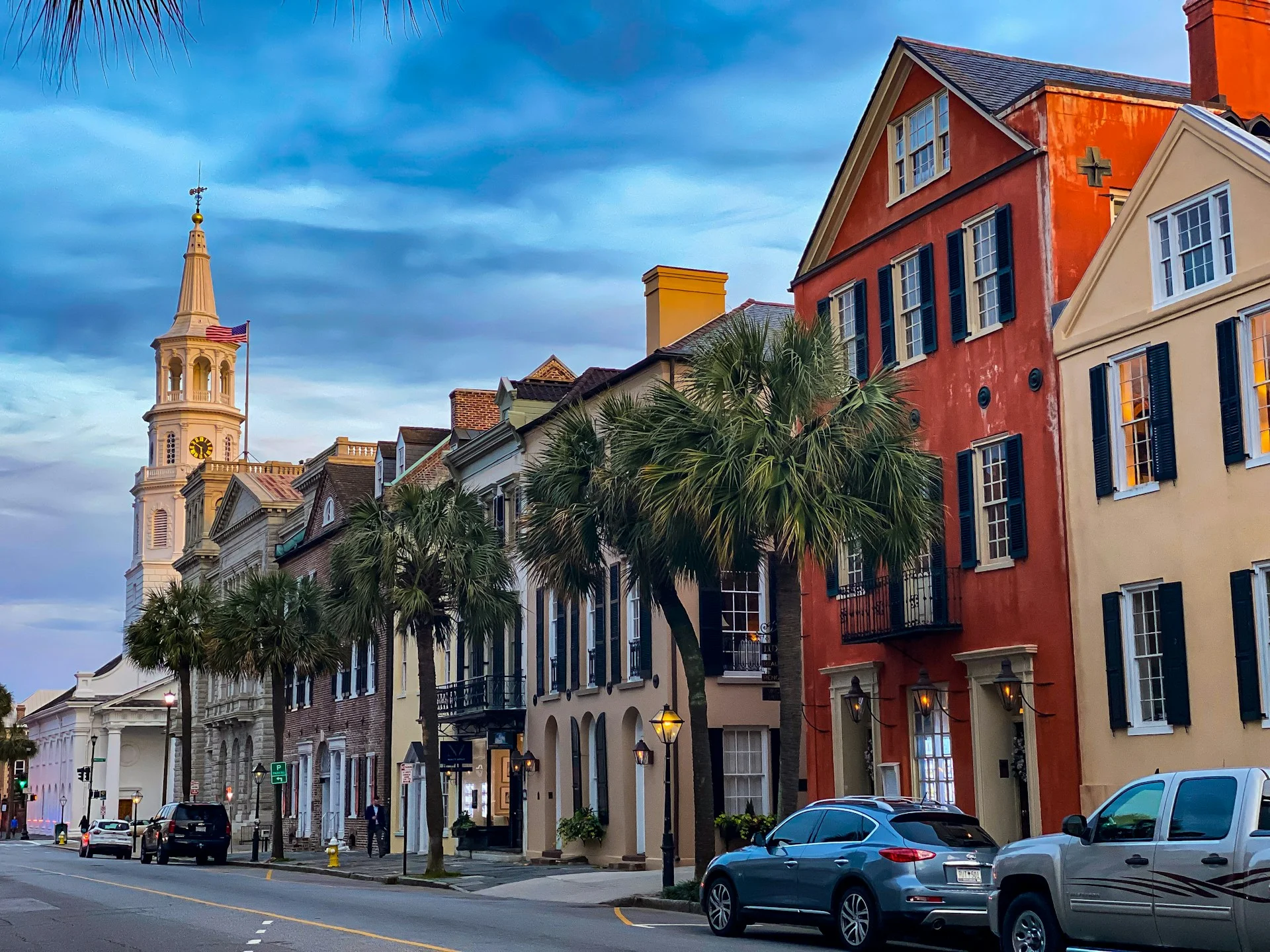
Charleston is built across a historic peninsula, large residential districts west of the Ashley River and island neighborhoods that extend toward the coast. The city includes South of Broad, the French Quarter, Harleston Village and Wagener Terrace on the peninsula, then West Ashley, James Island, Johns Island and Daniel Island beyond the bridges. Each area holds its own mix of houses, townhomes and small apartment buildings. A buyer who wants to find homes for long term living needs to see how these pieces fit together before they decide where to focus their search.
In this section some homes appear as properties listed directly by owners with no buyer commission. These sit alongside other real estate for sale in Charleston. Owners describe how they use porches, yards and garages, how they move between home, King Street, Waterfront Park, Hampton Park, Avondale in West Ashley and main routes toward James Island and Daniel Island. When buyers combine this detail with legal support and technical checks, they do more than compare numbers. They build a practical map of real estate that shows how each address supports daily routines.
The housing stock runs from narrow historic homes on the peninsula to larger houses in West Ashley and island subdivisions. Some streets near South of Broad and the French Quarter hold attached or closely spaced houses with compact outdoor areas. Harleston Village mixes townhomes, small multifamily buildings and detached houses close to the colleges and the hospital area. Wagener Terrace sits farther north on the peninsula with streets of bungalows and cottages near Hampton Park. West Ashley contains long established neighborhoods and newer clusters near commercial corridors. James Island, Johns Island and Daniel Island bring a wide range of houses and townhomes in planned communities and older pockets. People who want to find a property that fits their life look across these formats rather than treating Charleston as one uniform market.
Why Charleston attracts buyers reviewing owner listings
Buyers come to Charleston for work, study, family connections and the character of the city. Some work in offices and institutions on the peninsula near King Street, Broad Street and Calhoun Street. Others have roles in medical centers and colleges around Harleston Village and the nearby hospital complex. Many jobs sit in business parks and retail corridors in West Ashley, on Daniel Island and along the routes that lead into North Charleston. Families and long term residents often choose Charleston because they want a city that supports both local community life and regional opportunities.
Each of these groups reads owner material differently. A professional based in an office near Broad Street wants to understand whether a condo in the French Quarter or a house in Harleston Village allows them to walk to work, or whether they will rely on a short drive from Wagener Terrace or West Ashley. A family that plans to live on James Island pays attention to descriptions of school routes, play spaces, local churches and shopping areas along Maybank Highway and Folly Road. Someone whose work is spread between the peninsula and industrial areas near the riverside corridors may study owner accounts from Daniel Island and West Ashley to see how those locations handle commuting.
Because these accounts show real weekly patterns, they help buyers decide whether buying homes in Charleston matches their own habits. An owner in South of Broad may describe early morning walks along the Battery, how they manage guests during busy weekends and how far they travel for weekly errands. A seller in West Ashley can outline how they combine local services in Avondale with trips across the Ashley River bridges into the peninsula. A resident on James Island may talk about the balance between local routines and drives toward Downtown. These voices turn a general interest in Charleston real estate into specific choices about districts.
Types of owner listed properties in Charleston
The peninsula holds many of the most recognisable Charleston streets. South of Broad and the French Quarter contain historic houses, narrow lots and small multifamily properties near civic and cultural buildings. Many of these homes have been adapted over time to support modern layouts while keeping traditional street fronts. Owners listing sale by owner homes in these districts usually explain how rooms are arranged today, how they use porches and courtyards, and how they handle parking where spaces are limited.
Harleston Village and Radcliffeborough sit close to colleges and medical centers. Here buyers find townhomes, compact houses and small apartment buildings within walking distance of classrooms, clinics and King Street. Owner written descriptions from these streets often mention quiet times for study, patterns of student and staff movement, and the way residents share on street parking. People who want to find property that works for academic or medical careers often consider these neighborhoods first.
Farther north on the peninsula, Wagener Terrace and parts of North Central include bungalows, cottages and traditional houses near Hampton Park and community facilities. Residents selling directly from these districts talk about how they use the park, local schools, neighborhood businesses on Rutledge Avenue and short drives or rides into the central grid. Buyers who want a mix of residential calm and simple access to Downtown real estate for sale pay close attention to this part of the city.
Across the river in West Ashley, housing types vary with distance from the peninsula and from major roads. Established neighborhoods near the original bridges blend ranch style houses, two story homes and townhomes on tree lined streets. Planned communities farther out include larger houses on internal loops with shared access to local parks and shopping corridors. Owner listings from West Ashley describe how people use the Avondale commercial area, main roads such as Savannah Highway and Sam Rittenberg Boulevard, and connectors into the city.
Island neighborhoods add another layer. James Island offers older pockets of houses along Riverland Drive and Fort Johnson Road as well as newer subdivisions near main corridors. Johns Island includes a mix of long held properties along rural style roads and newer communities closer to the main highway. Daniel Island presents a planned structure of houses, townhomes and small multifamily buildings with internal commercial streets and offices. In these areas owners describe storage for outdoor equipment, access to schools and workplaces, and how they move between island streets and the peninsula. Their words help buyers understand where island living fits within the wider Charleston housing map.
How private owner listings work in Charleston
Some of the entries in this section are no agent property listings from owners in this area. In those cases verified owners write the description, answer questions and arrange viewings. There is no buyer commission, so conversations can focus on how the property fits a long term plan rather than on fee structures. Buyers can ask about general upgrade history, typical running costs, how storage is used and which parts of the home carry most of the daily load.
Charleston benefits especially from this kind of direct exchange because small differences between streets can change the feel of a house. A seller in the French Quarter can explain what it means to live near night activity on some blocks while having quiet side streets a short walk away. A resident in Harleston Village may talk about how they handle traffic near the colleges and how they move between home and the hospital complex. Someone in West Ashley can describe the difference between living near a busy corridor and living deeper in a subdivision where most traffic is local. On James Island or Daniel Island, owners might outline their mix of local errands, trips to the peninsula and regional travel.
After reading several listing fsbo entries, buyers arrive at viewings with a clear list of points that deserve deeper study. They know whether they care more about parking, sound levels, storage, guest space or access to a specific bridge. This lets them use professional support in a focused way while keeping the personal insight that comes from owner written material.
Market patterns and pricing in Charleston
Prices in Charleston form a series of steps between districts. On the historic peninsula, especially in South of Broad and the French Quarter, values for houses and multiunit properties sit at some of the highest levels in the city. Here buyers often trade interior size and parking convenience for location, architecture and walkable access to services. Harleston Village and nearby streets show a mix of strong prices for well positioned houses and more moderate levels for smaller townhomes or units closer to campus activity.
Wagener Terrace and North Central create another band of pricing. Houses near Hampton Park often attract steady demand because they combine neighborhood character, park access and shorter commutes into the core. Buyers who watch property for sale here across several months learn how values shift with distance to the park and with interior updates. They can then move quickly when a house appears that fits both budget and routine.
Across the river, West Ashley shows a wide spread of values. Older neighborhoods closer to the peninsula may carry higher prices for renovated houses with easy bridge access, while deeper subdivisions offer room and yard space at more accessible levels. Buyers interested in buying houses here often compare three elements at once. They weigh commute time to the peninsula, local school and service options, and the condition of each home. Owner asking prices, combined with clear descriptions of how the house works day by day, help them read these tradeoffs.
James Island and Daniel Island add further patterns. Some James Island streets near main corridors and established schools draw strong interest, while other pockets provide more moderate entry points for buying homes with yard space. Daniel Island real estate runs from townhomes near internal commercial streets to larger houses facing parks and water. Johns Island contains both long established homes and newer subdivisions where price levels are still forming. Across all of these areas, buyers who rely only on headline numbers risk missing how each step on the price ladder connects to lifestyle. Owner written information closes that gap.
District and area overview for property search in Charleston
Splitting Charleston into practical search zones makes it easier to match districts with personal needs.
- South of Broad and the French Quarter sit at the tip of the peninsula with historic houses, narrow streets and a strong civic presence. Residents here move on foot between home, the Battery, Waterfront Park and central offices, often using cars only for larger errands.
- Harleston Village and Radcliffeborough hold townhomes, small apartment buildings and houses near colleges and medical centers. Daily life in these streets often blends study, work, short walks to King Street and regular use of Marion Square and nearby parks.
- Wagener Terrace and North Central stretch around Hampton Park with bungalows and cottages on a clear grid. Households in this zone value the park, local schools and a mix of neighborhood businesses and short drives into the core.
- West Ashley covers a wide area west of the Ashley River, including established neighborhoods near the bridges and larger subdivisions farther out. Residents depend on Savannah Highway and Sam Rittenberg Boulevard for many trips and use local centers such as Avondale for services.
- James Island offers a mix of older pockets and newer communities linked by Maybank Highway and Folly Road. Homes here appeal to people who want a separate local center with schools and parks while keeping access to Downtown within a manageable drive.
- Johns Island and Daniel Island each add their own structure. Johns Island combines rural style stretches with growing subdivisions near main roads. Daniel Island has a planned fabric of houses, townhomes, parks and internal commercial streets that support both work and family life.
By reading how owners describe life in each of these zones, buyers can narrow a broad citywide search to a small group of districts that truly suit their routines.
Who typically buys in Charleston
Charleston attracts several recurring buyer profiles. Professionals who work on the peninsula in law, finance, public service and creative fields often begin their search in the French Quarter, South of Broad, Harleston Village and Radcliffeborough. They look for real estate that lets them reach offices, courts and meeting spaces on foot or by very short drives. Some accept compact homes in exchange for this access, while others choose townhomes just outside the core.
Medical staff, academics and students tied to the hospital complex and colleges usually focus on Harleston Village, Radcliffeborough, Wagener Terrace and parts of North Central. They need layouts that support long or irregular hours, study space and simple routes to campus. Owner descriptions that explain how noise, parking and shared spaces work at night and early in the morning carry particular weight for these buyers.
Families and long term residents who want more room typically look toward West Ashley, James Island, Johns Island and Daniel Island. They weigh school districts, yard size, storage, play space and travel time toward work areas on the peninsula and in regional job centers. For them, buying houses is less about a single landmark street and more about matching routine needs across several parts of the week. Owner accounts that describe school runs, use of parks, church networks and local shopping rhythms help them choose between districts.
Another group is made up of people who have known Charleston for years as visitors or part time residents and now want a permanent base. Some of them choose condos or small houses on the peninsula so they can stay close to familiar streets. Others decide that they prefer the pace of island or West Ashley life. For this group, sale by owner homes provide clarity on how occasional visits differ from daily life and which locations feel balanced across the whole year.
Example scenarios of owner listed purchases in Charleston
One buyer worked in a law office near Broad Street and had been renting in a distant suburb. They wanted to shorten travel time and live within walking distance of the office and the central civic area. General adverts for condos in the French Quarter did not say much about stair access, parking habits or sound levels on nearby streets. By reading several owner written entries in this section, the buyer learned how residents handled deliveries, where guests usually parked and which blocks stayed calmer at night. They selected a small condo described by an owner whose routine matched their own plans and then used professional advice to review the property.
A second scenario involves a family moving from another region. They needed a house with a yard, space for remote work and clear routes to schools. Their search focused on West Ashley and James Island. Listing fsbo entries described morning traffic on the bridges, school drop off patterns, weekend use of local parks and grocery trips along Savannah Highway and Folly Road. One West Ashley house near a quieter internal street stood out because the owner gave a detailed picture of life with children there. After further checks the family decided that this location met their needs.
A third example concerns a couple who had rented on the peninsula for years but wanted to buy in a neighborhood with a strong residential character and access to green space. They compared no agent property listings in Wagener Terrace and North Central. Owners wrote about walking to Hampton Park, using local schools and moving between neighborhood businesses and Downtown workplaces. The couple chose a bungalow on a block that several owners had described as stable and community focused and confirmed the decision with legal and technical review.
Frequently asked questions for buyers in Charleston
People often ask where to start when searching for real estate in Charleston. A useful first step is to write down regular destinations. That list might include an office on the peninsula, a hospital or college, schools, favorite parks, places of worship and key shopping corridors. With this in mind, buyers can read owner material from South of Broad, the French Quarter, Harleston Village, Wagener Terrace, West Ashley, James Island, Johns Island and Daniel Island and see which areas match their real movements.
Another common question is whether to focus on houses on the peninsula or on properties beyond the rivers. Peninsula homes place residents close to central institutions, events and historic streets but often involve compact outdoor areas and more complex parking. West Ashley and the islands generally provide larger lots, garages and more flexible layouts for buying homes, at the cost of longer drives into central Charleston. Buyers who want to find homes that fit their days compare real owner accounts from each side before deciding.
Buyers also ask how much they can rely on owner written information. Homes offered directly by verified owners in this section give a clear picture of how spaces are used and how routines work. At the same time, serious buyers still engage legal and technical experts. Owner descriptions guide those experts toward the points that matter most, such as structure, access, services and local rules, so that later reports respond directly to buyer concerns.
A further question comes from people who live in other states and cannot visit many times. They want to know whether this section can help them build a focused shortlist. Many remote buyers read several sale by owner homes from each district, note repeated themes about commutes, noise levels, storage and community life, and then choose a small group of addresses for in person visits. This approach allows them to treat Charleston not as a distant idea but as a set of concrete options.
Conclusion: Why explore owner listings in Charleston
Charleston brings together a compact historic peninsula, broad districts west of the river and steadily growing island neighborhoods. The result is a city where each area has a clear role. Some districts deliver dense streets and immediate access to civic life. Others focus on yards, schools and wider internal space. Island communities provide their own centers while staying linked to the peninsula and regional roads. Across this structure, real estate for sale in Charleston offers many ways to build a long term base.
By using this section, which includes sale by owner homes and other property for sale, buyers can see how individual addresses connect to work, family obligations, storage needs and preferred public spaces. They can compare several no agent property listings in the same area, read how owners describe daily life and then bring in professionals once a shortlist is clear. For anyone serious about buying houses or trying to find property in Charleston, attention to owner accounts, steady comparison between districts and a focus on long term routines turns a complex coastal city into a set of understandable choices where it becomes realistic to find homes that genuinely support the life they want to lead.