
Buying FSBO homes in PolandStraightforward FSBO purchases with full clarity
Best offers
in Poland
Real estate from owners in Poland

Central European manufacturing expansion
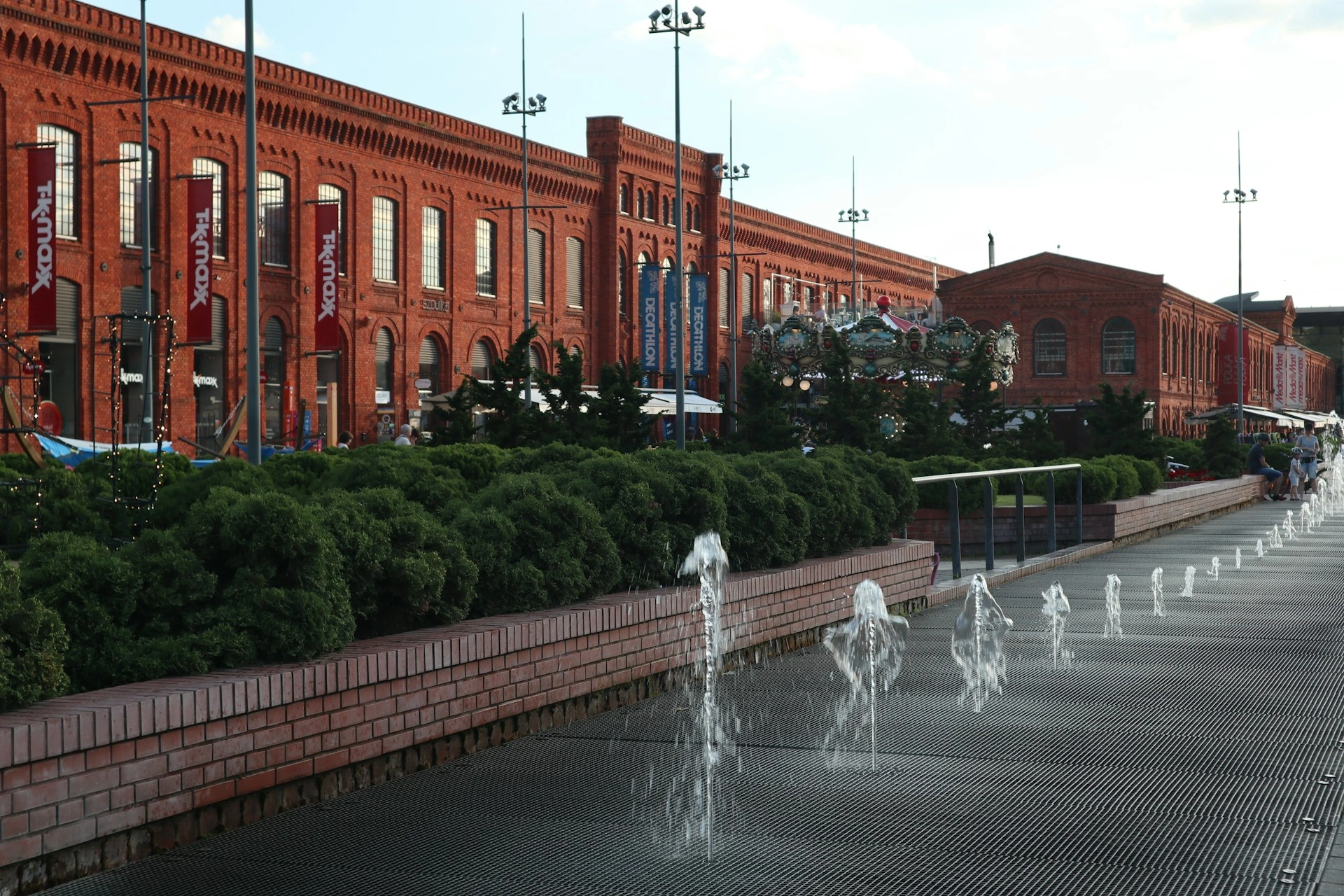
Poland's position as Europe's primary manufacturing relocation destination creates specialized industrial property demand along highway corridors. Former state-owned factories now host international production facilities with customized infrastructure needs. Purchasing directly from owners provides access to transitional industrial assets.
Historical center regeneration
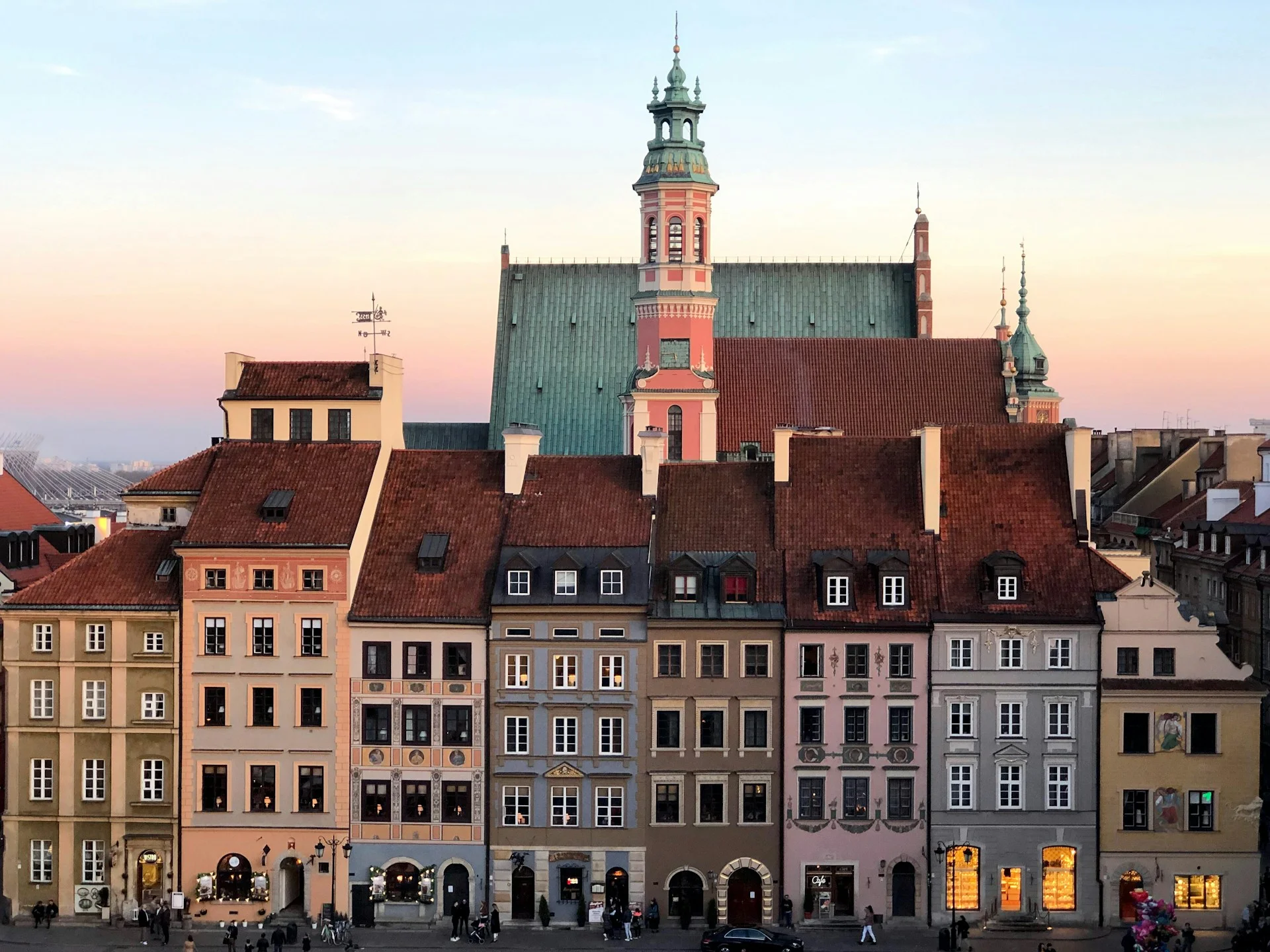
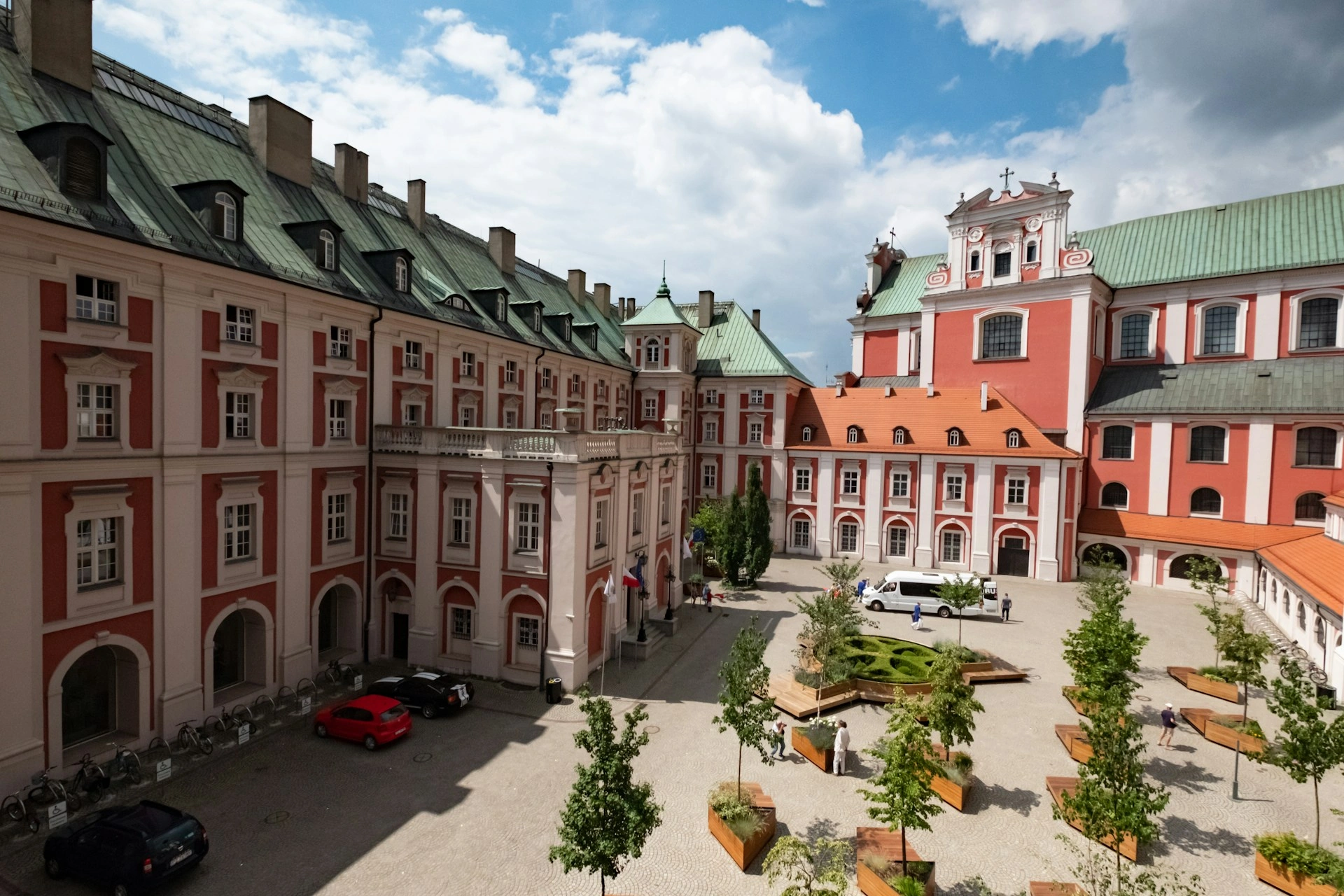
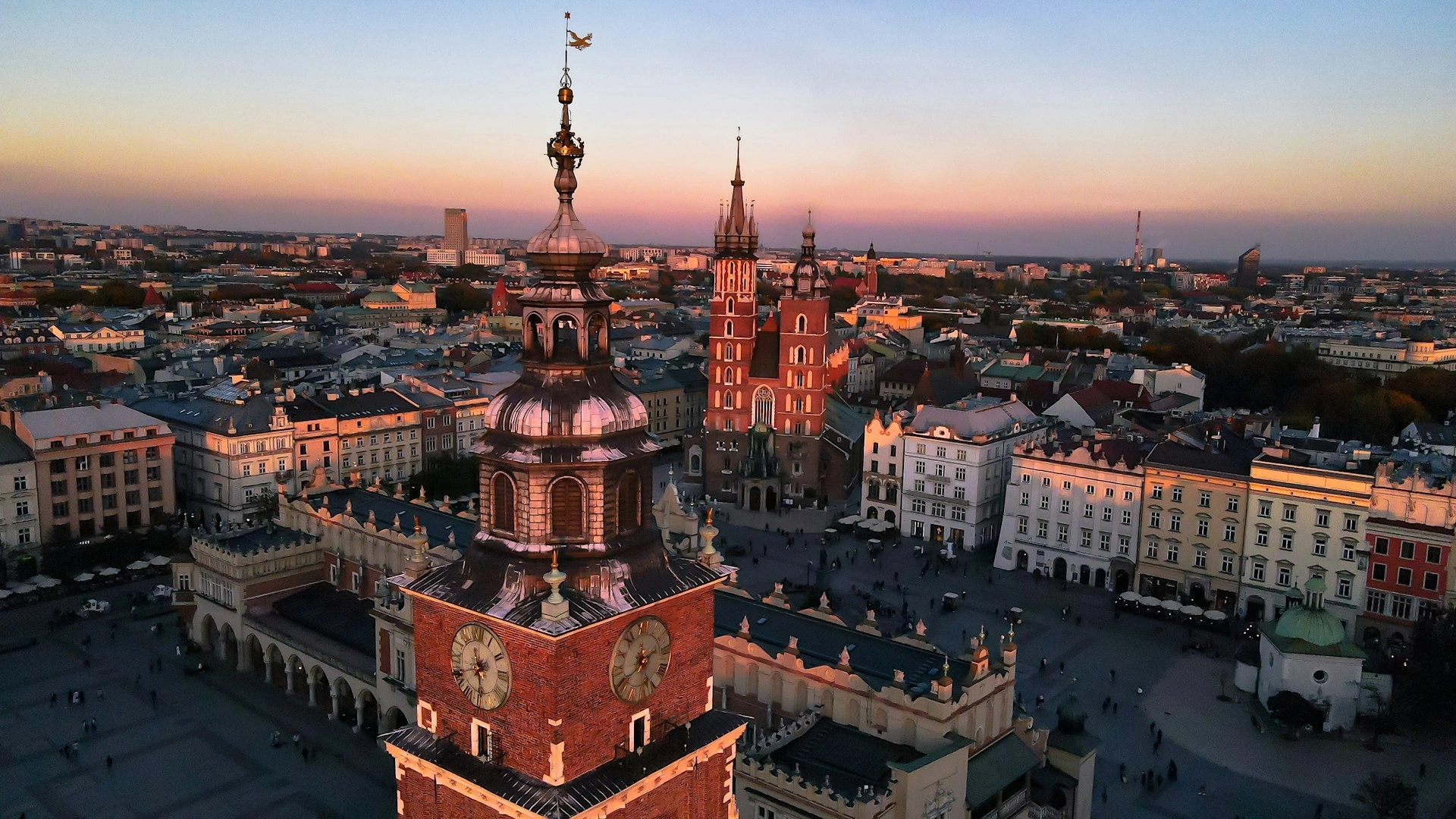
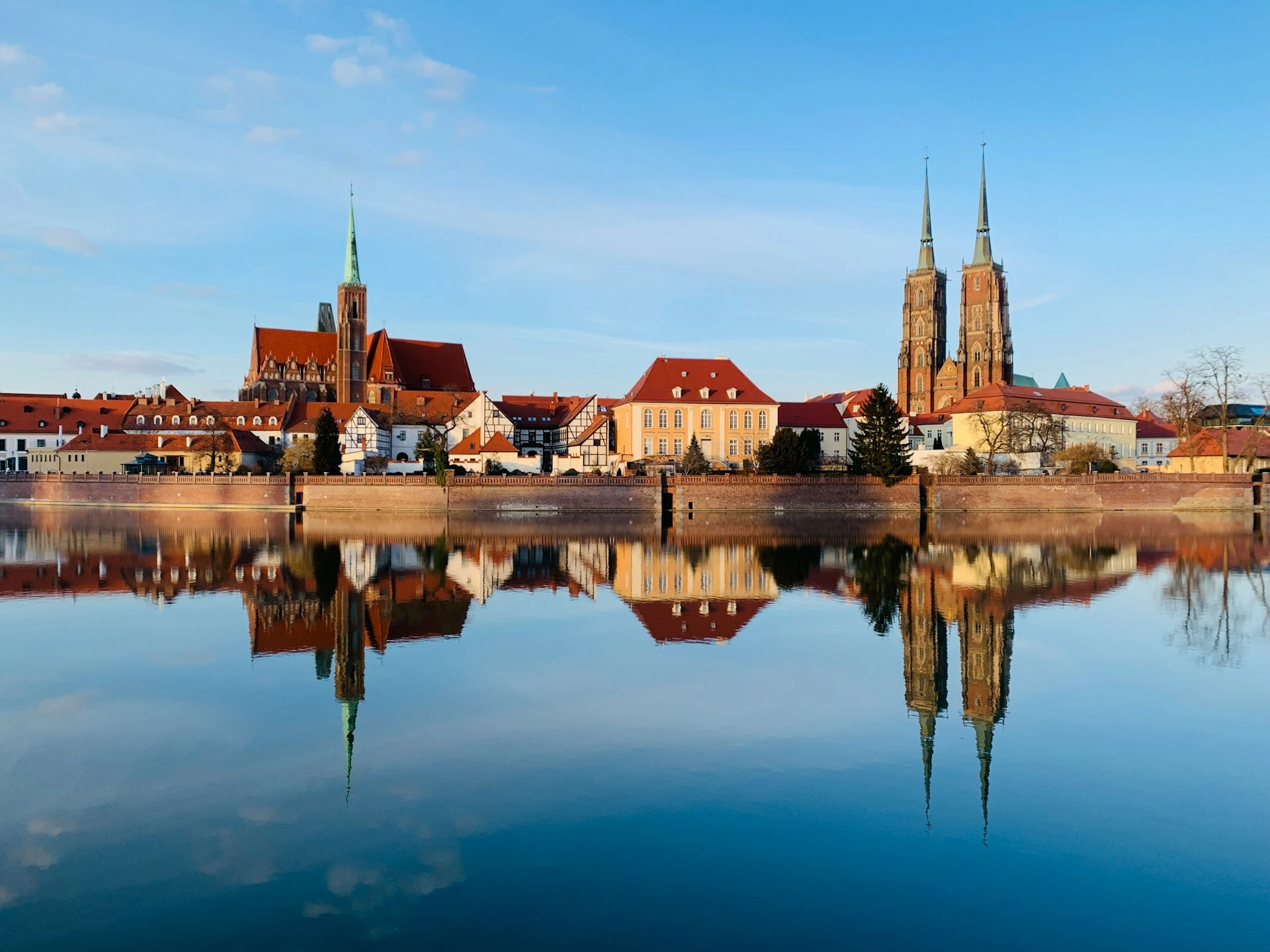
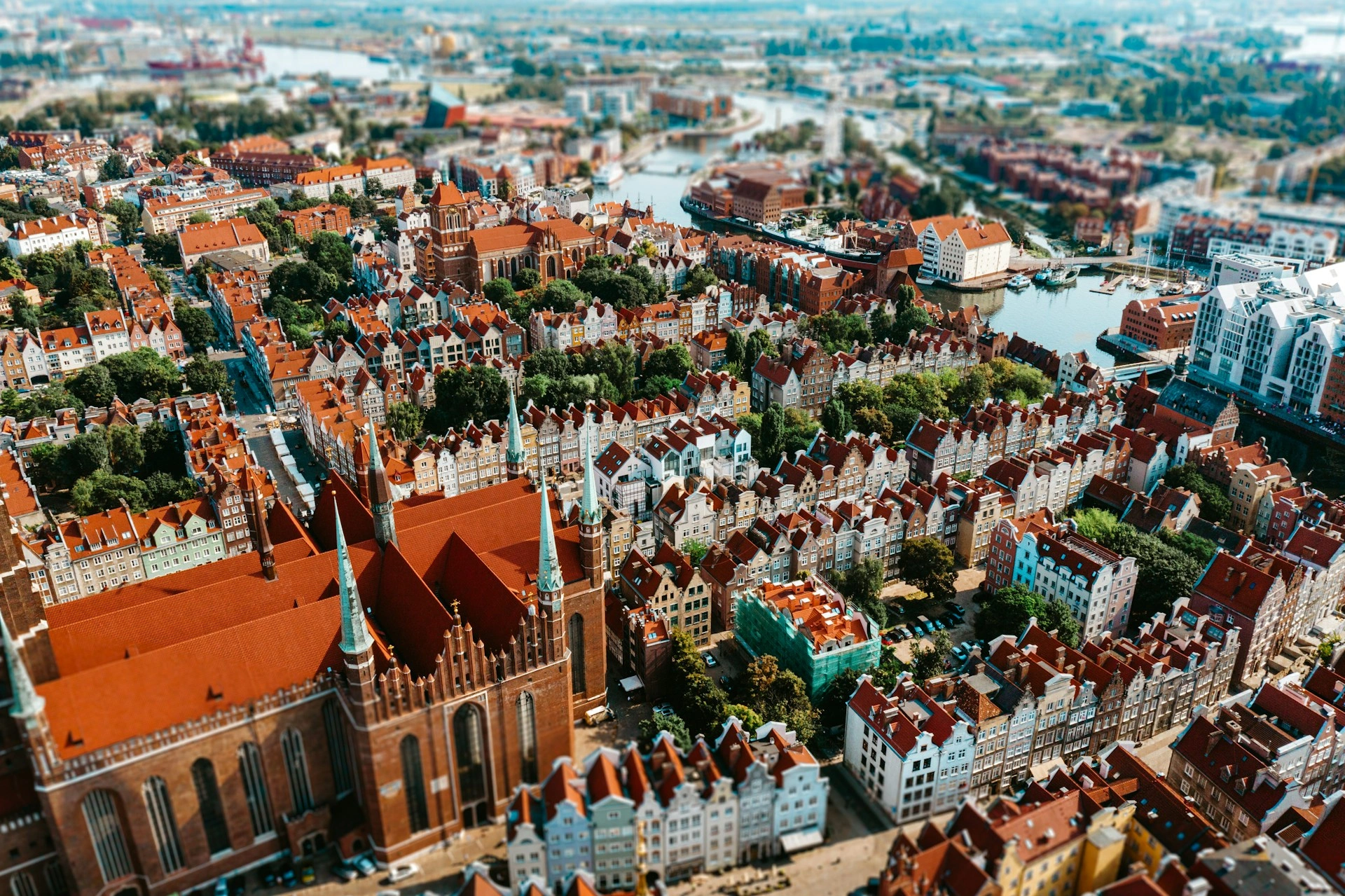
Polish cities demonstrate layered urban restoration from medieval market squares to pre-war tenement houses undergoing careful renovation. These properties blend original architectural features with contemporary living standards through structured restoration programs. Buying directly from owners enables acquisition during neighborhood transformation phases.
Agricultural modernization investments
Poland's agricultural sector consolidation creates opportunities in consolidated farm properties with EU-standard facilities. These rural estates combine productive capacity with updated infrastructure following Common Agricultural Policy guidelines. Direct purchases facilitate acquisition of modernized farming operations.
Central European manufacturing expansion
Poland's position as Europe's primary manufacturing relocation destination creates specialized industrial property demand along highway corridors. Former state-owned factories now host international production facilities with customized infrastructure needs. Purchasing directly from owners provides access to transitional industrial assets.
Historical center regeneration
Polish cities demonstrate layered urban restoration from medieval market squares to pre-war tenement houses undergoing careful renovation. These properties blend original architectural features with contemporary living standards through structured restoration programs. Buying directly from owners enables acquisition during neighborhood transformation phases.
Agricultural modernization investments
Poland's agricultural sector consolidation creates opportunities in consolidated farm properties with EU-standard facilities. These rural estates combine productive capacity with updated infrastructure following Common Agricultural Policy guidelines. Direct purchases facilitate acquisition of modernized farming operations.
Property highlights
in Poland, from our specialists
Found: 86
Compact apartments 35 m² in Łódź, Poland
apartment
35 m2

1

1

52 974 $
Modern apartments 39 m² in Łódź, Poland
apartment
39 m2
On request
2
59 581 $
Stylish 24 m² apartment in Łódź, Poland
apartment
24 m2
On request
1
63 870 $
Beautiful 38 m² apartment in Łódź, Poland
apartment
38 m2
1
1
70 361 $
Comfortable 35 m² apartment in Łódź, Poland
apartment
35 m2
1
1
70 709 $
Comfortable 25 m² apartment in Łódź, Poland
apartment
25 m2
1
1
73 375 $
Compact apartments 26 m² in Łódź, Poland
apartment
26 m2
1
1
76 388 $
Beautiful 54 m² apartment in Łódź, Poland
apartment
54 m2
On request
2
78 591 $
Comfortable 40 m² apartment in Łódź, Poland
apartment
40 m2
On request
2
84 850 $
Beautiful 33 m² apartment in Łódź, Poland
apartment
33 m2
On request
1
94 819 $


Useful articles
and recommendations from experts
Manufacturing Growth and Urban Renaissance: Poland's Evolving Property Landscape
Positioned between Western European markets and Eastern resources, Poland presents a property market transformed by integration processes, industrial expansion, and urban renewal. The country's economic trajectory creates distinct property dynamics across regions, with particular opportunities emerging through direct owner transactions that navigate Poland's transitional real estate environment.
Industrial Corridor Development and Special Economic Zones
Poland's manufacturing expansion follows specific geographic patterns along transportation corridors and within designated economic zones. The A2 and A4 highway networks concentrate logistics and production facilities that generate complementary commercial and residential demand. Special Economic Zones offer tax advantages and infrastructure support, attracting both international corporations and supporting service businesses. Properties within these zones demonstrate different valuation principles than conventional commercial real estate, with factors like utility capacity, transportation access, and workforce availability influencing values more significantly than location alone. Direct purchases from industrial operators provide insights into practical requirements that standard property assessments might overlook.
Urban Regeneration Patterns and Historical Preservation
Polish cities undergo multi-phase regeneration that creates sequential property appreciation opportunities. Initial commercial revitalization typically focuses on central market areas, followed by residential restoration of surrounding historical districts. Socialist-era housing estates represent subsequent renovation waves, while former industrial zones often complete the regeneration cycle. Properties in different regeneration phases require distinct evaluation approaches, as renovation costs, regulatory approvals, and market acceptance vary significantly. Historical preservation guidelines differ by architectural period and regional style, affecting both renovation possibilities and completed property values. Direct engagement with owners who have completed renovations provides realistic timelines and cost expectations.
Agricultural Property Transformation and EU Integration
Poland's agricultural sector consolidation creates evolving rural property markets. Western regions show more advanced farm consolidation with larger, more mechanized operations, while eastern areas maintain smaller traditional holdings. EU Common Agricultural Policy subsidies influence land values and farm viability, with different payment structures affecting various property types. Properties with established subsidy entitlements often command premiums, while those requiring registration processes present different risk profiles. Water rights, soil classification, and infrastructure access create significant value differentials between apparently similar agricultural properties. Direct negotiations with farming families reveal practical considerations beyond formal documentation.
Transportation Infrastructure and Regional Connectivity
Poland's transportation developments create distinct property dynamics along emerging corridors. The Central Transportation Hub project represents a major infrastructure initiative affecting surrounding regions, while ongoing highway expansions improve connectivity between urban centers and border crossings. Rail network upgrades facilitate freight movement and regional commuting. Properties near completed infrastructure typically demonstrate established premiums, while those adjacent to planned developments require careful assessment of realistic implementation timelines. Direct purchases enable investigation of how infrastructure projects practically affect specific locations rather than relying on generalized projections.
University Cities and Knowledge Economy Growth
Academic centers like Krakow, Wroclaw, and Gdansk generate specialized property demand patterns tied to educational cycles and research activities. These cities attract both domestic and international students, creating consistent rental demand for specific property types. University expansion projects and research park developments create new property submarkets with distinct characteristics. Properties suitable for student accommodation require different configurations and management approaches than conventional residential units, with academic calendars influencing occupancy patterns and revenue streams. Direct purchases from academic community members provide insights into practical living requirements and neighborhood preferences.
Regional Economic Specialization and Property Variations
Poland's regions demonstrate distinct economic specializations that influence local property markets. Silesia's industrial heritage creates different property dynamics than Lesser Poland's service economy or Pomerania's maritime focus. Automotive manufacturing concentrations generate specific demand patterns in surrounding areas, while IT sector growth drives different property preferences in technology hubs. Understanding regional economic structures and their susceptibility to sector-specific cycles is crucial for property evaluation. Direct engagement with owners in different regions reveals how local economic conditions practically influence property usage and valuation.
Energy Transition and Industrial Property Adaptation
Poland's energy transformation creates both challenges and opportunities for property markets, particularly in traditional mining and energy regions. Coal phase-out timelines affect property values in mining areas, while renewable energy investments create new opportunities in other regions. Properties associated with transitioning industries require specialized evaluation of remediation requirements, conversion potential, and alternative use possibilities. Former industrial sites often qualify for redevelopment support but face complex approval processes. Direct purchases from owners in affected areas provide practical understanding of transition timelines and adaptation requirements.
Construction Standards and Quality Considerations
Building practices in Poland have evolved significantly since the 1990s, with substantial improvements in materials, insulation, and energy efficiency standards. Properties from different construction periods demonstrate notable variations in maintenance requirements and operating costs. Pre-war buildings often feature higher-quality materials but require systematic renovation, while socialist-era constructions present different challenges. Contemporary developments vary in quality depending on developer reputation and construction supervision. Direct inspection and discussions with current owners provide insights into actual building performance that specifications and certificates might not fully reveal.
Legal Framework and Transaction Processes
Poland's property transaction system operates within a civil law framework with specific procedures for different property types. Notary involvement is mandatory for property transfers, with particular documentation requirements for agricultural land, historical properties, and commercial assets. The Land and Mortgage Register system provides ownership verification but requires careful interpretation. Properties may have complex histories involving restitution claims or former state ownership. Direct purchases enable thorough investigation of these legal aspects through transparent communication between parties, often facilitated by bilingual legal counsel familiar with both Polish law and international transaction expectations.