Listed properties in GermanyOwner-verified listings with clear property photos
Popular
cities and regions in Germany
Best offers
in Germany
Real estate from owners in Germany

Economic stability anchor
Germany's robust legal framework and low volatility create predictable long-term property value appreciation. Direct purchases eliminate intermediary layers in this transparent market. Secure real estate in Europe's most resilient economy.
Energy efficiency standards
German properties feature advanced insulation and sustainable systems reducing ownership costs substantially. Direct owners provide precise utility consumption data and retrofit histories. Invest in homes meeting rigorous Passivhaus and KfW efficiency benchmarks.
Regional market diversity
Distinct markets from Hamburg's ports to Bavaria's alpine regions offer specialized investment profiles. Purchasing directly reveals localized economic drivers and demographic trends. Acquire properties aligned with specific regional growth trajectories.
Economic stability anchor
Germany's robust legal framework and low volatility create predictable long-term property value appreciation. Direct purchases eliminate intermediary layers in this transparent market. Secure real estate in Europe's most resilient economy.
Energy efficiency standards
German properties feature advanced insulation and sustainable systems reducing ownership costs substantially. Direct owners provide precise utility consumption data and retrofit histories. Invest in homes meeting rigorous Passivhaus and KfW efficiency benchmarks.
Regional market diversity
Distinct markets from Hamburg's ports to Bavaria's alpine regions offer specialized investment profiles. Purchasing directly reveals localized economic drivers and demographic trends. Acquire properties aligned with specific regional growth trajectories.


Useful articles
and recommendations from experts
German Property Acquisition: Direct Ownership in Europe's Stabilizing Market
Germany's real estate landscape presents a distinctive paradigm where methodical regulation meets diversified regional opportunities, creating unique conditions for direct buyer-seller transactions. Unlike volatile markets, Germany's property environment emphasizes long-term value preservation through rigorous construction standards, transparent legal frameworks, and deeply ingrained cultural approaches to ownership. The nation's decentralized structure produces remarkably varied market conditions across its sixteen federal states, each with distinct economic drivers, demographic patterns, and regulatory nuances. For those pursuing property acquisition without intermediary participation, Germany offers particularly favorable conditions rooted in systematic documentation, predictable processes, and a transaction culture that often favors direct engagement between informed parties.
Structural market characteristics favoring direct transactions
Germany's property market operates through interconnected systems emphasizing documentation, verification, and risk mitigation. The country's extensive land registry (Grundbuch) provides comprehensive public records of ownership histories, encumbrances, and property rights, establishing transparency that reduces transaction risks. This meticulous record-keeping culture extends to energy performance certifications, building permits, and renovation documentation, creating information-rich environments where direct sellers can provide verified data rather than anecdotal claims. The market's relative price stability—stemming from conservative lending practices, population distribution patterns, and restrained speculative activity—creates conditions where direct negotiations often focus on property-specific attributes rather than volatile market timing considerations.
Architectural and functional property spectrum
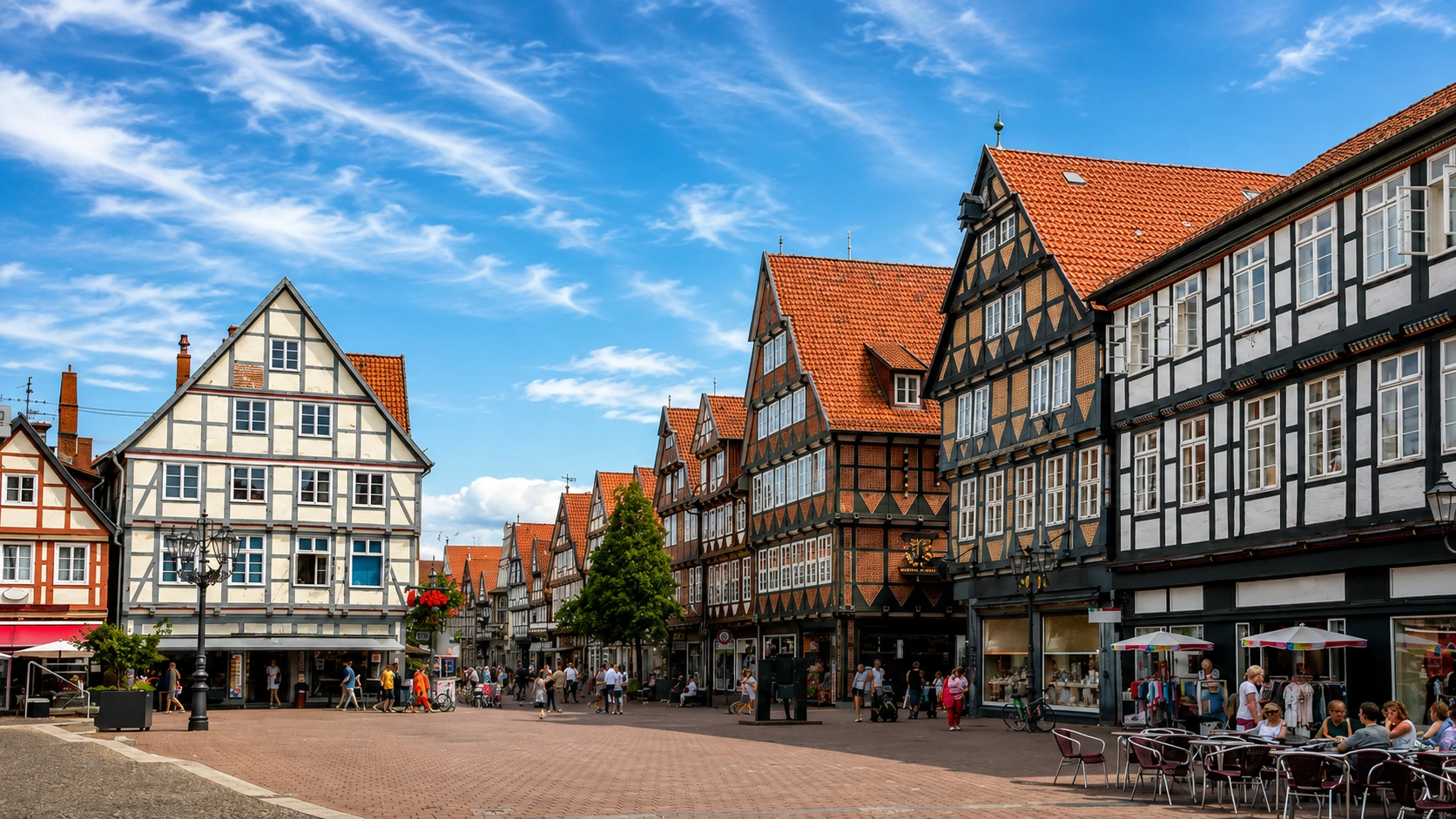
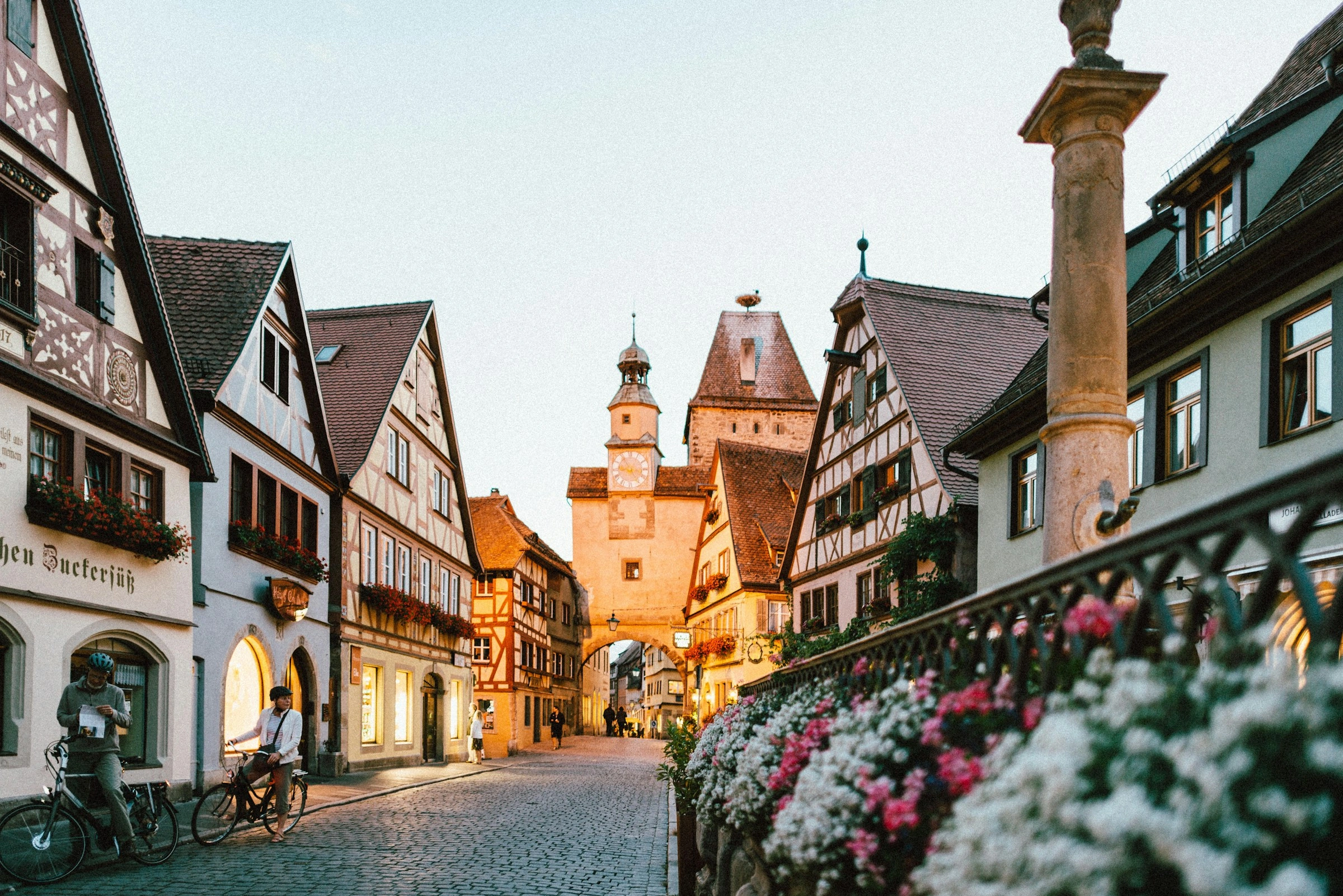
Properties available through Germany's direct sales channels reflect the nation's architectural evolution while prioritizing functional efficiency. The market encompasses everything from meticulously restored pre-war Altbau apartments with historical details to contemporary Neubau developments emphasizing sustainable technologies. Regional variations introduce specialized property types: northern Hanseatic cities feature distinct brick architecture, southern regions showcase alpine chalet styles, and western areas preserve half-timbered traditions. Rural properties include working agricultural estates, vineyard parcels, and forest land. Each category involves specific maintenance considerations, regulatory constraints, and value drivers that informed owners can articulate with precision, providing buyers with contextual understanding beyond standardized property descriptions.
Legal and procedural framework for direct acquisitions
Germany's property transaction system combines notarial oversight with structured due diligence processes that direct participants navigate with appropriate professional support. The mandatory involvement of a notary public ensures legal verification regardless of transaction method, but direct buyers and sellers often engage specialized attorneys for preparatory due diligence. Key considerations include understanding century-based property age classifications, deciphering complex leasehold (Erbbaurecht) arrangements, and navigating Germany's unique condominium ownership structures (Teilungserklärung). Direct sellers frequently expedite processes by providing organized documentation packets including energy certificates (Energieausweis), floor plans, utility cost statements, and homeowners' association records, creating efficiency advantages over mediated transactions requiring information gathering from multiple sources.
Regional economic drivers and valuation factors
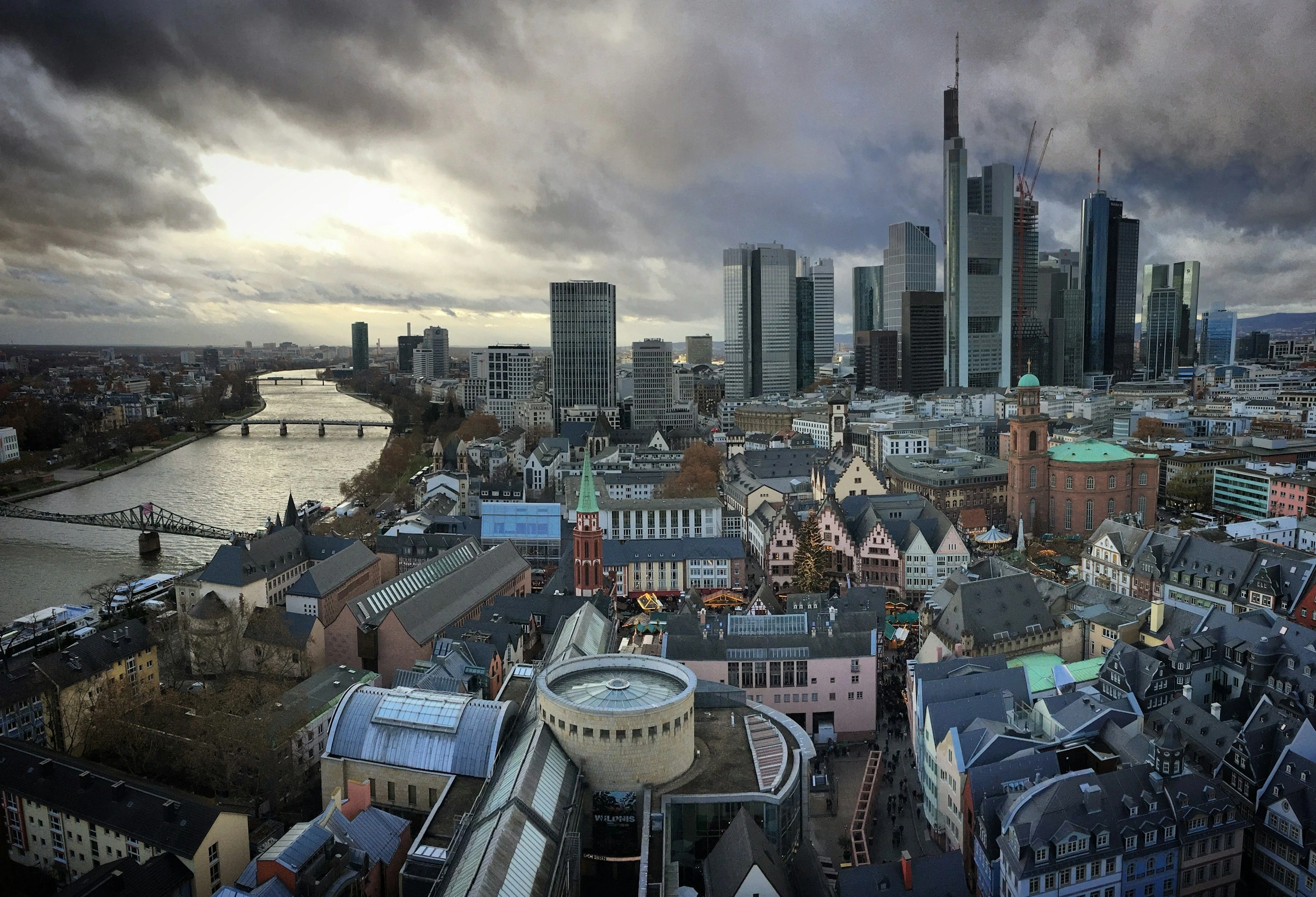
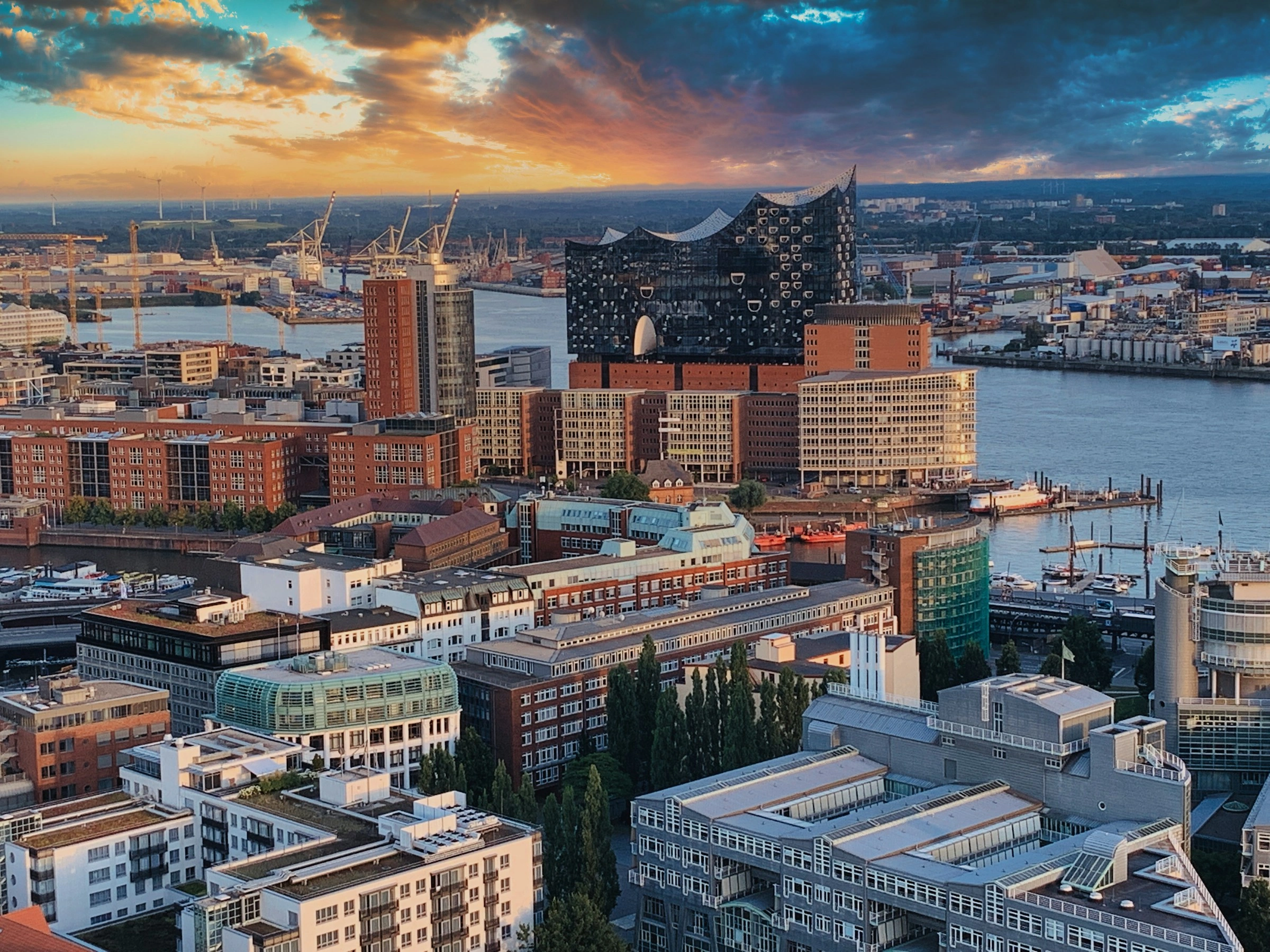
Property values across Germany respond to remarkably diverse economic fundamentals rather than uniform national trends. Munich's technology and automotive sectors create different demand dynamics than Hamburg's port logistics and media industries, Frankfurt's financial services, or Berlin's government and startup ecosystems. University cities maintain stable demand from academic populations, while industrialized regions experience property value fluctuations tied to specific corporate fortunes. Direct sellers possess localized understanding about how municipal infrastructure projects, corporate expansion plans, demographic shifts, and transportation developments affect their specific properties. This granular knowledge enables more nuanced valuation discussions than possible through regional average pricing data alone.
Urban versus rural acquisition paradigms
Germany presents distinct acquisition considerations across its urbanization spectrum, from major metropolitan centers to sparsely populated rural regions. Urban properties involve navigating competitive markets with complex condominium structures, while rural acquisitions require understanding agricultural subsidies, land use regulations, and development restrictions. Medium-sized cities (Mittelzentren) offer balanced opportunities with established infrastructure and manageable prices. Each environment involves different transaction customs, financing approaches, and due diligence priorities. Direct sellers provide authentic insights about community dynamics, service accessibility, and future development plans specific to their locations, helping buyers assess properties within appropriate regional contexts rather than through generalized German market assumptions.
Investment and ownership culture considerations
Germany's property ownership culture emphasizes long-term commitment over speculative trading, influencing transaction approaches and negotiation mindsets. Direct purchasers encounter sellers who typically maintain meticulous property records and demonstrate deep familiarity with their assets' technical details. This culture of thorough ownership manifests in comprehensive maintenance histories, renovation documentation, and energy efficiency records that facilitate informed decision-making. The market's relatively low homeownership rate (approximately 50%) creates robust rental sectors where investment properties involve understanding complex tenant protection laws and regulated rent increase mechanisms. Direct communication allows for transparent discussion about these operational aspects, potentially revealing advantages or challenges not apparent in standardized property listings.
Transaction dynamics and documentation practices
Direct property transfers in Germany typically involve methodical documentation exchanges and structured negotiation phases rather than rapid transactions. The process emphasizes technical details including building material specifications, utility system conditions, and shared property arrangements. Notarial protocols require precise contractual language covering defect liability, handover conditions, and cost allocation. Successful direct transactions often feature extensive preliminary information packages including architectural assessments, boundary surveys, and homeowners' association financial statements. Examples include sales where sellers provide decade-long heating cost records, detailed renovation invoices, or specialized assessments like structural integrity reports for older properties. These practices demonstrate Germany's transaction culture prioritizing comprehensive disclosure and risk mitigation.
Essential Germany-specific due diligence inquiries
Prospective direct buyers should investigate municipal development plans (Bebauungspläne) affecting potential renovation or expansion possibilities. Understanding century-specific building material concerns reveals maintenance priorities for properties from different eras. Researching local rental market regulations is crucial for investment properties, as Germany's Mietspiegel and Mietpreisbremse regulations vary significantly between municipalities. Assessing climate-related infrastructure adaptations becomes increasingly relevant as regions implement flood protection or heat mitigation measures. These localized factors often outweigh national trends when evaluating specific properties within Germany's decentralized regulatory environment.
Strategic approaches to direct market engagement
Successful direct property acquisition in Germany requires embracing the market's systematic nature while recognizing regional exceptions to national patterns. The most advantageous transactions frequently involve properties where specialized characteristics—historical significance, innovative energy systems, or unique location attributes—create value not fully captured by standardized valuation methods. Direct engagement allows buyers to explore these nuances through detailed technical discussions and comprehensive document reviews. By approaching transactions with appropriate professional support while leveraging sellers' detailed property knowledge, purchasers can navigate Germany's structured market to identify opportunities matching specific functional requirements and long-term value preservation objectives within Europe's largest and most stable economy.