
Lots for Sale in ValaisRegional lots with development potential
Best offers
in Valais
Land Plots in Valais


Mountain Belt Demand
Land in Valais is most naturally considered for chalet-oriented housing, village-edge residential building, and tourism-linked positioning because the canton combines alpine settlement belts, valley-floor access, and strong demand around mountain and resort geographies
Valley Contrast
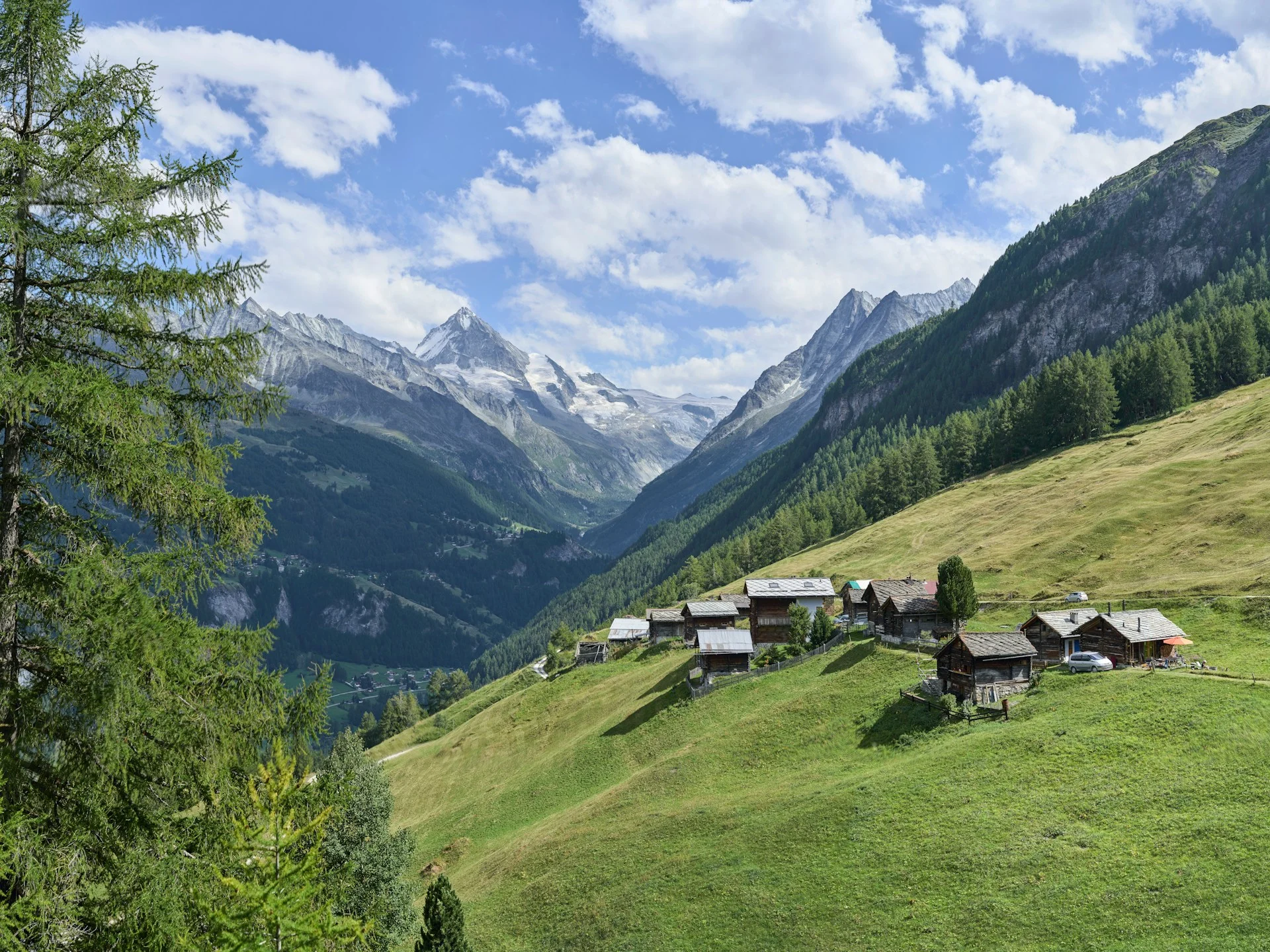
Few Swiss cantons shape land as distinctly as Valais, where wide valleys, steep slopes, vineyard terraces, and high mountain communities create plot conditions that vary sharply between everyday residential use and destination-driven appeal
Seasonal Strength
Strategic land value in Valais comes from durable tourism relevance, regional transport continuity, and a broad settlement network that keeps well-located plots important for both local building needs and longer-horizon alpine positioning
Mountain Belt Demand
Land in Valais is most naturally considered for chalet-oriented housing, village-edge residential building, and tourism-linked positioning because the canton combines alpine settlement belts, valley-floor access, and strong demand around mountain and resort geographies
Valley Contrast
Few Swiss cantons shape land as distinctly as Valais, where wide valleys, steep slopes, vineyard terraces, and high mountain communities create plot conditions that vary sharply between everyday residential use and destination-driven appeal
Seasonal Strength
Strategic land value in Valais comes from durable tourism relevance, regional transport continuity, and a broad settlement network that keeps well-located plots important for both local building needs and longer-horizon alpine positioning








Useful articles
and recommendations from experts
Land for sale in Valais and how plot logic really works
Why land remains highly relevant across Valais
Valais is not a single-pattern land market. It is a canton where broad valley floors, vineyard landscapes, alpine villages, and mountain resort areas all produce different plot behavior. Buyers usually consider land here when they want more control over the final built format, a stronger connection to mountain geography, or a site that supports a clearer long-term use than a fixed property can offer.
That makes land especially relevant in Valais because the canton combines everyday residential demand with destination-driven appeal. Some plots matter because they belong to working local communities and support practical year-round building. Others matter because they sit inside alpine or tourism-active settings where landscape, access, and regional identity shape the value of the parcel differently.
How land fits the internal geography of Valais
The canton should be read through contrast. Valley-floor settlements often provide the clearest residential logic because they combine easier access, stronger infrastructure, and more continuous local life. These areas usually form the most practical starting point for buyers who want land suited to permanent residential use or small-scale development.
Above them, hillside villages, terrace zones, and mountain communities introduce another layer. Here, plots can carry stronger visual identity and more distinctive architectural potential, but they also require closer attention to slope, access routes, and the actual settlement rhythm around them. In Valais, the same canton can contain very different land realities within a short distance, which is why territorial reading matters so much.
Which land-use clusters define Valais most clearly
The dominant cluster is residential-led land use with an alpine character. This includes chalet-oriented plots, village-edge residential sites, and parcels for low-density housing in settlements where building still follows a local mountain or valley logic. Buyers often choose land here because they want a property format more closely tied to the region than a standard apartment can provide.
The secondary cluster is tourism-linked and mixed local positioning. In selected parts of Valais, land can matter because it supports hospitality-adjacent concepts, seasonal residential demand, or services linked to mountain movement and visitor flow. This cluster does not dominate the whole canton, but it becomes important in the right resort or destination-oriented context.
What kinds of land plots in Valais usually make sense
Valley residential plots are often the most practical category. They tend to offer better all-season accessibility, more predictable building conditions, and stronger connection to schools, shops, and municipal life. For buyers focused on everyday use, these sites often provide the clearest balance.
Village-edge and chalet-oriented plots form another important category. These parcels usually appeal to buyers who want design control, privacy, and a building format that fits the alpine identity of the canton. Their strength comes from belonging naturally to an existing settlement edge rather than feeling detached from local structure.
There are also hillside and destination-linked plots where the appeal is more specific. View, altitude, and resort proximity may increase their attractiveness, but only when the site still works physically and spatially. In Valais, a dramatic setting is never enough by itself. Practical access, footprint, and settlement fit still decide whether a parcel is genuinely useful.
What makes one Valais plot more practical than another
Terrain is one of the first filters. Slope, shape, and buildable comfort can vary sharply from one plot to another, even within the same village or valley. A parcel with a cleaner footprint and more rational approach may be much stronger in practice than a more scenic site with steeper conditions or awkward boundaries.
Access also matters in a deeper sense than road frontage alone. Buyers should think about how the plot functions through different seasons, how close it sits to year-round settlement patterns, and whether the surrounding environment supports the intended use. In a canton with both working communities and tourism zones, location must be read through daily practicality as well as visual appeal.
Settlement fit completes the comparison. Land that clearly belongs to an established residential belt, village edge, or coherent alpine community is usually easier to judge than a site that appears attractive on paper but feels spatially disconnected. In Valais, the best parcels usually make sense within the local pattern before they make sense in a brochure description.
Land in Valais versus apartments and completed mountain property
A completed apartment or house offers speed and immediate use. Land offers control. In Valais, that difference can be important because the relationship between building and landscape often shapes the final quality of the property. Buyers may choose land not only to own space, but to decide orientation, scale, privacy, and how the structure sits within the mountain environment.
That does not mean land is automatically the stronger choice. It becomes attractive when the intended result is more precise, more place-specific, or better aligned with long-term goals than the available fixed-property stock. In a canton with many different settlement types, that flexibility can create real value when the parcel is chosen carefully.
How to compare land plots in Valais through the VelesClub Int. catalog
When reviewing land plots in Valais, buyers should begin by sorting them into territorial roles. Is the parcel part of a valley residential setting, a village-edge alpine settlement, or a destination-linked zone with tourism relevance? That first distinction makes comparison much cleaner because these plot types do not behave in the same way.
Once the role is clear, buyers can compare footprint, access, terrain, altitude effect, and how closely the site fits the surrounding built pattern. This is where the VelesClub Int. catalog becomes useful. It helps organize land for sale in Valais through practical local logic rather than through a flat collection of unrelated plot descriptions.
VelesClub Int. also helps refine broad interest into a more disciplined shortlist. Some buyers begin with the wish to buy land in Valais for a mountain home and discover that valley-floor plots serve their everyday needs better. Others start by looking at buildable land in Valais and realize that only certain resort-adjacent sites match the experience they want. Structured comparison helps these differences become visible before moving toward a request.
Questions buyers ask about land in Valais
Why does land in Valais feel so different from one area to another? Because the canton combines valley cities, vineyard terraces, alpine villages, and resort zones, so plots belong to very different spatial and functional settings.
What usually makes a Valais plot more practical? Strong settlement fit, workable terrain, reliable access, and a location that matches either year-round residential use or a clearly defined destination-oriented purpose.
Why can a valley-floor parcel outperform a mountain-view site? Because easier building conditions and stronger everyday infrastructure often create better long-term usability than scenery alone.
Where does land usually make the most sense in Valais? Often in valley residential belts, village edges, and selected alpine communities where the intended use already matches the way the settlement functions.
Is land in Valais mainly for private homes? Private residential and chalet-oriented use is the strongest pattern, though some plots also suit tourism-linked or mixed local positioning.
How should buyers compare actual plot options in Valais? By sorting them first by territorial role, then checking terrain, access, settlement fit, and intended use before focusing on views or resort labels alone.
A strong land decision in Valais usually comes from reading the canton by valley, village, and mountain logic rather than treating every plot as part of one market. Reviewing relevant plots in the VelesClub Int. catalog or sending a structured request is the practical next step once the right territorial match becomes clear.