
Plots for Sale in TicinoStructured regional land opportunities for ownership and growth
Best offers
in Ticino
Land Plots in Ticino


Hillside Scarcity
Land in Ticino is most naturally considered for villa construction, terraced residential projects, and hospitality-linked concepts because the canton combines limited flat supply with steady demand across lake zones, hillside settlements, and cross-border urban corridors
Mediterranean Contrast
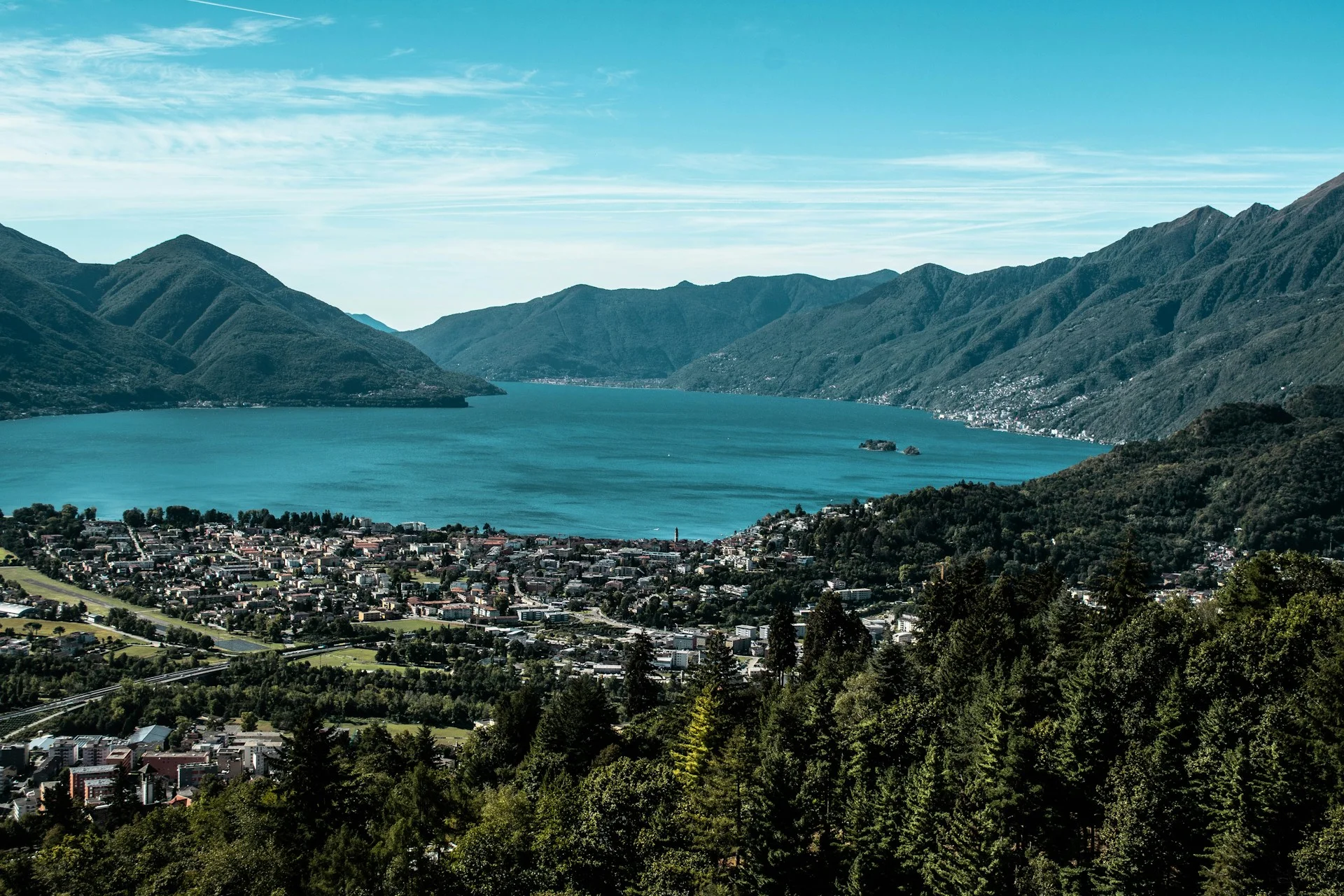
Few Swiss regions shape land as distinctly as Ticino, where lakes, slopes, palms, and dense valley settlements create plot conditions that feel southern in character yet remain tied to disciplined Swiss planning and infrastructure logic
Crossborder Position
Strategic land value in Ticino comes from its role between Switzerland and northern Italy, where residential appeal, tourism movement, and regional accessibility keep well-positioned plots relevant far beyond purely local demand
Hillside Scarcity
Land in Ticino is most naturally considered for villa construction, terraced residential projects, and hospitality-linked concepts because the canton combines limited flat supply with steady demand across lake zones, hillside settlements, and cross-border urban corridors
Mediterranean Contrast
Few Swiss regions shape land as distinctly as Ticino, where lakes, slopes, palms, and dense valley settlements create plot conditions that feel southern in character yet remain tied to disciplined Swiss planning and infrastructure logic
Crossborder Position
Strategic land value in Ticino comes from its role between Switzerland and northern Italy, where residential appeal, tourism movement, and regional accessibility keep well-positioned plots relevant far beyond purely local demand








Useful articles
and recommendations from experts
Land plots in Ticino and how to compare them wisely
Why land in Ticino follows a very different logic
Ticino is not a flat expansion market. It is a southern Swiss canton where lakes, valleys, and slopes shape almost every land decision. That gives plots a special role. Buyers usually turn to land here when they want flexibility that fixed property formats cannot provide, especially for villa building, low-density residential concepts, or carefully positioned hospitality use.
What makes Ticino different is that land is not only about finding available square meters. It is about understanding how terrain and settlement pattern affect usability. A plot may look attractive by size alone, but in this canton its real value often depends on topography, access, and how naturally it fits the built environment around it.
How land fits the urban and suburban structure of Ticino
Ticino works through a chain of urban pockets, lakeside settlements, and valley corridors rather than one single dominant metropolitan core. This means land must be read through local structure. Central municipalities often have tighter supply and more fixed urban fabric, while outer residential belts and hillside areas provide the clearer land story.
The canton's practical geography matters more than a simple map label. A plot near a lake may carry strong residential and lifestyle appeal, but it may also sit within more constrained terrain. A valley-edge or suburban site can sometimes offer more rational building conditions even if it lacks the symbolic power of a waterfront setting. In Ticino, spatial usefulness often beats visual prestige.
Which land-use clusters matter most in Ticino
The dominant cluster is residential-led land use. Buyers commonly search for plots suited to detached homes, villa concepts, or small-scale residential development in areas where low-density construction still makes sense. This fits the canton well because its appeal is often tied to privacy, views, and a built form that sits between urban convenience and landscape presence.
The secondary cluster is tourism-linked and mixed-use positioning. In the right parts of Ticino, land can support hospitality-oriented logic, seasonal residential formats, or service uses connected to visitor flow and lake-area activity. This does not apply everywhere equally, which is why location reading is so important. Some plots belong to the everyday housing market, while others gain relevance from leisure and regional movement.
What types of land plots in Ticino usually make sense
Buildable residential plots are the clearest category, especially where the surrounding pattern already supports villas or low-rise housing. These parcels usually attract buyers who want design control, greater privacy, and a more tailored built result than an apartment or existing house can offer.
Hillside plots form another important category. They often promise views and architectural distinction, but they must be read carefully. In Ticino, a dramatic site can be valuable only if slope, approach road, and surrounding building pattern still support practical construction. A simpler site in a quieter suburban belt may be more useful than a spectacular parcel with awkward physical limits.
There are also plots with mixed positioning near service corridors, local commercial centers, or tourism-active zones. These sites can matter for buyers who are not focused only on private residential use. Their value comes from flexibility, not from maximum scale.
What makes one plot in Ticino more practical than another
In this canton, practicality starts with terrain. Shape, gradient, and access are often more important than headline location. Two similarly priced plots in Ticino can offer completely different real-world outcomes if one has a rational footprint and easier access while the other is fragmented by slope or constrained by its immediate surroundings.
Buyers should also compare how naturally the parcel fits local settlement logic. Land that sits inside an existing residential belt or a coherent hillside development pattern is usually easier to assess than a plot that feels isolated from the way the area already functions. Practicality in Ticino is rarely abstract. It comes from the relationship between the parcel and the built landscape around it.
Land in Ticino versus apartments and completed houses
A completed property gives immediate use. Land gives control. In Ticino, that difference is especially meaningful because architecture and setting matter so much. A buyer may choose land not simply to own real estate, but to shape how the final property engages with view, slope, privacy, and orientation.
This does not mean land is always the better option. Apartments and ready houses work well for speed and certainty. Land becomes attractive when a buyer wants to define the final product more precisely or when the available fixed stock does not match the intended use. In a region where no two sites feel exactly alike, that freedom can be a major advantage.
How to read land plots in Ticino through the VelesClub Int. catalog
When reviewing land for sale in Ticino, it helps to compare plots by use case first. Is the parcel right for a private home, a small residential scheme, or a tourism-linked concept? Once that is clear, the next step is to read the spatial context. Is the site in a lakeside zone, a valley corridor, a hillside settlement, or an outer suburban belt?
After that, comparison becomes sharper. Buyers can look at footprint, approach, likely building comfort, and how much future flexibility the site may hold. This is where the VelesClub Int. catalog becomes useful. It helps turn broad interest into a more disciplined process, so buyers are not just browsing Ticino as a beautiful region but reading it as a land market with distinct internal logic.
VelesClub Int. also helps narrow choices when several plots appear attractive for different reasons. One parcel may offer stronger residential comfort, another better long-range positioning, and another more visual appeal. Structured comparison makes those differences easier to evaluate before moving toward a request.
Questions buyers ask about land in Ticino
Why does land behave differently in Ticino than in flatter Swiss regions? Because the canton is shaped by lakes, valleys, and hillside settlement patterns, so terrain and access influence usability much more directly.
What usually makes a plot more valuable in Ticino? Not only scenery, but also how well the parcel combines view, access, buildability, and fit with the surrounding residential or mixed-use pattern.
Why can two similarly priced plots in Ticino feel so different? Because size alone says little here. Slope, footprint, surrounding density, and spatial integration can change practical value dramatically.
Where does land usually make the most sense in Ticino? Often in hillside residential belts, suburban valley-edge areas, and selected lake-oriented zones where low-density use or tourism-linked positioning already feels natural.
Is land in Ticino mainly for personal use or broader development? Personal residential use is the strongest cluster, but some plots also support small development or hospitality-related logic when location and context align.
How should buyers compare land plots in Ticino without getting distracted by scenery? By starting with use case, then checking terrain, access, shape, and settlement fit before treating view or symbolic location as deciding factors.
A good land decision in Ticino usually comes from reading the region clearly rather than chasing the most dramatic description. Reviewing relevant plots in the VelesClub Int. catalog or submitting a structured request is the calm next step once the right spatial logic becomes clear.