
Development Land in LombardyRegional land for project acquisition
Best offers
in Lombardy
Land Plots in Lombardy


Metropolitan Depth Access
Lombardy land is naturally relevant for residential expansion, mixed urban development, and service-linked projects because the region combines major city demand with broad inland territory and multiple settlement systems where plot position strongly shapes final use
Plains To Lakes Logic
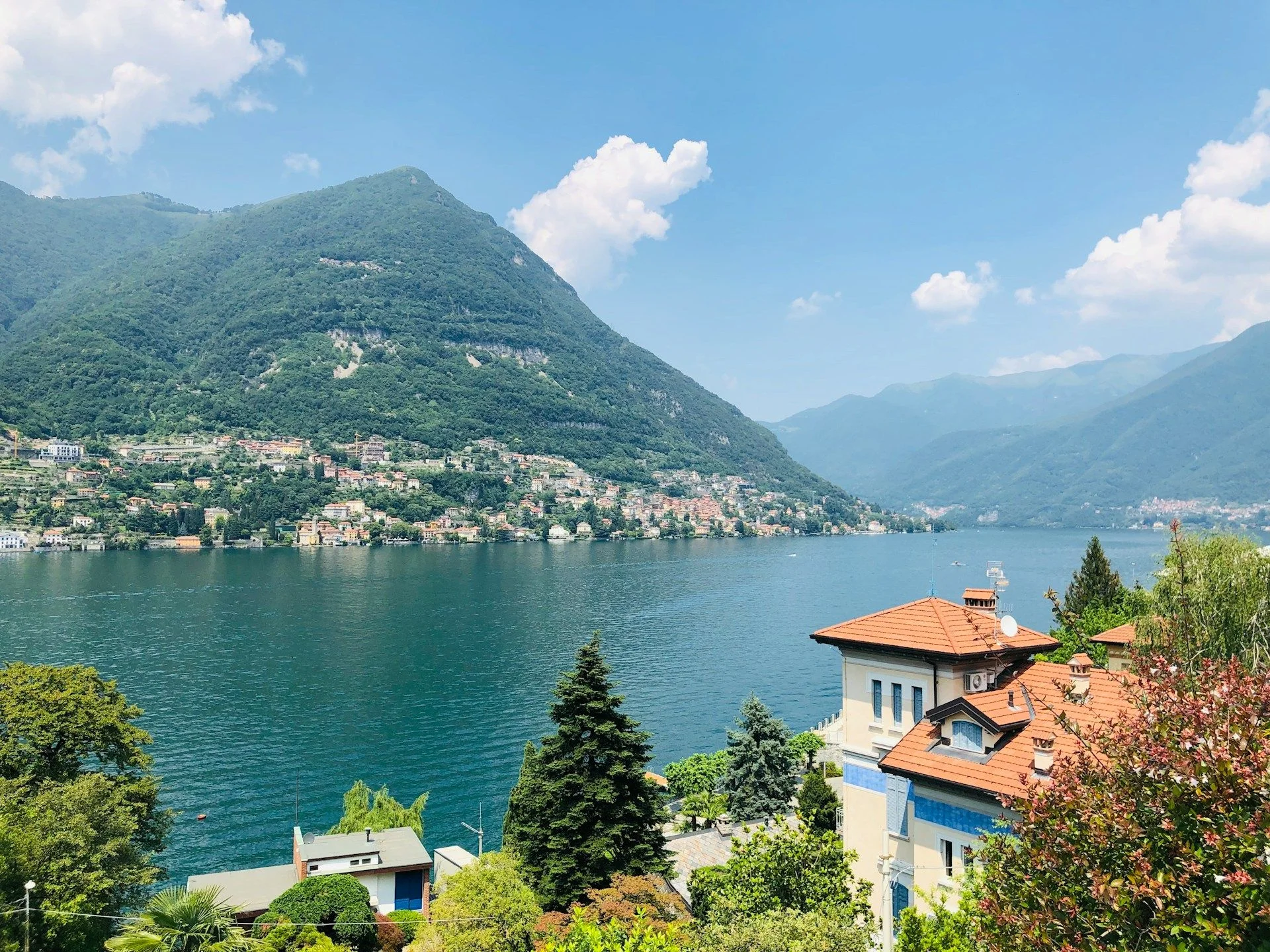
Land in Lombardy is shaped by metropolitan belts, industrial corridors, plains, foothill zones, and lake-oriented settlements, so plot quality depends heavily on access, setting, terrain, and how each site fits the regions layered structure
Long Horizon Regional Use
The strategic appeal of land in Lombardy comes from stable residential demand and broad economic diversity, allowing well-positioned plots to remain useful for housing and selective mixed-use development over time
Metropolitan Depth Access
Lombardy land is naturally relevant for residential expansion, mixed urban development, and service-linked projects because the region combines major city demand with broad inland territory and multiple settlement systems where plot position strongly shapes final use
Plains To Lakes Logic
Land in Lombardy is shaped by metropolitan belts, industrial corridors, plains, foothill zones, and lake-oriented settlements, so plot quality depends heavily on access, setting, terrain, and how each site fits the regions layered structure
Long Horizon Regional Use
The strategic appeal of land in Lombardy comes from stable residential demand and broad economic diversity, allowing well-positioned plots to remain useful for housing and selective mixed-use development over time








Useful articles
and recommendations from experts
Land for sale in Lombardy and how regional plot logic works
Why land has strong practical relevance in Lombardy
Lombardy is not a single compact market and not one uniform metropolitan area. It is a layered regional environment where land decisions are shaped by major urban centers, industrial and service corridors, suburban housing demand, plains, foothill settlements, and lake-oriented locations that behave very differently from one another. Buyers consider plots here because the right parcel can support a private residence, a low-density housing concept, a broader residential scheme, or a selective mixed-use format with more precision than standard finished property often allows.
That gives land in Lombardy a broad but highly location-sensitive role. A site is not attractive simply because it belongs to one of Italys strongest regions. It becomes attractive when it fits a clear use case and turns local position into a practical project with less compromise than a ready-built alternative. In this market, plot quality often matters more than broad regional prestige because differences in access, settlement pattern, and local land form can materially change the final result.
How land fits the spatial structure of Lombardy
Lombardy should be read through layers rather than through one center-versus-suburb model. There are major metropolitan belts, strong mid-sized city zones, suburban housing areas, road-linked industrial and service corridors, open plain settlements, foothill locations, and lake-adjacent environments where the logic of land shifts quickly across relatively short distances. This means land plots in Lombardy should be compared by micro-location, access, and intended use rather than by simple administrative name alone.
Some plots make the most sense near stronger urban or suburban movement where daily infrastructure, employment access, and continuous settlement patterns support residential or mixed-use outcomes. Others gain value in quieter plain or foothill settings where lower-density living, private housing, and stronger land balance become more important than immediate metropolitan proximity. There are also transition areas where a parcel may support broader flexibility if road access and surrounding activity are strong enough.
Because the region contains several different land environments at once, the strongest parcel is rarely the one with the loudest descriptive label alone. It is the one that fits its local setting naturally. In Lombardy, spatial fit matters more than generic regional prestige wording.
Which land-use clusters matter most in Lombardy
The dominant cluster in Lombardy is residential and low-density to medium-density development. Buyers often search for plots that can support detached homes, townhouse-style concepts, low-rise residential schemes, or broader housing formats that align with the regions varied settlement pattern. This is the clearest land story of the area. The strongest plots usually solve a private-use or residential objective first.
The secondary cluster is selective mixed-use and service-linked development. Certain parcels matter because they sit near stronger roads, active local centers, or settlement belts where residential and limited commercial logic can overlap in a disciplined way. This does not mean every attractive site should be treated as a broad business opportunity. It means some locations naturally support more than housing when the surrounding pattern and access structure clearly justify it.
Large heavy-industry logic exists in parts of the region, but it is not the main buyer-facing story across Lombardy as a whole. Lombardy works best as a regional land market where the strongest plots first fit housing or low-rise residential use and only then offer broader functional flexibility.
What kinds of land plots usually make sense in Lombardy
Buyers who want to buy land in Lombardy often compare three broad categories. The first is metropolitan or suburban residential land, where the goal is a private home or a residential project with strong everyday access to employment and services. The second is plain or foothill residential land, where a plot may support a quieter home with more space, stronger privacy, and a calmer settlement pattern. The third is road-linked or town-adjacent land, where stronger access can create wider long-term flexibility for selective mixed use.
These categories solve different problems. Metropolitan and suburban plots are often chosen for easier daily function and stronger access to infrastructure. Plain and foothill plots tend to appeal through space, privacy, and lower-density residential fit. Road-linked sites can offer broader flexibility, but only when access and nearby use make that flexibility practical rather than assumed. In Lombardy, the right category depends on whether the buyer prioritizes metropolitan convenience, private residential calm, or broader access value.
What makes one Lombardy plot more practical than another
In Lombardy, practicality starts with setting and access together. A plot with a strong local name can still be weak in practice if approach roads, geometry, or surrounding structure reduce the usable building footprint too much. By contrast, a quieter parcel with cleaner shape and stronger local connection may support a much better final result. This is why buyers should treat road access and parcel usability as first filters rather than secondary details.
Parcel shape matters because residential and selective mixed-use formats depend on rational layout more than on raw size alone. Terrain matters differently across the region, but slope, exposure, and relation to surrounding settlement still influence how naturally the project can sit on the land. Surrounding pattern matters because a site inside a coherent local belt is easier to evaluate than a parcel caught between mismatched uses or weak settlement continuity.
The strongest comparison method is direct. Ask whether the parcel already supports the intended use with less friction. In Lombardy, similarly sized sites can differ sharply if one has stronger access, cleaner geometry, better fit with nearby built form, and a clearer relationship to the regions actual settlement pattern.
Land in Lombardy versus fixed property formats
Completed property offers speed and immediate use. Land offers control over setting, layout, and long-term positioning. In Lombardy, that distinction matters because the region includes many settlement belts where the right parcel can create a better result than standard inventory. This may mean a more suitable private home, a clearer suburban residential concept, or a better-positioned low-density project than finished stock can provide.
That does not mean land is always the better answer. It becomes compelling when the selected parcel can create a stronger result than the finished market already offers. If completed property already solves the buyers need clearly, fixed inventory may remain the simpler route. Land matters most when control over the site materially improves the final decision.
How to read actual plot options in Lombardy through the VelesClub Int. catalog
When reviewing land for sale in Lombardy, buyers should begin with the use case. Is the target a private house, a suburban residential project, a low-density residential scheme, or a selective mixed-use format with stronger access needs. Once that is clear, the next step is to define the parcels role inside the region. Is it part of a metropolitan belt, a suburban growth area, a quieter plain or foothill setting, or a road-linked zone where broader use may be realistic.
After that, comparison becomes more disciplined. Buyers should assess parcel shape, road connection, terrain, surrounding density, usable scale, and how naturally the site supports the intended project. This is where the VelesClub Int. catalog becomes useful. It helps narrow land plots in Lombardy according to how the area actually functions rather than through generic prestige language.
VelesClub Int. also helps turn broad regional interest into structured selection. Some buyers begin by focusing only on major city proximity and later realize that local road quality and settlement fit matter more. Others begin with a private house idea and later see that a better-connected parcel offers stronger long-term flexibility. In a region as varied as Lombardy, the right plot usually becomes visible when the search is filtered through real setting and use logic instead of simple attraction.
Questions buyers ask about land in Lombardy
Why does land in Lombardy behave differently from land in a single compact city? Because the region is shaped by metropolitan belts, industrial and service corridors, plains, foothill settings, lake-oriented settlements, and multiple settlement types, so plot value depends heavily on micro-location and practical fit.
Where does land usually make the most sense in Lombardy? Most often in suburban residential belts, selected plain or foothill residential settings, and road-linked areas where housing or selective mixed use clearly matches the surrounding regional pattern.
Why can similarly sized plots in Lombardy feel so different in value? Because access, parcel geometry, terrain, surrounding built form, settlement continuity, and fit with local demand often matter more than raw area or a familiar place name.
Is land near the strongest metropolitan areas always the best option in Lombardy? Not necessarily. Some better-connected or calmer non-core plots can offer cleaner residential logic and a more balanced final outcome than a more symbolic but less practical site.
What makes a plot more flexible in Lombardy? Rational shape, reliable road access, workable local setting, clear fit with nearby low-density use, and a position where one practical purpose works well now without limiting a better option later.
How should buyers compare buildable land in Lombardy without getting distracted by broad regional image alone? Start with the intended use, then review the relevant plots in the VelesClub Int. catalog or submit a structured request based on how each parcel fits the regions actual land logic.