
Plots for Sale in PeloponneseStructured regional land opportunities for ownership and growth
Best offers
in Peloponnese
Land Plots in Peloponnese

Peninsula Spread
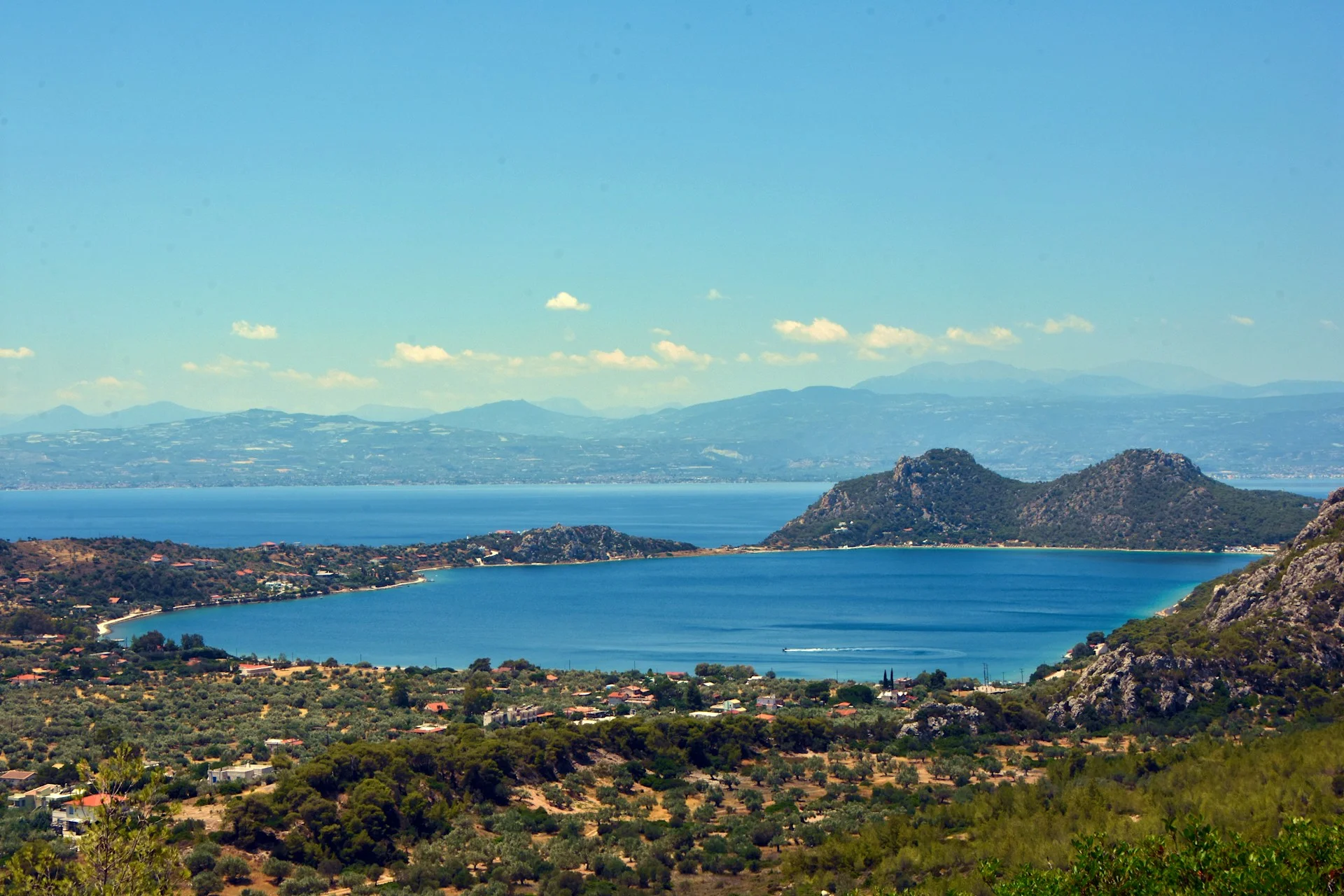
In Peloponnese land is naturally considered for private residential building, hospitality-linked use, and selective coastal expansion because the region combines broad inland space with shoreline demand and varied local settlement patterns
Coast and Interior
The spatial appeal of land here comes from a peninsula structure where coastal belts, inland valleys, and town-edge environments create very different plot conditions, making location logic more important than simple regional scale
Tourism and Space
Strategic value in this market is shaped by strong seasonal demand, broad plot availability inland, and the importance of sites that balance immediate residential or hospitality use with longer regional relevance
Peninsula Spread
In Peloponnese land is naturally considered for private residential building, hospitality-linked use, and selective coastal expansion because the region combines broad inland space with shoreline demand and varied local settlement patterns
Coast and Interior
The spatial appeal of land here comes from a peninsula structure where coastal belts, inland valleys, and town-edge environments create very different plot conditions, making location logic more important than simple regional scale
Tourism and Space
Strategic value in this market is shaped by strong seasonal demand, broad plot availability inland, and the importance of sites that balance immediate residential or hospitality use with longer regional relevance


Useful articles
and recommendations from experts
Land plots in Peloponnese and how buyers read regional plot logic
Why land has strong relevance across Peloponnese
Peloponnese is a land market defined by range. It combines coastline, inland settlement networks, agricultural plains, mountain transitions, and a long series of towns and local centres that create more than one clear reason to consider a plot. Buyers usually look at land here when they want more control over use, scale, or final format than a ready-built property can provide. That makes land a practical format across both lifestyle-led and more strategic decisions.
The region is broad enough to support several buyer aims at once. Some focus on private residential building in lower-density settings. Others look for coastal land tied to tourism or hospitality use. There are also buyers who want town-edge or inland plots where settlement continuity is clearer and pricing logic can feel more grounded. In Peloponnese, land matters because the region offers real choice without becoming too compressed to compare.
How land fits the wider structure of Peloponnese
Peloponnese does not behave like one uniform territory. It is a large peninsula with multiple coastal fronts, interior valleys, smaller cities, market towns, and village-linked settlement patterns that vary sharply from one subarea to another. That means a plot should never be judged by region name alone. A coastal parcel, an inland residential edge site, and a more transitional plot between town and open land each belong to a very different land story.
The most important spatial contrast is often between shoreline demand and interior flexibility. Coastal zones can attract strong attention because they combine seasonal use, lifestyle appeal, and hospitality logic. Inland areas often provide more room, more practical plot scale, and clearer town-edge land environments. The strongest land decisions usually come from knowing which of these two structures the buyer actually needs rather than assuming the coast is always the best answer.
This wider structure is one of the region's biggest advantages. Peloponnese gives buyers multiple entry points into the land market, but it also demands better spatial reading. Comparison only becomes useful when plots are grouped by function, access, and settlement type rather than by regional image alone.
Which land-use clusters matter most in Peloponnese
The dominant cluster in Peloponnese is private residential and hospitality-linked land. Buyers often consider plots for villas, detached homes, small accommodation formats, or low-density residential concepts that align with the region's settlement pattern and seasonal demand. This makes sense in a region where both everyday living and visitor-driven use can shape the appeal of the same location.
The secondary cluster is agricultural-edge and inland transitional use. In Peloponnese, many plots matter because they sit between established settlements and wider open territory. These are not simply rural plots in an abstract sense. They can have strong practical value when they occupy a clear local role and support residential building, mixed personal use, or gradual long-term positioning connected to local growth.
The key is not to flatten the whole region into a tourism-only story. Coastal and hospitality logic is important, but inland residential and transition patterns remain a major part of how land actually works across the peninsula.
What kinds of land plots in Peloponnese usually make practical sense
One of the clearest categories is settlement-edge land near towns, villages, and smaller local centres where housing or mixed seasonal use already feels natural. These plots are often easier to assess because the surrounding built pattern provides direct clues about scale, continuity, and practical use. Buyers who want to buy land in Peloponnese often begin here because such sites create a clearer bridge between local structure and future building plans.
Another relevant category is coastal or near-coastal land, especially where private residential use and hospitality demand overlap. Here, discipline matters. A sea-facing position can increase attention, but the best plots are usually not the most dramatic ones on paper. They are the ones that combine access, believable settlement fit, and a realistic use pattern rather than relying only on visual appeal.
The region also includes interior transitional plots where settlement gives way to broader open land. These sites can offer strong flexibility, but only when they belong to a coherent local pattern. Peloponnese rewards buyers who focus on role and fit instead of assuming that size or scenery alone creates value.
What makes one Peloponnese plot more practical than another
Practical value in Peloponnese starts with fit between the parcel and the surrounding local pattern. Buyers should compare shape, access, relation to nearby settlement, and how naturally the site supports the intended use. A plot inside a strong village edge, a clear town belt, or a coherent coastal settlement zone usually creates better decision quality than a more dramatic parcel with weaker continuity.
It also helps to separate regional charm from actual usability. A more scenic location does not automatically create a stronger land decision if the plot itself is awkward, poorly connected, or detached from a practical use environment. In the same way, an inland site with cleaner access and stronger settlement fit may outperform a more visually obvious alternative. This is why land plots in Peloponnese should be compared through structure rather than image alone.
Land in Peloponnese versus apartments and ready houses
Ready-built property gives immediate occupation. Land gives control. In Peloponnese, that distinction matters because many buyers arrive with a clear idea of how they want the final property to function, whether as a private home, a villa, a hospitality format, or a more flexible long-use asset. A plot becomes attractive when it allows the buyer to shape the result more precisely than a completed property would allow.
That does not make land automatically stronger than a ready house. In some towns and coastal areas, fixed property may remain the more direct solution. Land becomes the stronger route when the extra control over layout, density, setting, or build sequence clearly improves the outcome. In a region with so much variation between coast and interior, that freedom can be a major advantage when the site is selected well.
How to read actual plot options in Peloponnese through the VelesClub Int. catalog
When reviewing land for sale in Peloponnese, the first task is to define the intended use with discipline. Is the goal a private residential build, a hospitality-linked concept, or a plot that sits between settlement and wider open land with longer practical relevance? Without that first step, the region can feel too broad and buyers may compare sites that do not belong in the same decision frame.
The next step is to identify the land environment. Is the parcel part of a coastal belt, an inland town edge, a village-linked setting, or a broader transition zone? This is where the VelesClub Int. catalog becomes especially useful. It helps turn a broad regional search into a more structured review of plot environments that can actually be compared by use logic and spatial role.
VelesClub Int. also helps narrow general regional interest into a more disciplined shortlist. Some buyers begin with a coastal idea and then realise that inland settlement-edge land fits their real aim better. Others start with a residential plan and discover stronger long-term relevance in a more tourism-linked local environment. Once Peloponnese is read through land structure instead of broad regional image, the next step becomes much clearer.
What buyers often ask about land in Peloponnese
Why does land in Peloponnese feel so varied from one area to another? Because the region combines several coastlines, inland valleys, town networks, and different settlement patterns rather than one single land model.
Where does buildable land in Peloponnese usually make the most sense? Most often near established settlements, in coherent coastal belts, and in inland edge zones where residential or hospitality use already fits the surrounding structure.
Why do similarly priced plots differ so much in Peloponnese? Because one site may offer stronger access, cleaner settlement continuity, and a more practical local role, while another relies more on scenery without the same usable fit.
Is Peloponnese mainly a coastal tourism land market? Coastal and hospitality logic is important, but inland residential and transition plots also form a major part of the region's practical land story.
How should buyers compare land plots in Peloponnese intelligently? Start with the intended use, then compare only the parcels that match that use and belong to the right coastal or inland land environment.
What makes a plot more flexible in Peloponnese? A clear footprint, workable access, and a position inside a local pattern that supports today's residential or hospitality plan while keeping longer relevance over time.
Land in Peloponnese becomes easier to judge when the peninsula is read as a set of distinct coastal and interior plot environments rather than one broad southern label. Once that logic is clear, reviewing relevant options in the VelesClub Int. catalog or submitting a structured request becomes the practical next step.