
Investment Land in EcuadorLand opportunities aligned with investment strategy
Best offers
in Ecuador
Land Plots in Ecuador


Multi use ground
Ecuador appeals to buyers because one market supports several clear land uses: valley plots for custom homes, coastal sites for hospitality ideas, productive agricultural land, and city-edge parcels for mixed residential or commercial formats
Altitude contrast
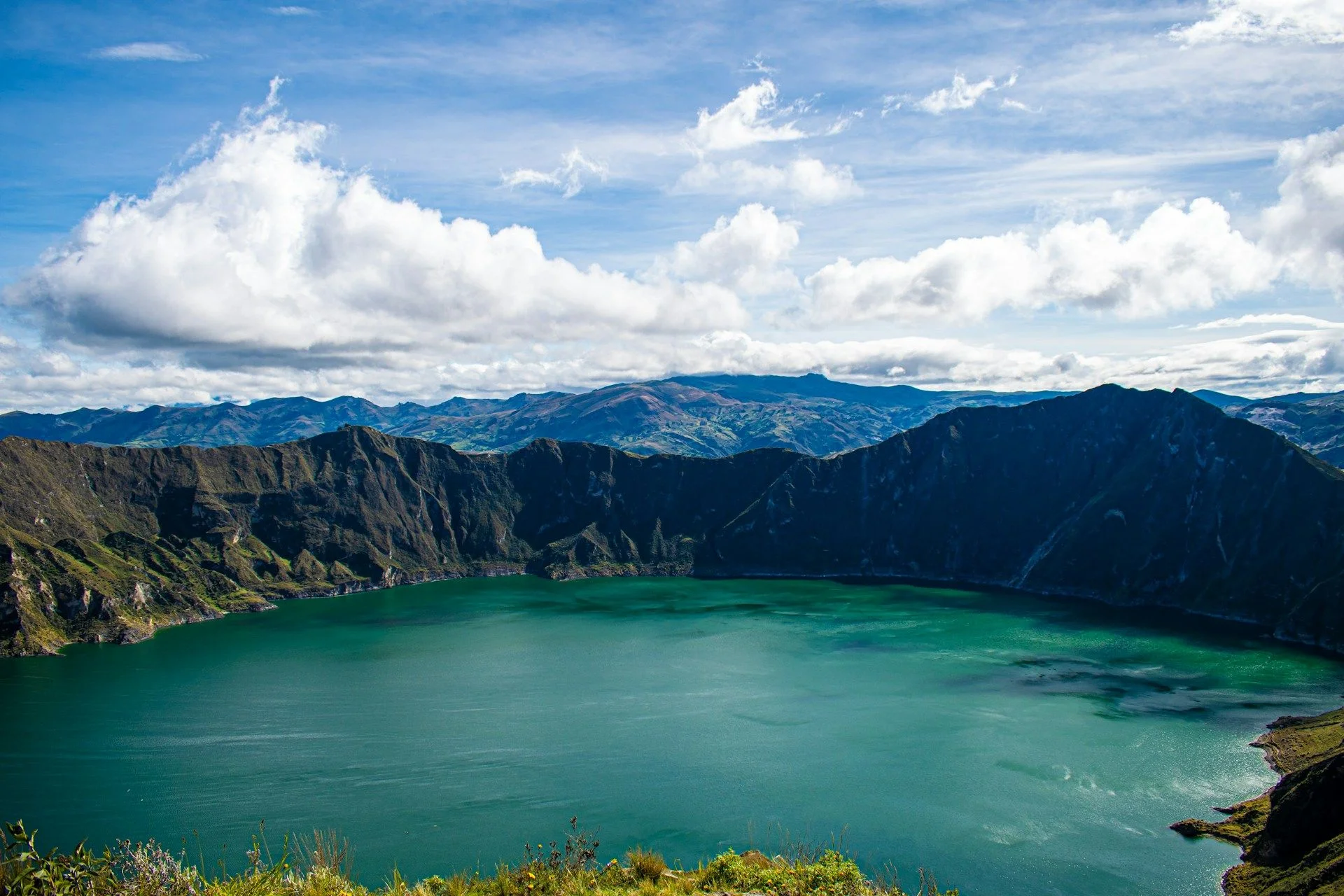
What makes Ecuador distinctive is vertical geography. Elevation, climate, slope, and access can change within short distances, so two plots with similar size may differ sharply in drainage, usability, growing conditions, and building effort
Corridor appeal
Land stays relevant in Ecuador because metropolitan expansion, coastal tourism, export agriculture, and logistics movement around major corridors can gradually raise the practical and strategic value of plots positioned in the right areas
Multi use ground
Ecuador appeals to buyers because one market supports several clear land uses: valley plots for custom homes, coastal sites for hospitality ideas, productive agricultural land, and city-edge parcels for mixed residential or commercial formats
Altitude contrast
What makes Ecuador distinctive is vertical geography. Elevation, climate, slope, and access can change within short distances, so two plots with similar size may differ sharply in drainage, usability, growing conditions, and building effort
Corridor appeal
Land stays relevant in Ecuador because metropolitan expansion, coastal tourism, export agriculture, and logistics movement around major corridors can gradually raise the practical and strategic value of plots positioned in the right areas








Useful articles
and recommendations from experts
Buying land in Ecuador for building and long-term use
Land attracts attention in Ecuador because one country contains several very different land decisions. A buyer can look at a valley plot near Quito for a custom home, compare it with a peri-urban site near Guayaquil for mixed residential or commercial use, study a coastal parcel for hospitality or second-home planning, or focus on productive ground in farming regions where the land has a direct operating purpose. The appeal is not only scale or entry level. It is the ability to match the site to a clear use in a country where mountains, coast, rainfall, roads, and settlement density all shape the answer differently.
That is why land for sale in Ecuador should never be read as one uniform market. Highland valleys, metropolitan edges, Pacific zones, and lower agricultural belts behave differently even when plots appear similar on paper. A site that works well for near-term building in one area may be weak for the same purpose elsewhere because slope, drainage, access, and surrounding land use change the real effort required after purchase. Buyers usually make stronger decisions when they define the intended use first and only then compare price, size, and presentation.
Why buyers consider land in Ecuador
Ecuador attracts land buyers because it offers flexibility that finished property does not always provide. A completed building already fixes the layout, density, and many of the design assumptions. Land allows the buyer to decide how much space to use now, how much to reserve for later, and whether the site should support private residential use, a hospitality concept, agriculture, or a mixed format. That freedom matters in a country where local conditions change quickly and the strongest land choices often come from fitting the site to the place rather than accepting someone else's finished solution.
Demand also comes from the fact that Ecuador combines several practical land motives in one market. Around larger cities, buyers may want residential plots with room for custom building and phased development. In coastal areas, land may be interesting because tourism and second-home demand support a different type of use. In agricultural districts, the plot may matter because it can produce directly. Along active routes and city fringes, buyers may see value in service, storage, workshop, or mixed commercial logic. The country does not create one land story. It creates several, and that is exactly why selection has to stay disciplined.
Which land categories matter most across Ecuador
Residential land is usually the most visible category, especially around Quito, Cuenca, Guayaquil, and the expanding belts around those urban systems. Here the better plot is rarely the one that is simply largest. It is usually the one with a shape that supports building well, access that feels workable every day, and a surrounding pattern that already supports ordinary life. In peri-urban areas, slightly more distance can bring more space, but only when roads, services, and local growth still make the plot practical.
Agricultural land follows a different logic. Buyers in this segment need to think about water, slope, soil behavior, road reach, and whether the land supports real operations instead of only looking generous in area. Coastal and lower-elevation agricultural zones often behave differently from highland land. Commercial and mixed-use plots matter most near movement corridors, active roads, and growing city edges where daily demand supports them. Hospitality-oriented land becomes more relevant in coastal or scenic areas, but even there the best plot is the one that combines attraction with functional access and realistic preparation.
What buildable land means in Ecuador
Buildable land in Ecuador should be understood in practical rather than abstract terms. A plot is not truly buildable just because it is open ground. It has to support the intended structure with workable dimensions, manageable slope, sensible drainage, and clear entry for vehicles, materials, and future daily use. This is especially important in a country where elevation and terrain can shift within a short drive.
Two sites of similar size may create completely different building realities. One may be broadly level and easy to prepare, while another may ask for grading, retaining work, drainage solutions, or more complex access before construction becomes sensible. Buyers should think less about the empty appearance of the land and more about whether the site quietly supports the project instead of resisting it from the start.
Ownership realities on the ground in Ecuador
For land buyers, ownership should be understood through use. Boundaries matter because they define how efficiently the site can be occupied, fenced, divided, or built on. Access matters because a plot with weak entry can become difficult before any real project begins. Easement reality, utility reach, surface maintenance, and drainage behavior all influence how quickly the land becomes functional after acquisition.
This matters strongly in Ecuador because the same area can behave very differently depending on slope, rainfall, and regional road conditions. A parcel that looks straightforward on paper may ask far more from the owner once water runoff, hillside access, or maintenance effort are considered. Practical ownership is not only about having the plot. It is about how manageable the plot is after it becomes yours.
Where land value changes inside Ecuador
Land value in Ecuador changes with geography more than many buyers expect. Around Quito and its surrounding valleys, the draw often comes from residential demand, climate preference, and the balance between city access and more spacious living. Around Guayaquil and nearby growth belts, buyers may care more about movement, commercial practicality, or the connection between urban expansion and business use. Around Cuenca, residential and lifestyle-oriented demand may shape the land decision differently again.
Coastal areas create another market logic. Some plots matter because they suit hospitality or second-home concepts, while others are stronger for agricultural or service uses linked to movement and local demand. Highland farming zones follow their own pattern, where topography and water matter as much as location name. The main lesson is simple: Ecuador should be read as several land realities inside one country, not as one national average.
Terrain and water change land quality in Ecuador
Terrain is one of the first serious filters in Ecuador. A plot with strong views may still be weak for the intended project if the slope creates too much preparation work or limits usable building area. Water matters just as much. In some places the challenge is runoff and drainage. In others it is whether the land can support the level of use the buyer wants without costly extra effort.
That is why buyers who want to buy land in Ecuador should pay close attention to how the site behaves physically. Rainfall pattern, road approach, exposure, and elevation all shape the distance between raw land and usable land. The best plot is often not the most dramatic one. It is the one where physical conditions and intended use work together without constant compromise.
How use and timing should guide land decisions in Ecuador
The right plot depends heavily on when the buyer wants the land to become useful. Someone planning a near-term home build usually needs cleaner access, simpler topography, and a surrounding area that already feels workable for everyday life. Someone positioning for a future hospitality or mixed-use concept may accept more preparation time, but only where the area direction makes that patience reasonable.
Timing also changes how much flexibility is truly valuable. A buyer pursuing direct agricultural use should usually focus on operating suitability from the beginning. A buyer seeking long-term positioning near an expanding city may accept a different profile. The strongest decisions usually happen when purpose, timing, and local area logic all point in the same direction.
What buyers should test before choosing land in Ecuador
Before commitment, the buyer should test the plot against real use instead of broad intention. Can vehicles and building materials reach it comfortably in ordinary conditions? Does the shape support the proposed structure or operation without wasting useful area? Is the surrounding pattern compatible with the plan, or does it introduce friction? Does rainfall or slope quietly increase the effort required after acquisition?
Feasibility in Ecuador often comes down to the gap between attractive land and practical land. Some sites look appealing because the asking level is lower or the area seems generous, but they require more preparation than expected. Other sites may appear less dramatic, yet prove more rational because they move from ownership to use with fewer assumptions. The buyer should not only ask what the land is. The buyer should ask what the land asks back.
How to read land plots in Ecuador in the catalog
When reviewing land plots in Ecuador in the VelesClub Int. catalog, start by separating the use case. Residential, agricultural, hospitality, commercial, and mixed-use intent should not be compared through one filter. Once the purpose is clear, compare plots by terrain behavior, access quality, shape efficiency, likely preparation workload, and how the surrounding area supports the plan.
This makes the catalog more useful because it turns browsing into selection logic. A residential buyer should focus on buildability, daily access, and area fit. An agricultural buyer should read each option through operating practicality. A hospitality buyer should look at both attraction and execution. Once the correct filter is clear, comparing actual plots becomes far more disciplined.
Land and finished property in Ecuador offer different control
Finished property offers speed and a visible outcome. Land offers control over layout, density, staging, and future use. In Ecuador that difference matters because the local landscape often rewards a site-specific response. A finished building may save time, but it can also lock the buyer into a design that fits the area less well than a custom solution would.
Land is often the stronger choice when the buyer wants phased development, a more tailored residential format, a productive site, or a project shaped around local terrain. Finished property is often stronger when immediate occupation matters more than flexibility. The better format depends on whether the buyer values speed or control more in that exact part of Ecuador.
How VelesClub Int. supports land selection in Ecuador
VelesClub Int. helps turn broad interest into a more disciplined land decision by narrowing the search around purpose, practicality, and local fit. Instead of treating every plot as equivalent, the process becomes clearer: define the intended use, focus on the right part of Ecuador, compare the plot characteristics that affect real execution, and then review relevant options in the catalog with a sharper filter.
That approach matters because land choices become much stronger when the buyer stops reacting to surface appeal alone. The right site is usually the one where access, topography, area logic, timing, and future use align. Once that logic is clear, reviewing relevant plots in the VelesClub Int. catalog and submitting a request becomes the natural next step.
Key land questions in Ecuador
Why can two similarly priced plots in Ecuador feel so different in real value?
Because price may reflect size, while actual value depends on slope, drainage, access quality, utility feasibility, and whether the surrounding area supports the intended use without major extra effort.
What do buyers most often underestimate about land in Ecuador?
They often underestimate how quickly elevation and terrain change the project. A short distance can create a major difference in site preparation, usability, climate, and long-term maintenance demands.
Why does road quality matter so much for land selection in Ecuador?
Road quality affects construction logistics, everyday use, service reach, and future flexibility. A simpler plot with better access can be more practical than a larger or more scenic site with weaker approach conditions.
What usually makes land less useful than it first appears in Ecuador?
Steep topography, runoff issues, awkward shape, or a mismatch between the intended use and the surrounding land pattern can all reduce the practical strength of an otherwise attractive-looking plot.
How should buyers compare Ecuador plots inside the catalog?
They should compare purpose first, then terrain, access, shape, likely preparation work, and local area fit. That method reveals which plots truly support the plan and which ones only look broadly appealing.
When is land a stronger choice than finished property in Ecuador?
Land is often stronger when the buyer wants layout control, phased development, agricultural use, or a project designed around local terrain instead of adapting to a ready-made building with fixed assumptions.
What is the clearest next move after understanding land logic in Ecuador?
Review the available plots with a sharper filter. Once the use case and practical criteria are defined, it becomes easier to focus on suitable options in the VelesClub Int. catalog and submit a request with real direction.