
Plots for Sale in TibetStructured regional land opportunities for ownership and growth
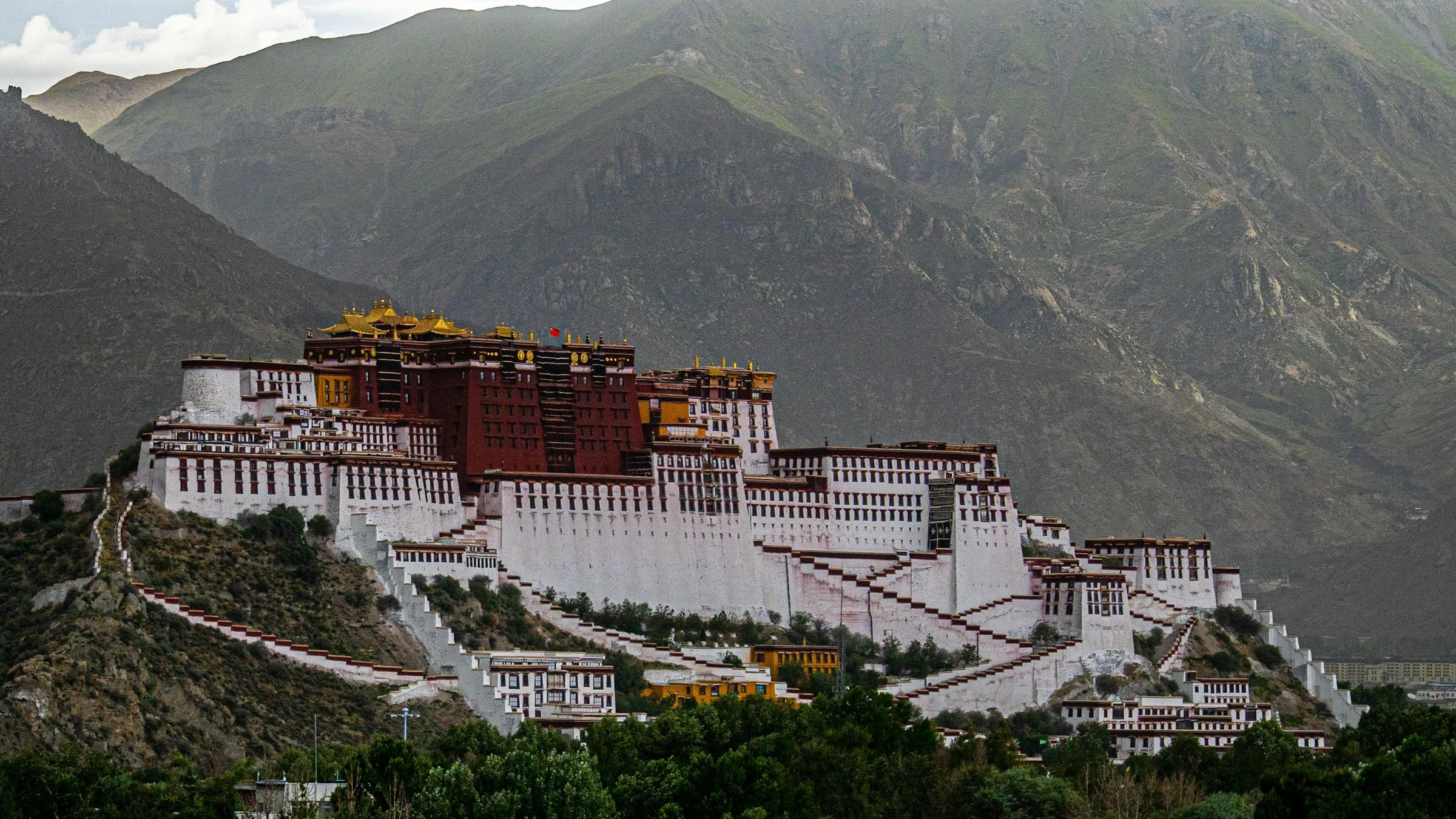
Best offers
in Tibet
Land Plots in Tibet


Plateau uses
Tibet attracts land buyers because one region supports valley-based family homes, tourism-facing lodge concepts, pastoral support sites, and lower-density compounds where open space, sunlight, and long-horizon land use create practical value
Altitude logic
What makes Tibet distinctive is the contrast between broad high plateau, settled river valleys, greener southeastern districts, and major monastery and tourism corridors, where elevation, climate, and access reshape a plot's real usefulness
Long horizon
Land remains attractive in Tibet because strong tourism routes, administrative centers, river-valley settlements, and long-term infrastructure expansion keep well-positioned plots relevant for housing, hospitality, service support, and phased practical use
Plateau uses
Tibet attracts land buyers because one region supports valley-based family homes, tourism-facing lodge concepts, pastoral support sites, and lower-density compounds where open space, sunlight, and long-horizon land use create practical value
Altitude logic
What makes Tibet distinctive is the contrast between broad high plateau, settled river valleys, greener southeastern districts, and major monastery and tourism corridors, where elevation, climate, and access reshape a plot's real usefulness
Long horizon
Land remains attractive in Tibet because strong tourism routes, administrative centers, river-valley settlements, and long-term infrastructure expansion keep well-positioned plots relevant for housing, hospitality, service support, and phased practical use








Useful articles
and recommendations from experts
Land for sale in Tibet for practical high-altitude use
Land attracts attention in Tibet because this region creates several very different land decisions at once. A buyer may be comparing a family homesite in a settled valley, a tourism-facing parcel near a major route, a lower-density compound site outside an urban center, or a practical service-oriented tract where movement, pilgrimage, and everyday support needs already shape the market. The appeal is not only landscape. It is the ability to match a plot to a real purpose in a place where altitude, sunlight, valley geography, tourism flow, and long-distance logistics all change practical land value.
That is why land for sale in Tibet should never be treated as one uniform category. A plot near Lhasa behaves differently from land around Shigatse, Nyingchi, Nagqu, or more remote plateau districts where climate, roads, settlement density, and utility reach follow another pattern. A parcel that works for near-term homebuilding in one part of Tibet may be weak for the same purpose elsewhere because elevation, slope, wind exposure, access quality, and surrounding activity create a very different level of effort after purchase. Buyers usually make stronger decisions when they define the intended use first and only then compare location, shape, and price.
Why buyers consider land in Tibet
Buyers usually look at land in Tibet because finished property does not always provide the same degree of control. A completed house, lodge, guest property, or service building already fixes layout, density, and site response. Land allows the buyer to decide whether the priority is a custom family home, a phased residential project, a hospitality concept tied to a valley route, a support site for local service use, or a longer-horizon hold in an area where surrounding activity already gives the parcel practical direction.
Tibet also attracts land demand because several strong land motives coexist in one regional market. Some buyers want plots that stay near administrative centers, hospitals, schools, and ordinary services while still offering more room than finished property. Others focus on tourism-facing land where pilgrimage routes, scenic demand, and visitor traffic already shape the use. Some want lower-density family land in greener or more sheltered valleys. The strongest decisions usually come from matching the parcel to the local altitude and settlement rhythm instead of treating every site as interchangeable.
Land categories in Tibet depend on altitude and settlement pattern
Residential land is usually the first category buyers notice, especially in valley towns and around the strongest district centers where daily access matters. In this segment, the stronger parcel is rarely the one that is simply largest. It is usually the one with a cleaner shape, better road connection, stronger solar exposure, and a surrounding pattern that supports ordinary life without long extra setup. A smaller site in the right valley belt can be more useful than a much larger tract that still sits too far from practical movement.
Hospitality-oriented land follows another logic. Here buyers care about scenery, route visibility, and year-round operational realism, not only dramatic views. Lower-density family land creates another filter again, where usable open ground matters just as much as realistic access to services and manageable winter conditions. Service-support land matters most where local movement, tourism, and district-level demand already support it. In Tibet, the category itself is never enough. The parcel has to be read through the exact outcome it is meant to support.
What buildable land means in Tibet
Buildable land in Tibet should be understood in practical rather than abstract terms. An empty parcel is not automatically ready for a house, lodge, workshop, or mixed-use project. The site needs workable dimensions, manageable slope, realistic drainage, and an entry route that makes both construction and future daily use sensible. This matters especially in a high-altitude region where one parcel may sit on sheltered valley ground while another nearby may be shaped by stronger wind, colder exposure, harder winter movement, or more difficult building preparation.
Two plots of similar size can therefore produce very different building outcomes. One may be relatively level, easy to organize, and quick to activate. Another may ask for grading, retaining work, runoff control, or more site preparation before any real project becomes practical. The stronger parcel is often not the one that looks most dramatic on paper. It is the one where the land quietly supports the intended use without forcing the buyer to solve too many physical problems first.
How ownership realities work in Tibet
Ownership should be read through daily function rather than description alone. Boundaries matter because they define how efficiently the site can be occupied, divided, fenced, or used. Access matters because a parcel with awkward entry, weak frontage, or a poor relationship to surrounding roads can become difficult long before construction starts. In a region where long-distance travel, weather, and terrain already create natural limits, the link between the plot and nearby movement often matters just as much as the parcel itself.
Utilities and maintenance are part of ownership as well. Buyers should think about how directly the site can be serviced, how runoff and freeze-thaw conditions affect long-term upkeep, and whether the parcel remains manageable once it becomes an active property. In Tibet, where valley lots, tourism-facing plots, urban-edge sites, and remote plateau parcels all behave differently, the stronger site is usually the one that asks less from the owner after purchase and supports the intended use more directly.
Where land value changes across Tibet
Land value does not move evenly across Tibet. In and around Lhasa, buyers often focus on access, daily convenience, and the practical link between land and the strongest administrative and service concentration in the region. Around Shigatse, the logic may shift toward corridor movement, district-level services, and a different mix of housing and local business use. Around Nyingchi, land may be judged differently because greener valleys, lower relative elevation, and tourism appeal shape how a parcel is read.
Higher and more remote plateau districts should be read differently because larger land may be easier to find there, yet real value depends more heavily on roads, climate, and whether the parcel still supports ordinary daily life. This is why land plots in Tibet should always be compared through subregional logic rather than by size alone. The region works as one cultural and administrative landscape, but land value is still highly sensitive to exactly how a plot connects to roads, settlements, and year-round use.
How altitude and valley structure reshape Tibet plots
Ground conditions are one of the first serious filters in Tibet. A parcel with broad views or strong plateau character may still be weak for the intended project if elevation, wind, runoff, or difficult access make building and daily use much harder than expected. In valley settings, practical strength often depends on whether the parcel converts efficiently into normal family or hospitality use. In higher and more exposed locations, the key question is often how much of the site is truly usable without heavy correction.
The better parcel is often not the most dramatic one. It is the one that moves from raw land to usable land with fewer hidden assumptions. In Tibet, small differences in altitude, road quality, and sun exposure can create a much larger difference in real value than many buyers expect.
How buyers should think about use and timing in Tibet
The right plot depends heavily on when the buyer wants it to become useful. Someone planning a near-term family home usually needs stronger access, shorter utility distance, and a surrounding area that already supports everyday life. Someone pursuing a hospitality-oriented or service-led concept may accept a more specialized location, but only where the local area direction supports that patience. Someone choosing lower-density family land should still ask whether the parcel already has a clear practical role instead of relying only on broad scenic appeal.
This is why buyers who want to buy land in Tibet should define timing early. Is the parcel for immediate construction, phased development, family use, hospitality use, local service activity, or a longer-horizon hold. The answer changes what counts as a strong site. Without timing discipline, buyers often choose land that sounds attractive in broad plateau terms but does not match the speed or structure of the real plan.
How to read actual plot options in Tibet in the VelesClub Int. catalog
When reviewing land plots in Tibet in the VelesClub Int. catalog, start with category discipline. Separate residential, hospitality-facing, service-led, lower-density family, and longer-horizon hold intentions before comparing anything else. Then compare each option by subregional fit, access quality, shape efficiency, likely preparation workload, and the strength of surrounding activity that supports the intended use.
This turns browsing into selection logic. A residential buyer should focus on buildability, access, and everyday practicality. A hospitality-facing buyer should balance attraction with year-round execution. A service-led buyer should focus on local movement and district demand. A lower-density family buyer should focus on usable ground and manageable servicing. Once the correct filter is clear, the difference between merely available land and genuinely suitable land becomes much easier to see.
Land versus finished property in Tibet
Finished property offers speed and a visible immediate outcome. Land offers control over layout, timing, density, and future use. In Tibet, that distinction matters because the site itself often determines whether the final result fits the place well. A completed asset may save time, but it can also lock the buyer into a format that responds poorly to local slope, access, drainage, or exposure. Land lets the buyer shape the result around those realities.
Land is often the stronger choice when the buyer wants a tailored residential format, a family project, a hospitality concept, or a parcel chosen around exact local conditions. Finished property is often stronger when immediate occupation matters more than flexibility. The better route depends on whether the buyer values speed or control more in that exact part of Tibet.
How VelesClub Int. supports land selection in Tibet
VelesClub Int. helps turn broad interest into a more disciplined land decision by narrowing the search around purpose, practicality, and local fit. Instead of treating every parcel as equivalent, the process becomes clearer: define the intended use, focus on the right part of Tibet, compare the site characteristics that affect execution, and then review relevant options in the catalog with a sharper filter. The right plot is usually the one where access, timing, area logic, and future use align.
Once that logic is clear, reviewing relevant plots in the VelesClub Int. catalog becomes the natural next step. A structured request also becomes easier to shape around real priorities rather than broad preference.
Key land questions in Tibet
Why can two similarly priced plots in Tibet feel very different in real value
Because price may reflect broad scenic appeal, while actual value depends on access, drainage, shape, frontage, service practicality, sun exposure, and how directly the parcel supports the intended use without heavy extra preparation
Why can a valley parcel in Tibet sometimes be stronger than a more dramatic high plateau one
Because some buyers need easier daily access, simpler buildability, and lower maintenance more than extreme setting. A flatter valley site near stronger roads may outperform a more scenic parcel that is harder to activate well
What do buyers most often underestimate when choosing land in Tibet
They often underestimate how much subregion changes the project. A parcel near Lhasa, Shigatse, Nyingchi, or a more remote plateau district may follow very different practical rules even when the asking level looks comparable
Why does road access matter so much for land in Tibet
Because road quality affects construction, daily use, utility work, and long-term practicality. A site with cleaner access usually becomes more usable more quickly than a larger parcel with weaker approach conditions
How should buyers compare real plots in Tibet inside the catalog
They should compare purpose first, then subregion, access, shape, likely preparation work, and the strength of the surrounding area for the planned use. That reveals real fit much more clearly than area alone
What is the clearest next step after understanding land logic in Tibet
Review the available plots with a sharper filter so the search matches real priorities, then focus on the options in the VelesClub Int. catalog that best fit the intended use and submit a request with clear direction