
최고의 제안
플로리다에서
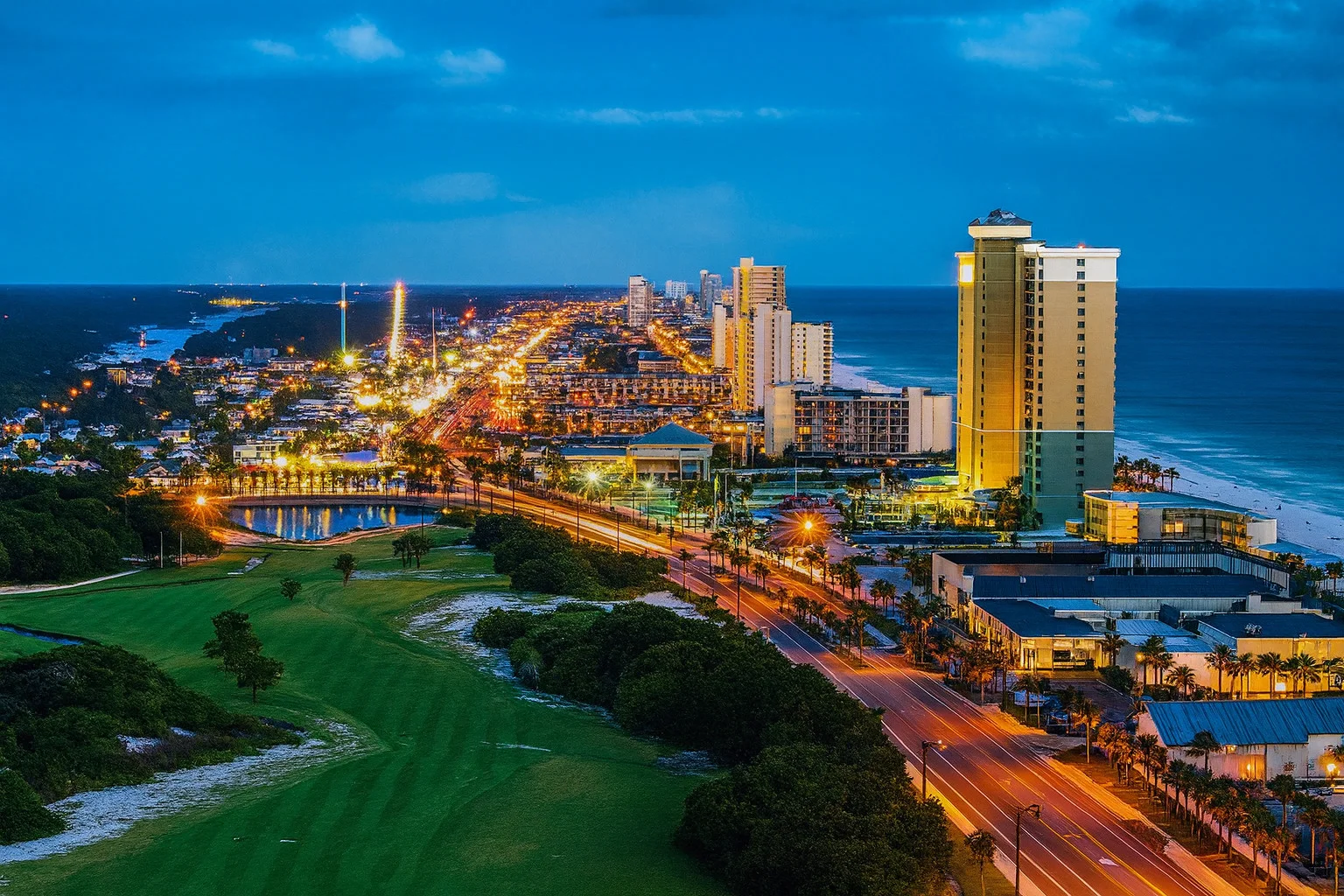
파나마시티(미국) 상업용 부동산 투자 혜택


지역 수요 요인
파나마시티의 수요는 걸프 코스트 관광, 지속적인 군사 주둔, Port Panama City의 물류, 의료·교육 허브, 경공업 등에 의해 형성되며, 이는 다양한 임차인 구성의 안정성과 여러 임대 구조를 뒷받침합니다
관련 자산 유형
숙박·계절형 숙소, 근린 소매, Port Panama City를 지원하는 산업 창고, 의료 허브 인근의 의료 사무실이 주를 이루며, 이는 안정적 임차인을 둔 코어 넷리스부터 가치 개선 재포지셔닝, 다중 임차인 또는 단독 임차인 전략까지 가능하게 합니다
전문가 선정 지원
VelesClub Int. 전문가들이 전략을 수립하고 자산을 선정하여 임차인 품질 점검, 임대 구조 검토, 수익성 논리 평가, 자본적 지출 및 인테리어 가정, 공실 위험 평가, 실무 중심의 실사 체크리스트 등으로 선별 심사를 진행합니다
지역 수요 요인
파나마시티의 수요는 걸프 코스트 관광, 지속적인 군사 주둔, Port Panama City의 물류, 의료·교육 허브, 경공업 등에 의해 형성되며, 이는 다양한 임차인 구성의 안정성과 여러 임대 구조를 뒷받침합니다
관련 자산 유형
숙박·계절형 숙소, 근린 소매, Port Panama City를 지원하는 산업 창고, 의료 허브 인근의 의료 사무실이 주를 이루며, 이는 안정적 임차인을 둔 코어 넷리스부터 가치 개선 재포지셔닝, 다중 임차인 또는 단독 임차인 전략까지 가능하게 합니다
전문가 선정 지원
VelesClub Int. 전문가들이 전략을 수립하고 자산을 선정하여 임차인 품질 점검, 임대 구조 검토, 수익성 논리 평가, 자본적 지출 및 인테리어 가정, 공실 위험 평가, 실무 중심의 실사 체크리스트 등으로 선별 심사를 진행합니다
추가 서비스
VelesClub Int.








유용한 기사
및 전문가 추천
Commercial property in Panama City (USA) market overview
Why commercial property matters in Panama City (USA)
Panama City (USA) supports a concentrated set of local economic drivers that create demand for a range of commercial property types. The city functions as a regional services hub for Bay County and nearby coastal communities, generating persistent needs for office space used by professional services, government-related functions, and healthcare administration. Retail demand is shaped by local population centers and seasonal tourism through nearby coastal gateways, producing a mix of convenience and tourist-oriented retail. Hospitality and leisure accommodation underwriting is sensitive to regional visitor flows, while healthcare and education-related occupiers require specialized floor plates in accessible locations. Industrial and warehousing needs are driven by regional distribution, contractors and light manufacturing that serve construction and energy service sectors. Buyers in this market include owner-occupiers seeking stable operational locations, yield-focused investors acquiring leased assets, and operators looking for repositioning opportunities in underperforming stock.
The commercial landscape – what is traded and leased
Inventory in Panama City (USA) typically comprises central business district offices, high-street retail corridors, neighborhood shopping nodes, business parks and logistics zones near major truck routes. Lease-driven value is strongest where tenant income streams are predictable and indexed; such assets trade on lease terms, tenant covenant strength and vacancy risk. Asset-driven value emerges where physical features, land assembly or rezoning potential create upside irrespective of current rent rolls. In Panama City (USA) the balance between these two logics depends on location: core downtown and high-traffic retail corridors trade primarily on lease metrics, while older peripheral buildings or oversized sites may trade for asset play potential, including redevelopment into mixed-use or repurposed industrial floors for last-mile logistics. Understanding whether a market segment is lease-driven or asset-driven is essential when comparing cap-rate expectations and repositioning costs.
Asset types that investors and buyers target in Panama City (USA)
Retail space in Panama City (USA) ranges from main corridor strip centers and neighborhood convenience retail to standalone units positioned for service operators. High-street retail benefits from footfall and visibility but requires active tenant mix management; neighborhood retail focuses on necessity-led tenants with more stable turnover. Office space in Panama City (USA) includes mid-rise downtown professional suites, suburban office parks and small owner-occupied buildings. Prime versus non-prime office logic is a function of access to labor pools, parking and tenant amenities; prime downtown assets command longer leases and stronger tenant covenants, while suburban offices are more sensitive to local demand cycles. Hospitality assets and restaurant-cafe-bar premises depend on tourism seasonality and local leisure trends; these are operationally intensive and require separate revenue models. Warehouse property in Panama City (USA) and light industrial are increasingly relevant for e-commerce distribution and regional contractors; proximity to arterial roads and clear height, loading and yard space drive value. Revenue houses and mixed-use buildings can provide diversification of income streams where ground-floor retail is combined with upper-floor residential or office uses. Serviced office or flex-space concepts can function as a bridge between office and retail dynamics, capturing smaller occupiers and short-term leases, but they require active management and flexible capex planning.
Strategy selection – income, value-add, or owner-occupier
Income-focused strategies emphasize acquiring assets with stable, contractually protected cash flows and low near-term capex requirements. In Panama City (USA), this often means targeting well-let retail and office assets with multi-year leases, indexed rent reviews and conservative tenant concentration. Value-add approaches focus on assets with operational or physical underperformance where refurbishment, re-leasing or reconfiguration can unlock higher rents. Local drivers for value-add include aging office stock where modern floor plans capture premium tenants, repurposing marginal retail into last-mile logistics or service uses, and repositioning hospitality assets to better match seasonal demand patterns. Mixed-use optimization combines income stability with upside, for example stabilizing ground-floor retail and converting upper floors to flexible office or residential uses where zoning allows. Owner-occupier purchases prioritize long-term operational certainty and may trade off near-term yield for control over space and fit-out. In Panama City (USA) the appropriate strategy depends on sensitivity to local business cycles, tenant churn patterns in target sectors, and the influence of tourism seasonality on revenue streams. Regulatory intensity and permitting timelines should be factored into value-add timetables and repositioning budgets in a conservative manner.
Areas and districts – where commercial demand concentrates in Panama City (USA)
Commercial demand in Panama City (USA) concentrates along a few functional axes rather than uniformly across the municipal footprint. The central business area concentrates professional services, government-facing office occupiers and denser retail uses, where walkability and visibility drive rent levels. Emerging business corridors extend along primary arterial roads and near transport nodes where lower rents and larger floor plates appeal to light industrial, logistics and big-box retail. Tourism-oriented demand clusters along routes that connect the city to the coast, supporting hospitality, food and beverage and leisure retail. Residential catchments and suburban commercial strips support neighborhood retail and small office uses that rely on steady local demand rather than transient visitors. Industrial and last-mile logistics tend to situate close to major highways and freight routes that provide efficient access to regional distribution points. When assessing districts, investors should consider commuter flows, transport infrastructure, development vacancy and signs of oversupply in specific product types.
Deal structure – leases, due diligence, and operating risks
When evaluating a transaction in Panama City (USA), buyers typically review lease documentation for term length, break options, renewal rights, indexation clauses and permitted use restrictions. Service charge regimes and common area maintenance responsibilities impact net operating income and should be explicitly modeled. Fit-out obligations and restoration clauses affect repositioning costs and should be quantified before offer. Vacancy and reletting risk is a key sensitivity—understanding local tenant churn norms and reletting timelines in specific submarkets helps model downside scenarios. Capex planning must consider building fabric, mechanical systems and code compliance upgrades; buyers should include conservative allowances for deferred maintenance. Operating risks include tenant concentration, sector cyclicality (for example tourism-driven hospitality), and exposure to regulatory changes that can affect use. Third-party due diligence typically covers physical inspections, environmental screening, zoning and title checks; from a commercial perspective, financial due diligence should validate historical income stability, arrears patterns and any off-balance-sheet liabilities. These review steps are standard practice and should be coordinated early to avoid surprises in negotiation and closing timelines.
Pricing logic and exit options in Panama City (USA)
Pricing for commercial real estate in Panama City (USA) is driven by location quality, tenant creditworthiness, lease term and building condition. High footfall locations with long-term tenants trade at a premium because of predictable cash flows; properties requiring significant capital expenditure or with short lease terms typically price lower to reflect repositioning risk. Alternative-use potential, such as ability to convert underutilized office floors to mixed-use or logistics reconfiguration, can add valuation upside but depends on local planning constraints and absorption projections. Exit options include hold and refinance where stabilized income supports improved loan-to-value metrics, re-lease and sale when leasing markets are strong, or reposition then exit following refurbishment to capture a higher value band. Timing an exit should account for local market cycles, seasonal demand patterns and expected capex completion schedules. Investors should plan exit scenarios that match underwriting assumptions, including the likelihood of a sale in-place versus sale after lease-up or repositioning, and the time needed to realize value in Panama City (USA).
How VelesClub Int. helps with commercial property in Panama City (USA)
VelesClub Int. supports investors and occupiers with a structured process tailored to Panama City (USA). The process begins by clarifying objectives and acceptable risk-return profiles, then defining target segments and district priorities based on the client’s operational needs or investment thesis. VelesClub Int. shortlists assets using criteria that emphasize lease security, tenant mix and projected capital needs, and coordinates initial commercial due diligence to surface material lease and operating risks. For value-add prospects, VelesClub Int. models refurbishment scenarios and re-leasing timelines; for income-focused acquisitions, the firm assesses tenant covenant strength and vacancy sensitivity. During transaction phases, VelesClub Int. facilitates communication among brokers, surveyors and financing partners, and helps align negotiation strategy with underwriting assumptions. All recommendations are adapted to the client’s goals and capabilities and focus on measurable commercial drivers rather than promotional language.
Conclusion – choosing the right commercial strategy in Panama City (USA)
Selecting the appropriate commercial strategy in Panama City (USA) requires matching asset type to local demand, lease structures and district dynamics. Income strategies prioritize stable leases and conservative tenant risk, value-add strategies require realistic capex and reletting timelines, and owner-occupier purchases must balance operational needs against capital commitment. Pricing and exit planning should be grounded in location quality, tenant stability and alternative-use potential. For investors and owner-occupiers evaluating how to buy commercial property in Panama City (USA), consulting with experienced advisors helps align objectives with market realities. Contact VelesClub Int. experts to review strategy options and begin asset screening tailored to your goals in Panama City (USA).