

お得なオファー
ブリュッセルで
Secondary real estate in Brussels

Historic stock
Brussels resale supply combines historic central apartments, mid-century blocks, and newer infill units - buyers encounter diverse layouts with established operating norms and renovation patterns typical for the Belgian capital
Professional demand
Liquidity in Brussels is shaped by local professionals, families, and expatriates seeking stable neighborhoods - resale apartments in Brussels circulate efficiently when unit type, condition, and documentation clarity match buyer segment expectations
Sequential checks
Secondary transactions in Brussels follow a clear sequence of standard checks - confirm title record, review encumbrances, verify registered occupants, and pause and clarify for consents or delegated authority to keep process timing predictable
Historic stock
Brussels resale supply combines historic central apartments, mid-century blocks, and newer infill units - buyers encounter diverse layouts with established operating norms and renovation patterns typical for the Belgian capital
Professional demand
Liquidity in Brussels is shaped by local professionals, families, and expatriates seeking stable neighborhoods - resale apartments in Brussels circulate efficiently when unit type, condition, and documentation clarity match buyer segment expectations
Sequential checks
Secondary transactions in Brussels follow a clear sequence of standard checks - confirm title record, review encumbrances, verify registered occupants, and pause and clarify for consents or delegated authority to keep process timing predictable
物件の注目ポイント
当社専門家が選ぶ、ベルギー、ブリュッセルの物件
見つかった件数: 19
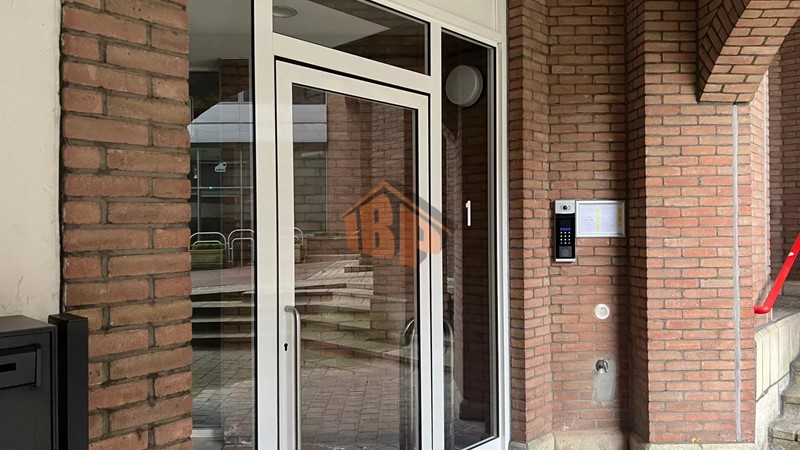
ブリュッセル(ベルギー)・静かな4+1アパートメント
アパート
44 m2

3

4

229 393 $
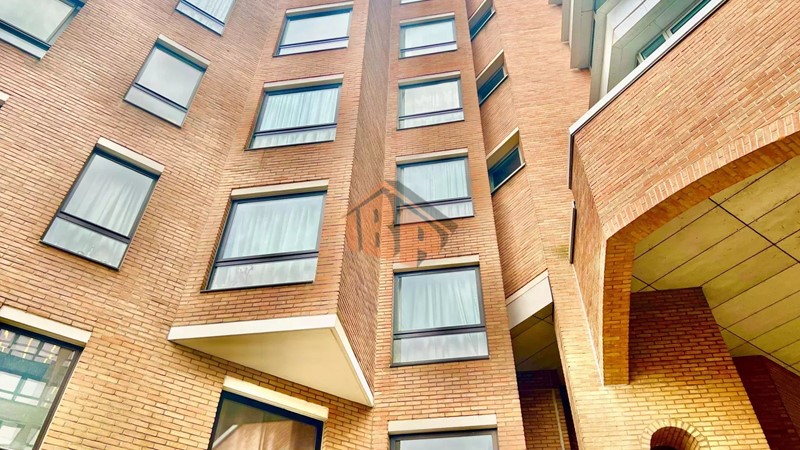
ブリュッセル(ベルギー)の快適な4+1アパートメント
アパート
44 m2
3
4
229 512 $
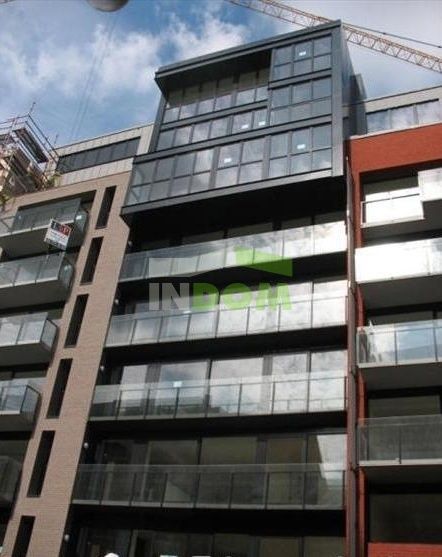
ジョルダン広場近くの高級2+1アパートメント(ブリュッセル)
122 m2
要問合せ
2
458 908 $
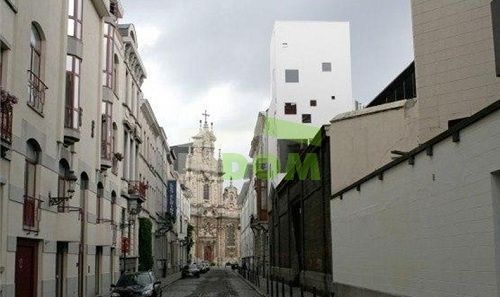
Luxury 3+1 apartment near Place Sainte-Catherine in Brussels
140 m2
要問合せ
3
488 235 $
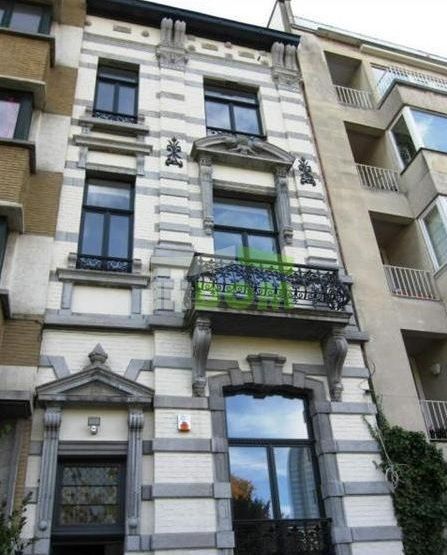
Stylish 1+1 apartment with a beautiful view of Brussels
93 m2
要問合せ
1
522 198 $
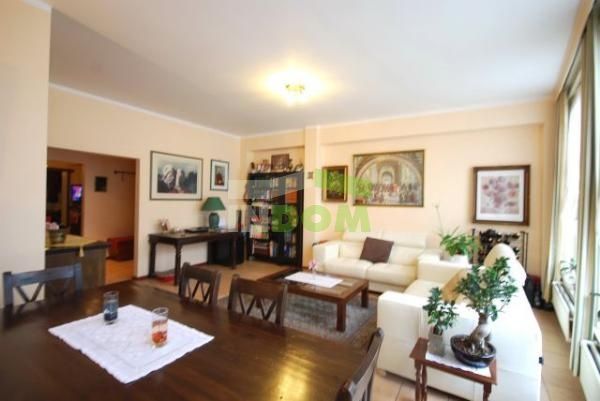
Spacious 2+1 apartment near Grand Place in Brussels
130 m2
要問合せ
2
528 805 $
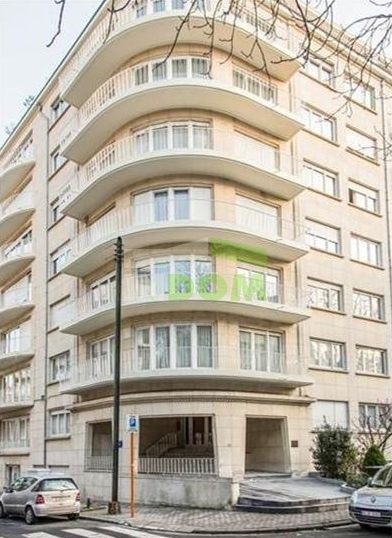
Comfortable 3+1 apartment in Uccle in Brussels
181 m2
要問合せ
3
552 915 $
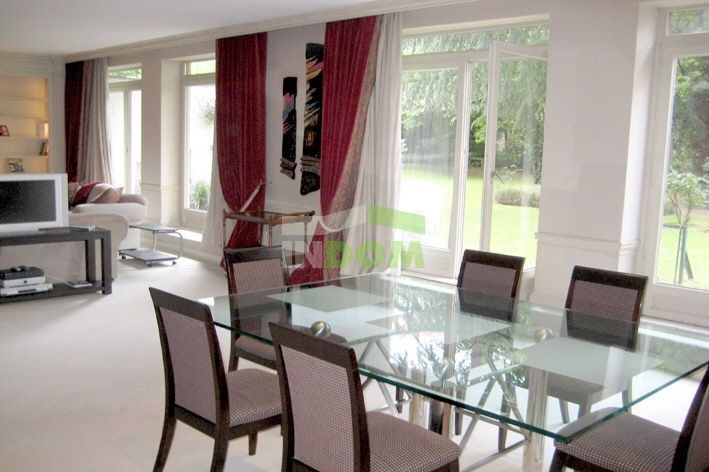
Modern 3+1 apartment in Ixelles, Brussels
110 m2
要問合せ
3
576 562 $
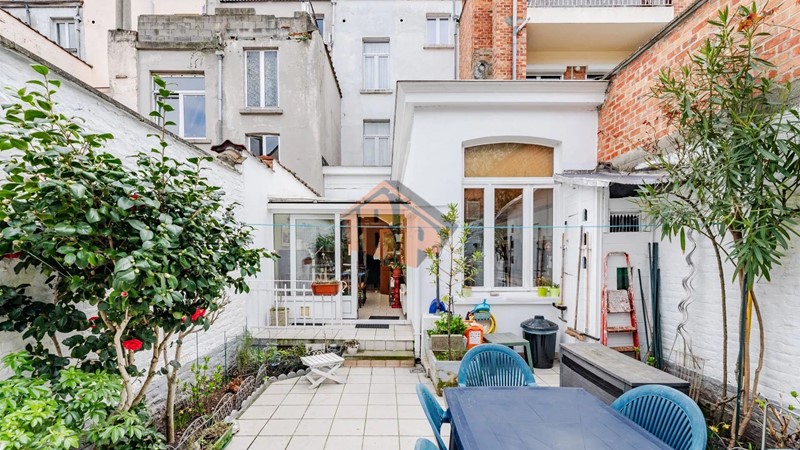
ベルギー・ブリュッセルの魅力的な一軒家(5+1)
住宅
320 m2
4
5
587 690 $
ブリュッセル・Avenue Louiseの明るい3ベッド+書斎のアパートメント
137 m2
要問合せ
3
594 181 $
VelesClub Int.
追加サービス
役立つ記事
専門家からの推奨
Secondary real estate in Brussels - exploring resale patterns and buyer segments
Why the secondary market works in Brussels
The secondary housing market in Brussels remains active due to steady demand and a varied housing stock. Resale property in Brussels includes historic city apartments, mid-century blocks, and newer infill units, providing options across location, size, and condition.
Decision logic begins with stock layers. Buyers distinguish between older central apartments, mid-century buildings, and modern infill units. Each layer has typical layouts, renovation norms, and transaction readiness. Selecting a layer before evaluating individual units aligns expectations and timing.
Verification logic is applied through standard process steps: confirm title record, review encumbrances, verify registered occupants, and check for consents or delegated authority. These control points ensure transactions remain structured and predictable without adding unnecessary complexity.
Comparison logic helps buyers understand resale property in Brussels relative to different layers. Historic units offer stability and neighborhood continuity, mid-century buildings provide a predictable layout baseline, and newer infill units deliver contemporary options. Liquidity exists where buyers align expectations with stock characteristics.
Who buys on the secondary market in Brussels
Buyers include local professionals seeking proximity to work, families prioritizing established neighborhoods, and expatriates needing ready-to-occupy units. Each segment interacts differently with resale apartments in Brussels, shaping liquidity and transaction pace.
Decision logic involves matching unit type, location, and condition to buyer segment needs. Verification logic confirms document clarity, occupancy status, and consistency with expected standards. Comparison logic allows buyers to weigh central historic apartments against newer, fully renovated infill units for readiness and timing.
Timing varies across segments. Professionals and expatriates prioritize rapid closing, families focus on school catchments and layout suitability. Sequential checks maintain transparency and predictable process flow for all buyers.
Property types and price logic in Brussels
Secondary supply in Brussels spans historic central apartments, mid-century residential blocks, and contemporary infill units. Pricing reflects building era, size, condition relative to segment norms, and documentation completeness. Buyers evaluate units within their chosen segment to understand value.
Decision logic starts with selecting a stock layer and comparing units within it. Verification logic ensures title records, encumbrances, and registered occupant information are aligned. Comparison logic balances renovation condition, location, and transaction readiness, supporting realistic pricing for resale apartments in Brussels.
Price variation is influenced by scarcity, condition, and district demand rather than micro-level unit features. Structured evaluation reduces negotiation surprises and helps maintain predictable liquidity across segments.
Legal clarity in secondary purchases in Brussels
Legal clarity relies on sequential standard checks. Confirming the title record, reviewing encumbrances, and verifying registered occupants are essential. Any delegated authority or consents are clarified early to maintain structured transaction flow.
Decision logic includes mapping the ownership chain and identifying all relevant parties. Verification logic confirms document alignment with the sale plan. Comparison logic across stock layers highlights differences in process timing and transaction preparation. Pausing to clarify ensures smoother secondary deals in Brussels.
Older apartments may require additional ownership checks. Following procedural steps ensures continuity and predictable execution while focusing on control points rather than risk language.
Areas and market segmentation in Brussels
Brussels is segmented by centrality and building type rather than micro-districts. Central historic areas have higher scarcity and stable demand, inner districts offer established neighborhoods with steady turnover, and outer areas provide broader supply with price flexibility.
Within zones, segmentation by building era and layout influences liquidity. Buyers compare historical transaction patterns, renovation expectations, and documentation completeness when evaluating units. Verification steps maintain clarity and structured timing across segments.
Comparison logic highlights differences in transaction sequence and expected timing between areas. Pausing to clarify unclear documents ensures predictable outcomes while maintaining calm, modern execution.
Secondary vs new build comparison in Brussels
Secondary and new build markets offer complementary options. Secondary units provide immediate availability, established neighborhoods, and known building performance. New build units deliver contemporary layouts but depend on delivery schedules and developer documentation.
Decision logic focuses on timing and readiness. Verification logic differs: secondary deals require unit-specific checks, while new build deals focus on project-level documentation. Comparison logic balances expected timing, document transparency, and variability to choose the route aligned with buyer needs.
Price comparison considers stock layer, condition, and location. Resale property in Brussels reflects immediate availability and known segment positioning, whereas new build pricing anticipates future completion and layout advantages.
How VelesClub Int. helps with secondary purchases in Brussels
VelesClub Int. guides buyers through Brussels secondary purchases by providing structured decision logic, coordinating verification steps, and supporting execution. The aim is predictable timing, clear document sequences, and reduced rework for buyers.
We assist with segment alignment, comparables analysis, and unit selection while coordinating checks like title record, encumbrance, registered occupant, and consent verification. Pausing to clarify any unclear points ensures smooth transactions.
VelesClub Int. also helps buyers compare secondary and new build options by focusing on timing, transparency, and delivery variability. Our support keeps the secondary purchase process calm, structured, and aligned with Brussels market norms.
Frequently asked questions about secondary real estate in Brussels
How can I evaluate resale apartments in Brussels without mixing stock layers?
Start by selecting a single stock layer, then compare units within it. Verify documentation, condition relative to segment norms, and pause and clarify any inconsistencies before committing.
What standard checks are needed when buying a secondary unit in Brussels?
Confirm the title record, review encumbrances, verify registered occupants, and check for delegated authority or consents. Pausing to clarify unclear points keeps timing and process predictable.
Why might some resale units take longer to close despite strong demand?
Timing depends on documentation readiness, consents, and ownership chain clarity. Following sequential checks and pausing to clarify pending points ensures smooth, structured transactions.
How do historic apartments affect legal clarity in Brussels?
Older units may have long ownership histories. Check the ownership chain, verify consents, and ensure encumbrances are recorded. Pausing to clarify gaps maintains a structured process.
How should I compare secondary property with new build options in Brussels?
Assess timing, documentation transparency, and delivery variability. Secondary units offer immediate occupancy, while new builds depend on completion. Pausing to clarify expectations ensures informed choice.
What if the seller has delegated authority?
Confirm the scope, verify identity alignment, and ensure all documents support the planned sale. Pausing to clarify helps maintain structured timing and predictable outcomes.
Can negotiations remain calm while performing checks?
Yes, frame checks as standard steps to keep timing predictable. Confirm documents, verify key points, and pause and clarify any unclear items without alarmist language.
Conclusion - understanding the secondary market in Brussels
The secondary market in Brussels is supported by diverse stock, steady buyer demand, and segment-aligned liquidity. Resale property in Brussels works best when buyers follow structured decision logic, standard verification, and pause to clarify as needed.
VelesClub Int. helps buyers coordinate checks, select appropriate segments, and execute calmly, ensuring secondary purchases remain predictable, structured, and aligned with Brussels market norms for timing, documentation, and liquidity.