
お得な情報
中国で
Real estate from owners in Shanghai


Ring road pricing
Along the inner ring, buyers compare owner pricing in Huangpu, Jing an and Xuhui with newer Pudong and more spacious Minhang, while no buyer commission keeps more budget for planned upgrades and long term flexibility.
Condition snapshot
Owners in high rise blocks in Pudong, lane houses in Xuhui and Jing an, and estates in Minhang and Baoshan describe room use, storage and shared entrances so buyers see general upkeep before hiring specialists.
Lifestyle corridors
Residents selling directly in Huangpu, Jing an, Xuhui, Pudong, Minhang and Yangpu explain everyday routes to offices, metro lines, schools and riverfront corridors so sale by owner homes stay tied to real movement patterns.
Ring road pricing
Along the inner ring, buyers compare owner pricing in Huangpu, Jing an and Xuhui with newer Pudong and more spacious Minhang, while no buyer commission keeps more budget for planned upgrades and long term flexibility.
Condition snapshot
Owners in high rise blocks in Pudong, lane houses in Xuhui and Jing an, and estates in Minhang and Baoshan describe room use, storage and shared entrances so buyers see general upkeep before hiring specialists.
Lifestyle corridors
Residents selling directly in Huangpu, Jing an, Xuhui, Pudong, Minhang and Yangpu explain everyday routes to offices, metro lines, schools and riverfront corridors so sale by owner homes stay tied to real movement patterns.
追加サービス
VelesClub Int.








役立つ記事
専門家からの推奨
Owner listed homes within Shanghais central hubs and expanding rings
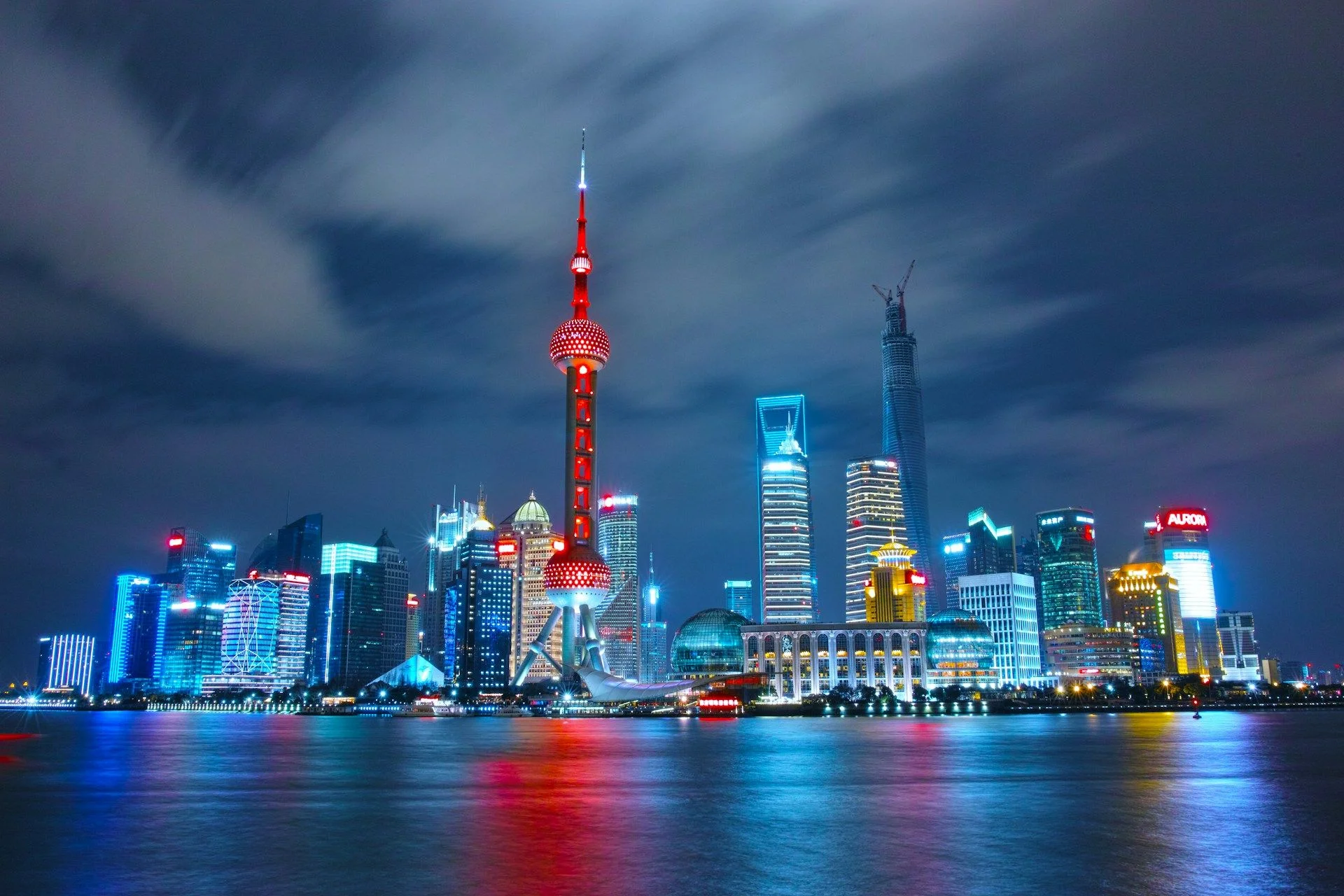
A buyer who looks at Shanghai as a place for long term life sees a city built around layers of districts, ring roads and river crossings rather than a single centre. Huangpu forms the historic and commercial heart with dense streets and mixed apartment blocks close to offices and retail. Jing an and Xuhui extend that core with mid rise housing, lane houses and newer compounds that sit near business streets yet feel more residential after working hours. Across the river, Pudong New Area holds high rise clusters and planned estates around Lujiazui and further east. To the south and west, Minhang, Songjiang and other districts add wide belts of housing linked by major roads and metro lines. For anyone who wants to find homes in Shanghai, the first step is to read how these areas connect to work, services and daily routes.
Within this structure, some entries in this section are homes offered directly by verified owners in this section. These owners describe how they actually use their apartments or houses in Huangpu, Jing an, Xuhui, Pudong, Minhang or Yangpu, how they move to work, which streets feel busy or calm at different hours and how neighbours share basic tasks in shared halls and courtyards. When buyers combine that information with independent legal and technical checks, real estate for sale in Shanghai becomes a practical map of ways of living instead of a set of abstract numbers.
Why Shanghai attracts buyers reviewing owner listings
Shanghai draws several distinct groups of buyers who each read the city in their own way. Professionals and business owners who work near Peoples Square, along Nanjing Road, in Jing an or in Lujiazui need housing that keeps the central business districts within a predictable travel time. Many of them look at compact apartments in Huangpu and Jing an, or mid rise compounds in Xuhui and Pudong that sit close to metro interchanges. For this group, clear owner descriptions of morning and evening travel, lift use, noise levels and access to key streets matter more than generic descriptions of central real estate.
Another large group is made up of families who plan to stay in Shanghai for many years. They often prefer town house style units or larger apartments in Xuhui, Minhang, Changning, Putuo or Jiading, where residential streets support schools, clinics, parks and local shopping streets. Parents read owner comments about school routes, playgrounds inside compounds, weekend routines and the mix of residents in each development. Those details help them decide where buying homes supports stable routines rather than only impressive addresses.
There are also buyers from other parts of China and from overseas who need a base in Shanghai as part of a wider business or family network. They may spend part of their time in other cities along the Yangtze corridor or in coastal provinces while keeping their main household in Shanghai. This group often searches for property for sale near major railway hubs, airport links or expressway interchanges in Pudong, Minhang or Hongqiao areas of Changning and Minhang. For them, owner written notes about travel to the airport, high speed rail stations and ring road junctions are key decision points.
Types of owner listed properties in Shanghai
The range of owner listed property types in Shanghai reflects this layered urban structure. In Huangpu many homes are apartments in older blocks above shops or in traditional alleys that have been upgraded over time. Owners who list there often describe staircases, courtyards, storage corners, bicycle parking and short walks to metro lines and commercial streets. Buyers who want to find a property that keeps them very close to central offices and services focus on how these homes support a compact but highly connected life.
Jing an and Xuhui offer a mix of mid rise compounds, refurbished lane houses and newer residential clusters tucked behind busy arterial roads. In these districts, owners describe how internal roads separate housing from main traffic, how management teams handle cleaning and access control, where residents park and which local centres cover food shopping and everyday services. People interested in buying houses or larger apartments in these areas often read several owner accounts side by side to understand how each compound feels across the week.
Across the Huangpu River, Pudong New Area adds a different set of options. High rise blocks and planned estates around Lujiazui, Century Avenue and further east into Zhangjiang and Jinqiao host many workers from finance, technology, logistics and global trade. Owners explain lift halls, shared gardens, access to riverfront promenades and the pattern of commuting by metro or car toward central nodes. Real estate here appeals to buyers who accept vertical living in return for modern layouts, compound facilities and direct access to important work corridors.
Further out, Minhang, Songjiang and Jiading hold large residential belts with a wide variety of estates. Some projects focus on apartment units arranged around internal roads and small parks, while others provide rows of town houses or low rise blocks with more private outdoor space. Owners in these districts often write about storage for family items, use of small rooms as studies or guest rooms, and the way residents move between local centres, schools and metro stations. For many households, these areas offer real estate for sale that balances space, cost and daily travel.
How private owner listings work in Shanghai
Homes offered directly by verified owners in this section follow a straightforward structure. The owner prepares a description, sets an asking level, responds to questions and arranges viewings. Because there is no buyer commission on these properties, early conversations focus on the match between the home and the buyers plan instead of layered fees. Buyers ask about how many people live in the home, how rooms are used, when key renovations were done at a general level, how building management works and how neighbours coordinate basic matters such as cleaning shared halls.
This direct exchange is valuable in a city where two buildings on the same street can support very different routines. One compound in Xuhui may have a strong community of long term residents with organised activities and clear rules, while another close by hosts a more mixed group with frequent moves. In Pudong, one estate may focus on families connected to local schools and parks, while another supports workers who travel often and place more weight on parking and airport links. When owners describe these differences clearly, listing fsbo entries help buyers decide which addresses deserve deeper inspection by surveyors and lawyers.
Market patterns and pricing in Shanghai
Pricing across Shanghai depends on district role, age and quality of the building, management standards and proximity to transport. Huangpu and central parts of Jing an and Xuhui often stand at the upper end of the market because they bring together historic streets, dense employment and strong service networks. Even modest apartments there can show high values, especially when they sit close to major metro hubs and shopping streets. Owners in these districts who sell through no agent property listings often justify asking levels by pointing to long term demand from people who need walkable access to central real estate.
Pudong shows a wide spread of prices. Apartments near Lujiazui and central business clusters can command strong values due to concentration of offices and riverfront image. Further east, planned estates near Zhangjiang, Jinqiao or outer ring corridors may offer more accessible entry points while still keeping travel to important job zones manageable. Owner accounts that connect price to commute time, school access and the quality of compound management help buyers understand this spread.
Outer districts such as Minhang, Songjiang, Jiading and parts of Baoshan and Qingpu generally provide more space for the same budget, though with longer travel times to core business districts. Within these areas, homes close to metro stations, complete local centres and key road interchanges sit at higher bands than those in deeper residential pockets. Buyers who monitor property for sale across several of these districts can see how prices move over time as new lines or roads open. Owner written detail about daily travel gives context to these changes.
District and area overview for property search in Shanghai
To search efficiently, many buyers divide Shanghai into several practical zones that reflect both geography and everyday function. These zones also align with the way owner listings appear.
- Huangpu acts as the historic and administrative core, with dense mixed use blocks and strong rail and bus links. It suits buyers who want immediate access to central offices, retail and cultural streets and who accept compact living in return.
- Jing an and Xuhui extend this core with a mix of mid rise apartments, lane houses and newer compounds. They fit professionals and families who want a more residential street feel while still staying close to inner business corridors.
- Pudong New Area, especially around Lujiazui and Century Avenue, combines high rise compounds with planned estates further out. It works for buyers in finance, technology and logistics who need direct links to modern offices and transport.
- Changning, Putuo, Yangpu and Hongkou form important belts around the core, each with its own mix of housing and commercial streets. They appeal to buyers balancing workplace access with more moderate pricing and varied neighbourhood character.
- Minhang, Songjiang, Jiading, Baoshan and Qingpu host large residential districts connected by ring roads and metro lines. They are attractive for households that prioritise space, community facilities and budget over immediate proximity to the old centre.
By seeing the city through these zones, buyers can decide where they truly want to find property before they start scheduling viewings, which keeps effort focused and aligned with daily life.
Who typically buys in Shanghai
In central districts such as Huangpu, inner Jing an and parts of Xuhui, many purchasers are single professionals, couples without children and senior managers whose work and social life centre on the city core. They value short commutes, access to restaurants, cultural streets and compact but efficient layouts. Owner descriptions that mention noise levels, visitor management and the feel of the building lobby late at night are important for this group.
In middle belts like Changning, Putuo, Yangpu and Hongkou, a mix of families, long term city residents and employees from education, health care and services look for homes that balance price and access. They read no agent property listings to see how each compound handles school proximity, parks, simple shopping and public transport. Stable communities and clear compound rules often matter more than a prestigious address.
In outer districts such as Minhang, Songjiang and Jiading, many buyers are families moving from smaller units closer to the core or from other cities. They want more space for children, home offices and storage and they accept longer daily travel in return. Owner bodies of text that describe how a family uses a town house or large apartment across the week help these buyers decide whether a given home fits their ideas for buying houses for the long term.
Example scenarios of owner listed purchases in Shanghai
One scenario involves a designer who has rented for years in central Jing an while working near West Nanjing Road. They want to own a home without leaving the core. By reading several listing fsbo entries in Huangpu and Jing an, they compare owner descriptions of building age, stair condition, light levels and sound from nearby streets. After visits and surveys, they choose a small apartment in a lane house where the owner explained a calm courtyard and reliable management.
A second scenario concerns a family with two children who currently live in a small inner ring apartment. They decide to find homes with more space and easier school access. They look at owner listings in Xuhui, Minhang and Songjiang. Accounts that describe school walks, travel to after school classes, weekend use of parks and relations with neighbours help them select a Minhang compound with a layout that supports both study and rest.
A third case features an entrepreneur who spends part of each month in other cities but needs a fixed base in Shanghai with quick access to airport and rail hubs. They focus on Pudong and Hongqiao areas. Owner notes about early morning travel to the airport, storage for luggage, parking arrangements and noise at different hours allow them to narrow options to a Pudong estate near a direct metro line before ordering formal inspections.
Frequently asked questions for buyers in Shanghai
Many buyers ask whether to prioritise central location or space in outer districts. A practical method is to list all weekly routes for work, school and errands, then compare those routes with owner descriptions across several districts. This reveals whether central compact apartments or larger homes along outer ring roads fit better.
Another common question is how to compare two properties that have similar floor areas but very different prices. In Shanghai, the answer usually lies in context. Homes in Huangpu or core Jing an may cost more due to constant demand and rich infrastructure. Properties in Minhang or Songjiang may be larger but require more travel. Owner accounts that detail daily movement, local centres and neighbour profiles help buyers judge real value.
Some remote buyers want to know how they can find homes without many visits. One approach is to use properties listed directly by owners with no buyer commission in this section as a first filter. By reading which homes give detailed, concrete information on daily life, buyers can build a shortlist before organising any trips or third party inspections.
First time buyers also ask whether they can trust sale by owner homes. The key is to treat owner text as an inside view into how a home is used, not as a replacement for professional checks. When no agent property listings include clear, practical description of building management, services and surroundings, they signal that the owner understands the home well and is ready for informed questions.
Conclusion: Why explore owner listings in Shanghai
Shanghai brings together dense central streets, planned new districts and wide residential rings. Huangpu and nearby core districts anchor commerce and administration. Jing an and Xuhui blend work and life with strong neighbourhood character. Pudong connects high rise compounds with major offices and transport. Outer districts such as Minhang, Songjiang and Jiading provide large residential belts where many households build their long term base.
By using this section, where buyers can find homes through properties listed directly by owners with no buyer commission, people can match their real routines to specific districts instead of relying only on broad labels. They can find property that fits work, family and travel needs, compare property for sale across central and outer zones and use clear owner voices as a guide to where detailed surveys and legal checks should be focused. For anyone serious about real estate and buying homes in Shanghai, careful reading of sale by owner homes and other entries in this section turns a complex metropolis into a set of concrete options for long term living.