
बासेल के आसपास मालिक-सीधी बिक्री (FSBO) लिस्टिंगस्थानीय मालिकों की संपत्तियाँ — सत्यापित विवरणों के साथ
सर्वश्रेष्ठ प्रस्ताव
स्विट्ज़रलैंड में
Real estate from owners in Basel


Tri-national crossroads advantage
Living at the intersection of Switzerland, Germany and France provides unmatched daily international accessibility. Direct purchases from owners reveal authentic border region insights and commuting realities. Secure properties benefiting from three distinct cultures, economies and lifestyles.
Life sciences economic anchor
Global pharmaceutical and biotechnology headquarters create unparalleled market stability and professional demand. Buying directly provides understanding of corporate relocation patterns and research community needs. Invest in real estate supported by Europe's most concentrated life sciences ecosystem.
Rhine river urban integration
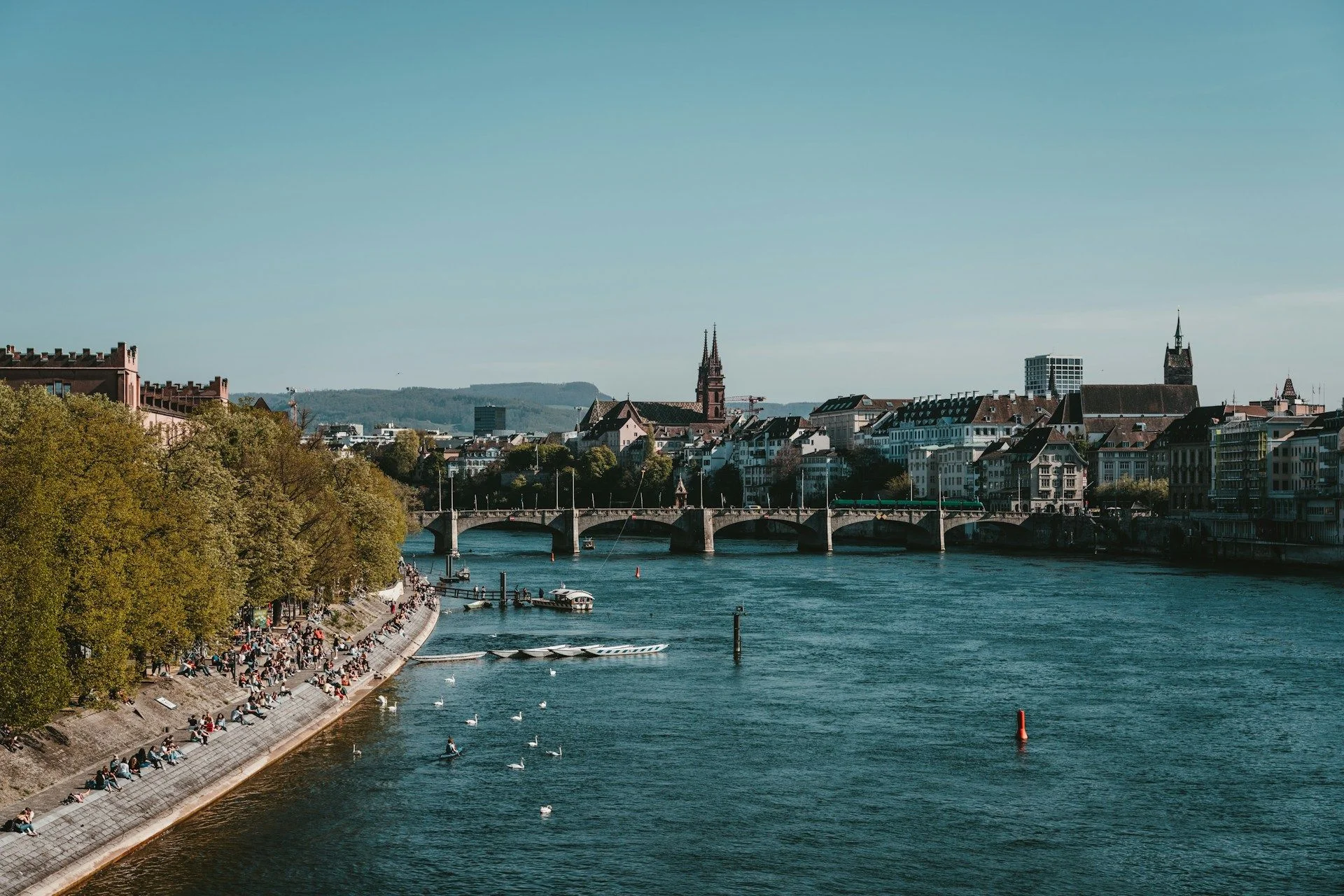
The transformed riverfront combines historical industrial heritage with contemporary recreational and residential spaces. Direct owners provide genuine insights into waterfront living dynamics and flood protection systems. Acquire properties where urban life actively engages with a major European waterway.
Tri-national crossroads advantage
Living at the intersection of Switzerland, Germany and France provides unmatched daily international accessibility. Direct purchases from owners reveal authentic border region insights and commuting realities. Secure properties benefiting from three distinct cultures, economies and lifestyles.
Life sciences economic anchor
Global pharmaceutical and biotechnology headquarters create unparalleled market stability and professional demand. Buying directly provides understanding of corporate relocation patterns and research community needs. Invest in real estate supported by Europe's most concentrated life sciences ecosystem.
Rhine river urban integration
The transformed riverfront combines historical industrial heritage with contemporary recreational and residential spaces. Direct owners provide genuine insights into waterfront living dynamics and flood protection systems. Acquire properties where urban life actively engages with a major European waterway.








उपयोगी लेख
और विशेषज्ञों की सिफारिशें
Property Acquisition at Europe's Crossroads: Direct Ownership in Basel's Unique Tri-National Hub
At the confluence of three nations and the Rhine River, Basel's property landscape emerges from distinctive geographical and economic conditions that redefine conventional real estate parameters. This city transforms border geography from mere political lines into tangible lifestyle advantages, where morning commutes traverse international boundaries and dinner reservations consider three different culinary traditions. The concentration of global pharmaceutical leadership alongside world-class cultural institutions establishes a property market responding to both scientific innovation cycles and artistic programming calendars. For buyers pursuing direct transactions with current owners, Basel offers particularly valuable insights into navigating a market where Swiss precision administers urban spaces enjoyed equally by German and French neighbors, creating residential environments that balance regulatory certainty with cross-border spontaneity.
Cross-border daily life and practical internationalism
The tangible reality of tri-national living in the Basel region establishes property considerations that extend beyond standard location metrics to encompass practical international mobility. Residents routinely access employment opportunities, educational institutions, retail options, and healthcare facilities distributed across three sovereign territories with distinct languages, regulations, and cultural norms. This daily border crossing creates unique property valuation factors where accessibility to specific international infrastructure—whether German autobahn connections, French high-speed rail stations, or Swiss educational facilities—significantly influences desirability. Current owners with cross-border experience provide authentic perspectives on commute logistics, international school accessibility, and practical documentation requirements that affect daily life, offering insights unavailable through conventional market analysis about how political boundaries translate into residential advantages or complications within Europe's most integrated border region.
Pharmaceutical industry dynamics and housing demand
As the operational headquarters for multiple global pharmaceutical corporations and numerous biotechnology research institutions, Basel's property market demonstrates pronounced sensitivity to life sciences industry cycles and corporate strategic decisions. The presence of industry leaders like Novartis and Roche establishes consistent demand for executive housing, temporary researcher accommodations, and corporate rental properties that follows different patterns than tourism-driven or general economic markets. Owners connected to the pharmaceutical sector provide detailed understanding of corporate housing policies, international researcher relocation timelines, and neighborhood preferences among scientific professionals that substantially influence occupancy rates and rental yields in specific districts. This industry-specific knowledge proves particularly valuable when evaluating investment properties or planning purchase timing in a market where pharmaceutical mergers, research breakthroughs, and regulatory approvals can indirectly influence local real estate dynamics through corporate expansion or contraction decisions.
Rhine River transformation and waterfront valuation
The Rhine's evolution from industrial transport corridor to central recreational artery has fundamentally reshaped Basel's urban property values, creating distinctive waterfront premiums that reflect both visual access and physical engagement with the river. Strategic riverbank redevelopment projects have transformed former industrial zones into desirable residential districts where direct water access, swimming possibilities, and nautical activities represent tangible lifestyle advantages. Current waterfront property owners provide authentic insights about seasonal river usage patterns, flood protection infrastructure effectiveness, and municipal regulations governing private river access that collectively determine practical enjoyment of waterside locations. This experiential understanding helps prospective buyers distinguish between properties offering genuine aquatic lifestyle integration versus those with merely symbolic river proximity, a crucial differentiation in a city where the Rhine represents both geographical centerpiece and cultural touchstone.
Cultural infrastructure and international art market presence
Beyond its scientific credentials, Basel maintains exceptional cultural resources including approximately forty museums and the globally influential Art Basel fair, creating property value influences where cultural proximity generates tangible premiums. The annual art fair transformation attracts international collectors, gallery representatives, and cultural professionals whose temporary presence affects short-term rental markets and neighborhood dynamics in distinctive patterns. Owners of properties in cultural districts provide detailed insights about event-driven accommodation demand, neighborhood ambiance during major cultural events, and long-term value appreciation linked to cultural infrastructure development. This cultural market intelligence proves valuable for buyers considering properties with dual personal use and rental potential, offering understanding of how Basel's exceptional museum concentration and global art market events translate into specific real estate opportunities beyond general tourism metrics.
Academic and research institution integration
The University of Basel's position among Europe's oldest academic institutions, combined with numerous specialized research facilities, creates consistent property demand from student populations, research staff, and academic professionals with specific housing requirements. The university's urban integration means academic influences extend throughout multiple districts rather than concentrating in a isolated campus, creating diverse neighborhood characteristics influenced by different academic departments and research specialties. Current property owners in academically active districts provide authentic perspectives on seasonal occupancy patterns linked to academic calendars, housing preferences among international researchers, and institutional expansion plans affecting local neighborhoods. This academic sector understanding helps buyers identify properties aligned with specific educational community needs, whether seeking stable rental investments catering to graduate students or residential locations convenient for research professionals in Basel's knowledge-intensive economy.
Transportation hub functionality and multimodal connectivity
Basel's development as a multimodal transportation node—incorporating Switzerland's only cargo port, major European rail connections, and efficient cross-border road networks—creates exceptional accessibility advantages that influence property values through logistical convenience rather than mere proximity metrics. The city's unique transportation infrastructure enables efficient movement of both people and goods across national boundaries, establishing practical advantages for residents engaged in cross-border commerce or international employment. Owners utilizing Basel's transportation networks provide practical insights about actual commute experiences across different border crossings, freight traffic effects on specific neighborhoods, and transportation development projects affecting accessibility. This logistical intelligence helps buyers evaluate properties according to genuine connectivity advantages, particularly important in a region where efficient border crossing represents both daily necessity and economic opportunity rather than occasional occurrence.
Historical architecture and contemporary conversion
Basel's architectural landscape encompasses medieval Old Town structures, Renaissance guild houses, nineteenth-century industrial buildings, and contemporary designs, presenting diverse property opportunities where historical preservation requirements intersect with modern adaptation possibilities. The city's careful balance between heritage conservation and functional modernization means many properties involve navigating specific conversion regulations while maintaining architectural character. Owners of historically significant properties provide detailed understanding of cantonal preservation guidelines, appropriate material selection for renovations, and approval processes for modifying protected structures. This preservation expertise facilitates transactions involving character properties where conventional due diligence might underestimate the creative possibilities within regulatory frameworks or the genuine value of historical authenticity in a city that consciously maintains visible chronological layers in its built environment.
Border region regulatory considerations
Property acquisition in Basel involves navigating distinctive regulatory considerations arising from its border position, including cross-border tax implications, international inheritance protocols, and jurisdictional complexities affecting property transactions. The city's unique geographical situation means many properties attract interest from buyers across three legal systems, creating transaction dynamics that benefit from specialized understanding of international real estate procedures. Current owners experienced with cross-border transactions provide practical guidance about documentation requirements in multiple languages, notarial procedures accommodating international parties, and compliance considerations affecting properties with ownership histories spanning different national jurisdictions. This border-specific procedural knowledge proves valuable for minimizing transactional complexities in a market where many participants naturally approach property acquisition from diverse national perspectives and legal traditions.
Market segmentation and neighborhood evolution
Basel's urban development has created clearly differentiated districts with distinct characteristics, from the medieval Old Town's narrow streets to former industrial areas undergoing contemporary transformation. This neighborhood diversity means property markets function through multiple micro-segments responding to different demand drivers, from historic preservation enthusiasts to pharmaceutical professionals seeking modern convenience. Current owners across various districts provide authentic insights about neighborhood-specific development trajectories, community initiatives shaping local character, and municipal planning decisions affecting different areas. This localized understanding proves particularly valuable when navigating Basel's varied urban landscape, helping buyers identify properties aligned with specific lifestyle preferences within neighborhoods demonstrating compatible development trajectories rather than generalized city-wide trends.
Strategic positioning in Europe's innovation corridor
Basel represents a strategic property investment location within Europe's most concentrated life sciences corridor, offering unique advantages at the intersection of Swiss stability, German industrial capacity, and French cultural influence. The city's position within this knowledge-intensive region creates property dynamics where value responds to both local urban development and broader European innovation trends. Current owners with regional perspective provide nuanced understanding of how Basel's specialized advantages translate into property value resilience during economic fluctuations, offering insights about long-term positioning within Europe's evolving research and development geography. This strategic understanding helps buyers evaluate properties according to both immediate livability considerations and longer-term positioning within a tri-national region that continues developing as a global center for scientific innovation and cross-border collaboration.