
रोमानिया में सीधे मालिक से बिक्रीमालिक द्वारा प्रबंधित लिस्टिंग, पारदर्शी संपत्ति जानकारी के साथ
लोकप्रिय
रोमानिया में शहर और क्षेत्र

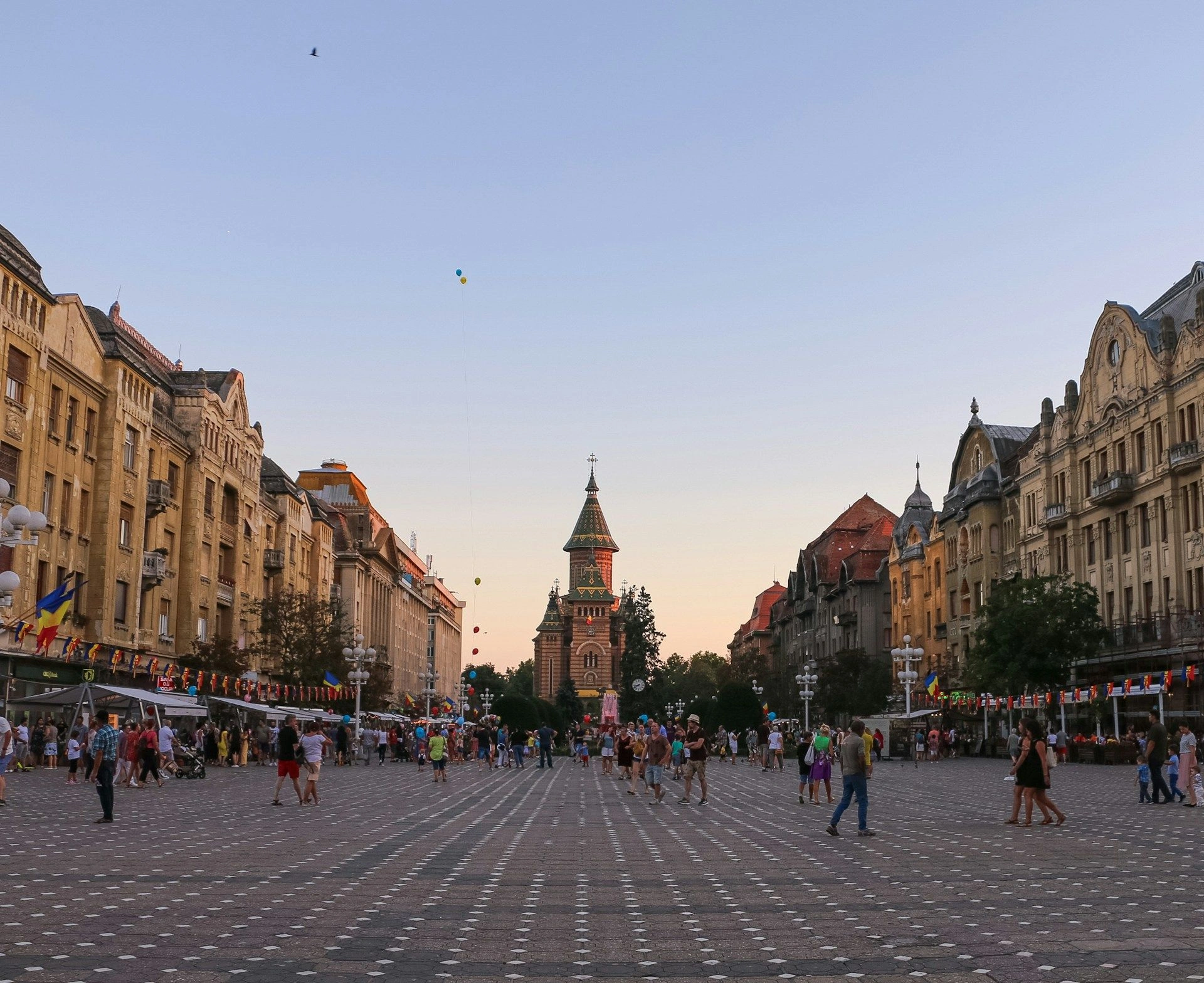
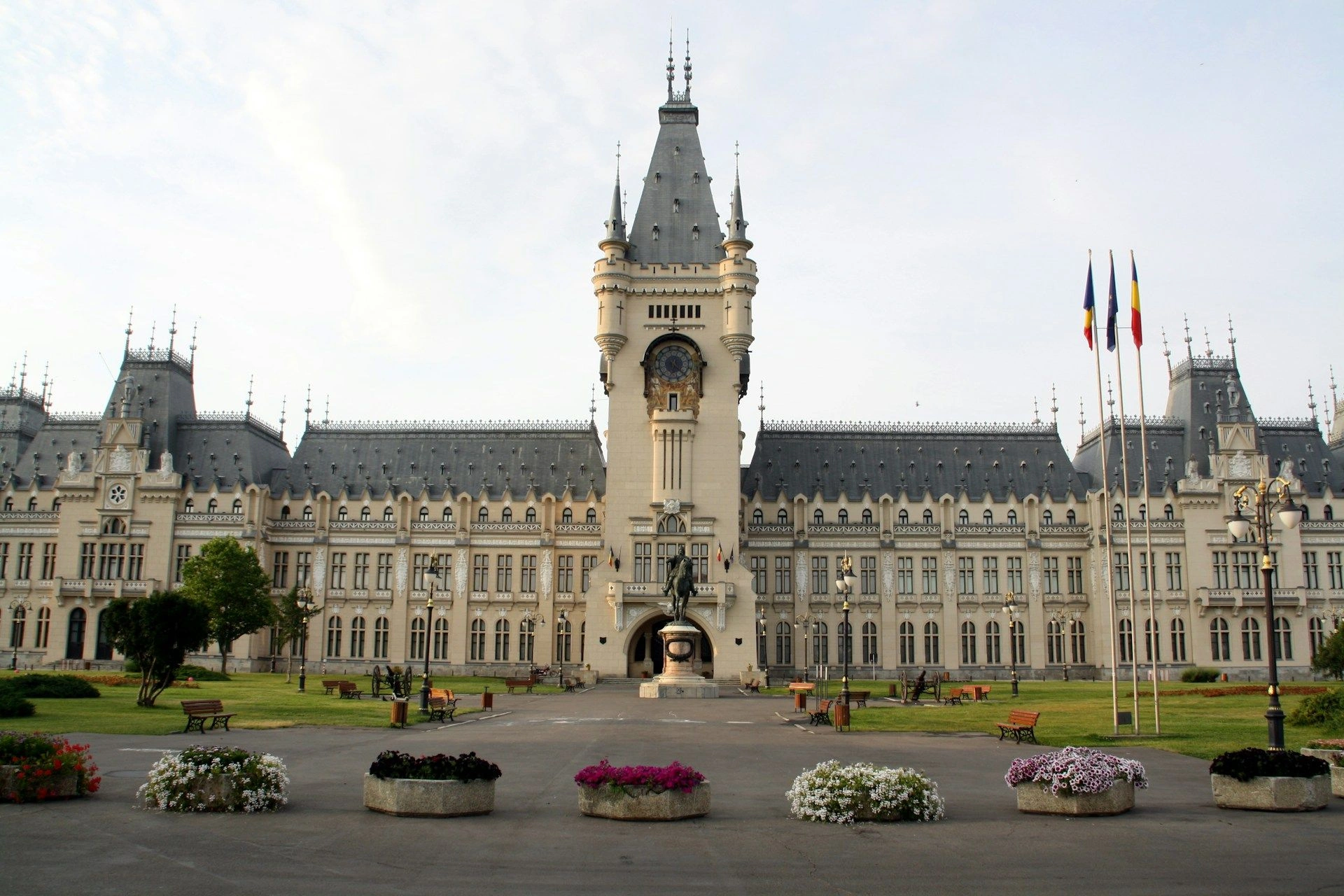
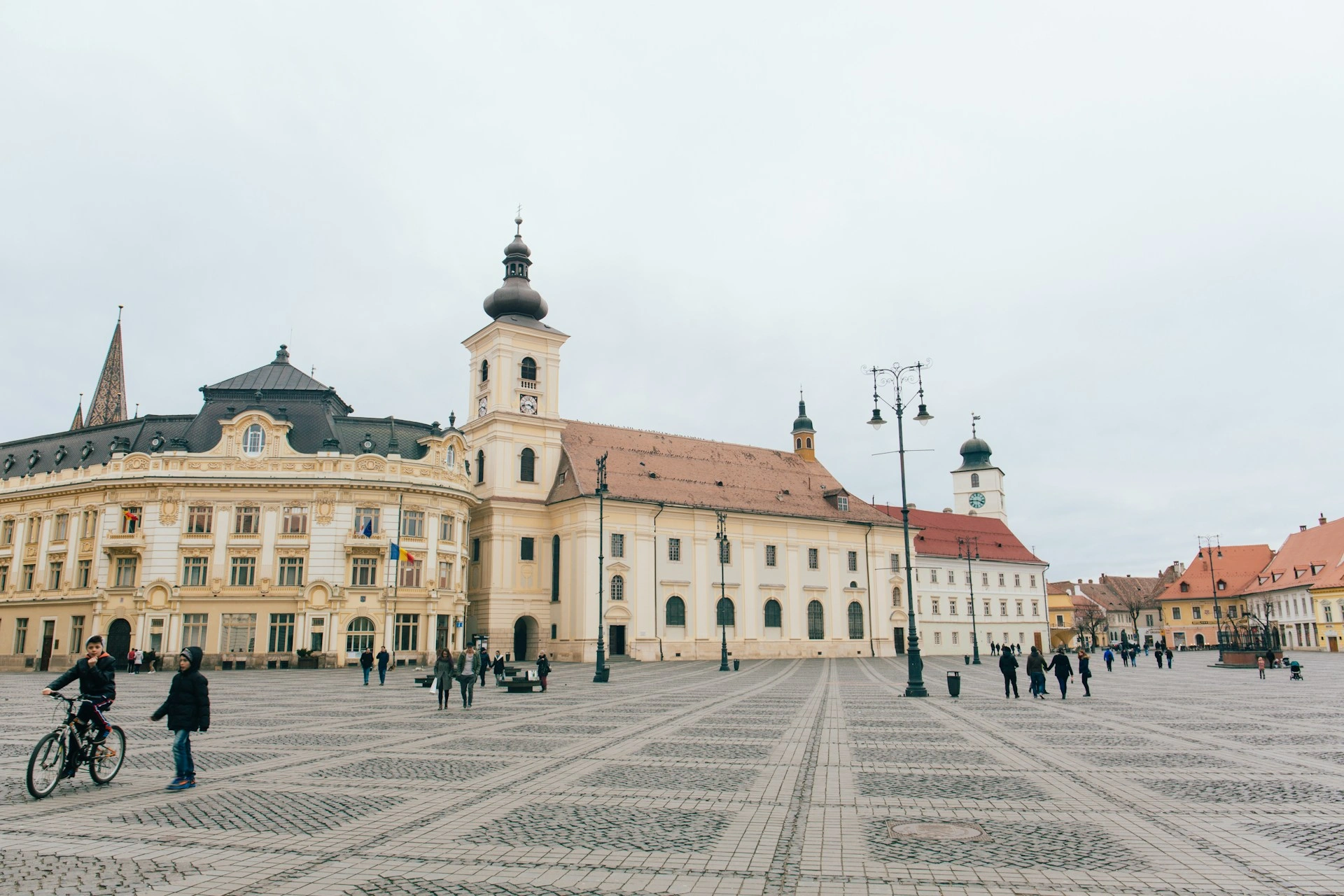
सर्वश्रेष्ठ प्रस्ताव
रोमानिया में
Real estate from owners in Romania


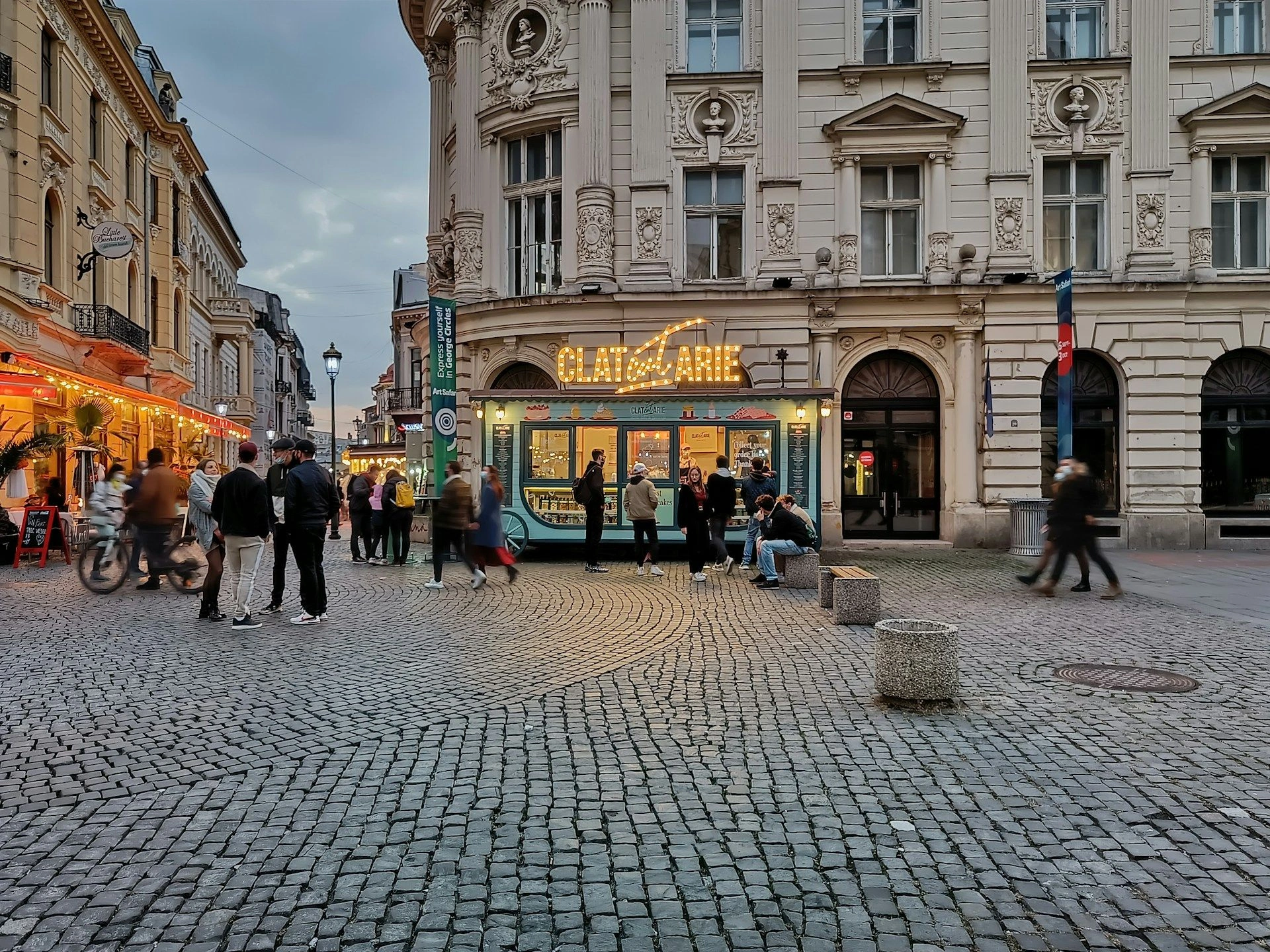
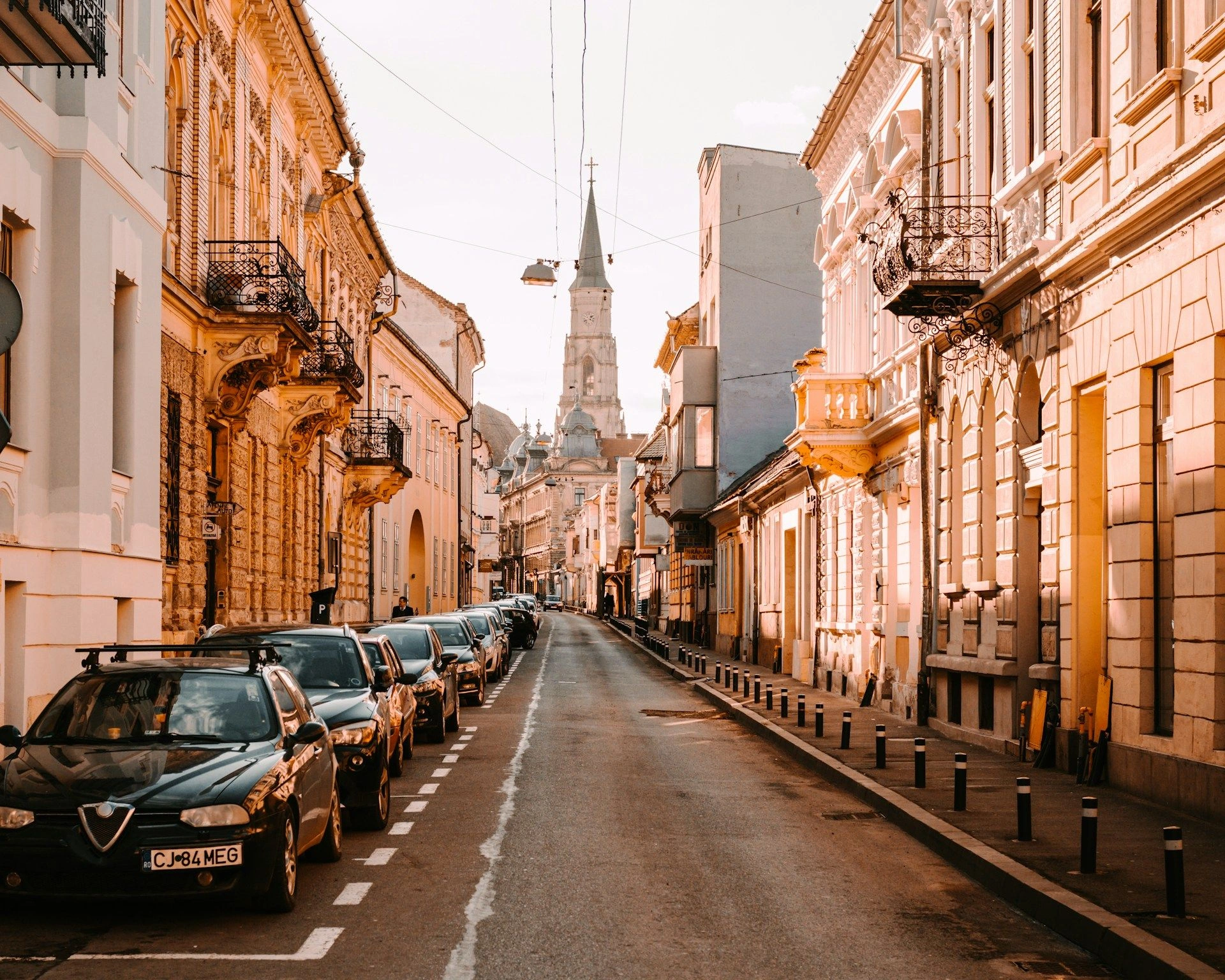
Tech hub emergence
Romania's growing IT sector drives urban property demand in Bucharest and Cluj-Napoca. Direct purchases provide access to premium listings before market saturation. Invest in cities transforming into European technology centers.
Carpathian retreat potential
Mountain regions offer nature-immersed properties with expanding four-season tourism. Buying directly from owners reveals authentic local knowledge and development insights. Secure recreational real estate in Europe's undervalued wilderness.
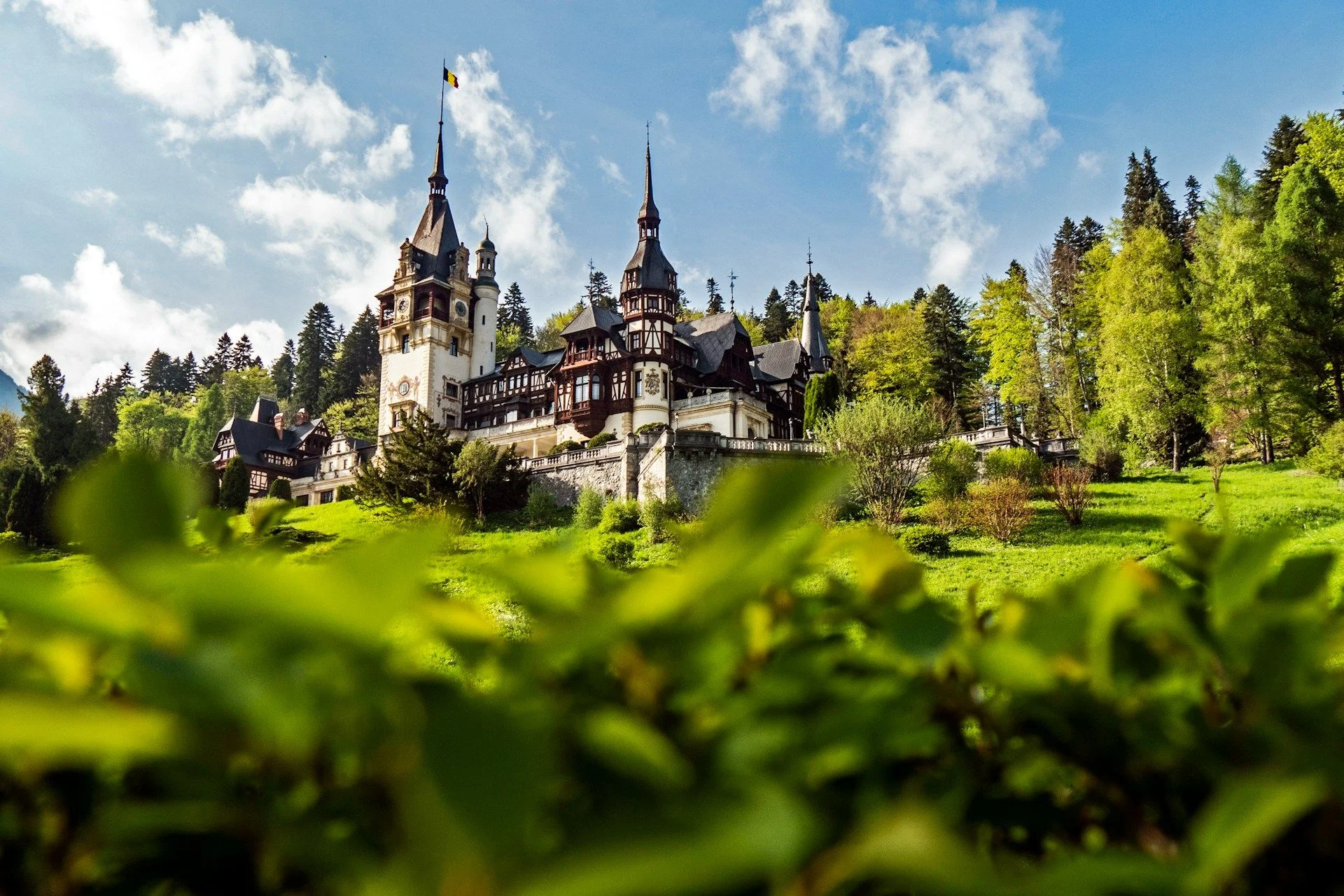
Historical preservation opportunities
UNESCO sites and traditional villages feature character properties requiring restoration expertise. Direct transactions often involve multi-generational owners with detailed property histories. Acquire architecturally significant assets through transparent private sales.
Tech hub emergence
Romania's growing IT sector drives urban property demand in Bucharest and Cluj-Napoca. Direct purchases provide access to premium listings before market saturation. Invest in cities transforming into European technology centers.
Carpathian retreat potential
Mountain regions offer nature-immersed properties with expanding four-season tourism. Buying directly from owners reveals authentic local knowledge and development insights. Secure recreational real estate in Europe's undervalued wilderness.
Historical preservation opportunities
UNESCO sites and traditional villages feature character properties requiring restoration expertise. Direct transactions often involve multi-generational owners with detailed property histories. Acquire architecturally significant assets through transparent private sales.








उपयोगी लेख
और विशेषज्ञों की सिफारिशें
Romanian Property Direct Sales: Post-Accession Market Evolution
Romania's real estate landscape functions through distinctive post-communist transitions now accelerated by European Union integration, creating unique conditions for direct buyer-seller engagements. The nation's property market embodies overlapping temporal layers where centuries-old ownership traditions intersect with contemporary investment flows, particularly in urban centers undergoing rapid modernization. This environment presents particular advantages for direct transactions, as many properties transfer through family networks rather than formal marketing channels, offering access to opportunities unavailable through standardized listing platforms. Romania's geographical diversity—from Carpathian landscapes to Black Sea coastlines and Danube Delta ecosystems—establishes varied regional markets each with specific dynamics that informed local owners can elucidate with authenticity unavailable through external intermediaries.
Post-EU accession market maturation
Romania's property market continues evolving within European frameworks while retaining distinctive national characteristics developed through complex historical transitions. The nation's accelerated modernization following 2007 EU accession created uneven development patterns where major urban centers advanced rapidly while rural regions preserved traditional structures. Direct sellers provide nuanced understanding of these disparities, offering insights about regional infrastructure projects, EU funding allocations, and demographic shifts affecting specific locations. This contextual knowledge proves invaluable when evaluating properties in a market where national statistics often mask significant local variations in development trajectories, regulatory enforcement, and investment potential.
Architectural heritage and adaptive reuse
Romania's built environment encompasses remarkable architectural diversity reflecting Byzantine, Ottoman, Austro-Hungarian, and communist-era influences alongside contemporary developments. Properties range from fortified churches in Transylvania to Belle Époque buildings in Bucharest, modernist blocks from the socialist period, and recent sustainable constructions. Direct sellers of historical properties often possess multi-generational knowledge about architectural details, restoration challenges, and preservation regulations specific to their assets. This expertise facilitates transactions involving culturally significant properties where standardized due diligence processes might overlook nuanced considerations regarding material authenticity, conservation techniques, and adaptive reuse possibilities within Romania's evolving heritage protection frameworks.
Legal frameworks in transitional systems
Romania's property legislation continues harmonizing with European standards while navigating complex historical ownership situations arising from multiple political transitions. The national cadaster system provides increasing transparency, but direct transactions often benefit from sellers' detailed understanding of specific property histories, including restitution processes, inheritance arrangements, and documentation particularities. Engaging specialized legal counsel remains essential, yet direct communication with sellers frequently accelerates document collection and clarifies context that might otherwise require extensive investigation. This collaborative approach proves particularly valuable when dealing with rural properties involving traditional land use arrangements or urban assets with complex ownership histories spanning different regulatory periods.
Regional economic diversification patterns
Property values across Romania reflect pronounced regional economic specialization rather than uniform national trends. Bucharest's concentration of corporate headquarters and government institutions creates distinct market dynamics compared to Cluj-Napoca's technology cluster, Timișoara's manufacturing base, or Constanța's maritime economy. University cities maintain stable demand from academic communities, while tourism-focused regions demonstrate seasonal variations. Direct sellers provide granular insights about these localized economic drivers, explaining how specific industry developments, infrastructure projects, or demographic changes affect their properties' immediate environments. This ground-level intelligence helps buyers evaluate assets within appropriate regional contexts rather than relying on generalized national market analyses.
Urban regeneration and neighborhood transformation
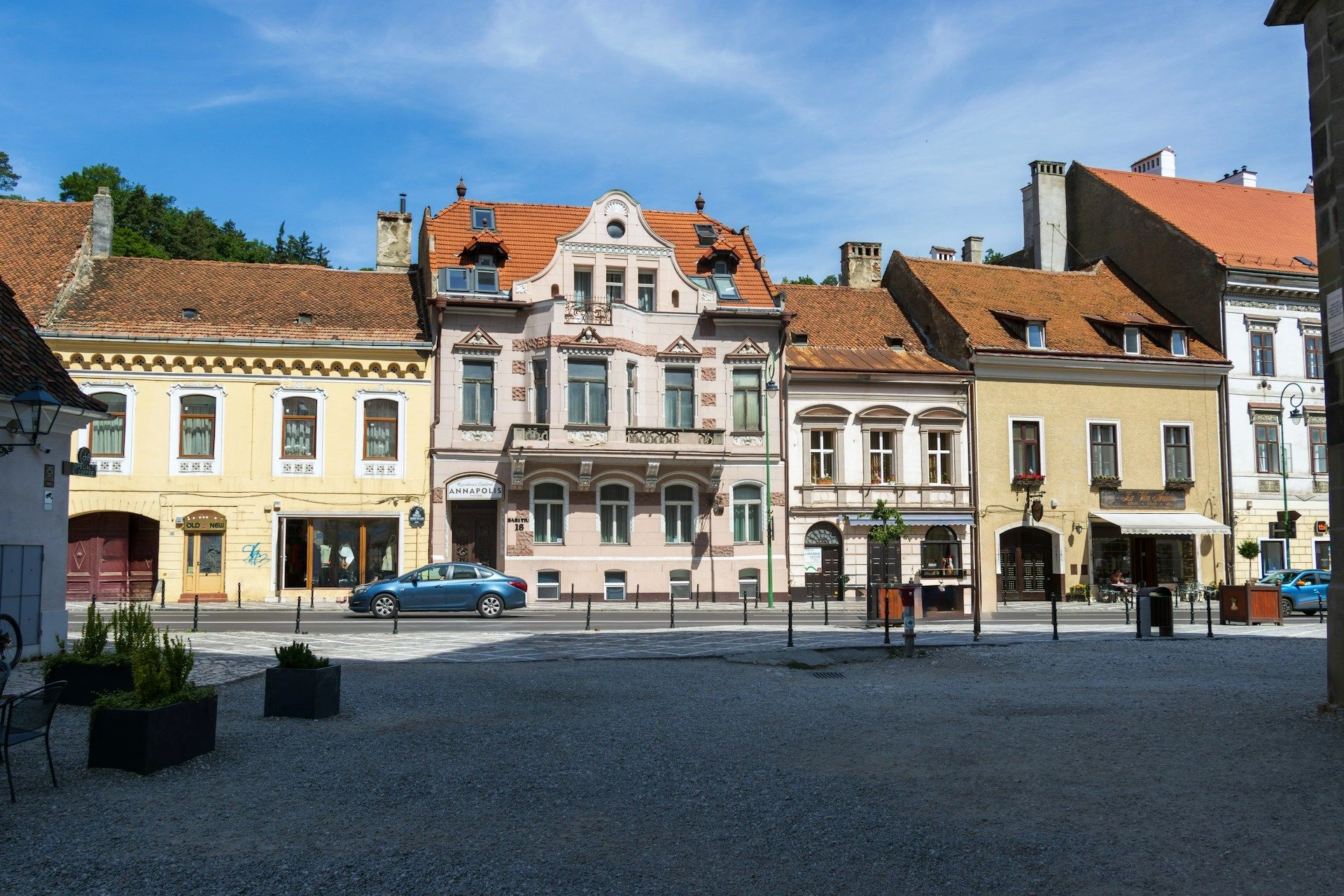
Romanian cities exhibit dynamic neighborhood evolution patterns where direct sellers offer firsthand perspectives on transformation processes. Bucharest's central areas experience contrasting developments with historic district preservation initiatives alongside modern commercial projects. Provincial cities like Iași, Brașov, and Sibiu balance heritage conservation with contemporary urban needs. Direct owners provide authentic accounts of these urban changes, detailing community dynamics, infrastructure improvements, and livability factors that affect daily experiences and long-term valuation. This localized understanding proves particularly valuable when assessing properties in transitional neighborhoods where future character depends on complex interactions between municipal planning, private investment, and community initiatives.
Rural property specificities and development potential
Romania's rural regions present distinctive property opportunities where traditional agricultural landscapes increasingly intersect with tourism development and lifestyle relocation trends. Properties range from working farms in plain regions to mountain retreats in Carpathian villages and Danube Delta eco-tourism locations. Direct sellers in rural areas provide comprehensive understanding of land quality, water rights, access conditions, and local development regulations that determine property functionality and potential. This knowledge proves essential when evaluating rural assets, as Romania's agricultural policies, EU subsidy programs, and rural development initiatives create complex frameworks where local implementation often differs from formal regulations.
Diaspora engagement and cross-border transactions
Romania's substantial diaspora community maintains active property engagement, creating distinct transaction flows between international buyers and local sellers. Direct purchases frequently occur through family networks or community connections, facilitating transactions that might otherwise involve complex cross-border logistics. These engagements often involve nuanced discussions about property management during absence, renovation coordination from abroad, and inheritance planning across jurisdictions. Direct communication allows for transparent exploration of these practical considerations, helping diaspora buyers navigate ownership challenges while maintaining connections to specific regions or family properties within Romania's evolving socio-economic landscape.
Energy infrastructure and sustainability transitions
Romania's energy sector modernization and EU climate commitments increasingly influence property standards and valuation considerations. The nation's transition from centralized energy systems toward diversified sources creates varying regional impacts on property functionality and upgrade requirements. Direct sellers provide detailed information about their properties' current energy performance, renovation potential, and compatibility with emerging sustainability standards. This technical knowledge helps buyers assess not just present conditions but future adaptation needs as Romania implements energy efficiency directives and renewable energy targets that will progressively affect property operations, compliance requirements, and market positioning.
Due diligence in evolving regulatory environments
Prospective direct buyers should investigate municipal urban planning documents (PUG and PUZ) that reveal future development trajectories affecting specific properties. Understanding historical monument classifications is essential for properties in protected zones where renovation possibilities face particular restrictions. Researching local utility infrastructure modernization plans helps assess future service reliability and upgrade requirements. Examining transportation corridor developments indicates accessibility changes over coming years. These localized factors frequently outweigh national trends when evaluating properties within Romania's rapidly evolving but unevenly implemented regulatory frameworks.
Strategic positioning in Southeast Europe's growth corridor
Romania represents a pivotal property market within Southeast Europe's development corridor, offering scale advantages combined with EU membership benefits. Direct acquisition approaches enable buyers to access opportunities often overlooked by conventional investment channels while establishing relationships within local networks. Successful transactions typically involve recognizing Romania's specific value propositions—whether urban regeneration potential, cultural heritage preservation, or strategic positioning within European transportation and energy networks—and negotiating directly with owners who understand these assets' unique characteristics within Romania's transitional context. This approach facilitates acquisitions aligned with Romania's development trajectory rather than imported property models, potentially yielding advantages as the nation's market continues maturing within European frameworks.