
Explore secondary real estate market in Savannakhet, LaosResidential land in historicMekong river town
بهترین پیشنهادات
در ساوانناکهت
Benefits of investment in
Laos real estate


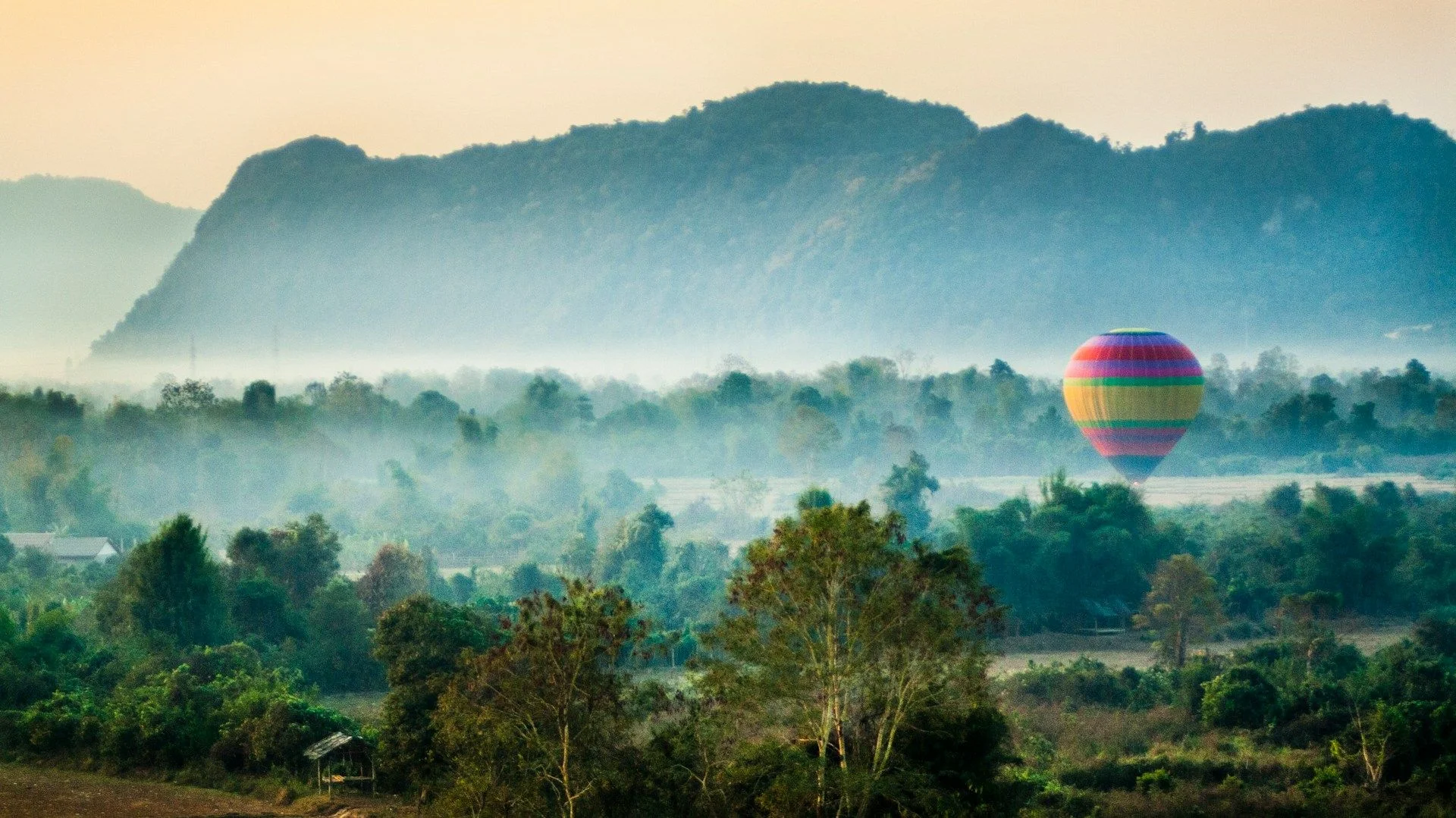
Peaceful living near rivers, temples, and nature
Laos offers affordable homes and guesthouse potential in serene settings like Luang Prabang and Vang Vieng.
Leasehold structure allows foreign home use
Foreigners can’t own land but can secure long-term leases, particularly in tourism zones and urban areas.
Low living costs and quiet pace of life
With gentle climate, friendly locals, and low pricing, Laos appeals to retirees and remote workers alike.
Peaceful living near rivers, temples, and nature
Laos offers affordable homes and guesthouse potential in serene settings like Luang Prabang and Vang Vieng.
Leasehold structure allows foreign home use
Foreigners can’t own land but can secure long-term leases, particularly in tourism zones and urban areas.
Low living costs and quiet pace of life
With gentle climate, friendly locals, and low pricing, Laos appeals to retirees and remote workers alike.








مقالات مفید
و توصیههایی از متخصصان
Secondary Real Estate in Savannakhet – Heritage Location with Cross-Border Potential
Why secondary properties attract buyers
Savannakhet, the second-largest city in Laos, is a unique blend of colonial heritage, cultural charm, and strategic geography. Located on the banks of the Mekong River and directly connected to Thailand via the Second Thai–Lao Friendship Bridge, it has long served as a center for trade, tourism, and cross-border movement. These dynamics have shaped a secondary real estate market that appeals to both local residents and international investors.
Unlike emerging developments on the outskirts, secondary properties in Savannakhet offer immediate access to the city’s established neighborhoods, services, and riverfront lifestyle. Buyers can physically inspect a property, assess its construction quality, and understand the local environment before making a purchase. This transparency is particularly valuable in Laos, where land tenure systems, building quality, and infrastructure vary from area to area.
The city’s slower pace compared to Vientiane or major Thai cities adds to its appeal for those seeking a more relaxed environment without sacrificing access to modern amenities. Secondary real estate in Savannakhet allows buyers to tap into a property market where character, location, and functionality are already proven, reducing the risks of speculative investment in unfinished projects.
Established neighbourhoods
The historic core of Savannakhet is one of the main draws for secondary buyers. This area features colonial-era buildings, tree-lined streets, and proximity to the Mekong riverfront. Properties here range from well-maintained family houses to mixed-use buildings with ground-floor shops and upper-floor residences.
Other established districts such as Xayaphouthong and Nalao offer more modern housing while still benefiting from access to schools, hospitals, and markets. These neighborhoods have a stable community atmosphere, reliable utility connections, and developed road networks, making them suitable for long-term residency.
In the vicinity of the Thai–Lao Friendship Bridge, properties in the secondary market attract interest from those involved in cross-border trade or business. These areas also benefit from steady traffic of travelers, creating rental opportunities for short-term accommodation.
Who buys secondary real estate
The buyer pool in Savannakhet’s secondary market is diverse. Local professionals, merchants, and government employees form a significant segment, often upgrading from rural homes to city properties for better access to services and schools. Returning Laotian expatriates also invest in secondary properties to secure a comfortable home base in a familiar community.
Foreign buyers are drawn to the city’s strategic location and historical charm. Investors from Thailand frequently purchase or lease properties in Savannakhet due to its proximity to Mukdahan and ease of cross-border movement. Additionally, the tourism sector – particularly heritage tourism – sustains demand for guesthouses and boutique hotels, many of which are adapted from secondary properties.
NGO workers, teachers, and other expatriate professionals also contribute to the rental market, favoring established neighborhoods with reliable utilities and central access. For these tenants, the ready-to-occupy nature of secondary homes is a significant advantage.
Market types and price ranges
The secondary market in Savannakhet includes a variety of property types. In the historic center, colonial houses and shophouses are among the most sought-after, both for residential use and for conversion into commercial spaces such as cafes, galleries, or guesthouses. Prices here reflect the scarcity and cultural value of these structures, especially those with river views.
In more modern neighborhoods, buyers can find single-family homes, townhouses, and small apartment buildings. These properties typically offer more contemporary layouts and amenities while maintaining proximity to central services. Price levels vary depending on plot size, condition, and exact location, but secondary properties generally provide better value compared to newly built homes in less developed areas.
Commercial-residential hybrids are a common feature in Savannakhet’s urban fabric. Buildings with a shopfront at street level and living quarters above are especially popular among small business owners, traders, and landlords seeking dual income streams.
Legal process and protections
Purchasing property in Laos, including Savannakhet, requires careful understanding of the legal framework. Foreigners cannot directly own land but may lease it long-term (often up to 30 years, renewable) or own buildings separate from the land. Lao citizens, on the other hand, can hold full ownership rights, making the process more straightforward for local buyers.
For secondary properties, due diligence is essential. Buyers should verify land titles, ensure there are no disputes or encumbrances, and confirm that all necessary permits and tax obligations have been met. Working with a local legal professional is strongly advised, particularly for foreign investors navigating lease agreements and compliance requirements.
The advantage of the secondary market is that many properties have long-standing documentation and established utility connections, reducing the risk of post-purchase complications. Still, buyers should carefully review sale contracts and ensure that property boundaries and usage rights are clearly defined.
Best areas for secondary market
Historic Riverfront District – This area is prized for its colonial buildings, proximity to the Mekong, and cultural atmosphere. Secondary properties here attract both residential buyers and investors in the hospitality sector.
Xayaphouthong – A centrally located district with modern housing, schools, and healthcare facilities. Popular among families and professionals seeking convenience and community.
Nalao – Offers a mix of residential and commercial properties, with good road access and proximity to local markets. Secondary homes here are in demand among business owners.
Bridge Access Area – Close to the Thai–Lao Friendship Bridge, this zone attracts buyers involved in trade, logistics, and cross-border services. Rental potential is strong due to transient traffic.
Peri-urban Zones – On the city’s outskirts, larger plots with older homes appeal to buyers seeking space for gardens or small-scale farming, while still being within reach of urban services.
Why choose secondary over new + VelesClub Int. support
Choosing a secondary property in Savannakhet over a new build offers multiple benefits. The most immediate is readiness – buyers can move in or rent out the property without waiting for construction to finish. Established neighborhoods also provide tested infrastructure, from electricity and water to road networks and waste management, which may not yet be in place in new developments.
Secondary homes often feature architectural and location advantages that new projects cannot replicate, such as riverfront positions, colonial façades, and mature landscaping. For investors, the existing rental history of many secondary properties provides valuable insight into potential returns, especially in areas with steady tourism and trade flows.
VelesClub Int. supports buyers in Savannakhet with comprehensive market research, property sourcing, and transaction management. The platform assists with legal due diligence, price negotiation, and investment strategy, ensuring that purchases align with both financial and lifestyle goals. For international clients, VelesClub Int. provides guidance on structuring leases and managing properties remotely, enhancing the security and profitability of cross-border investments.
With its strategic location, cultural heritage, and steady demand from both locals and foreigners, Savannakhet’s secondary real estate market offers long-term value and diverse opportunities. Partnering with VelesClub Int. ensures a transparent, efficient, and well-informed acquisition process, enabling buyers to tap into one of Laos’s most distinctive urban markets with confidence.