
املاک بازفروش با گزینش تخصصی در پاکسهخانههای آماده در امتداد رود مکونگبا بازدههای اثباتشده لائوسی
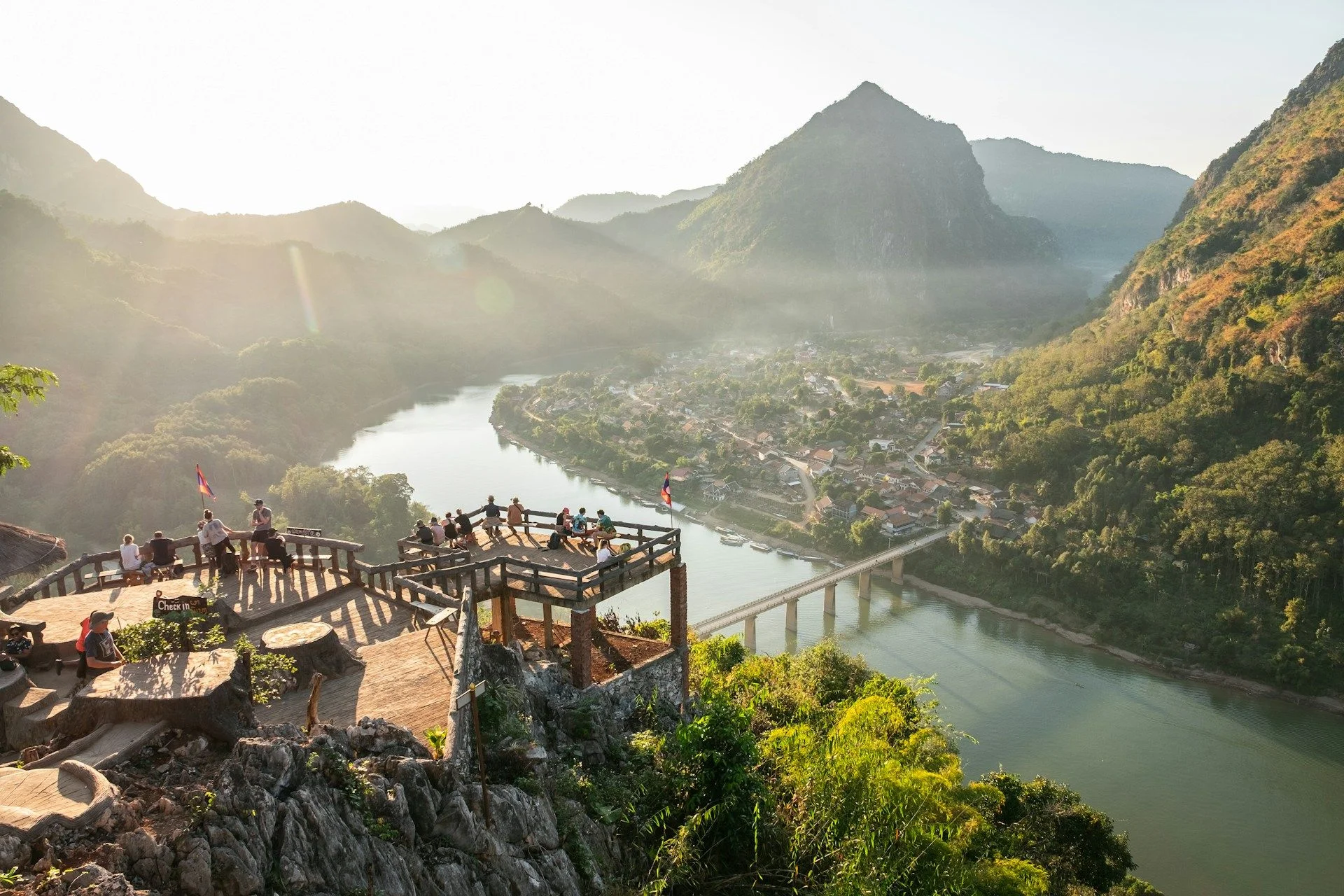
بهترین پیشنهادات
در پکس
مزایای سرمایهگذاری در
املاک لائوس


راهنمای املاک
سرمایهگذاران در لائوس
اینجا بخوانید
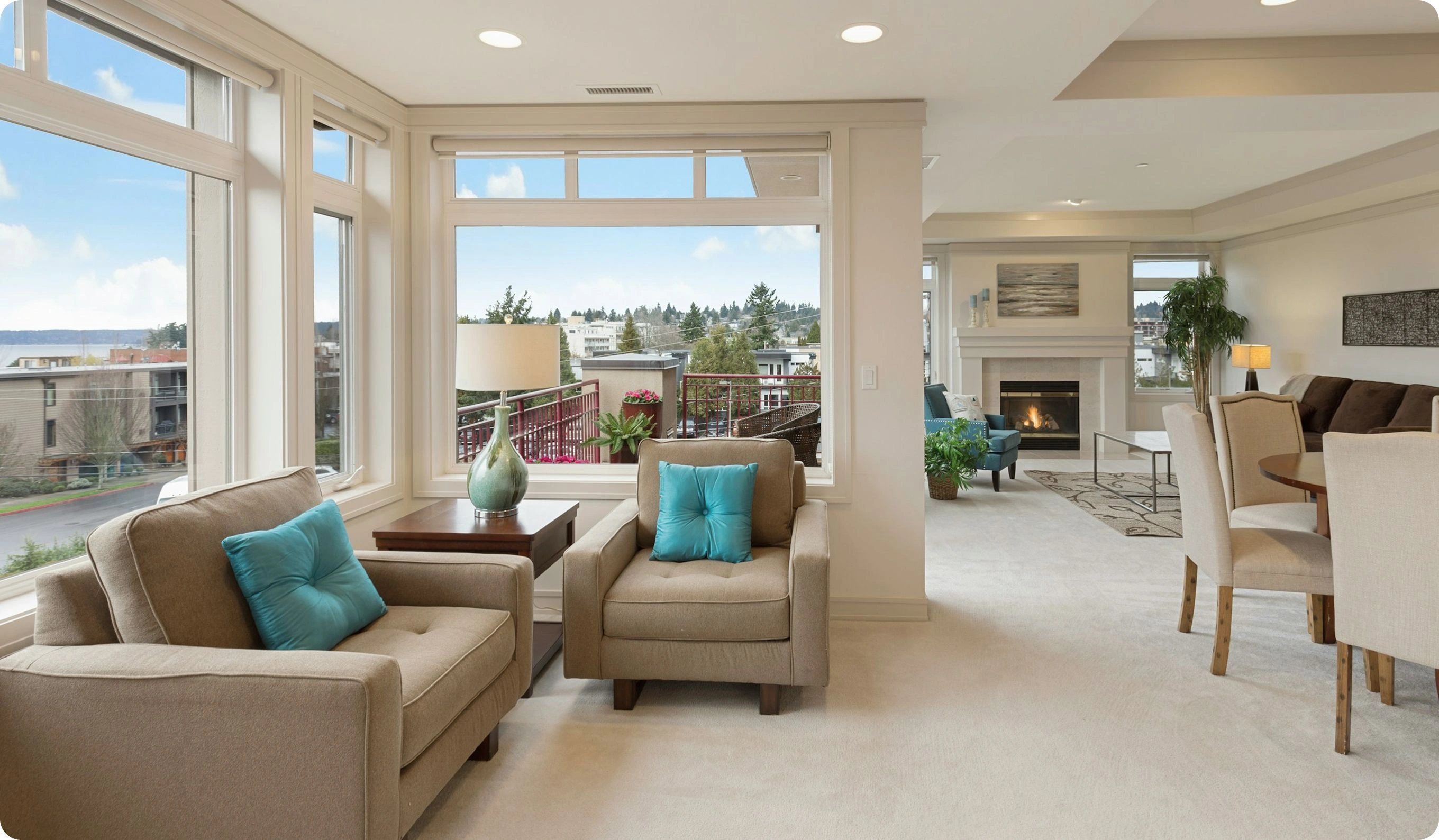








مقالات مفید
و توصیههایی از متخصصان
Main title about secondary real estate in Pakse
Why secondary properties attract buyers
Secondary real estate in Pakse appeals to investors and owner-occupiers seeking immediate occupancy and proven yields in southern Laos’s fastest-growing provincial capital. Pre-owned villas, guest houses, townhouses and French-colonial residences along the Mekong and in central precincts bypass the typical delays, regulatory hurdles and quality variances of new builds. Turnkey properties in Don Daeng, Sisattanak and Ban Dong connect to reliable Nam Ou and Nam Song water systems, uninterrupted Électricité du Laos power with automatic diesel backup, mature combined stormwater and sewer networks, and sealed asphalt roads maintained by the Champasak Provincial Authority. Telecommunications infrastructure includes high-speed fibre-to-the-home from Lao Telecom and Unitel, complemented by widespread 4G mobile coverage. Many homes preserve authentic Lao-French architectural elements—arched verandahs, terracotta tiles, shuttered windows and ornate plasterwork—while featuring modern upgrades: energy-efficient double glazing, bespoke open-plan European kitchens, reinforced concrete footings engineered for tropical soils, integrated solar water heaters, modern sanitary suites, under-floor cooling and prewired smart-home controls. This genuine move-in readiness dramatically reduces holding costs and accelerates rental income, empowering buyers—from eco-lodge operators and expatriate NGO staff to local professionals and yield-focused investors—to begin generating returns or enjoying quality Mekong-edge living from day one. VelesClub Int.’s end-to-end advisory services ensure transparent valuation benchmarks and meticulous due diligence at every stage.
Established neighbourhoods
Pakse’s secondary-market ecosystem is anchored by several mature precincts, each offering distinct lifestyle and investment benefits. Don Daeng Island, accessed via the Pakse Bridge, hosts low-rise guest houses, riverfront villas and family estates in lush garden settings—turnkey-equipped with private docks, landscaped terraces and security gates. Sisattanak Ward, west of the city centre, combines French-colonial villas, renovated Soviet-era apartment blocks and modern townhouses close to the Champasak Provincial Hospital, international schools and Ho Phra Keo temple. The Ban Dong riverside zone features renovated wooden stilt houses and contemporary villas on sprawling lots—prized for unobstructed Mekong views, cooling breezes and direct boat-taxi connectivity to Don Daeng. Emerging belts along the Lao-Thai friendship bridge corridor, near the new Pakse-Ubon traffic axis, offer subdivided colonial plots and townhouse clusters benefiting from improved highway access and fibre rollouts. Across all precincts, civic services—sealed streets, scheduled waste removal, reliable utility mains, and integrated tuk-tuk and bus links—operate seamlessly, ensuring minimal post-purchase capex and rapid tenant integration into Pakse’s dynamic urban fabric.
Who buys secondary real estate
The buyer profile in Pakse’s resale segment reflects the city’s evolving role as a trade hub and eco-tourism gateway. Eco-lodge operators and guest-house entrepreneurs acquire Mekong-front villas and island bungalows in Don Daeng and Ban Dong to capitalize on upstream cruise and seasonal festivals—leveraging VelesClub Int.’s property-management and yield-optimization expertise. Expatriate NGO staff, development workers and diplomatic personnel secure fully furnished apartments and townhouses in Sisattanak for mid-term contracts—valuing all-bills-included leases, shuttle services and compound security. Local professionals—bankers, legal advisors, educators—purchase multi-bedroom residences in central wards for stable family living, prioritizing proximity to international schools like Pakse International School and medical centers such as Champasak Hospital. Cross-border traders and logistics executives invest in mixed-use ground-floor retail units with upper-floor flats along the Ban Dong commercial boulevard—combining business premises with rental income. Diaspora investors from Thailand, Vietnam and France target small multifamily blocks in emerging corridors near the new airport highway—guided by occupancy analytics and clear exit strategies from VelesClub Int. Common drivers across segments include immediate move-in readiness, preserved architectural character, transparent title chains and integration into mature service networks that underpin consistent returns.
Market types and price ranges
Pakse’s secondary real-estate landscape spans a full continuum of property typologies and price tiers to suit diverse investment strategies and lifestyle preferences. Entry-level one-bedroom apartments and studios in Sisattanak and downtown wards start from approximately USD 25,000 to USD 50,000—offering basic turnkey finishes, shared communal spaces and proximity to bus and tuk-tuk lines. Mid-range two- to three-bedroom townhouses and French-colonial villas in Don Daeng, Ban Dong and central Pakse trade between USD 60,000 and USD 120,000—featuring granite kitchen countertops, modern baths, private verandahs and landscaped gardens. Premium detached Mekong-front villas and heritage mansion conversions command USD 150,000 to over USD 300,000—driven by river frontage, bespoke interior fit-outs, mature tropical gardens and private docking facilities. For institutional and portfolio investors, small multi-unit complexes (4–8 units) in emerging belts near the airport and provincial trade hubs list between USD 100,000 and USD 200,000—delivering diversified rental streams and economies of scale. Financing options through Banque Pour Le Commerce Extérieur Lao (BCEL), Lao Development Bank and regional microfinance institutions offer mortgage and hire-purchase schemes at competitive rates (8%–10% per annum) with typical down payments of 20%–30%. Documented net rental yields average 7%–9% per annum across core Pakse corridors—benchmarks integrated by VelesClub Int. into proprietary yield-modelling and strategic acquisition tools.
Legal process and protections
Acquiring secondary real estate in Pakse follows Laos’s conveyancing framework under the Land Law and Civil Code. Transactions commence with a signed Sale-Purchase Agreement (SPPA) and payment of a 5%–10% deposit held in escrow by a licensed local notary or law firm. Buyers conduct due diligence: obtaining a Land Title Registration extract to verify ownership, encumbrances and cadastral boundaries; commissioning boundary and structural surveys by certified geomatics engineers; ordering building-condition and termite inspections; and confirming utility-connection status for Électricité du Laos meters and Nam Ou/Nam Song water connections. Upon clearance, parties execute the final notarized deed before the District Land Office; registration fees (1%–2% of sale value), stamp duties and notarial fees are paid. The title is then registered, granting formal ownership and public notice. Foreign nationals may acquire leasehold rights up to 30 years—renewable under the Land Law—subject to Ministry of Natural Resources and Environment approval. Statutory safeguards include warranties against latent defects and recourse through provincial courts. VelesClub Int. orchestrates each step—due diligence management, notarial liaison and registry filings—to ensure compliance, mitigate risks and deliver a seamless closing for domestic and international clients.
Best areas for secondary market
Certain micro-markets in Pakse stand out for infrastructure maturity, amenity access and rental performance. Don Daeng yields net returns of 8%–9% driven by river-cruise and eco-tourism tenancy. Sisattanak District’s central flats deliver yields of 7% backed by expatriate and professional leases. Ban Dong riverside villas achieve yields of 9% supported by holiday-let and long-stay demand. Emerging belts along the Pakse-Ubon highway and near the new international airport present value-add prospects in subdivided plots and mixed-use conversions—yielding near 10% as road upgrades and flight connectivity expand. Each precinct benefits from sealed roads, reliable water and power mains, fibre broadband, integrated tuk-tuk and bus links, and proximity to schools, hospitals and markets—ensuring transparent pricing, consistent occupancy and strong resale liquidity. VelesClub Int.’s proprietary neighbourhood-scoring methodology and on-the-ground research guide clients to the sub-markets that optimally align yield targets, capital-growth forecasts and lifestyle preferences within Pakse’s dynamic secondary-real-estate ecosystem.
Why choose secondary over new + VelesClub Int. support
Opting for secondary real estate in Pakse delivers immediate possession, proven civic infrastructure and transparent historical performance—advantages seldom matched by speculative new builds subject to permitting delays, import-cost volatility and contractor uncertainties. Buyers avoid pre-launch premiums and extended delivery timelines by selecting turnkey assets with operational water, power, broadband and modern amenities already in place. Secondary properties often showcase irreplaceable Lao-French architectural character—arched verandahs, terracotta tile roofs and carved wood details—that new constructions cannot replicate, enhancing cultural authenticity and long-term desirability. Lower entry premiums relative to green-field or off-plan schemes free up capital for interior personalization, energy-efficiency upgrades (solar PV, rainwater harvesting) or strategic portfolio diversification across multiple Mekong-edge micro-markets. Mature neighbourhood services—reliable Nam Ou and Nam Song water supply, uninterrupted Électricité du Laos power, sealed roads, integrated tuk-tuk networks and high-speed fibre broadband—ensure seamless move-in and minimal post-purchase maintenance. VelesClub Int. enriches this acquisition journey with comprehensive end-to-end expertise: sourcing exclusive off-market listings, conducting exhaustive due diligence, negotiating optimal terms and managing all legal formalities. Our post-closing property management solutions—tenant placement, preventive maintenance coordination and transparent performance reporting—optimize occupancy rates and preserve capital value. Through proactive portfolio monitoring, annual market reviews and strategic advisory, VelesClub Int. empowers clients to maximize Pakse’s secondary real estate potential with confidence, clarity and operational efficiency.