
Secondary Property Listings in Dominica – Resale HomesCaribbean turnkey homes witheco-friendly resilient returns
بهترین پیشنهادات
در دومینیکا
Benefits of investment in
Dominica real estate


Move-In Ready Villas
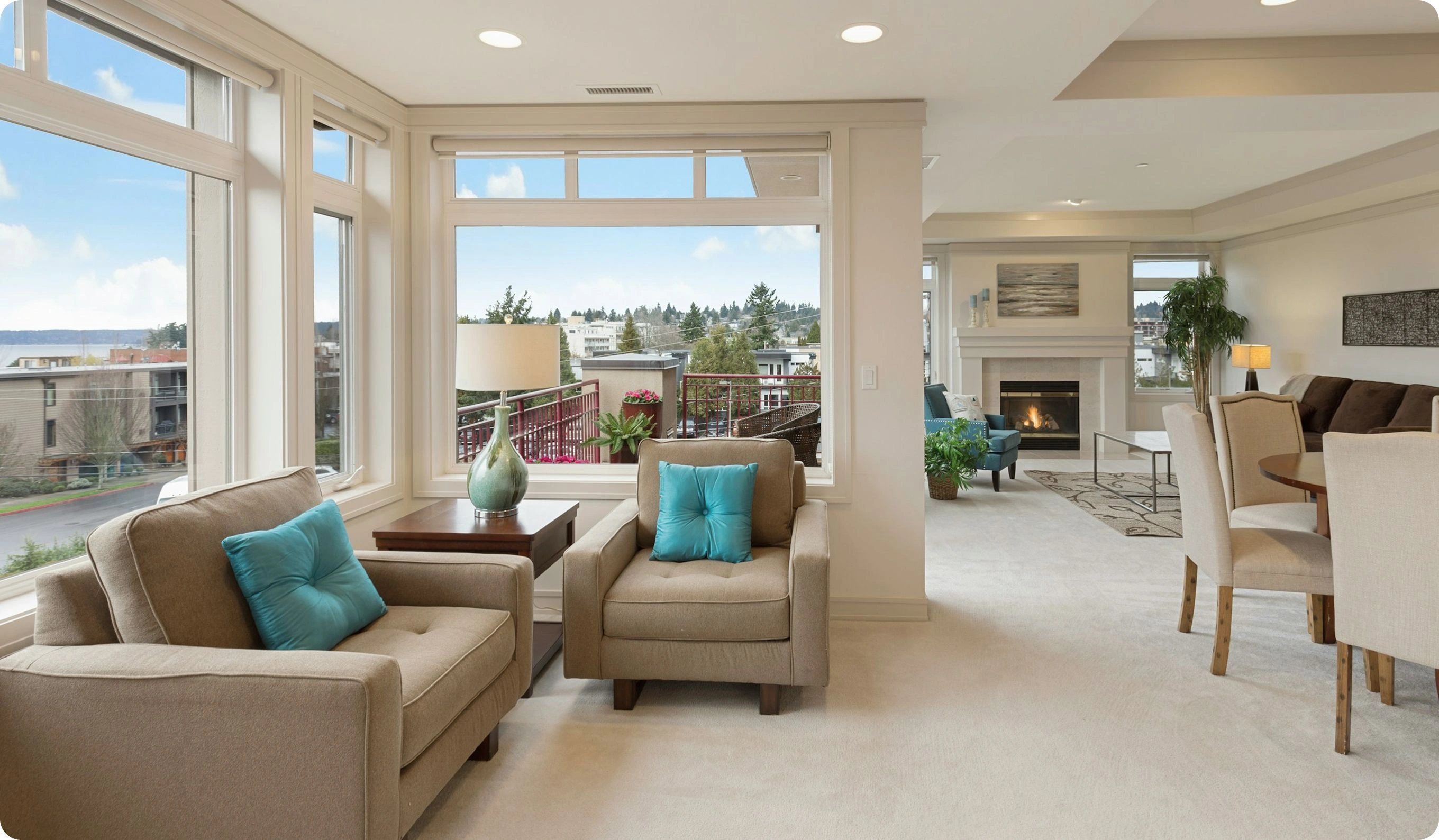
Secondary villas in Roseau and Portsmouth arrive fully renovated—designer kitchens, hurricane-rated windows, reinforced foundations, and pre-wired smart systems—allowing immediate occupancy or rental without further works, reducing holding costs and accelerating income from month one.
Mature Utility Networks
Established districts benefit from reliable potable water from Dominica Water and Sewerage Company, stable geothermal-augmented electricity, paved roads, and community high-speed broadband—ensuring seamless living, high tenant satisfaction, and minimal post-purchase upgrades.
Proven Eco-Tourism Yields
Documented short-term rental performance in scenic areas such as Soufrière Valley and Calibishie yields net returns of 6%–8% annually, backed by consistent demand from eco-travellers, retirees, and expat professionals, providing clear exit strategies.
Move-In Ready Villas
Secondary villas in Roseau and Portsmouth arrive fully renovated—designer kitchens, hurricane-rated windows, reinforced foundations, and pre-wired smart systems—allowing immediate occupancy or rental without further works, reducing holding costs and accelerating income from month one.
Mature Utility Networks
Established districts benefit from reliable potable water from Dominica Water and Sewerage Company, stable geothermal-augmented electricity, paved roads, and community high-speed broadband—ensuring seamless living, high tenant satisfaction, and minimal post-purchase upgrades.
Proven Eco-Tourism Yields
Documented short-term rental performance in scenic areas such as Soufrière Valley and Calibishie yields net returns of 6%–8% annually, backed by consistent demand from eco-travellers, retirees, and expat professionals, providing clear exit strategies.
مقالات مفید
و توصیههایی از متخصصان








Unlock Premier Secondary Real Estate in Dominica
Why secondary properties attract buyers
Secondary real estate in Dominica presents an immediate-use opportunity, blending eco-resilience and turnkey readiness in a stable Caribbean jurisdiction. Unlike new developments that can stall amid permitting delays, rising construction costs, and logistical challenges on a mountainous island, pre-owned homes and villas come with proven utility connections—potable water supplied by the Dominica Water and Sewerage Company, geothermal-enhanced electricity from DOMLEC, functional septic and drainage systems, and community broadband. Many properties retain authentic Caribbean-Creole architectural details—deep verandahs, louvred shutters, and local stone cladding—while interiors have been comprehensively modernized with energy-efficient double glazing, bespoke kitchens with imported appliances, reinforced concrete foundations engineered for seismic and hurricane resilience, and pre-wired smart-home controls. This genuine turnkey readiness eliminates post-purchase works, shortens time to rental income, and mitigates holding costs. Historical transaction records maintained by the Government of Dominica’s Land Registry provide transparent pricing benchmarks, enabling precise valuation and risk assessment. With documented net rental yields averaging 6%–8% per annum in prime eco-tourism corridors, and sustained demand from seasonal travellers, expatriate retirees, and digital-nomad professionals, secondary acquisitions offer a compelling blend of cultural authenticity, environmental stewardship, and quantifiable returns underpinned by VelesClub Int.’s end-to-end advisory services.
Established neighbourhoods
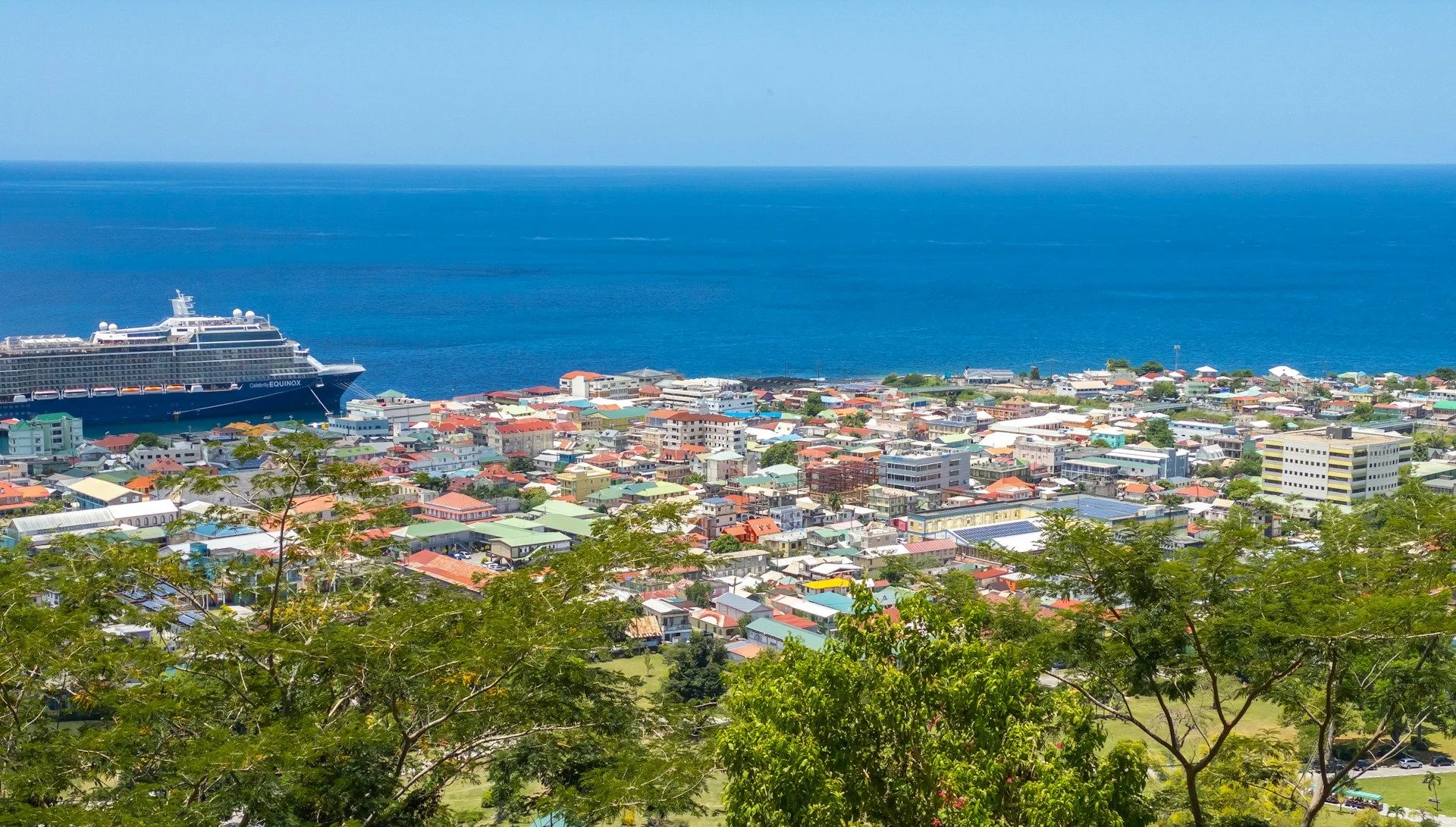
Dominica’s secondary market is anchored by several mature sub-markets, each offering distinct lifestyle and investment advantages. In Roseau, the capital’s hillside suburbs—Trafalgar Estate and Stock Farm—feature colonial-era bungalows and mid-century townhouses fully updated with hurricane-rated windows, solar-ready electrical panels, and manicured tropical gardens. These properties benefit from paved roads, reliable municipal services, and proximity to schools, hospitals, and maritime facilities. Portsmouth, on the sheltered northwest coast, offers refurbished waterfront villas and low-rise apartment complexes near the scenic Indian River, all enhanced with generator backups and gravity-fed water reserves. Inland communities such as Laudat and Trafalgar draw eco-conscious buyers to restored eco-lodges and hillside homes overlooking the Boiling Lake and Emerald Pool, prized for year-round temperate microclimates and geothermal district heating potential. East Coast pockets—Calibishie and Salybia Bay—host multi-unit guesthouse conversions and small villa clusters adjacent to coral reefs and rainforest trails, delivering turnkey short-let returns. Across all locales, community-managed utilities, sealed thoroughfares, and local agro-tourism networks operate consistently, ensuring minimal post-purchase capital outlay and seamless integration into Dominica’s celebrated “Nature Island” lifestyle.
Who buys secondary real estate
Buyer profiles in Dominica’s secondary real estate market are remarkably diverse, reflecting the island’s multifaceted appeal. Retired expatriates from North America and Europe often acquire turnkey villas in Roseau’s elevated suburbs and Calibishie’s coastal belts, valuing established international-school catchments, gated compounds, and reliable health-care access. Eco-tourism operators and hospitality investors secure restored eco-lodges and small guesthouse units in Trafalgar, Laudat, and Cochrane—capitalizing on proximity to Hot Springs and national park trails. Digital-nomad professionals and freelance creatives lease fully furnished apartments in Portsmouth and Roseau’s downtown fringes, drawn by inclusive bills, high-speed internet, and vibrant cultural enclaves. Local entrepreneurs and diaspora-backed families invest in multi-unit residential blocks in Massacre and Goodwill to house seasonal workers, students at the Caribbean Community College, and local civil service staff—leveraging documented rental demand and VelesClub Int.’s turnkey property management solutions. Across segments, the unifying factors are immediate usability, transparent track records, and integration into mature community fabrics that mitigate operational risk and underpin predictable returns.
Market types and price ranges
Dominica’s secondary real estate landscape spans a comprehensive spectrum of typologies and budgets. Entry-level one-bedroom flats and small garden cottages in emerging suburban corridors—such as Fond Colé and Cana—start from approximately USD 80,000 to USD 140,000, offering basic modern finishes, communal gardens, and proximity to bus routes along the west-coast highway. Mid-range two- to three-bedroom townhouses and hillside bungalows in Roseau’s Trafalgar Estate and Portsmouth’s Flat Bay trade between USD 150,000 and USD 300,000, featuring granite kitchens, upgraded bathrooms with rainwater harvesting systems, private parking, and landscaped verandahs. Premium coastal villas and luxury penthouses in Calibishie, Bioche, and Anse du Mé—with direct beach access and swimming-pool installations—command USD 350,000 to USD 700,000, driven by plot size, bespoke interior finishes, and gated-community amenities. For yield-focused investors, small multi-unit guesthouse buildings (4–8 units) near national-park entry points and river-boat piers list between USD 400,000 and USD 900,000, delivering diversified short-let income streams and economies of scale. Mortgage financing options through the National Bank of Dominica and Carib-Invest Bank offer competitive rates (6%–8% annually) with typical down payment requirements of 20%–30%. Documented net rental yields across core eco-tourism and coastal corridors average 6%–8% per annum, underpinned by stable visitor demographics—eco-travellers, retirees, and project-development staff—providing clear performance benchmarks for portfolio planning.
Legal process and protections
Purchasing secondary real estate in Dominica follows a transparent conveyancing framework under the Registration of Titles Act and the Land Acquisition and Compensation Act. Transactions begin with a signed Compromise Agreement and payment of an earnest deposit—commonly 5%–10% of the sale price—held in escrow by a licensed attorney. Buyers commission due diligence, including a Certificate of Title and Survey Plan verification at the Land Registry to confirm ownership chain, boundary accuracy, and any encumbrances such as mortgages or servitudes. Mandatory property inspections—structural integrity assessments, pest and termite surveys, and utility-compliance checks—are performed by certified local engineers. Upon satisfactory review, parties execute the Deed of Transfer before a Notary Public; stamp duties (1%–3% of the property value) and registration fees are paid. The new title is then entered in the Register of Titles, granting formal legal recognition and public notice. Foreign nationals benefit from equal acquisition rights, unlimited repatriation of rental income and capital proceeds, and residency visa facilitation under the Economic Development Citizenship Program. Statutory warranties up to two years cover latent defects, with dispute resolution accessible through the Eastern Caribbean Supreme Court. VelesClub Int. manages every step—legal coordination, document preparation, tax filings, and registry liaison—ensuring compliance, risk mitigation, and a seamless closing for both domestic and international clients.
Best areas for secondary market
Key hotspots in Dominica’s secondary real estate market combine infrastructural maturity, eco-tourism appeal, and robust rental pipelines. Roseau’s Trafalgar Estate and Stock Farm remain perennial favourites for their elevated plateau views, gated-community security, and federal amenity access—schools, hospitals, and retail. Portsmouth’s north-coast precincts—Flat Bay, Cobbs Cross, and Bellevue Chopin—deliver turnkey waterfront apartments and guesthouse conversions with proximity to seaport terminals and marine services. Inland eco-corridors such as Trafalgar Valley, Laudat, and Cochrane attract year-round occupancy for eco-lodges and river-boat operators, leveraging national park access and perennial tourism seasons. Coastal enclaves—Calibishie, Salybia Bay, and Marigot—offer ready-to-occupy villas and boutique resorts amid tidal mangrove estuaries, delivering proven short-let yields. Emerging belts along the Bellevue-Chopping Road and East Coast Highway—Boiling Lake access roads—feature older family homes converted into multi-unit rentals, driven by road upgrades and geothermal-power grid expansions. Each area benefits from sealed road networks, reliable municipal services, local community co-operatives for maintenance, and supportive tourism-development authorities, ensuring transparent pricing, stable rental yields, and strong resale prospects. VelesClub Int.’s proprietary neighbourhood-scoring methodology and in-field research guide clients to sub-markets offering the optimal blend of affordability, capital-growth potential, and eco-lifestyle alignment within Dominica’s dynamic secondary real estate ecosystem.
Why choose secondary over new + VelesClub Int. support
Choosing secondary real estate in Dominica delivers distinct advantages over new-build projects: immediate possession, proven infrastructure, and documented performance histories. Buyers avoid permitting backlogs, fluctuating construction costs, and logistical complexities in an island context by selecting turnkey assets with established utility networks and transparent transaction records. Secondary homes often showcase unique Caribbean-Creole architectural details—deep verandahs, local stone walls, and shaded courtyards—that new constructions cannot replicate, enhancing cultural authenticity and long-term desirability. Lower entry premiums compared to off-plan offerings free up capital for interior personalization, eco-upgrades such as solar PV installations or rainwater harvesting systems, or strategic portfolio diversification across multiple districts and tourist corridors. Mature neighbourhood infrastructures—reliable DWSC water, geothermal-enhanced DOMLEC power, sealed roads, community broadband and responsive maintenance co-operatives—ensure seamless move-in and minimal post-purchase capital outlay. VelesClub Int. enriches this acquisition journey through comprehensive end-to-end expertise: sourcing exclusive off-market opportunities, conducting exhaustive due diligence, negotiating optimal terms, and managing all legal formalities. Our post-closing property management services—tenant placement, preventive maintenance coordination, and transparent performance reporting—optimize occupancy rates and preserve asset value. Through proactive portfolio monitoring, annual market reviews, and strategic advisory, VelesClub Int. empowers clients to maximize Dominica’s secondary real estate potential with confidence, clarity, and efficiency.