
Land for Sale in VaudRegional land opportunities for buyers and developers
Best offers
in Vaud
Land Plots in Vaud


Lakeside Expansion
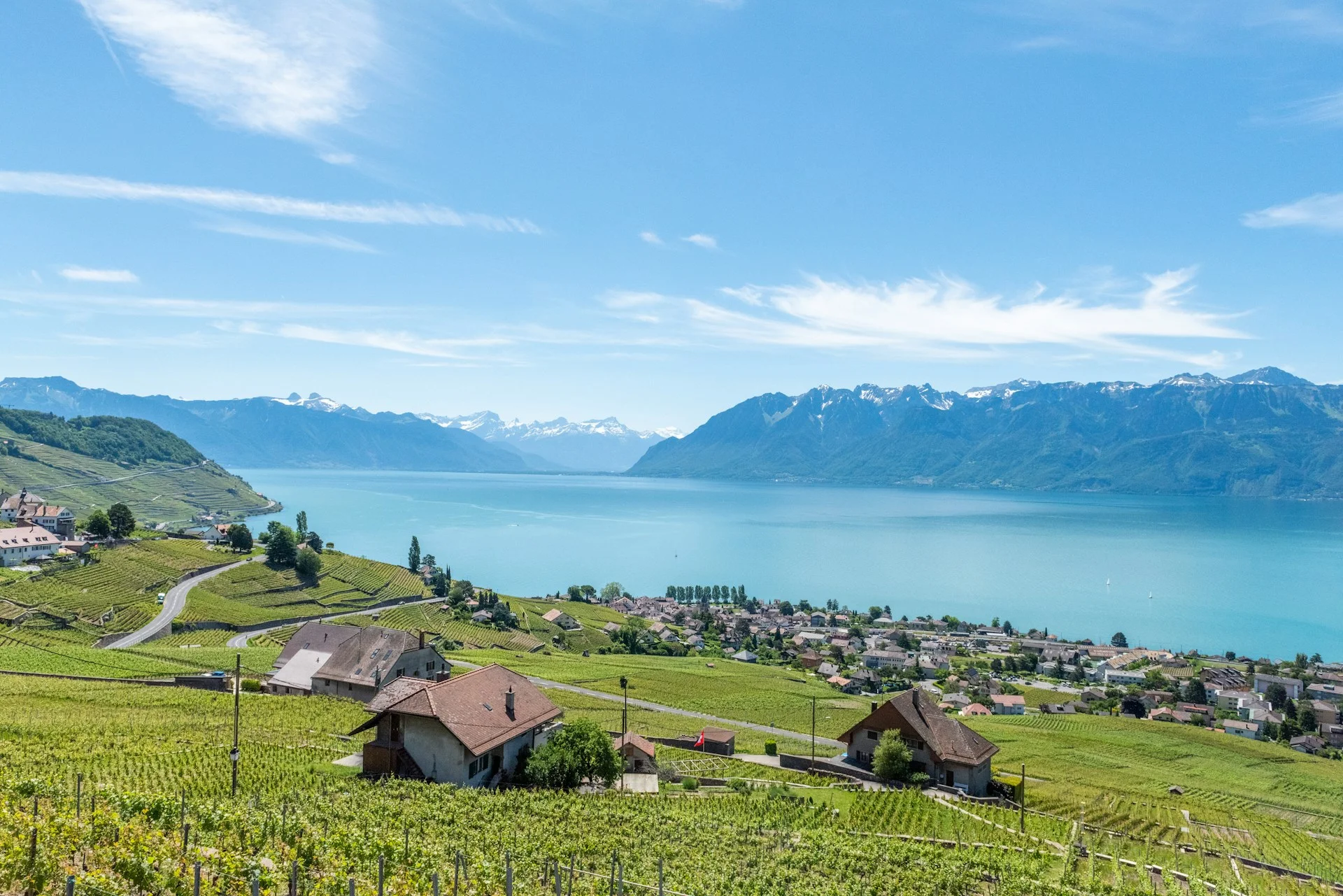
Land in Vaud is most naturally considered for low-density residential building, vineyard-linked estates, and structured suburban development because the canton balances strong urban demand with preserved rural character across its lake-facing and alpine transition landscapes
Alpine Balance
Vaud land benefits from a rare spatial mix where lakeshore accessibility, hillside terrain, and plateau settlements create diverse plot conditions that support both lifestyle-oriented construction and carefully scaled development beyond dense municipal cores
Institutional Stability
Strategic land value in Vaud is shaped by long-term planning consistency, infrastructure reliability, and controlled urban expansion patterns that allow plots to retain relevance as residential demand, economic activity, and regional mobility evolve over time
Lakeside Expansion
Land in Vaud is most naturally considered for low-density residential building, vineyard-linked estates, and structured suburban development because the canton balances strong urban demand with preserved rural character across its lake-facing and alpine transition landscapes
Alpine Balance
Vaud land benefits from a rare spatial mix where lakeshore accessibility, hillside terrain, and plateau settlements create diverse plot conditions that support both lifestyle-oriented construction and carefully scaled development beyond dense municipal cores
Institutional Stability
Strategic land value in Vaud is shaped by long-term planning consistency, infrastructure reliability, and controlled urban expansion patterns that allow plots to retain relevance as residential demand, economic activity, and regional mobility evolve over time








Useful articles
and recommendations from experts
Buying land in Vaud and understanding regional plot logic
Why land still plays a role in Vaud's territorial structure
Land in Vaud is rarely treated as a speculative impulse. It is usually considered within a disciplined framework shaped by demographic stability, economic continuity, and carefully moderated urban expansion. Buyers tend to approach plots as long-term positioning tools rather than rapid turnover opportunities.
This approach reflects the canton's spatial hierarchy. Core urban municipalities offer limited buildable availability, while secondary settlements and peripheral belts maintain structured access to residential or mixed-use land. As a result, land remains relevant for those seeking control over building form or long-horizon territorial presence.
How land in Vaud fits between lakeshore density and plateau settlements
The spatial identity of Vaud is defined by a transition from Lake Geneva frontage to inland plateau zones and rising alpine terrain. This gradient shapes land selection. Lakeside plots often carry strong residential orientation but tighter physical and regulatory constraints, while plateau areas provide broader development logic with more adaptable site configurations.
In practical terms, buyers rarely evaluate Vaud land through municipal labels alone. Instead, they assess how a plot integrates into commuting patterns, regional service corridors, and settlement continuity. Land that aligns with the everyday mobility framework tends to function more effectively than visually attractive but spatially isolated parcels.
Main land-use clusters shaping Vaud plot demand
The dominant cluster in Vaud is residential-led land use, particularly low-density housing, villa-scale construction, and carefully planned community extensions. This reflects both demographic demand and a long-standing territorial preference for controlled suburban growth.
The secondary cluster involves mixed-use positioning tied to service-oriented activity. Plots located near transport nodes or established local centers may support hybrid functions where residential occupation coexists with professional or commercial presence. Agricultural-edge use appears selectively, especially in vineyard-linked zones, but typically remains a niche consideration.
Comparing different categories of land plots in Vaud
Land in Vaud varies less by headline size and more by integration quality. A plot embedded in an existing residential belt usually offers clearer building pathways than one located in visually appealing but fragmented terrain. Buyers often prioritize functional shape, gradient, and access over symbolic proximity to major urban names.
Terrain is also a defining factor. Hillside and alpine-adjacent parcels may present unique architectural opportunities but require more careful planning logic. Plateau plots tend to provide more predictable building conditions, particularly for buyers seeking structured residential development.
Land versus fixed property formats in Vaud's housing landscape
In Vaud, apartments and completed houses deliver immediate occupancy within well-established residential frameworks. Land, by contrast, introduces strategic flexibility. Buyers choosing plots typically value the ability to define architectural character, staging timelines, and long-term spatial use rather than focusing on rapid settlement.
This distinction is particularly relevant in areas where planning continuity ensures that land retains functional relevance over time. A carefully selected parcel may align better with evolving lifestyle or investment objectives than a pre-defined property format.
Reading land opportunities in Vaud through structured comparison
When reviewing land for sale in Vaud, buyers benefit from filtering options through territorial logic before focusing on individual characteristics. Identifying the intended use cluster, understanding the surrounding settlement pattern, and evaluating infrastructural alignment often clarifies whether a plot truly matches strategic goals.
The VelesClub Int. catalog enables this structured comparison by presenting land opportunities within a coherent spatial framework. Rather than approaching Vaud as a collection of isolated listings, buyers can assess how each parcel fits broader regional dynamics.
Questions buyers often consider about land in Vaud
Why does land value in Vaud vary strongly between lakeshore and inland areas? Because spatial accessibility, terrain, and settlement density shape how each plot integrates into everyday residential and economic patterns.
What makes one Vaud plot more practical than another of similar size? Integration into an established settlement belt, reliable access routes, and terrain suitability often outweigh purely symbolic location factors.
Is land in Vaud primarily residential or development-oriented? Residential use dominates, but selective mixed-use positioning emerges where plots align with service corridors or local activity centers.
How does terrain influence plot usability in Vaud? Hillside and alpine gradients can shape architectural flexibility, construction complexity, and long-term adaptability of the site.
Where does land usually make the most sense within Vaud? Typically in structured suburban zones or plateau settlements where growth patterns remain consistent and infrastructure integration is clear.
How should buyers interpret listings for land plots in Vaud? By comparing spatial context first, then evaluating plot geometry, accessibility, and alignment with intended long-term use before moving toward detailed selection.
Clear territorial understanding transforms land selection in Vaud from an abstract search into a disciplined decision. Reviewing relevant plots through the VelesClub Int. catalog or submitting a structured request helps align interest with practical regional logic.