
Land for Sale in UriRegional land opportunities with investment potential
Best offers
in Uri
Land Plots in Uri


Alpine Terrain
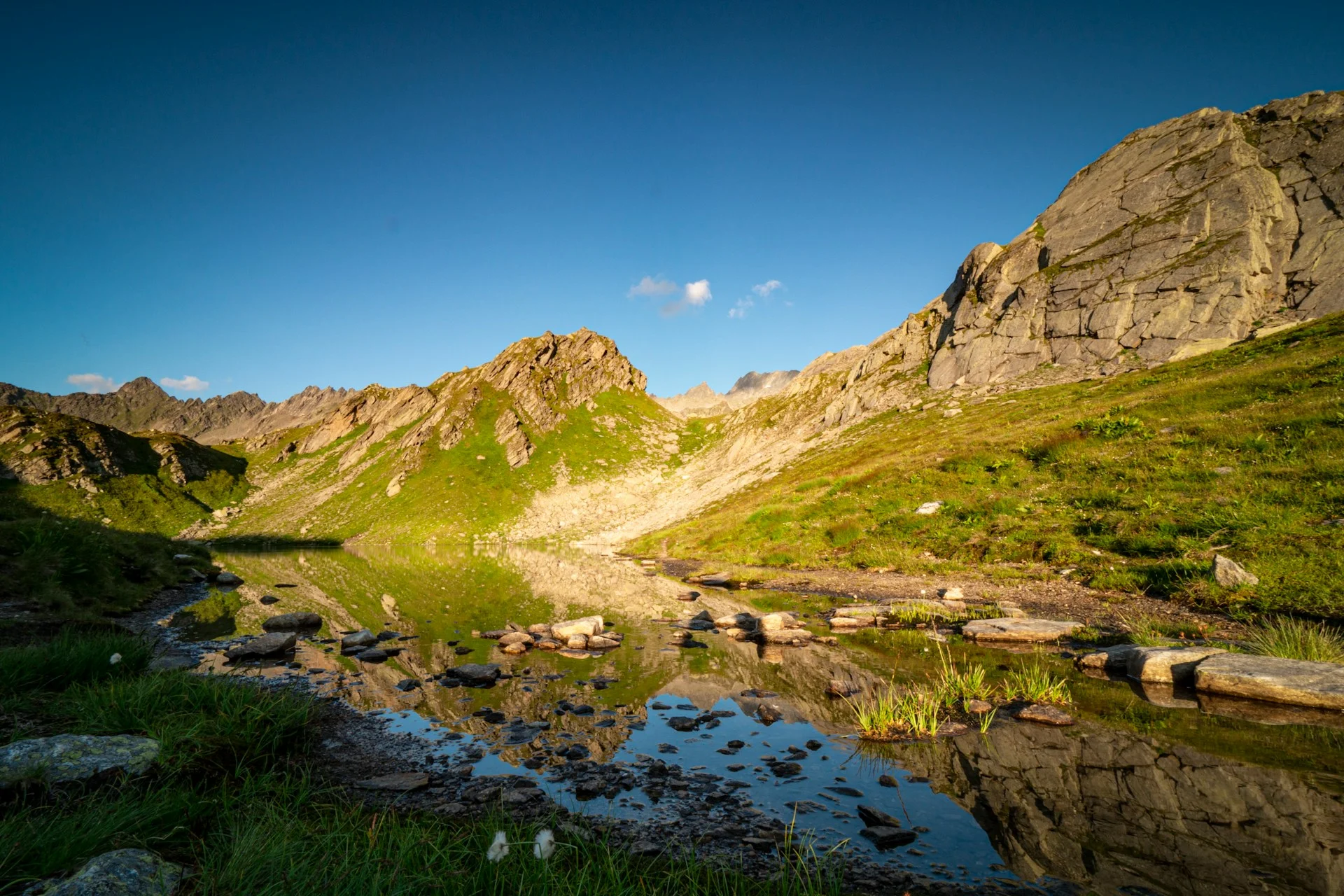
Land in Uri is most naturally considered for low-density residential building, alpine-edge positioning, and selective local development because the canton combines dramatic mountain geography with small settlement clusters and limited but clear buildable pockets
Transit Corridor
Few Swiss cantons shape land like Uri, where valley settlements, alpine slopes, and major north–south transit routes create plot conditions that depend heavily on accessibility, terrain practicality, and integration with compact local communities
Long Horizon
Strategic land value in Uri comes from infrastructure continuity, geographic gateway positioning, and stable regional settlement patterns that keep well-situated plots relevant even when overall demand remains quieter than in larger Swiss cantons
Alpine Terrain
Land in Uri is most naturally considered for low-density residential building, alpine-edge positioning, and selective local development because the canton combines dramatic mountain geography with small settlement clusters and limited but clear buildable pockets
Transit Corridor
Few Swiss cantons shape land like Uri, where valley settlements, alpine slopes, and major north–south transit routes create plot conditions that depend heavily on accessibility, terrain practicality, and integration with compact local communities
Long Horizon
Strategic land value in Uri comes from infrastructure continuity, geographic gateway positioning, and stable regional settlement patterns that keep well-situated plots relevant even when overall demand remains quieter than in larger Swiss cantons








Useful articles
and recommendations from experts
Land plots in Uri and how to read alpine land logic
Why land matters in a small alpine canton like Uri
Uri is not a canton defined by large urban growth or wide suburban expansion. It is shaped by mountains, valleys, and compact settlement clusters where land decisions are closely tied to geography. Buyers usually consider plots here when they want a site connected to landscape presence, long-term residential use, or a quieter regional positioning rather than a purely metropolitan objective.
This does not mean land in Uri lacks structure. On the contrary, usability often depends on understanding how limited buildable areas fit into the local settlement pattern. A plot can appear visually open yet remain impractical if it sits outside the functional rhythm of the canton. In Uri, land becomes relevant when it aligns with how people actually live, move, and build within an alpine environment.
How land fits Uri's valley-based territorial structure
The canton should be read through its valley system. Most settlement activity concentrates along transport corridors and flatter valley floors where infrastructure and daily services exist. These zones form the primary context in which land plots gain practical relevance.
Beyond them, hillside and mountain-edge locations introduce a different logic. Such plots may offer stronger landscape identity but require more careful evaluation of access, terrain stability, and integration with nearby communities. In Uri, the distinction between valley settlement land and alpine-edge land is one of the most important filters for any buyer.
Main land-use clusters shaping plot demand in Uri
The dominant cluster is residential-led land use at low density. Plots suited to detached homes or small residential projects are the clearest category because they align with the canton's settlement scale. Buyers looking for land here often prioritize privacy, environmental context, and a long-term lifestyle position rather than development intensity.
The secondary cluster involves selective local development tied to small municipal centers or transit-influenced areas. These plots can support mixed everyday uses where residential occupation coexists with small-scale service activity. Such opportunities are limited but meaningful in locations where infrastructure creates natural focal points.
What types of land plots in Uri usually make sense
Valley-floor residential plots are generally the most straightforward options. They provide clearer access, more predictable building conditions, and stronger connection to everyday services. For buyers seeking functional residential land, these sites often represent the most balanced choice.
Hillside and alpine-edge plots form another category with distinct appeal. Their value often lies in landscape presence and architectural uniqueness, but they must be assessed carefully. In Uri, a visually dramatic site only works well if its slope, footprint, and access routes support practical construction.
There are also parcels near transport corridors where land gains relevance from regional connectivity. These sites may offer slightly broader development potential, particularly when they align with local settlement growth patterns or small-scale mixed-use positioning.
What makes one Uri plot more practical than another
Practicality in Uri begins with terrain. Gradient, ground stability, and usable shape often matter more than raw size. Two similarly priced plots can perform very differently depending on how easily they support building and how naturally they integrate into the surrounding settlement.
Accessibility also plays a decisive role. In an alpine canton, proximity to main routes, service centers, and local infrastructure can transform the usability of a site. Buyers comparing land for sale in Uri should therefore read location not only through scenery but through daily function.
Settlement integration completes the picture. A plot that belongs clearly to an existing village or residential cluster is usually easier to evaluate than one that feels isolated. In Uri, the strongest land decisions often come from alignment with established local structure rather than from the idea of remote openness.
Land in Uri versus fixed property formats
A completed house offers immediate occupation, while land introduces the ability to define how a property interacts with its alpine surroundings. In Uri, this difference can be significant because building orientation, layout, and environmental integration often shape the long-term quality of a site.
Land becomes attractive when buyers want more design control or when existing property stock does not match the intended spatial experience. However, it must justify itself through practical usability. In a canton with limited buildable territory, a parcel only becomes compelling when it supports a realistic and well-integrated project.
How to compare land plots in Uri through the VelesClub Int. catalog
When reviewing land plots in Uri, buyers should begin by identifying whether a parcel belongs to a valley residential logic, an alpine-edge context, or a transit-linked municipal zone. This first distinction helps prevent misleading comparisons between plots that serve entirely different purposes.
Once the spatial role is clear, comparison becomes more focused. Buyers can assess footprint, access, terrain conditions, and relationship to surrounding settlement patterns. This is where the VelesClub Int. catalog provides value, allowing land plots in Uri to be read within their territorial logic rather than as isolated opportunities.
VelesClub Int. also helps narrow broad interest into a disciplined shortlist. Some buyers start with the idea to buy land in Uri for lifestyle reasons and discover that only certain valley-based parcels meet practical needs. Others begin by exploring buildable land in Uri and find that alpine-edge sites require more careful evaluation. Structured comparison supports clearer decision-making.
Questions buyers ask about land in Uri
Why does land behave differently in Uri than in more urban cantons? Because settlement patterns are shaped by valleys and mountains, making terrain and accessibility decisive factors in plot usability.
What usually makes a Uri plot more practical? Clear integration with an existing village or settlement, workable gradient, reliable access, and alignment with everyday infrastructure patterns.
Why can valley-floor plots outperform more scenic hillside sites? Because functional building conditions and daily convenience often outweigh purely visual advantages.
Where does land usually make the most sense in Uri? Typically along valley settlements, near municipal centers, and in locations where infrastructure supports stable residential use.
Is land in Uri mainly for private homes? Yes, low-density residential use dominates, although some parcels also support small-scale mixed local development.
How should buyers compare actual plot options in Uri? By sorting them first by terrain context, then evaluating accessibility, settlement fit, and building practicality before focusing on landscape appeal alone.
A thoughtful land decision in Uri usually comes from understanding alpine spatial logic rather than chasing the idea of open land. Reviewing relevant plots in the VelesClub Int. catalog or sending a structured request is the practical next step once the right territorial fit becomes clear.