
Commercial property for sale in UriRegional opportunities for business growth
Best offers
in Uri
Benefits of investing in commercial real estate in Uri


Valley spine
Uri matters commercially because the Gotthard corridor, Altdorf service base and Andermatt tourism economy combine transit, daily services and alpine demand, creating a compact market where practical location often matters more than scale
Selective formats
Mixed-use buildings, service premises, selective offices, hospitality units and support-property formats fit best because Uri rewards assets tied to station access, road movement, tourism flow and local servicing rather than broad urban agglomeration logic
Wrong reading
Many buyers compare Uri through mountain image alone, yet stronger judgment comes from corridor role, valley concentration and support-space scarcity, because Altdorf, Schattdorf and Andermatt answer very different occupier patterns within one small canton
Valley spine
Uri matters commercially because the Gotthard corridor, Altdorf service base and Andermatt tourism economy combine transit, daily services and alpine demand, creating a compact market where practical location often matters more than scale
Selective formats
Mixed-use buildings, service premises, selective offices, hospitality units and support-property formats fit best because Uri rewards assets tied to station access, road movement, tourism flow and local servicing rather than broad urban agglomeration logic
Wrong reading
Many buyers compare Uri through mountain image alone, yet stronger judgment comes from corridor role, valley concentration and support-space scarcity, because Altdorf, Schattdorf and Andermatt answer very different occupier patterns within one small canton








Useful articles
and recommendations from experts
Commercial property in Uri by transit and valley role
Commercial property in Uri matters because this canton is not a broad Swiss market with several large towns competing for attention. It is a narrow but economically meaningful territory where one transport spine, one main valley floor and one alpine tourism zone create most of the commercial logic. That makes Uri unusually concentrated. Assets do not spread across a wide urban network. They cluster around the lower Reuss valley, the Gotthard approach and the Andermatt area, with each part of the canton serving a different role.
This creates a market that many buyers misread. Some assume Uri is too small to produce meaningful commercial property outside tourism. Others reduce it to transit and imagine the canton only through road and tunnel infrastructure. Both views are incomplete. Uri supports offices, mixed-use buildings, hospitality units, trade premises and selective support property because it combines cantonal administration, mobility, year-round local services, mountain tourism and a strategically important Alpine route inside one compact geography. VelesClub Int. helps separate those functions so the canton can be read through what businesses actually need from it.
Uri works through one valley spine
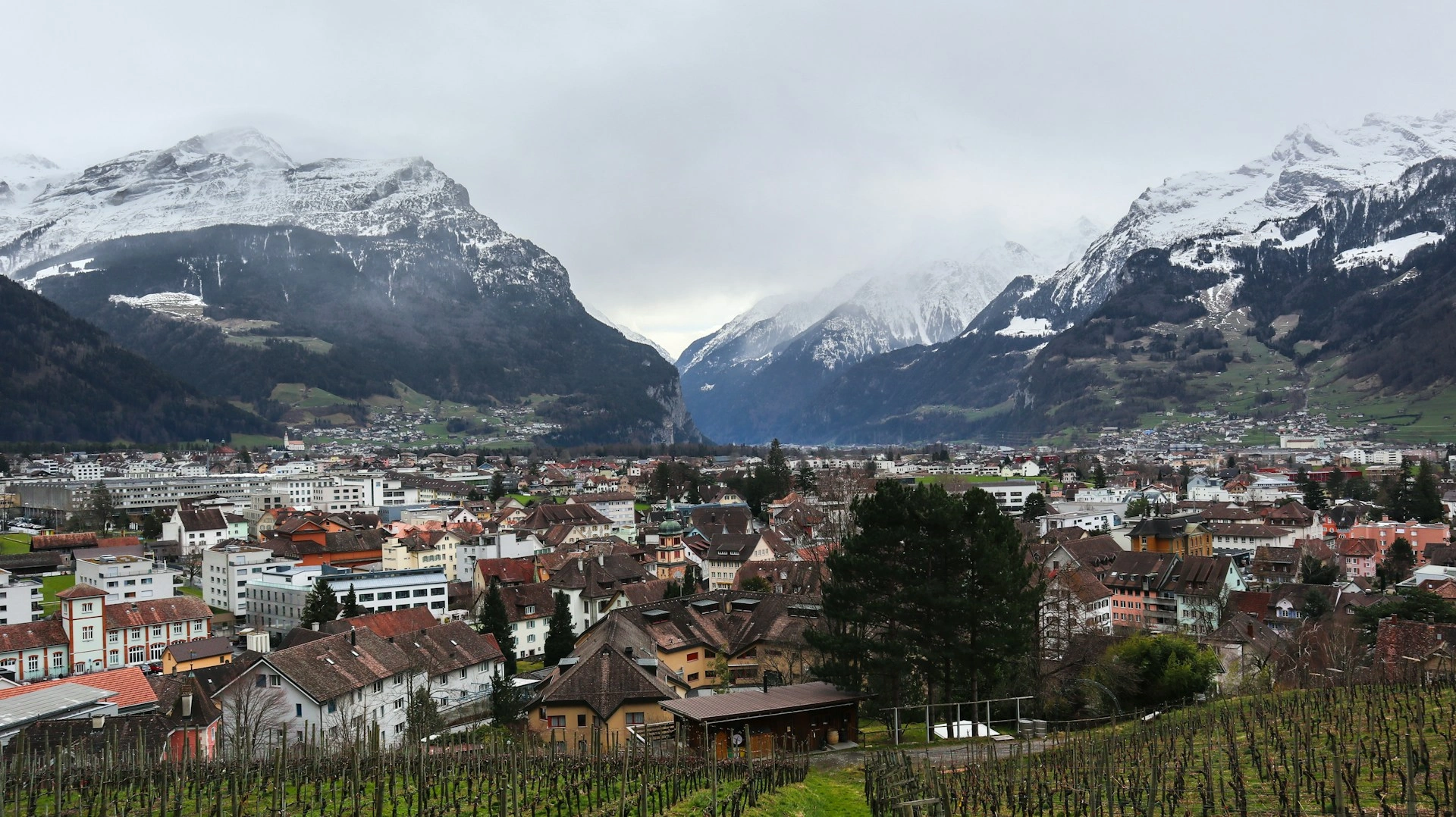
The most important commercial fact about Uri is spatial concentration. The strongest activity sits on the valley floor around Altdorf and nearby municipalities, then changes character as the route climbs toward Göschenen and Andermatt. This means commercial value is not distributed evenly across the canton. It follows accessibility, settlement concentration and the ability to serve either daily local life or the north-south Alpine movement.
For buyers, that makes broad area labels less useful than they would be elsewhere. In Uri, a few kilometres can change the commercial reading sharply. A building close to cantonal services, a railway connection or a heavily used access route can have clearer occupier logic than a property that looks similar on paper but sits outside the real daily pattern of movement.
Altdorf and Schattdorf give Uri its year-round service base
Altdorf is the clearest anchor for office space in Uri because it carries the canton main administrative role and a larger share of its regular weekday activity. Nearby Schattdorf strengthens that lower-valley function by adding practical business space, local services and room for companies that need access more than prestige. Together they form the most useful year-round commercial zone in the canton.
That does not create a large speculative office market, and it should not be read that way. The stronger reading is selective office and mixed-use demand tied to cantonal administration, mobility, healthcare, professional services, trades and local business support. In Uri, an office building is strongest when it belongs to this service ecosystem, not when it imitates a larger urban market. VelesClub Int. helps keep that distinction clear.
Andermatt gives Uri a second commercial rhythm
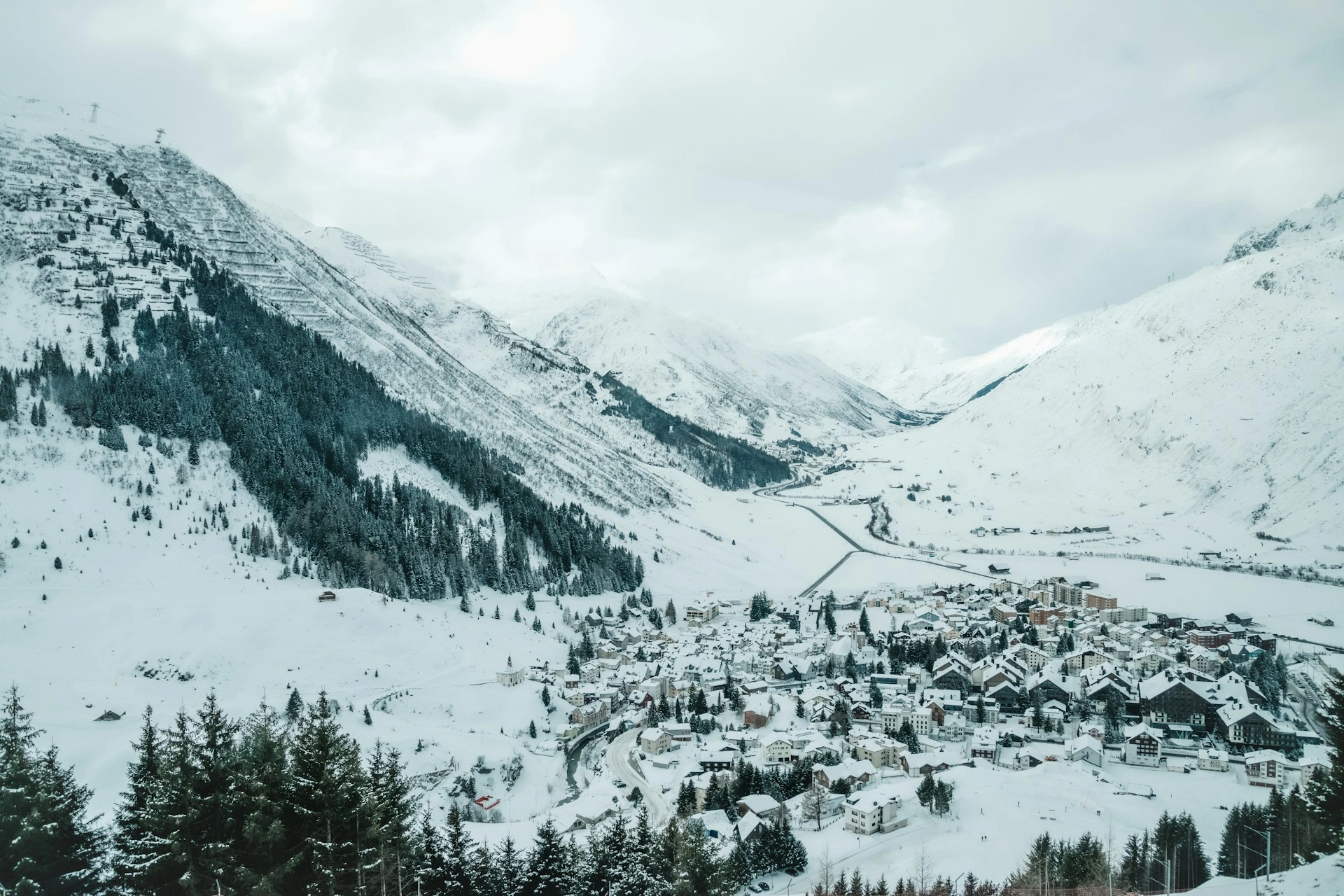
Andermatt changes the canton commercial story because it introduces a different kind of demand. Here tourism is not just seasonal leisure noise. It shapes hospitality, food-led property, second-home servicing, local retail, wellness uses and mixed-use buildings in a way that the lower valley does not. The village works as a mountain gateway, and that gives certain commercial units a pricing and occupier profile that would not make sense elsewhere in Uri.
But Andermatt should not be read as a generic alpine resort. Its strength depends on year-round destination use, rail and pass connections, premium visitor expectations and the limited amount of practical space available in the immediate area. A hospitality unit, service premises or mixed-use property there is only strong when it fits that exact mountain-market rhythm. Not every alpine address benefits equally from the same demand.
Goeschenen and the Gotthard approach make support property in Uri more relevant
Uri also has a support-property layer that many buyers underestimate. The Gotthard corridor still creates demand for storage, trade support, vehicle services, maintenance, construction-related space, food supply and operational premises that keep transport, tourism and daily life functioning. This is not a giant logistics market in the style of a motorway plain, but it is a meaningful support market because the route itself matters so much.
Goeschenen and the approach zones toward the tunnel and upper valley are especially important in this reading. A modest operational building there can be commercially stronger than a more visible property elsewhere if it solves a real servicing problem. In Uri, utility often matters more than scale. Good support space is limited, and replacement options are not broad once access, terrain and settlement pattern are taken into account.
In Uri micro-location matters more than category
One of the biggest mistakes in this canton is to compare assets by label alone. A mixed-use building in Altdorf, a hospitality unit in Andermatt and a service yard on the corridor may all count as commercial property, but they belong to different economic systems. In Uri, category matters less than exact local role. The building has to fit the settlement pattern around it.
This is why micro-location carries unusual weight. Near a station, a road junction, a cantonal service cluster or a tourism node, even a small building can become commercially convincing. In a weaker side position, the same format may lose clarity quickly. Uri rewards discipline because the margin for location error is small. VelesClub Int. helps compare these assets through role rather than through generic Swiss pricing language.
Retail space in Uri follows daily necessity before volume
Retail space in Uri works best where it serves repeated local use. Food-led units, pharmacies, convenience services, repair-related trade, simple hospitality and mixed-use ground floors are usually stronger than retail concepts that rely on broad destination shopping. The canton does not function through high-volume urban consumption. It functions through necessity, mobility and selective tourism-driven spending in the right places.
That makes the lower valley and the better-established town centres more relevant than pure visibility would suggest. A small premises with clear daily utility can outperform a louder address if it sits inside the real pattern of errands, commuting and service use. In Andermatt and other tourism-sensitive locations, visitor spending can lift the equation, but even there the strongest units usually benefit from some level of practical continuity rather than a pure peak-season model.
Pricing in Uri reflects scarcity and function
Pricing in Uri is shaped less by broad market tiers and more by scarcity, usability and exact role. In the lower valley, service-oriented buildings can hold value because the number of genuinely useful locations is limited. In Andermatt, hospitality and mixed-use units may carry stronger price expectations because premium tourism narrows supply further. Along the corridor, support property can matter because there is not much redundant stock in the right access positions.
That means two buildings of similar size may have almost nothing in common commercially. One may depend on cantonal offices and daily services. Another may depend on alpine hospitality. A third may only make sense because it solves a transport or servicing need. A stronger reading of commercial property in Uri begins with one question: what job does the building do inside this narrow canton economy.
How VelesClub Int. reads commercial property in Uri
Uri is exactly the kind of canton where structure matters more than volume. VelesClub Int. helps by separating the lower-valley service base, the Andermatt tourism layer and the Gotthard support-property market into clearer commercial roles. That matters because unlike assets can look deceptively similar when the canton is treated as one small mountain market.
This approach is especially useful in Uri because buyers can overreact to image. Some focus too heavily on alpine prestige. Others focus too heavily on the transit corridor. The stronger reading usually lies in fit: fit between the building and the exact kind of daily movement, local demand or tourism use that surrounds it. That is where Uri becomes commercially readable rather than simply picturesque.
Questions that sharpen commercial property in Uri
Why can a small Altdorf or Schattdorf property be more practical than a larger alpine building in Uri
Because the lower valley carries the clearest year-round service demand in the canton. A modest building there may serve administration, healthcare, trades and daily local business more reliably than a larger property tied to a narrower tourism pattern.
When is office space in Uri actually convincing
Usually when it sits close to cantonal administration, transport access and local service demand. Uri does not reward speculative office thinking. It rewards office space that belongs clearly to a working service ecosystem.
Why can support property in Uri matter more than buyers first expect
Because the canton still needs storage, maintenance, supply and trade-support buildings for mobility, tourism and everyday life. Useful operational stock is limited, so the right unit can become more valuable than its scale suggests.
How should buyers compare Altdorf and Andermatt in commercial terms
Not as direct substitutes. Altdorf usually makes more sense through administration and daily services, while Andermatt is stronger for hospitality, visitor-facing mixed use and premium mountain demand.
Why does micro-location matter so much in Uri
Because the canton is narrow and commercially concentrated. Small differences in access to stations, roads, service clusters or tourism flow can change a building commercial role more sharply than in a broader and more forgiving regional market.
A clearer commercial view of Uri
Uri is commercially relevant because it combines three working markets inside one small Alpine territory. The lower valley anchors offices, services and daily continuity. Andermatt adds hospitality, premium mountain demand and mixed-use value. The Gotthard approach gives support-property and operational premises more importance than first impressions suggest.
The strongest way to read commercial property in Uri is therefore by valley concentration, tourism rhythm, servicing need and exact local role. Different assets make sense here for different reasons, and the canton rewards buyers who match format to function instead of chasing one simplified mountain narrative. VelesClub Int. helps turn broad interest in Uri into a calmer and more practical commercial framework.