
Commercial real estate in MeccaStrategic assets across active districts
Best offers
in Saudi Arabia
Benefits of investing in commercial real estate in Mecca


Pilgrimage driven demand
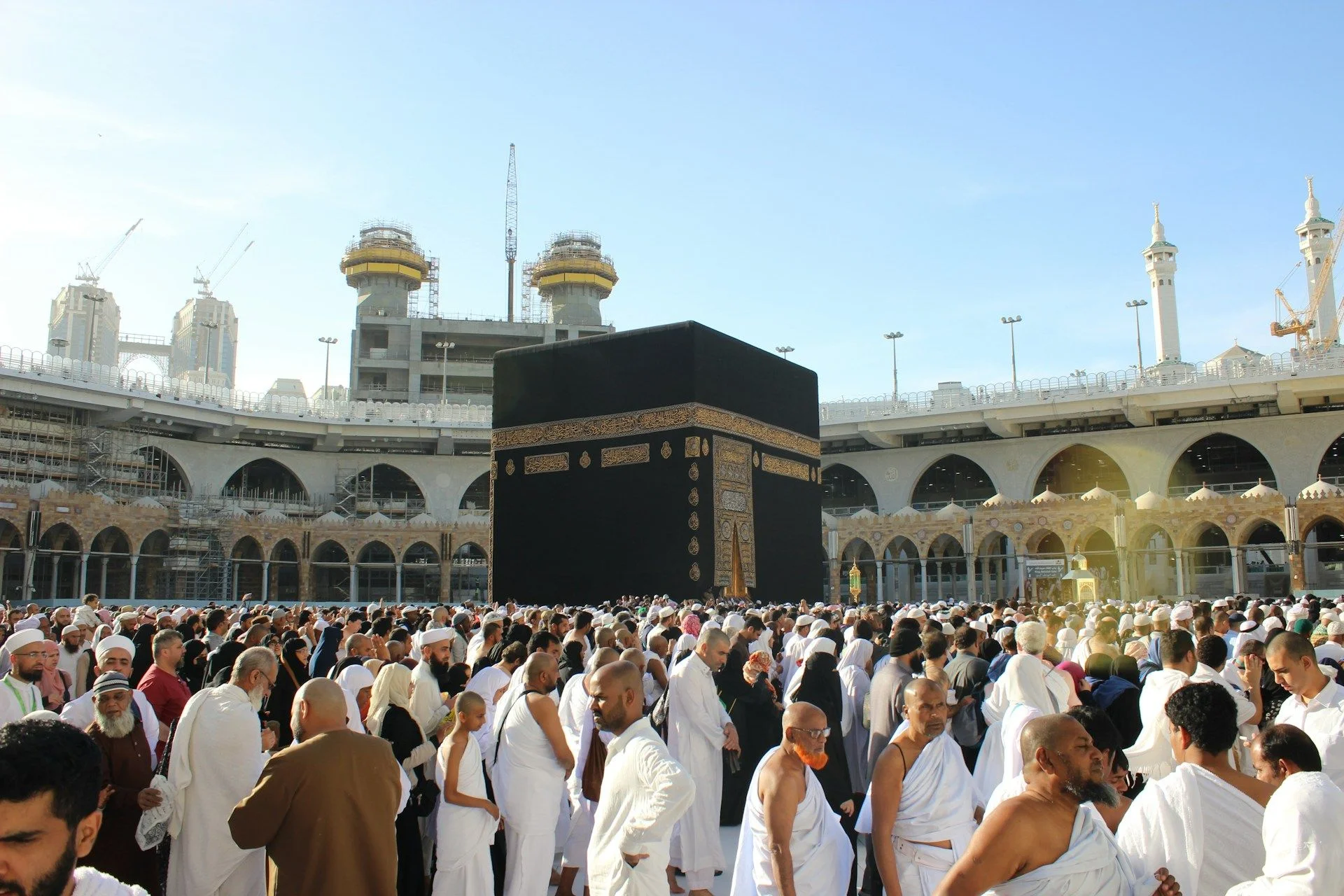
Large scale religious tourism, government infrastructure projects and year round Umrah flows create concentrated retail, hospitality and logistics demand in Mecca, implying seasonal revenue spikes, mixed lease lengths and public sector tenant stability
Relevant asset strategies
Hotels, serviced apartments and pilgrimage retail dominate Mecca, with mixed use, medical clinics and logistics nodes; strategies include core long leases with institutional operators, value add repositioning, and single versus multi tenant setups
Expert selection support
VelesClub Int. experts define strategy, shortlist assets and run screening including tenant quality checks, lease structure review, yield logic assessment, capex and fit out assumptions, vacancy risk analysis and a tailored due diligence checklist
Pilgrimage driven demand
Large scale religious tourism, government infrastructure projects and year round Umrah flows create concentrated retail, hospitality and logistics demand in Mecca, implying seasonal revenue spikes, mixed lease lengths and public sector tenant stability
Relevant asset strategies
Hotels, serviced apartments and pilgrimage retail dominate Mecca, with mixed use, medical clinics and logistics nodes; strategies include core long leases with institutional operators, value add repositioning, and single versus multi tenant setups
Expert selection support
VelesClub Int. experts define strategy, shortlist assets and run screening including tenant quality checks, lease structure review, yield logic assessment, capex and fit out assumptions, vacancy risk analysis and a tailored due diligence checklist








Useful articles
and recommendations from experts
Investment dynamics for commercial property in Mecca
Why commercial property matters in Mecca
Commercial property in Mecca is driven by a concentrated, seasonally amplified demand profile that distinguishes it from typical urban markets. Economic activity here is anchored by large-scale religious tourism, government services, and the supporting services that sustain those flows. Offices support administrative, financial and planning functions tied to tourism and local governance. Retail space in Mecca is oriented to high-intensity demand windows, with retailers, souvenir and convenience supply chains, and food service operators adjusting inventories and staffing according to pilgrimage cycles. Hospitality assets and short-stay accommodations form a major component of the commercial real estate mix because of the steady daily arrivals and event peaks. Healthcare and education create year-round institutional demand that complements the seasonal sectors, while light industrial and warehouse property in Mecca serve last-mile logistics, catering distribution, and supplier networks that must handle large but episodic volume surges. Buyers include owner-occupiers seeking operational control, investors focused on income or capital gains, and operators who manage hospitality, retail or logistics assets under lease or management contracts.
The commercial landscape – what is traded and leased
The commercial landscape in Mecca comprises both lease-driven assets and asset-driven opportunities. Lease-driven value is most apparent in retail corridors and hospitality properties where revenue is directly linked to occupier performance and short-term demand cycles. In these cases the length and structure of leases, indexation, tenant mix and operating covenants determine near-term cash flows. Asset-driven value emerges in buildings where redevelopment potential, repositioning to higher-yield uses or conversion to mixed-use operations can unlock value regardless of current lease profiles. Typical stock for trade and lease includes concentrated business districts with office towers and administrative functions, high street retail corridors near transport and visitor nodes, neighborhood retail serving resident populations, purpose-built logistics zones on urban peripheries, and clusters of hotels and guest accommodation in tourism corridors. Business parks and small industrial estates cater to light manufacturing and supplier firms that service hospitality and retail sectors. The market separates assets where income is stabilized by long leases from assets where returns depend on active management and short-term market timing.
Asset types that investors and buyers target in Mecca
Investors and buyers in Mecca target a range of asset types according to risk appetite and operational capability. Retail space in Mecca attracts both income investors focused on long-term leases with national or regional retailers and opportunistic buyers seeking units that can be repositioned for higher yield during peak seasons. High street retail is valued for visibility and footfall during visitation peaks, while neighborhood retail is valued for steady local demand and lower tenant turnover. Office space in Mecca ranges from small conventional offices used by local businesses and service providers to larger administrative blocks; prime versus non-prime office logic follows tenant credit, access to transport nodes, and building quality, with serviced office and flexible workspace models increasingly relevant where occupier needs are short-term or project-based. Hospitality remains a cornerstone asset class because accommodation demand is persistent; investors weigh management agreements, operational margins, and regulation when considering hotel or guesthouse investments. Restaurant and cafe premises are typically lease-sensitive and operator-exposed, requiring careful analysis of lease terms and turnover trends. Warehouses and light industrial properties are evaluated on proximity to distribution routes, loading capacity, and the ability to scale for seasonal spikes; e-commerce and supplier logistics highlight the importance of last-mile access. Mixed-use revenue houses that combine retail frontage with residential income can provide diversification but require integrated asset management to balance different lease lengths and tenant types.
Strategy selection – income, value-add, or owner-occupier
Strategy selection in Mecca depends on investor objectives, capital structure, and tolerance for operational involvement. An income-focused strategy prioritizes assets with stable, long-term leases and strong tenant covenants; in Mecca this commonly targets institutional-grade hospitality contracts, anchored retail units with reliable operators, or multi-tenant office buildings with long lease terms. A value-add strategy seeks properties with underutilized space, deferred maintenance, or functional obsolescence that can be resolved through refurbishment, re-leasing, or conversion to higher-demand uses; this approach benefits from the potential to capture demand during peak seasons but requires detailed capex planning and market timing. Mixed-use optimization combines elements of both, converting parts of an asset to stable residential or institutional tenancy while preserving commercial frontage for higher-yield leasing during busy periods. Owner-occupier purchases are selected by operators who prioritize location control and operational flexibility, for example hospitality groups or logistics operators needing bespoke layouts. Local factors that influence these strategies include noticeable seasonality in visitation, variable tenant churn norms tied to short-term leasing common in the hospitality sector, and the regulatory intensity of conversions, permitting and building standards in Mecca, which can affect rehabilitation timelines and costs.
Areas and districts – where commercial demand concentrates in Mecca
Commercial demand in Mecca concentrates around several functional area types rather than uniform citywide strength. A central visitor and pilgrimage corridor concentrates hotel, retail and short-stay accommodation demand during peak periods. Administrative and business districts host offices tied to public services and professional firms and offer weekday-driven occupancy profiles. Residential catchments support neighborhood retail and service businesses with more stable year-round revenue. Industrial and logistics access zones on the urban periphery or along major transport arteries provide the capacity for warehousing, distribution and supplier operations; proximity to main transport routes and load-bearing infrastructure matters for warehousing decisions. Emerging business areas can show faster rental growth but also higher development risk and potential oversupply; assessing competition and pipeline activity is critical in those zones. When comparing locations within Mecca, investors should weigh transport node accessibility, pedestrian and visitor flows during peak events, the relationship between residential density and daytime population, and last-mile route efficiency for logistics uses. This district framework helps rank opportunities without relying on specific neighborhood names.
Deal structure – leases, due diligence, and operating risks
Deal structure in Mecca emphasizes lease terms and operational risk allocation. Key contractual items buyers review include lease term length, renewal options and break clauses, indexation mechanisms for rent adjustments, permitted use and exclusivity clauses, and service charge allocation and recovery. Due diligence focuses on verifying income streams, historical occupancy and turnover patterns, capex needs, and compliance with building and safety standards. Buyers also examine fit-out responsibilities and any tenant improvement allowances that affect near-term capital requirements. Vacancy and reletting risk during off-peak periods is a primary operating concern, particularly for retail and hospitality assets that see large seasonal swings. Capex planning should include expected refurbishment timelines and costs to maintain regulatory compliance and guest or tenant standards. Tenant concentration risk is material where a few tenants generate most cash flow; diversification across tenant types and lease lengths mitigates exposure. Operational risks include utility and infrastructure reliability during peak demand, staff availability aligned to visitation cycles, and the potential for regulatory changes affecting permitted uses or building operation standards. These factors inform both purchase price negotiation and post-acquisition asset management plans.
Pricing logic and exit options in Mecca
Pricing in Mecca is driven by location quality, tenant credit and lease length, building condition and capex backlog, and the potential to repurpose or intensify use. Footfall and visitation patterns are central to retail and hospitality valuations, while stable office tenants and institutional occupiers support more conventional income-capitalization approaches. Buildings with short lease lengths or high operational complexity are priced to reflect reletting and management risk. Alternative use potential—such as converting underperforming office blocks to hospitality-related accommodation or repurposing retail floors for logistics support—can create upside but requires careful assessment of permitting and cost. Exit options typically involve holding to stabilize income and then refinancing or selling to institutional buyers focused on core assets, re-leasing to improve the tenancy profile before a sale, or repositioning through refurbishment and selling after value-add work is completed. Investors also consider timed exits around predictable demand cycles to achieve higher pricing during periods of strong visitation. These exit routes depend on market liquidity, macroeconomic conditions, and the buyer’s ability to execute operational improvements.
How VelesClub Int. helps with commercial property in Mecca
VelesClub Int. supports commercial asset screening and selection in Mecca through a structured advisory process tailored to client goals. The engagement begins by clarifying investor objectives and constraints, then defining target segments and district preferences aligned with those objectives. VelesClub Int. compiles a shortlist of assets based on lease profile, tenant credit, and projected operating risk, highlighting differences between lease-driven and asset-driven opportunities. The firm coordinates due diligence steps, assembling technical, financial and market analyses to illuminate capex needs, vacancy risk, and repositioning potential. During transaction phases VelesClub Int. assists in framing negotiation points around rent indexation, break clauses and service charge responsibilities, and advises on operational transitions post-acquisition. All recommendations are tailored to the client’s capability to manage seasonal demand and regulatory requirements in Mecca, ensuring asset selection aligns with intended strategy without providing legal advice.
Conclusion – choosing the right commercial strategy in Mecca
Choosing the right commercial strategy in Mecca requires aligning an investor’s risk tolerance, operational capacity and time horizon with the city’s pronounced seasonality, tenant mix and district-specific dynamics. Income-oriented investors should prioritize long leases and tenant diversification, value-add players must plan for capex and permitting timelines, and owner-occupiers should factor operational benefits against conversion constraints. Warehouse property in Mecca and office space in Mecca each follow distinct site and infrastructure logic, while retail space in Mecca and hospitality assets demand close attention to peak visitation and tenant performance. For those looking to buy commercial property in Mecca, a disciplined screening process and targeted due diligence reduce execution risk. Consult VelesClub Int. experts to define strategy, refine the target list and coordinate asset screening and transaction steps tailored to your goals and capabilities.