
Buy commercial property in AsuncionBusiness assets across active districts
Best offers
in Paraguay
Benefits of investing in commercial real estate in Asuncion


Local demand drivers
Asuncion's demand is driven by concentrated government administration, financial and professional services, light manufacturing and river logistics, plus domestic tourism and universities, creating stable institutional tenants and a mix of medium-term and long-term lease profiles
Asset types and strategies
Office and retail in central Asuncion, logistics warehouses near river and highway corridors, select hospitality and mixed-use projects, with strategy choices including core long-term leases, value-add repositioning, single-tenant versus multi-tenant configurations
Selection and screening support
VelesClub Int. experts define strategy, shortlist Asuncion assets and run screening including tenant quality checks, lease structure review, yield logic assessment, capex and fit-out assumptions, vacancy risk analysis and a due diligence checklist
Local demand drivers
Asuncion's demand is driven by concentrated government administration, financial and professional services, light manufacturing and river logistics, plus domestic tourism and universities, creating stable institutional tenants and a mix of medium-term and long-term lease profiles
Asset types and strategies
Office and retail in central Asuncion, logistics warehouses near river and highway corridors, select hospitality and mixed-use projects, with strategy choices including core long-term leases, value-add repositioning, single-tenant versus multi-tenant configurations
Selection and screening support
VelesClub Int. experts define strategy, shortlist Asuncion assets and run screening including tenant quality checks, lease structure review, yield logic assessment, capex and fit-out assumptions, vacancy risk analysis and a due diligence checklist








Useful articles
and recommendations from experts
Market guide to commercial property in Asuncion
Why commercial property matters in Asuncion
Commercial property in Asuncion plays a central role in capital allocation and business location decisions because the city concentrates government functions, corporate headquarters, and major service providers. Demand is driven by traditional office tenants, domestic retail chains and independent retailers, hospitality operators supporting both business travel and regional tourism, healthcare providers expanding clinic and laboratory capacity, tertiary education institutions, and a growing segment of logistics users handling domestic distribution and cross-border flows. Buyers range from owner-occupiers seeking long-term premises for operational stability to institutional and private investors focused on income generation or value appreciation, and operators who acquire assets to manage leasing, refurbishment and tenant mix. These distinct buyer profiles influence transaction mechanics and the types of due diligence that are prioritized in local transactions.
The commercial landscape – what is traded and leased
The traded and leased stock in Asuncion is a mixture of compact central business district offices, high-street retail corridors, smaller neighborhood retail units embedded in residential catchments, low- to mid-rise business parks, and logistics zones at the city edge. Office stock tends to be lease-driven in central locations where tenants prefer flexible terms and service-oriented buildings, while asset-driven value is more visible in freehold retail units and larger industrial plots where redevelopment or reconfiguration can materially change income potential. Hospitality assets operate under a hybrid model where seasonal tourism and business travel both affect occupancy cycles and cash flow. Lease structures vary from short-term retail and hospitality tenancies to multi-year office and warehouse contracts; consequently market pricing reflects both the security of contracted rents and the underlying replacement or redevelopment value of the asset.
Asset types that investors and buyers target in Asuncion
Investors and buyers focus on a set of repeatable asset types. Retail space in Asuncion includes high-street units serving pedestrian corridors, neighborhood convenience retail integrated with residential blocks, and larger retail premises anchored to local shopping clusters. The distinction between high-street and neighborhood retail is primarily footfall, visibility and tenant turnover – high-street units command higher rents per square meter but also face higher vacancy risk if economic activity slows. Office space in Asuncion ranges from compact floors suited to local professional services to more modern multi-tenant buildings targeting regional corporate users; prime versus non-prime logic is driven by centrality, building efficiency, and the presence of amenities that support longer lease terms. Hospitality assets are evaluated on seasonality and the connectivity of Asuncion to regional travel routes, with smaller hotels and extended-stay operations often positioned near business nodes. Restaurant, cafe, and bar premises are assessed for kitchen and ventilation technical capacity as much as for location. Warehouse property in Asuncion and light industrial assets are increasingly informed by e-commerce growth and last-mile delivery needs – proximity to arterial roads and customs points matters. Revenue houses and mixed-use conversions appear in markets where residential demand supports blended income, enabling repositioning strategies that layer stable residential cash flow with commercial leases at ground level. Across segments, serviced office concepts and co-working operators introduce a flexibility premium, but they also transfer operator risk to the tenant or manager rather than the owner.
Strategy selection – income, value-add, or owner-occupier
Selecting a strategy in Asuncion requires aligning local market dynamics with investment objectives. An income-focused strategy targets stabilized assets with secure leases, predictable indexation and low short-term capital expenditure – suitable in central commercial corridors where tenant quality and longer lease terms reduce vacancy risk. A value-add approach targets properties where refurbishment, re-leasing, or a change of use can increase rental income or extend the lease profile; local drivers for value-add include ageing building stock, opportunities to improve energy efficiency, and underused plots near transport nodes where intensification is feasible. Mixed-use optimization combines residential and commercial elements to diversify income and reduce exposure to sector-specific cycles; this is effective where zoning permits conversion and where demand for ground-floor retail remains resilient. Owner-occupier purchases prioritize operational fit and continuity of location for business users, often accepting higher acquisition costs in exchange for certainty and control. Local factors that influence these choices in Asuncion include sensitivity to business cycle shifts that affect corporate leasing, tenant churn norms that vary by segment, seasonal tourism impacts on hospitality revenue, and the local regulatory and permitting environment which can extend repositioning timelines.
Areas and districts – where commercial demand concentrates in Asuncion
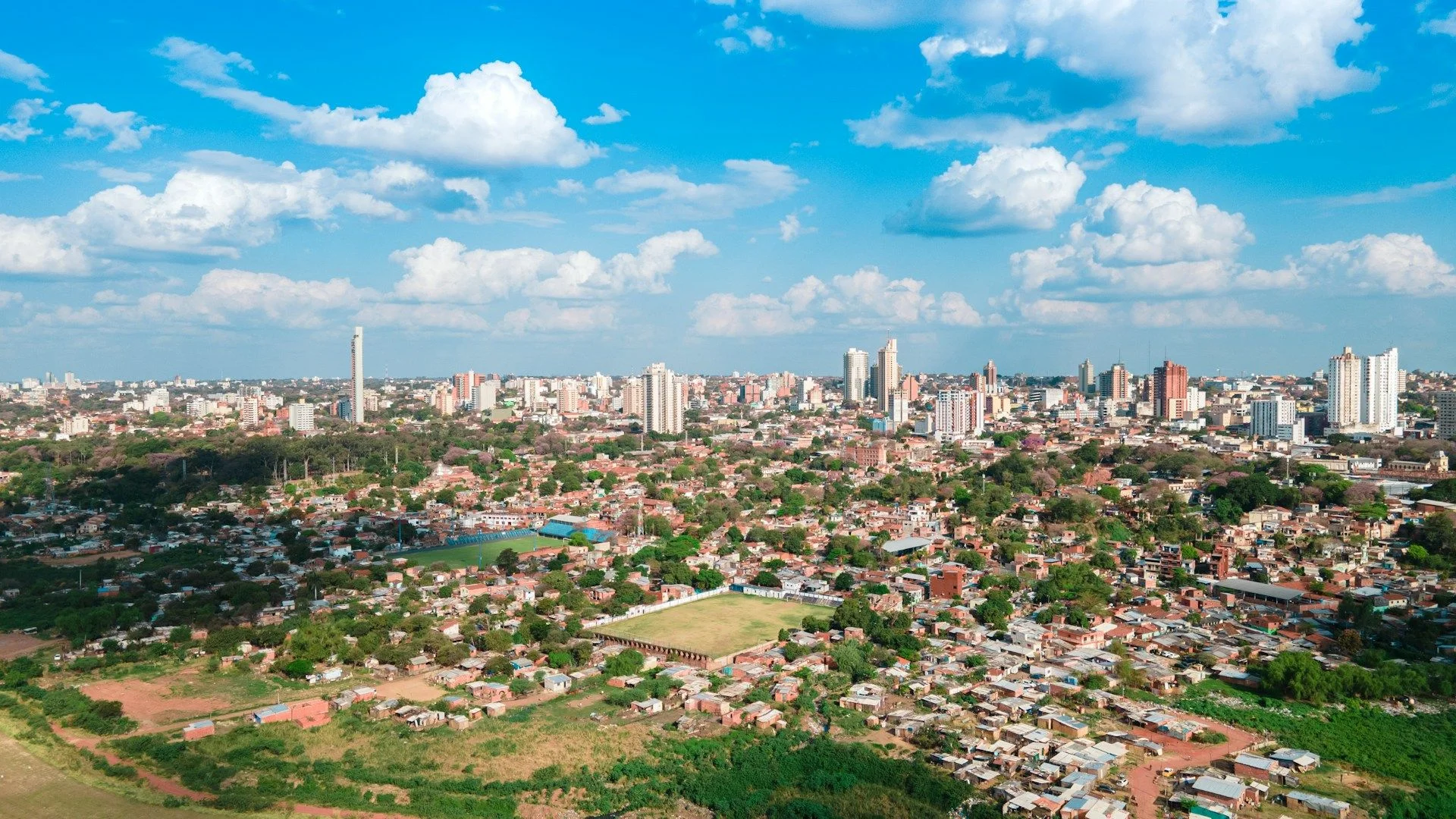
Commercial demand concentrates where administrative, finance and service activities cluster, along arteries that carry commuter flows, and at nodes that connect to transport corridors and logistics routes. A practical district selection framework divides the city into core CBD areas with the highest concentration of professional and corporate demand, secondary corridors where mid-sized firms and retail chains operate, residential catchments that support neighborhood retail, and peripheral industrial zones prioritized for warehousing and light manufacturing. Transport nodes and commuter flows shape office and retail viability because accessibility determines employee catchment and customer reach. Tourism corridors and routes to cultural or convention venues create pockets of hospitality and leisure demand, while industrial access and last-mile delivery routes affect the suitability of warehouse property. Competition and oversupply risk are important where new developments concentrate in a few corridors; when supply growth outpaces demand, leasing pressure and incentives rise, changing the risk-reward calculus for investors and occupiers.
Deal structure – leases, due diligence, and operating risks
Deal structure in Asuncion typically revolves around the lease profile and the condition of the asset. Buyers review lease term, rent indexation clauses, break options, tenant fit-out responsibilities, and service charge recovery mechanisms to quantify income stability and re-letting exposure. Due diligence covers title and encumbrance checks, tax and utility compliance, building code adherence, and surveys that identify structural and MEP capital expenditure needs. Environmental considerations and contamination risks are assessed for industrial sites and older properties. Operating risks include vacancy and reletting risk tied to tenant concentration, maintenance and capex forecasting for systems nearing end of life, and the practicalities of enforcement and contract remedies in local practice. Transaction participants typically model vacancy scenarios, capital expenditure schedules and tenant concentration limits as part of underwriting. While not legal advice, it is standard to involve local technical, tax and legal specialists to validate assumptions and to ensure that lease documentation and registration meet the expectations of investors and lenders.
Pricing logic and exit options in Asuncion
Pricing drivers in Asuncion combine locational attributes, tenant quality and lease duration, the physical condition of the building and its adaptability, and the alternative-use potential of the site. Location and footfall determine retail and hospitality pricing; longer lease lengths and creditworthy tenants reduce perceived risk and support higher valuations; significant deferred capex or limited flexibility in layout reduces buyer competition and lowers price. Exit options available to investors include holding and refinancing to extract liquidity while preserving future upside, re-leasing to stabilize income prior to sale, or repositioning and selling after targeted refurbishment. Market depth and buyer appetite influence how easily an asset can be exited; assets with narrow tenant pools or specialized industrial fit-outs may require longer hold periods or targeted marketing to specialist buyers. Reposition then exit strategies depend on permitting and construction timelines in Asuncion while hold-and-refinance strategies require a realistic assessment of ongoing cash flow and lender criteria in the local market context.
How VelesClub Int. helps with commercial property in Asuncion
VelesClub Int. supports commercial asset selection in Asuncion through a structured, client-focused process. The engagement starts by clarifying objectives and risk tolerance, then defining a target segment and districts that match the client’s operational or investment profile. VelesClub Int. shortlists assets based on lease characteristics, tenant quality and quantified risk profiles, and coordinates technical and financial due diligence by connecting clients with local specialists where required. During transaction phases, support focuses on documentation review, negotiation strategy and cash flow modeling that reflect local leasing norms and capex needs. The service is tailored to the client’s goals and capabilities, whether that is to buy commercial property in Asuncion for owner-occupation, pursue a value-add repositioning, or build an income-focused portfolio. VelesClub Int. provides ongoing market context so clients can compare pricing logic and exit scenarios before committing capital.
Conclusion – choosing the right commercial strategy in Asuncion
Selecting the right commercial strategy in Asuncion depends on aligning asset type, district exposure and lease profile with the investor or occupier’s time horizon and risk appetite. Income-focused strategies rely on lease security and tenant quality; value-add requires a realistic view of capex, permitting and re-leasing timelines; owner-occupiers prioritize operational fit and continuity. Warehouse property in Asuncion and retail or office investments each respond differently to transport access, tenant churn and economic cycles, so careful underwriting and localized due diligence are essential. For a pragmatic, market-aware approach to commercial real estate in Asuncion, consult VelesClub Int. experts to refine strategy, screen assets, and coordinate the transaction steps required for an informed acquisition or lease decision.