
Commercial property listings in VaraderoSelected assets across active districts
Best offers
in Cuba
Benefits of investing in commercial real estate in Varadero


Tourism driven demand
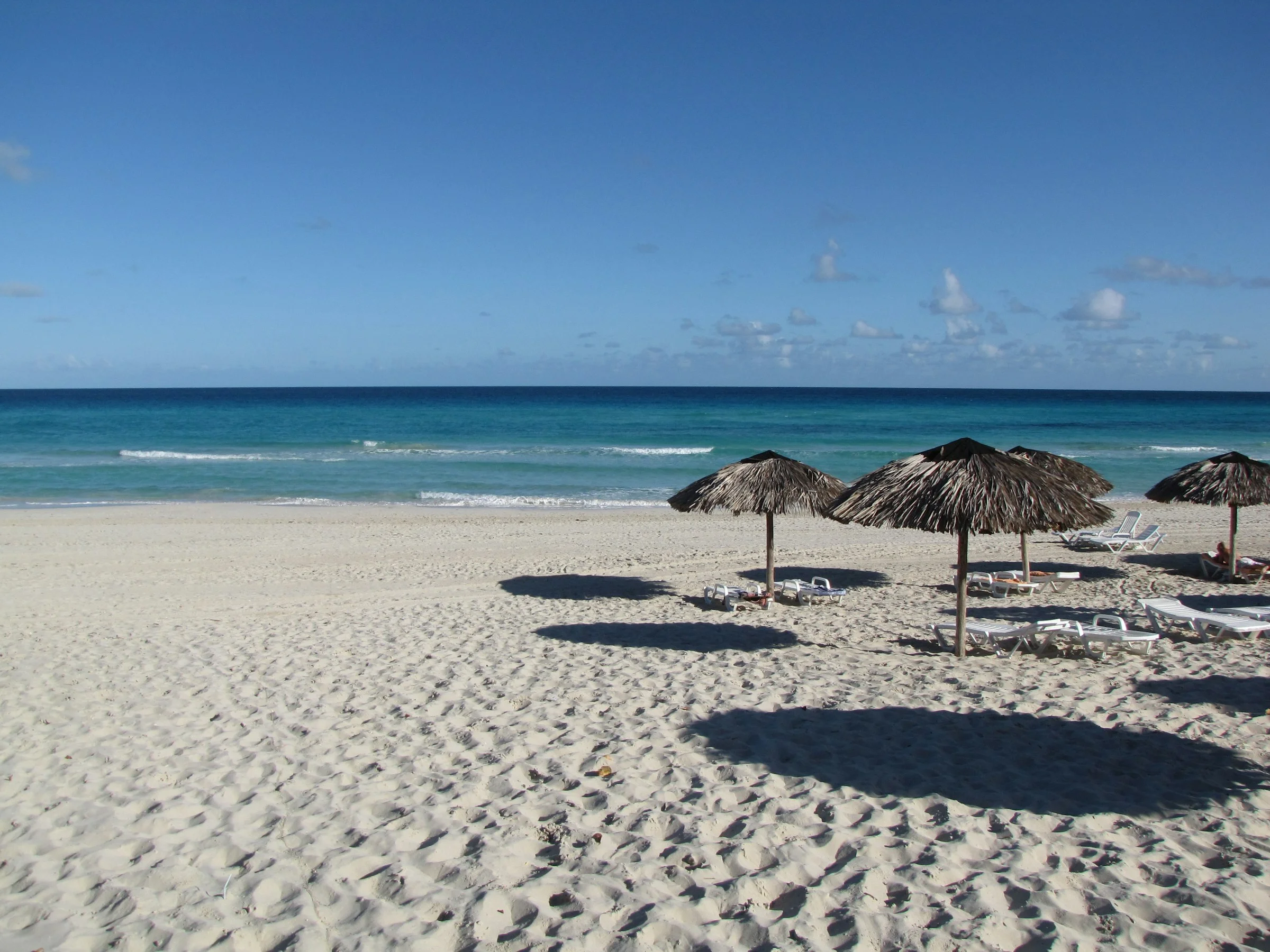
Varadero's economy is tourism-led with beaches, hotels and seasonally concentrated retail and food services, producing demand for hospitality, leisure and service commercial space and implying higher tenant turnover and flexible, short-term lease profiles
Asset types and strategies
Beachfront hotels, short-term rentals, coastal retail and restaurant units dominate, supported by small logistics for marinas and tour operators; investors choose core long leases, value-add hotel repositioning, or single-tenant resorts and multi-tenant retail mixes
Expert selection support
VelesClub Int. experts define strategy, shortlist assets and run screening with tenant quality checks, lease structure review, yield logic assessment, capex and fit-out assumptions, vacancy risk analysis and a tailored due diligence checklist
Tourism driven demand
Varadero's economy is tourism-led with beaches, hotels and seasonally concentrated retail and food services, producing demand for hospitality, leisure and service commercial space and implying higher tenant turnover and flexible, short-term lease profiles
Asset types and strategies
Beachfront hotels, short-term rentals, coastal retail and restaurant units dominate, supported by small logistics for marinas and tour operators; investors choose core long leases, value-add hotel repositioning, or single-tenant resorts and multi-tenant retail mixes
Expert selection support
VelesClub Int. experts define strategy, shortlist assets and run screening with tenant quality checks, lease structure review, yield logic assessment, capex and fit-out assumptions, vacancy risk analysis and a tailored due diligence checklist








Useful articles
and recommendations from experts
Commercial property in Varadero market overview
Why commercial property matters in Varadero
Commercial property in Varadero is driven by a concentrated local economy where tourism, service industries and public-sector activity create recurring demand for leased and owned space. Tourism anchors hospitality and retail demand, but office and professional services follow the year-round administrative and operational needs of businesses that support tourism. Healthcare, education and logistics play smaller but distinct roles where facilities are required for local residents and seasonal worker populations. Buyers in this market include owner-occupiers seeking operational control of premises, investors targeting lease income or capital appreciation, and operators looking for scalable platforms in hospitality and retail. Understanding the mix between seasonal visitor peaks and steady local demand is central to underwriting both income and vacancy risk for any prospective acquisition.
The commercial landscape – what is traded and leased
The typology of traded and leased assets in Varadero reflects a split between tourism-oriented clusters and local service corridors. Typical stock comprises high-street retail strips serving hotels and resorts, compact office blocks used by small professional firms and agencies, tourism clusters with hotel and restaurant premises, neighborhood retail units serving residential catchments, and limited light industrial or warehousing close to transport arteries. Lease-driven value predominates where long-term contracted revenues support pricing, for example established retail leases tied to hotel footfall or multi-year office tenancies with indexation. Asset-driven value appears where physical improvements, repositioning or a change of use can materially increase net operating income or reduce operating costs. Transaction activity tends to be a mix of freehold transfers with tenant arrangements and leasehold transactions where buyers acquire a business operating from a property rather than the land alone.
Asset types that investors and buyers target in Varadero
Investors and owner-occupiers target a narrow set of commercial asset types that match the local demand profile. Retail space in Varadero is focused on tourism corridors and nearby neighborhoods; investors compare high-street units that benefit from tourist footfall to smaller convenience-oriented shops that rely on resident spending. Office space in Varadero is typically low- to mid-rise and assessed on proximity to administrative centers and professional services; prime versus non-prime logic depends on building quality, service levels and tenant covenant rather than skyline location. Hospitality assets remain core to the market and require operator expertise to manage seasonality, brand positioning and capital expenditure cycles. Restaurant and cafe premises are valued for location near tourist flows and for fit-out flexibility. Warehouse property in Varadero tends to be light industrial and last-mile logistics rather than large distribution parks; valuation focuses on access to transport routes and utility adequacy for cold-chain or storage. Revenue houses and mixed-use properties are relevant where ground-floor commerce supports upper-floor residential or short-term rental income, creating diversification but also complexity in management and regulatory compliance.
Strategy selection – income, value-add, or owner-occupier
Choosing a strategy in Varadero requires aligning investment objectives with local market drivers. An income focus favors assets with longer-term leases to stable tenants, such as service providers, healthcare clinics or multi-year retail contracts linked to inflation indexation; this strategy is sensitive to tenant credit and seasonal occupancy fluctuations in tourism-dependent areas. A value-add approach centers on refurbishment, repurposing or re-letting; in Varadero that can mean converting underutilized retail frontage into higher-yield hospitality or improving building services to attract professional tenants outside peak season. Mixed-use optimization targets assets where different revenue streams—retail, short-term accommodation and long-term rentals—can be managed to smooth seasonality, but this requires careful operating plans and capital allocation. Owner-occupier purchases suit businesses that prioritize operational control, cost predictability and location permanence, and the decision logic in Varadero often weighs the benefits of owning core operational sites against flexibility lost from tying capital into a single property. Local factors that push one strategy over another include the tourism cycle, tenant churn norms in retail corridors, and the administrative overhead of managing mixed-use assets under local market conditions.
Areas and districts – where commercial demand concentrates in Varadero
Commercial demand in Varadero concentrates along several identifiable area types rather than narrowly defined neighborhoods. Core business zones near administrative centers and main transport nodes attract office-related demand and professional services. Tourism corridors and beachfront strips drive demand for retail space in Varadero and hospitality premises, with concentration of restaurants and shops catering to visitors. Residential catchment corridors support neighborhood retail and small service providers that supply local residents and seasonal staff. Industrial access areas and last-mile routes, typically adjacent to major roads or freight links, are where warehouse and light industrial demand is most likely to appear. Emerging business areas at the edge of established centers can offer lower acquisition prices but come with higher leasing and demand risk. When comparing these area types investors weigh transport connectivity, seasonal visitor patterns, and competition or oversupply risk for each corridor, rather than relying on anecdotal reputations.
Deal structure – leases, due diligence, and operating risks
Typical deal structures in Varadero include freehold acquisitions with existing tenant covenants, leasehold purchases, and transactions that combine property and operating business. Key lease elements investors review are term length, break options, rent review mechanics, indexation clauses and service charge allocation. Due diligence focuses on title status and encumbrances, physical condition and deferred capex, utility and access arrangements, local compliance for intended use, and the strength and concentration of tenant income. Operating risks include vacancy and reletting exposure in seasonally dependent districts, tenant concentration where a single anchor drives most footfall, and maintenance cycles for building systems exposed to coastal climates. Buyers should plan for capex related to compliance and resilience, and model vacancy and turnover assumptions that reflect local tenant behavior rather than national averages. VelesClub Int. recommends a coordinated diligence approach that sequences property inspection, lease analysis and market benchmarking to quantify operating risk and validate assumptions used in pricing.
Pricing logic and exit options in Varadero
Pricing drivers for commercial real estate in Varadero are consistent with fundamentals but influenced by local specifics. Location and footfall near tourism corridors or administrative centers strongly affect value, as does tenant quality and remaining lease length. Building condition and projected capex needs determine discount applied by prospective buyers, while alternative use potential—such as repurposing retail into hospitality or mixed-use—can support higher bids where zoning and market demand allow. Exit options commonly considered are hold and refinance to improve cash yield over time, re-lease followed by sale when tenancy upgrades increase marketability, or reposition and exit after capital improvements raise net operating income. Each exit path requires realistic timing that accounts for seasonality in leasing cycles and the relative liquidity of buyer pools for specific asset types in Varadero. Scenario planning that tests different vacancy and rent growth assumptions provides a practical framework for pricing and exit decision-making.
How VelesClub Int. helps with commercial property in Varadero
VelesClub Int. supports clients through a structured selection and transaction process tailored to Varadero market dynamics. The service begins with clarifying investment objectives and risk tolerance, then defining target segments and area types aligned to those objectives. Shortlisting assets is based on lease profile, tenant strength, physical condition and projected capital requirements, with comparative benchmarking against similar stock in the local market. VelesClub Int. coordinates due diligence activities including technical inspection, lease verification and market rental analysis, and assists in preparing commercial terms and negotiation strategies without providing legal advice. The firm can help model cash flow scenarios that reflect seasonality, tenant turnover and capex phasing so buyers can compare income, value-add and owner-occupier strategies. Throughout the process VelesClub Int. tailors recommendations to a clients operational capabilities and exit preferences, ensuring that investment proposals are actionable within Varaderos commercial ecosystem.
Conclusion – choosing the right commercial strategy in Varadero
Selecting the right commercial strategy in Varadero requires matching asset type, area profile and lease structure to an investors objective and capability. Income-focused buyers will prioritize stable leases and tenant quality, value-add investors will seek assets with clear repositioning potential and manageable capex, and owner-occupiers will evaluate location and long-term operational benefits versus capital commitment. Attention to lease mechanics, seasonal demand patterns, and area-specific competition is essential when pricing and structuring deals. For tailored strategy development and asset screening consult VelesClub Int. experts to align objectives, shortlist suitable opportunities and coordinate due diligence and transaction steps in Varadero.