
عقارات عالمية مع تركيز على ماليزياقوائم الملاك العالمية مع تفاصيل مُحقّقة
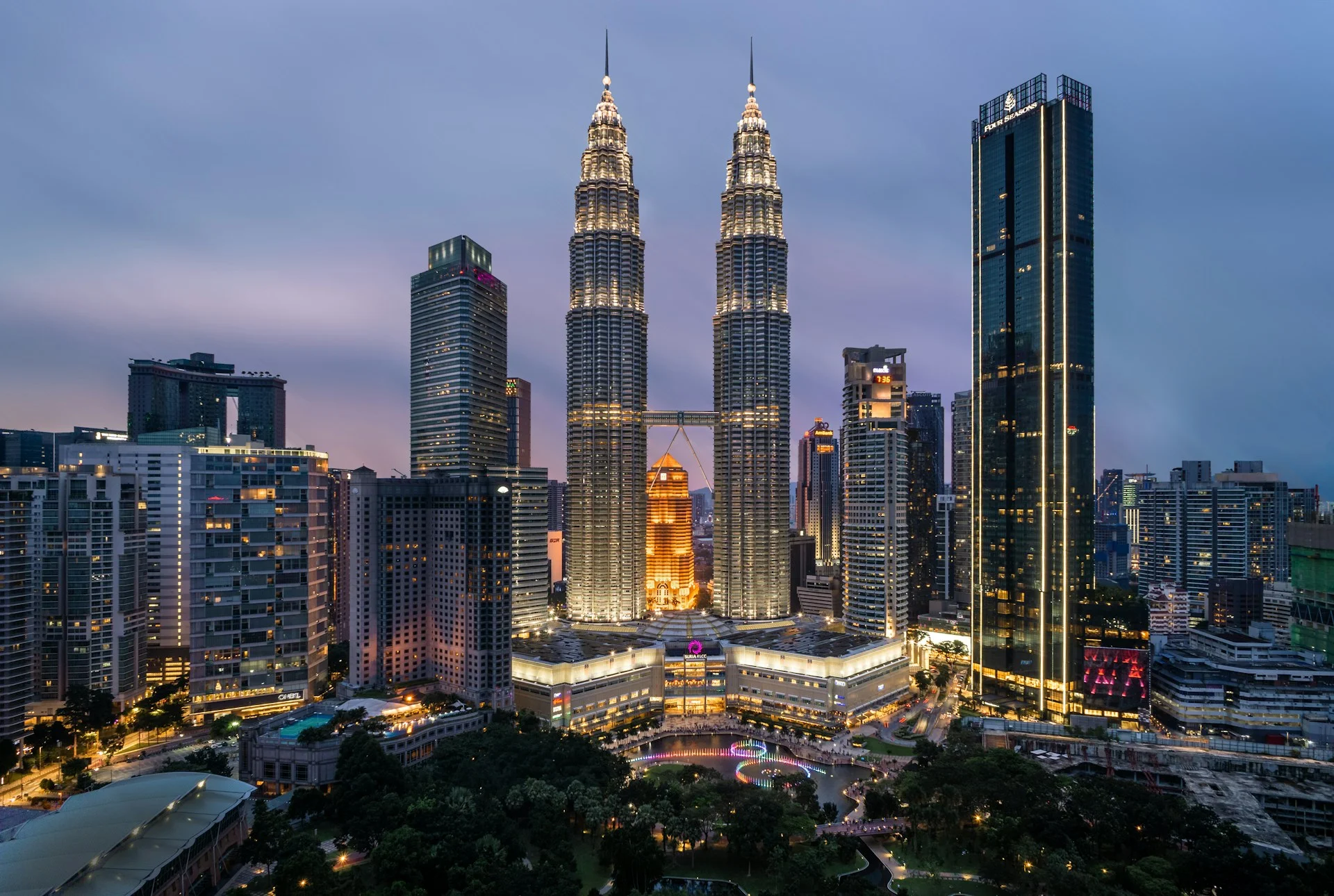
مدن ومناطق شعبية في ماليزيا
شائع
أفضل العروض
في ماليزيا
Real estate from owners in Malaysia

Strait settlement advantage
Malaysia's position along the Malacca and Singapore Straits creates unique logistics-oriented property markets. Global shipping routes influence both port-adjacent industrial zones and urban commercial developments. Purchasing directly from owners provides access to these strategically located assets.
Second home evolution
Malaysia's MM2H program adjustments create evolving residential markets for international mid-term residents. Revised requirements shift demand toward specific property types and locations. Buying directly from owners enables navigation of these changing program parameters.
Intelligent city development
Malaysia's technology corridors implement smart city frameworks integrating digital infrastructure with urban planning. These planned environments offer properties with built-in technological capabilities. Direct purchases facilitate acquisition in these innovation-focused developments.
Strait settlement advantage
Malaysia's position along the Malacca and Singapore Straits creates unique logistics-oriented property markets. Global shipping routes influence both port-adjacent industrial zones and urban commercial developments. Purchasing directly from owners provides access to these strategically located assets.
Second home evolution
Malaysia's MM2H program adjustments create evolving residential markets for international mid-term residents. Revised requirements shift demand toward specific property types and locations. Buying directly from owners enables navigation of these changing program parameters.
Intelligent city development
Malaysia's technology corridors implement smart city frameworks integrating digital infrastructure with urban planning. These planned environments offer properties with built-in technological capabilities. Direct purchases facilitate acquisition in these innovation-focused developments.
مقالات مفيدة
وتوصيات من الخبراء
Malaysia's Maritime Crossroads and Intelligent Urbanism Property Integration
Positioned at the confluence of major Asian shipping lanes while implementing ambitious digital transformation initiatives, Malaysia presents a property market where traditional trading advantages intersect with technological modernization. The country's multi-ethnic composition and federal structure create diverse property dynamics across regions, with particular opportunities emerging through direct transactions that understand Malaysia's layered economic and regulatory environments.
Strait Settlement Legacy and Contemporary Logistics Property Dynamics
Malaysia's historical role as a trading nexus continues to shape contemporary property markets through specialized logistics and port-adjacent developments. The Straits of Malacca's status as one of the world's busiest shipping channels generates demand for integrated logistics facilities with specific characteristics: customs bonded areas, container handling capabilities, and multi-modal transportation access. Penang's free industrial zones, Port Klang's expansion projects, and Johor's developing port facilities each create distinct property submarkets with valuation principles tied to shipping volumes and trade patterns rather than conventional real estate metrics. Direct purchases from logistics operators provide insights into practical requirements like crane infrastructure, warehouse ceiling heights, and security systems that significantly affect functional property value in these specialized sectors.
Malaysia My Second Home Program Evolution and Residential Market Adaptation
The MM2H program's periodic revisions create evolving residential property dynamics as eligibility criteria, financial requirements, and permitted stay conditions adjust. These changes shift international buyer focus toward different property types, locations, and price segments. Current program iterations emphasize higher financial thresholds and health insurance requirements, influencing demand patterns for maintenance-efficient properties with reliable healthcare access. Urban centers with established international communities and medical facilities demonstrate different adaptation patterns than emerging destinations. Direct purchases from current MM2H participants provide practical understanding of program implementation realities, including visa renewal processes, financial documentation requirements, and property ownership restrictions that affect long-term residential planning.
Intelligent City Development and Technology Corridor Implementation
Malaysia's technology corridor initiatives create specialized property environments integrating digital infrastructure with urban development. Cyberjaya's continuing evolution as a technology hub, Iskandar Malaysia's smart city implementations, and Kuala Lumpur's digital district developments each establish distinct property characteristics. These environments typically feature integrated fiber optic networks, smart grid capabilities, and data center infrastructure that affect both property functionality and value. Technology-oriented developments often incorporate co-working spaces, innovation labs, and testing facilities within mixed-use frameworks. Direct purchases from technology sector participants reveal how specific digital infrastructure requirements, connectivity reliability needs, and collaborative space configurations influence property selection and adaptation in these technology-integrated environments.
Ethnic Neighborhood Dynamics and Cultural Property Preferences
Malaysia's multi-ethnic composition creates distinct neighborhood characteristics influencing property design, community integration, and valuation principles. Traditional Malay kampung houses, Chinese shophouses, and Indian neighborhood properties each demonstrate specific architectural features and community dynamics. Urban regeneration projects increasingly preserve these cultural characteristics while integrating modern amenities, creating properties that maintain ethnic architectural identities with contemporary functionality. Understanding neighborhood cultural compositions and their evolution patterns is essential for evaluating how properties integrate into community contexts. Direct purchases from long-term residents provide insights into practical considerations regarding cultural festival preparations, community relationship building, and intergenerational property transitions within different ethnic contexts.
Federal Structure and State-Level Regulatory Variations
Malaysia's federal system creates significant state-level variations in property regulations, land ownership frameworks, and development approval processes. Sabah and Sarawak operate distinct land codes affecting native customary rights and property transactions differently than peninsular states. State governments control land matters, creating varying procedures for foreign ownership approvals, agricultural land conversions, and development permissions. Properties involving native customary rights or situated on state land require specific due diligence regarding tenure security and conversion possibilities. Direct purchases enable thorough investigation of these state-specific regulatory frameworks through engagement with legal professionals and current owners familiar with local implementation practices.
Hill Station Preservation and Highland Property Considerations
Malaysia's colonial-era hill stations—Cameron Highlands, Fraser's Hill, Genting Highlands—present unique property markets balancing historical preservation, tourism development, and environmental protection. These highland areas face specific challenges regarding slope stability, water management, and temperature-sensitive agriculture. Properties in these regions often involve complex approvals due to environmental sensitivity and historical significance. Successful developments typically integrate climate-appropriate design, sustainable water systems, and careful vegetation management. Direct purchases from highland property owners provide practical understanding of maintenance challenges related to constant moisture, temperature fluctuations, and access road maintenance that affect both living experience and long-term property preservation.
Islamic Finance Integration and Property Transaction Structures
Malaysia's developed Islamic finance system creates distinctive property transaction frameworks through sharia-compliant financing products and ownership structures. These systems offer alternatives to conventional mortgages through diminishing partnership arrangements, rental-based purchase plans, and profit-sharing models. Properties transacted through Islamic finance often involve specific contractual arrangements, insurance products, and dispute resolution mechanisms. Understanding these Islamic finance options and their practical implementation is essential for navigating Malaysia's dual financial system. Direct purchases facilitated through Islamic financing require comprehension of payment structures, early settlement calculations, and default procedures that differ from conventional mortgage arrangements.
Urban Heritage Conservation and Adaptive Reuse Approaches
Malaysia's urban heritage conservation efforts create specialized property opportunities in historical buildings undergoing adaptive reuse. Georgetown's UNESCO-recognized shophouses, Kuala Lumpur's colonial-era structures, and Malacca's historical buildings present preservation challenges requiring specific material sourcing, craftsmanship, and approval processes. Successful adaptive reuse typically maintains architectural authenticity while integrating modern seismic reinforcement, electrical systems, and accessibility features. These projects often qualify for heritage incentives but face longer approval timelines and specialized contractor requirements. Direct purchases from heritage property owners provide realistic insights into restoration cost structures, material sourcing challenges, and balancing preservation requirements with contemporary functionality expectations.
Eco-Tourism Development and Conservation Property Models
Malaysia's biodiversity conservation efforts intersect with property development through eco-tourism models that balance environmental protection with sustainable tourism. Properties within or adjacent to protected areas—Taman Negara, Borneo rainforest regions, marine parks—operate under specific regulations limiting development while permitting low-impact tourism facilities. Successful eco-tourism properties typically incorporate renewable energy systems, waste management solutions, and natural habitat preservation into their operations. These developments often involve partnerships with conservation organizations and local communities, creating complex ownership and management structures. Direct purchases in these areas require thorough understanding of environmental compliance requirements, permit renewal processes, and community engagement obligations that affect long-term operational viability.