
最佳优惠
位于 尼日利亚
Resale real estate in Nigeria

Daily function
Nigeria resale homes are used for permanent living, family housing, and long-term rentals, embedded in active neighborhoods with schools, workplaces, and services, supporting year-round occupancy rather than short-term or speculative use
Urban demand
The secondary housing market in Nigeria is supported by city residents, diaspora buyers, business owners, and returning professionals, creating ongoing demand for finished properties across practical residential segments
Title discipline
Transaction safety depends on verifying ownership history, seller authority, land status, and development approvals before payment, pausing if records conflict, with VelesClub Int. guiding buyers through structured verification steps
Daily function
Nigeria resale homes are used for permanent living, family housing, and long-term rentals, embedded in active neighborhoods with schools, workplaces, and services, supporting year-round occupancy rather than short-term or speculative use
Urban demand
The secondary housing market in Nigeria is supported by city residents, diaspora buyers, business owners, and returning professionals, creating ongoing demand for finished properties across practical residential segments
Title discipline
Transaction safety depends on verifying ownership history, seller authority, land status, and development approvals before payment, pausing if records conflict, with VelesClub Int. guiding buyers through structured verification steps
实用文章
以及专家推荐
Main title about secondary real estate in Nigeria
Why secondary properties attract buyers in Nigeria
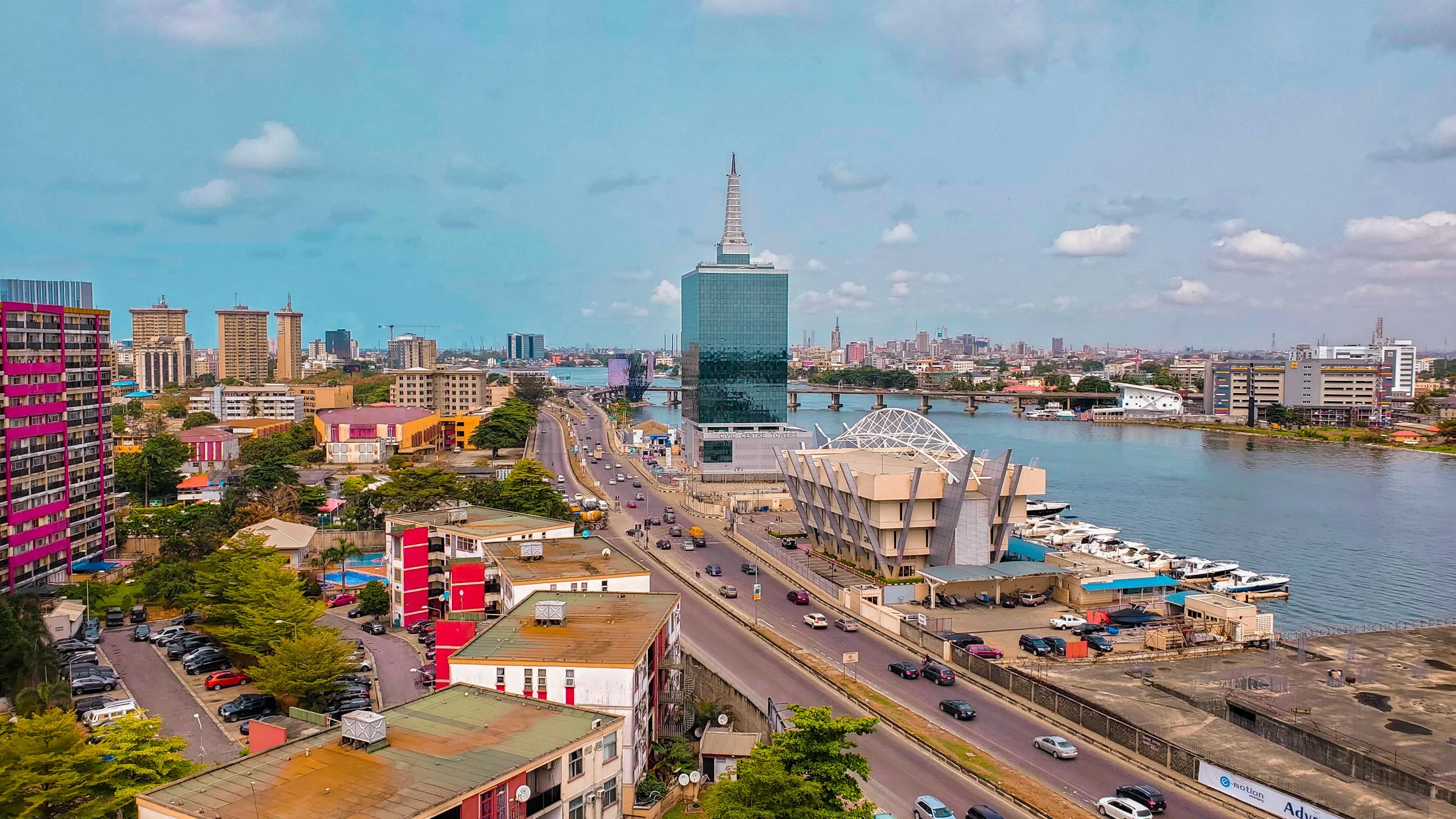
Secondary real estate in Nigeria provides discerning investors and homeowners with immediate access to fully operational assets in the country’s most dynamic urban and coastal markets. Pre-owned villas, apartments, townhouses and duplexes in Lagos, Abuja, Port Harcourt, Calabar and Kano arrive turnkey ready—fully connected to proven civic services that include potable water supplied by the Nigerian Hydrological Services Agency, uninterrupted electricity via the national grid with diesel generator backups, mature storm-water drainage and wastewater networks maintained by local authorities, and sealed asphalt roads managed by federal and state transport ministries. High-speed fibre-to-the-home broadband from MTN, Glo and Airtel ensures seamless connectivity for remote work and smart-home integration. Many residences preserve authentic West African design touches—masonry façades, veranda colonnades, decorative timber shutters and patterned terrazzo floors—alongside comprehensive modern upgrades: energy-efficient double glazing, bespoke open-plan kitchens fitted with imported cabinetry and appliances, reinforced concrete foundations engineered for regional soil conditions, integrated solar water-heating systems, modern sanitary suites, air-conditioning systems and pre-wired smart-home controls. This genuine turnkey readiness slashes holding and finishing costs, accelerates rental cash flows, and empowers buyers—short-let holiday operators, relocating expatriate executives, NGO and diplomatic personnel, or yield-focused investors—to begin generating returns or enjoying premium living from day one. Transparent historical sales and leasing data maintained by the Federal Lands Registry and leading online portals such as PrivateProperty.com.ng provide robust comparables and valuation benchmarks, enabling rigorous risk assessments underpinned by VelesClub Int.’s end-to-end advisory expertise.
Established neighbourhoods in Nigeria
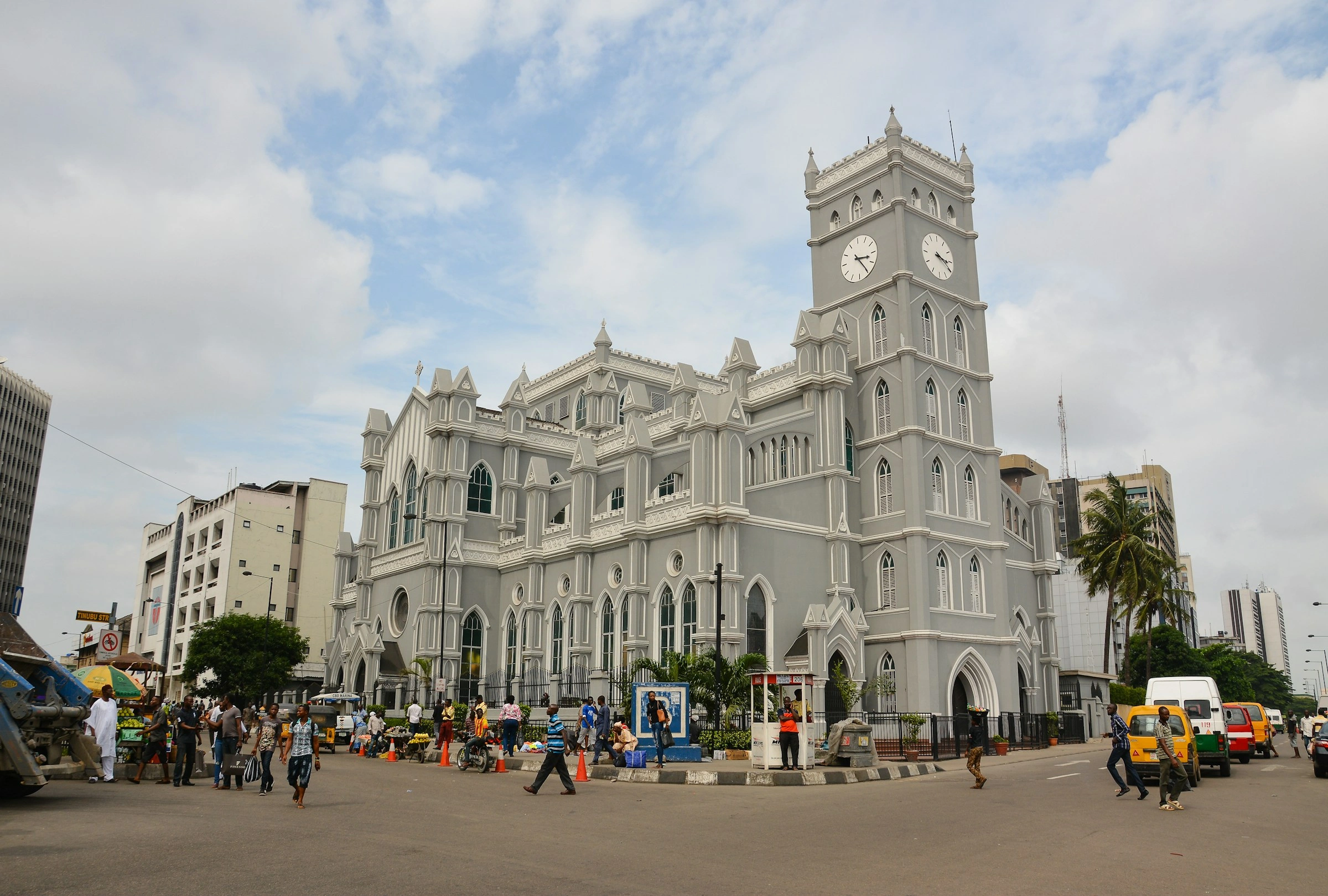
Nigeria’s secondary-market ecosystem is anchored by several mature precincts, each offering unique lifestyle and investment advantages. In Lagos, Ikoyi, Victoria Island and Lekki host luxury apartments, gated villas and refurbished colonial mansions with private gardens, standby generators, backup boreholes and 24/7 security. Abuja’s Central Districts, Maitama and Asokoro feature turnkey embassy-style homes, townhouse enclaves and serviced apartments adjacent to international schools, government offices and the National Assembly—maximizing convenience for diplomatic and corporate tenants. Port Harcourt’s GRA Phase I and Old Port Harcourt City comprise restored mid-century bungalows and modern apartment blocks with flood-resilient designs and riverside views. Calabar’s Marina and South Industrial zones offer coastal flats and villa-style residences near the port and tourism nodes such as Tinapa and Obudu Cattle Ranch. Kano’s Fagge and Nassarawa quarters present spacious courtyard houses and walk-up flats in heritage areas revamped with modern MEP systems and reinforced structures for flood protection. Across all micro-markets, comprehensive civic services—sewer and storm drainage, scheduled waste collection, reliable road maintenance, high-speed broadband, and integrated bus, ferry and rail transport—operate seamlessly, ensuring minimal post-purchase capital expenditure and rapid community integration.
Who buys secondary real estate in Nigeria
Buyers in Nigeria’s resale segment reflect the country’s demographic and economic diversity. International and local holiday-let operators acquire turnkey coastal villas and beachfront apartments in Lagos’s Epe lagoon, Calabar’s waterfront and Tarkwa Bay, leveraging strong tourism demand and VelesClub Int.’s end-to-end property-management services. Expatriate families working in oil & gas, telecommunications, aid agencies and banking secure high-end gated-community villas and serviced apartments in Port Harcourt, Lagos Island and Abuja’s highbrow districts—valuing compound security, all-bills-inclusive leases and proximity to international schools such as American International School of Lagos and Transcorp Hilton’s diplomatic enclave. Local middle-class professionals purchase turnkey three- to four-bedroom homes in Lekki Phase 1, Asokoro and GRA Phase II for stable long-term residency, prioritizing access to top private hospitals (Reddington, Lagoon) and reputable academies (Greensprings, British School). Diaspora investors from the UK, USA and Canada target small multifamily buildings and heritage conversions in Lagos Mainland, Ikorodu Road and New GRA Port Harcourt for yield-focused portfolios—guided by documented occupancy metrics and clear exit-strategy modelling provided by VelesClub Int. Across all segments, common drivers include authentic architectural character, immediate move-in readiness, transparent title histories and integration into mature infrastructure networks that underpin predictable returns.
Market types in Nigeria and price ranges
Nigeria’s secondary-real estate landscape spans a broad continuum of property types and price tiers to suit varied investment strategies and lifestyle preferences. Entry-level studio apartments and compact one-bedroom flats in Lagos Mainland, Kano South, and Garki II Abuja start from approximately USD 50,000 to USD 100,000—offering turnkey finishes, communal water tanks and proximity to bus and ferry terminals. Mid-range two- to three-bedroom townhouses and duplexes in Lekki Phase 1, Victoria Island, Maitama and GRA Phase I Port Harcourt trade between USD 120,000 and USD 350,000—featuring granite countertops, modern baths, private balconies, secure parking and compound amenities. Premium detached villas and luxury penthouses in Ikoyi, Asokoro, Old GRA Port Harcourt and Banana Island command USD 400,000 to over USD 1.2 million—driven by waterfront frontage, bespoke interior fit-outs, landscaped gardens and resort-style facilities. For scalable investors, small multi-unit complexes (4–8 units) in emerging corridors—Abijo GRA, Amuwo Odofin, Jabi Lake Estate—list between USD 200,000 and USD 500,000, delivering diversified rental streams and economies of scale. Financing schemes through GTBank, Zenith Bank, Access Bank and microfinance institutions offer mortgage and hire-purchase options at competitive rates (12%–16% per annum) with typical down payments of 20%–30%. Documented net rental yields average 6%–8% per annum across core urban corridors—benchmarks integrated by VelesClub Int. into proprietary yield-modelling and strategic acquisition-planning tools.
Legal process in Nigeria and protections
Acquiring secondary real estate in Nigeria follows the conveyancing framework under the Land Use Act and Registration of Titles Law. Transactions begin with a signed Memorandum of Understanding and payment of a reservation deposit—commonly 5%–10% held in escrow by a licensed conveyancer. Buyers conduct due diligence: obtaining a Governor’s Consent from the Ministry of Lands to confirm statutory title, a Certificate of Occupancy extract from the State Land Registry, boundary surveys by registered surveyors, structural-condition and termite inspections, and utility-connection audits for NAHCO water connections and PHCN electricity meters. Upon satisfactory review, parties execute the final Deed of Assignment before a Notary Public; stamp duties (1%–2% of sale value), registration fees and legal honoraria are paid. The transaction is then recorded in the Land Registry, granting formal title and public notice. Foreign nationals may acquire property via leasehold titles up to 99 years under ministerial approval. Statutory safeguards include warranties against latent defects and recourse through state High Courts. VelesClub Int. orchestrates end-to-end legal coordination—due diligence management, Governor’s Consent handling, survey liaison and registry filings—to ensure compliance, mitigate title risks and deliver a seamless closing experience for both domestic and international clients.
Best areas in Nigeria for secondary market
Certain micro-markets in Nigeria stand out for infrastructure maturity, amenity clusters and rental dynamics. Ikoyi and Victoria Island yield net returns of 5%–6%, driven by corporate and diplomatic leases. Lekki Phase 1 and 2 sustain yields of 6%–7% from young professionals and expatriate families. Asokoro and Maitama deliver 5% returns owing to stable government and NGO tenancy. Port Harcourt’s GRA Phase I and Phase II achieve yields of 6% backed by oil-sector and service-industry leases. Emerging belts—Abijo GRA, Jabi Lake Estate and Amuwo Odofin—offer yields near 8% as new infrastructure and retail developments progress. Each precinct benefits from sealed roads, reliable water and power mains, fibre broadband, integrated bus, ferry and rail links, and proximity to top-tier hospitals, schools and commercial hubs—ensuring transparent pricing, consistent occupancy and robust resale liquidity. VelesClub Int.’s proprietary neighbourhood-scoring methodology and on-the-ground research guide clients to micro-markets that optimally align yield targets, capital-growth forecasts and lifestyle preferences within Nigeria’s dynamic secondary-real-estate ecosystem.
Why choose secondary over new in Nigeria + VelesClub Int. support
Opting for secondary real estate in Nigeria delivers immediate possession, proven civic infrastructure and transparent historical performance—advantages seldom matched by speculative new-build projects facing planning delays, material-cost volatility and contractor uncertainties. Buyers avoid pre-launch premiums and extended handover timelines by selecting turnkey assets with operational water, power and broadband networks, reinforced foundations and clear title chains. Secondary properties often showcase irreplaceable West African architectural character—masonry façades, veranda colonnades, timber shutters—that new constructions cannot replicate, enhancing cultural authenticity and long-term desirability. Lower entry premiums relative to greenfield or off-plan schemes free up capital for interior personalization, sustainable upgrades (solar PV, rainwater harvesting) or strategic portfolio diversification across multiple micro-markets. Mature neighbourhood services—reliable NAHCO supply, uninterrupted PHCN power, sealed roads, integrated transport links, and high-speed broadband—ensure seamless move-in and minimal post-purchase maintenance. VelesClub Int. enriches this acquisition journey with comprehensive end-to-end expertise: sourcing exclusive off-market listings, conducting exhaustive due diligence, negotiating optimal terms and managing all legal formalities. Our post-closing property management solutions—tenant placement, preventive maintenance coordination and transparent performance reporting—optimize occupancy rates and preserve capital value over time. Through proactive portfolio monitoring, annual market reviews and strategic advisory, VelesClub Int. empowers clients to maximize Nigeria’s secondary real estate potential with confidence, clarity and operational efficiency.