

最佳优惠
位于 基多
Resale real estate in Quito

Dollar Comparables
Quito resale condos often price in US dollar terms with active buyer demand, so like-for-like sales can anchor value. This helps buyers avoid overpaying for uniqueness when similar layouts and baseline conditions trade regularly
Format Discipline
A wide mix of condos, compact houses, and older core stock gives format options. Negotiation stays cleaner when you compare within one lane and define baseline condition early, rather than shifting between unrelated categories
Calm Closing
Standard checks keep Quito closings structured - confirm title record, ownership extract, and encumbrance check, then align payment documents. Pause and clarify if the dossier does not match terms so timing stays predictable without rework
Dollar Comparables
Quito resale condos often price in US dollar terms with active buyer demand, so like-for-like sales can anchor value. This helps buyers avoid overpaying for uniqueness when similar layouts and baseline conditions trade regularly
Format Discipline
A wide mix of condos, compact houses, and older core stock gives format options. Negotiation stays cleaner when you compare within one lane and define baseline condition early, rather than shifting between unrelated categories
Calm Closing
Standard checks keep Quito closings structured - confirm title record, ownership extract, and encumbrance check, then align payment documents. Pause and clarify if the dossier does not match terms so timing stays predictable without rework
房源亮点
我们专家在厄瓜多尔,基多的推荐
找到: 14
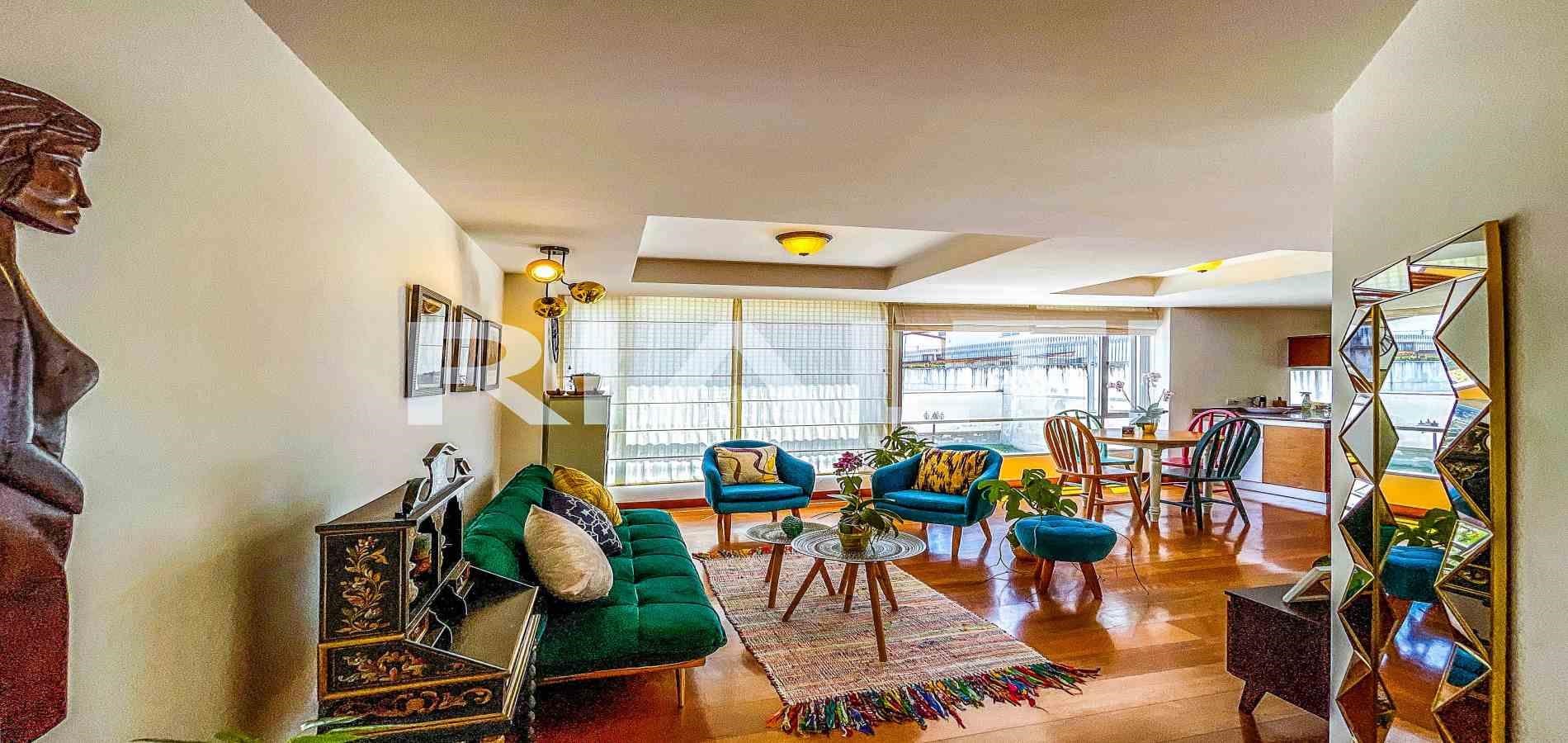
基多(厄瓜多尔)带开放式厨房的1+1公寓
公寓
65 m2

2

1

79 000 $
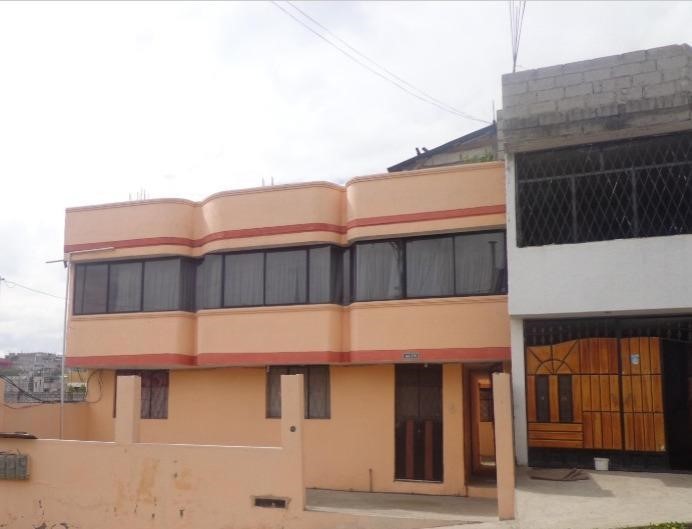
厄瓜多尔基多 5+1 户型带车位住宅
房屋
207 m2
5
5
79 000 $
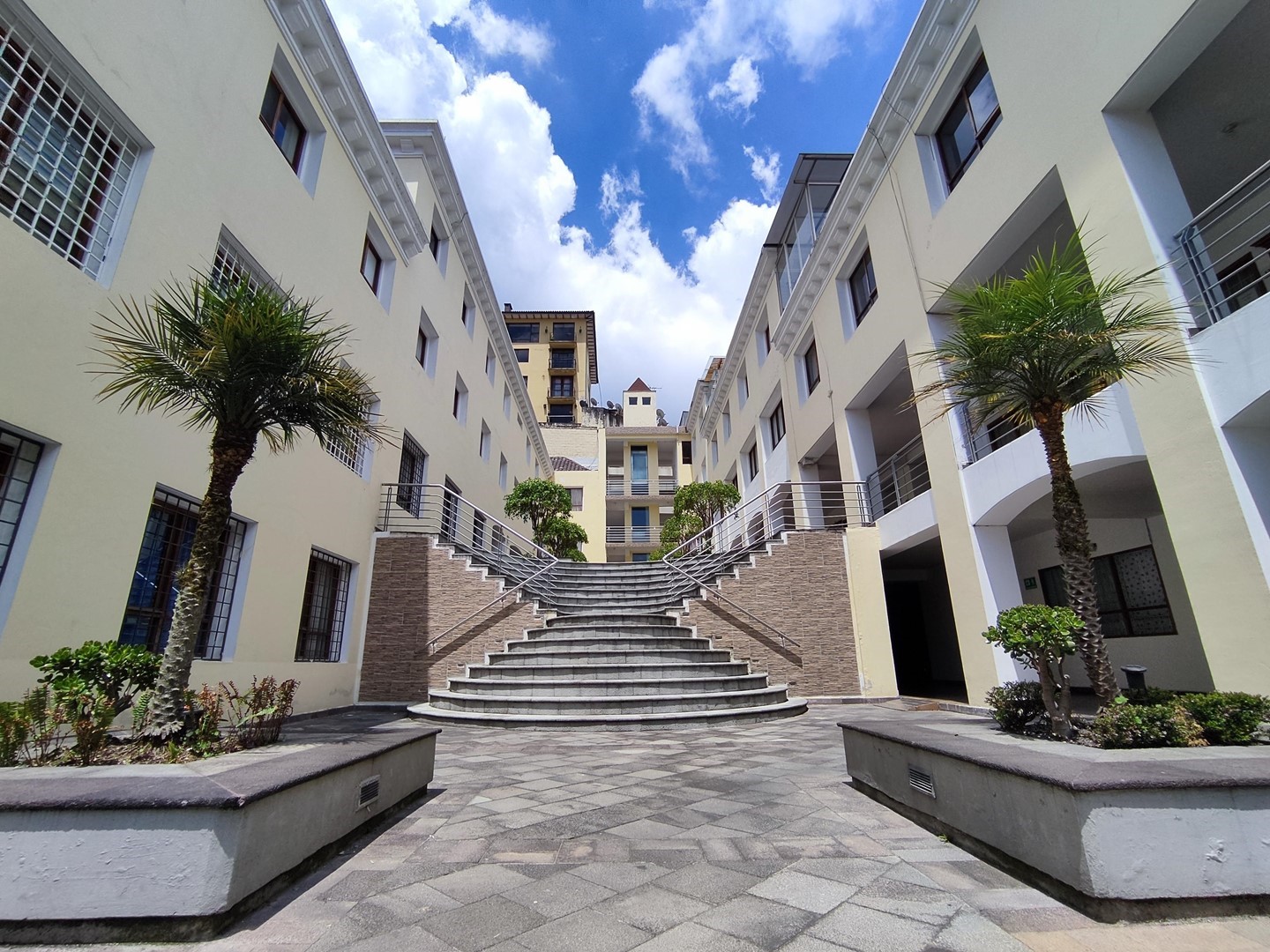
厄瓜多尔基多 2+1 全景公寓
公寓
90 m2
2
2
82 000 $

厄瓜多尔基多 3+1 带花园住宅
房屋
92 m2
3
3
86 000 $
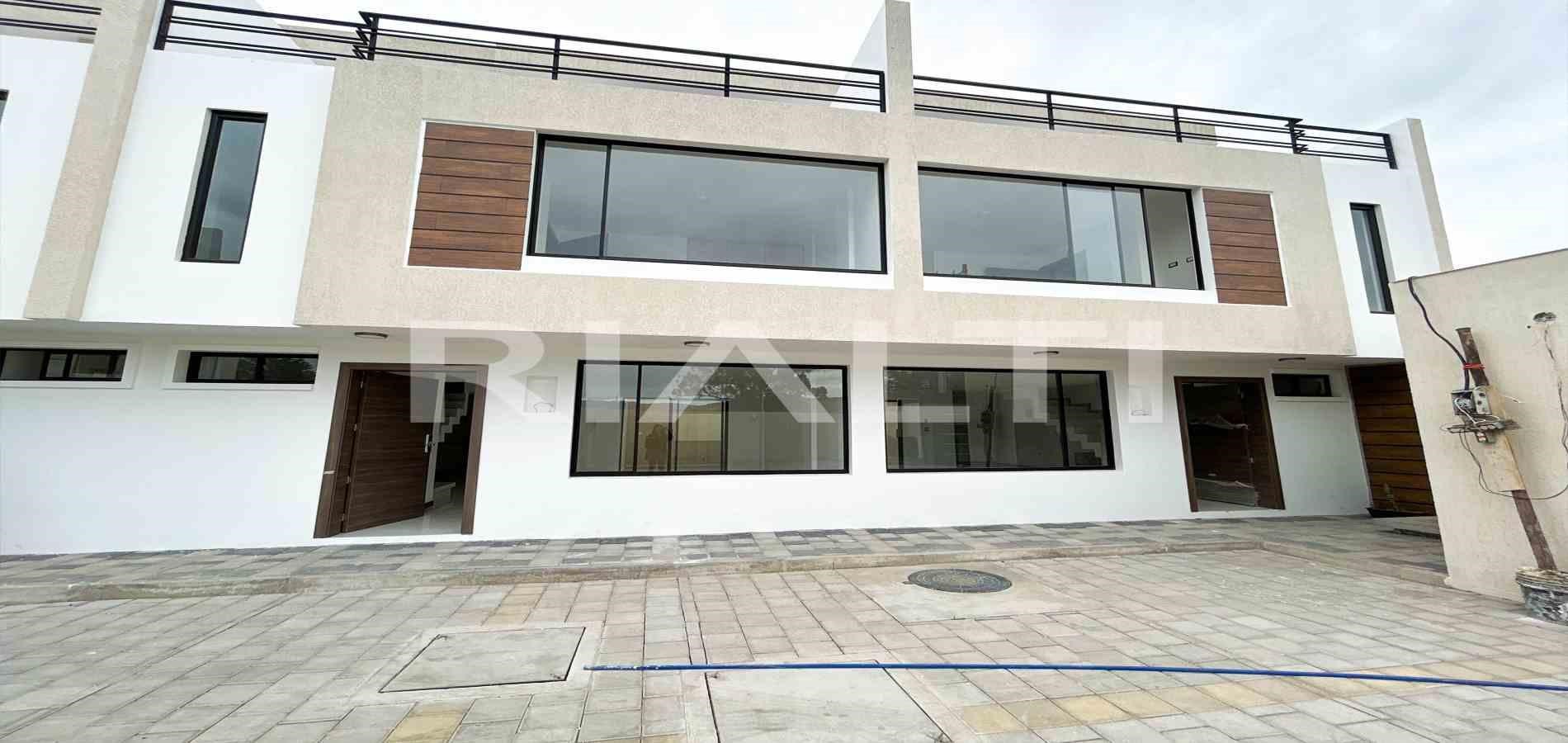
厄瓜多尔基多 3+1 带停车位住宅
房屋
118 m2
3
3
88 000 $
厄瓜多尔基多 1+1 公寓,带露天车位
公寓
58 m2
1
1
88 000 $
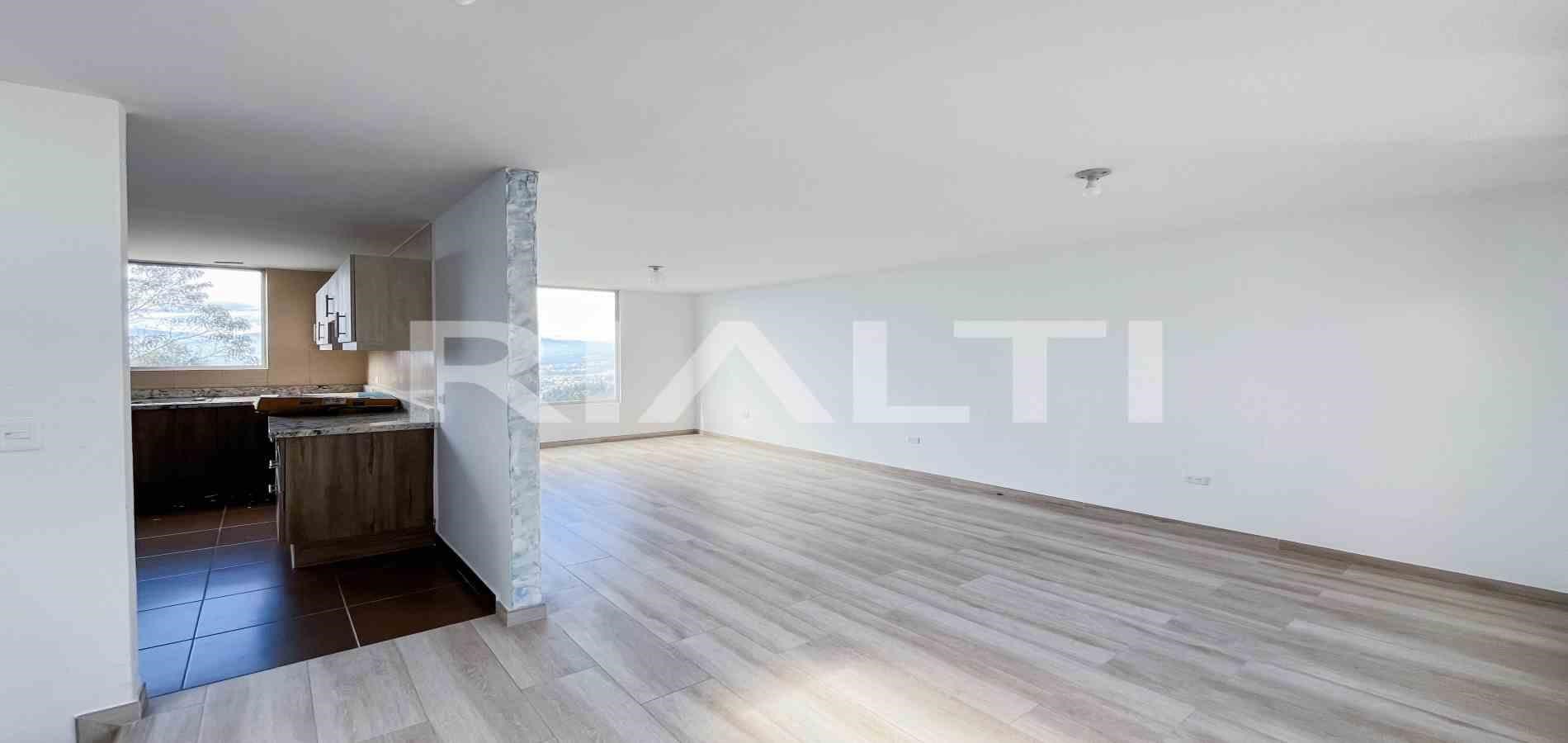
基多(厄瓜多尔)4+1 带车位住宅
房屋
117 m2
3
4
107 000 $
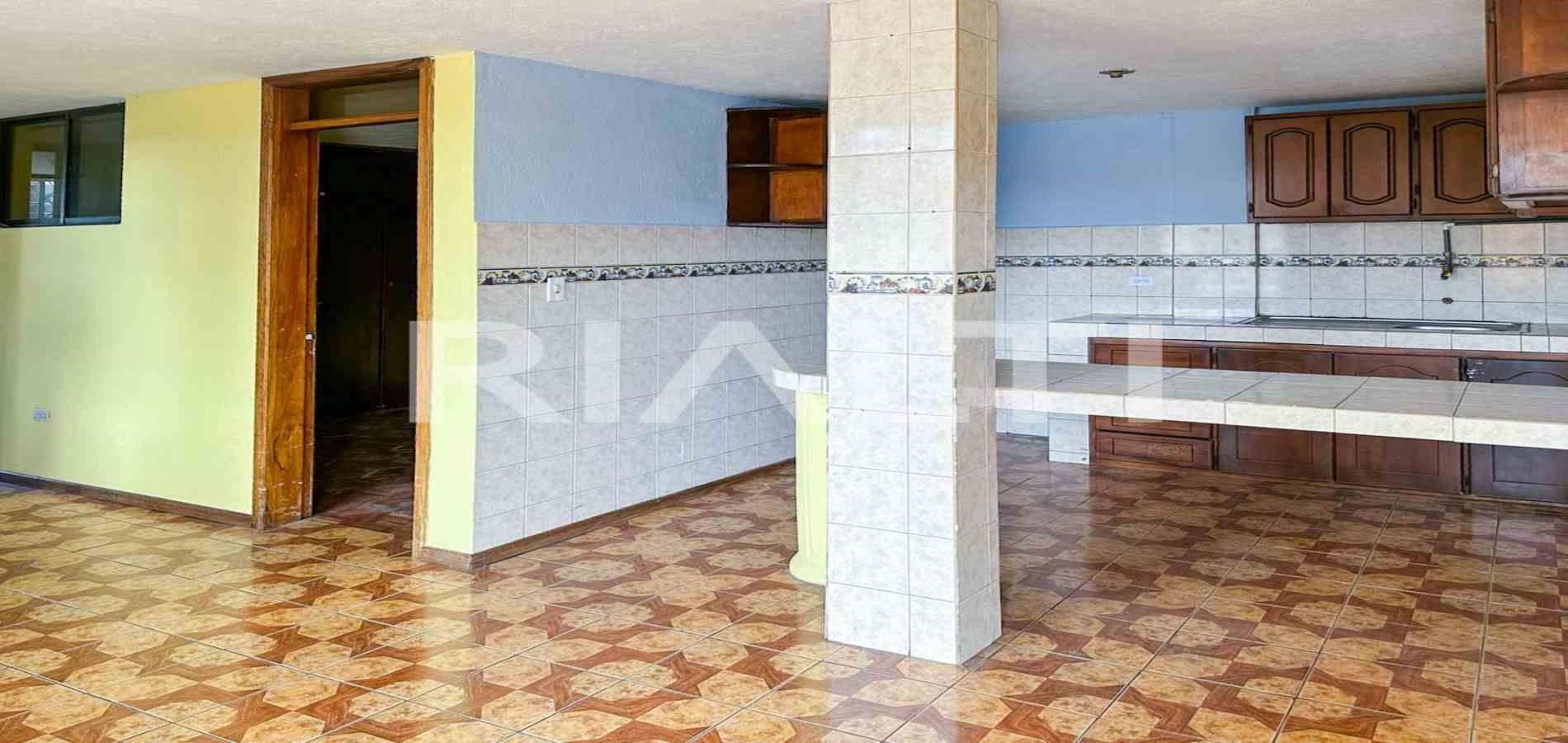
厄瓜多尔基多 10+1 带停车位住宅
房屋
314 m2
4
10
117 000 $
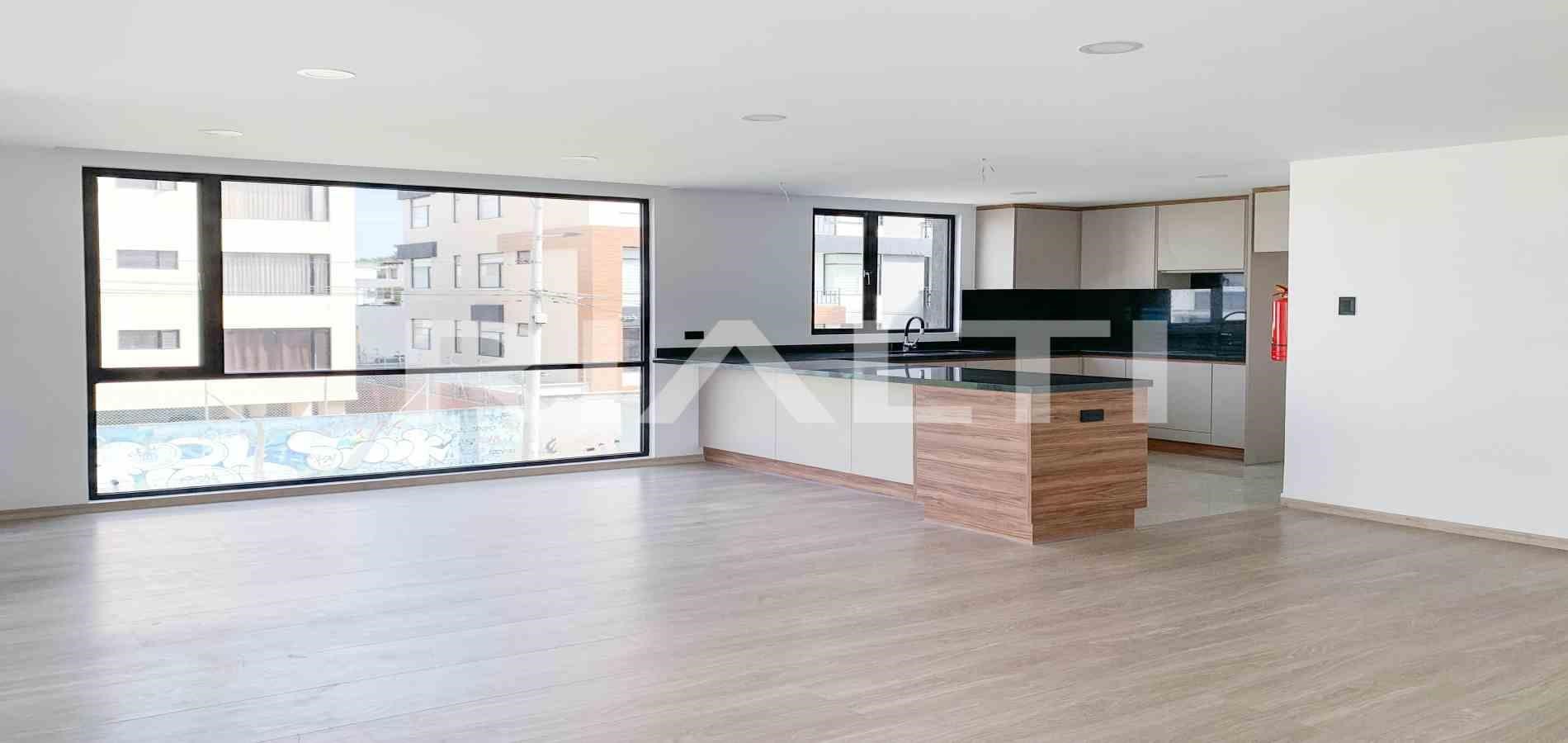
基多, 厄瓜多尔 3+1 带烧烤区公寓
公寓
111 m2
3
3
166 000 $

厄瓜多尔基多带露台的 3+1 公寓
公寓
156 m2
3
3
223 000 $
实用文章
以及专家推荐
Secondary real estate in Quito - Supply depth across tiers with repeat secondary transactions
Why the secondary market works in Quito
Quito is a capital city with long established residential layers, so resale remains a primary way to access completed housing across many tiers. The secondary housing market in Quito works best when buyers compare within clear format lanes instead of mixing unrelated property types.
Market depth is strongest where housing formats repeat. Mid rise condominium stock and established apartment buildings tend to produce more like for like references, which keeps pricing logic readable and supports steady buyer demand across common layout families.
Many people start with broad searches such as "real estate in the" Quito area and then narrow to resale once they want clearer reference points. That is a practical shift because completed stock provides visible comparables and stable baselines.
Resale turnover is supported by normal household reallocation. Households move between tiers over time, and that creates repeat transactions that keep asking prices anchored to recent closings rather than purely to expectations.
The city also shows a split between standardized apartment lanes and more individualized house lanes. In the standardized lanes, comparables are easier to build. In the individualized lanes, buyers benefit from defining acceptable baseline condition before price discussions begin.
Who buys on the secondary market in Quito
Buyer demand in Quito is layered by budget, preferred housing format, and holding horizon. Some buyers prioritize apartments because comparison is easier and the resale audience is broader. Others select compact homes where category fit matters more than perfect matching.
Domestic buyers often focus on predictable execution, especially when the purchase is linked to long term plans. They value a clean document story, clear baseline condition, and a segment that can be resold without heavy explanation.
International buyers can appear in Quito, but the market does not depend on one buyer group. What matters more is whether the chosen format has consistent buyer demand and enough similar options to keep negotiation grounded in comparables.
If your first filter is a search like "real estate close to me" in Quito, treat it as discovery only. Then define the tier, lock the format lane, and compare like for like so the option set stays consistent and decisions do not reset later.
Another common segment is buyers who plan measured value add. Their goal is alignment to the expected condition baseline of the chosen tier, so the next buyer segment recognizes the product clearly at resale time.
Property types and price logic in Quito
Resale property in Quito includes condominium units, apartments in established buildings, and compact houses that trade under more individualized baselines. Resale apartments in Quito are often the most comparable lane because layout families and building class tend to repeat.
Price logic is most readable when comparisons stay truly like for like. Match the format, match the building class, and match the baseline condition category before comparing totals. This approach reduces noise and keeps offers anchored to realistic reference points.
Many buyers begin with phrases like "real estate in" Quito and quickly see how wide the range can look. The range becomes more logical once the buyer separates apartment lanes from house lanes and treats each lane as its own pricing baseline.
Condition should be treated as a baseline category, not a personal story. Original condition, refreshed condition, and fully upgraded condition can sit in different pricing bands. Comparisons should stay within the same baseline so negotiation does not drift.
If you plan to buy apartment on the secondary market in Quito, start with format discipline. Confirm the target lane, confirm baseline condition, then build a comparable set that matches layout and class, and keep the selection inside that lane through the offer stage.
For compact houses, the peer set can be narrower. Define acceptable category boundaries early, then compare against the closest peers and adjust expectations based on baseline condition and document alignment, not on broad citywide averages.
Legal clarity in secondary purchases in Quito
Legal clarity in secondary purchases in Quito should be approached as standard verification that keeps timing predictable and the deal structured. The goal is to align the dossier early so each control point confirms the same ownership story.
Start with a title record and an ownership extract to confirm who holds rights and how ownership was formed. Then add an encumbrance check and confirm signature needs through a consent check when more than one party is involved.
For buyers who treat real estate as a sequence of aligned documents, execution becomes calmer. Verify that names, identifiers, and payment terms match across the file, and pause and clarify when a detail does not align so you avoid rework and avoid delays.
Payment planning also affects clarity. Confirm which documents will support the payment order and how confirmation will be produced. If a detail changes, update the dossier before closing steps begin so the sequence stays clean.
When the ownership story includes more steps, it simply means the file needs tighter alignment. Keep the process modern by using the same control points in the same order, and by clarifying questions early instead of repairing mismatches late.
Areas and market segmentation in Quito
Quito can be described through broad market layers without naming specific districts. A central layer tends to concentrate established apartment stock, an inner residential layer often provides repeat mid rise formats, and outer layers can show more mixed supply.
In the layers where formats repeat, comparables are easier to build and pricing discipline tends to be stronger. In the layers where stock is more mixed, buyers benefit from stricter lane selection and a clearer baseline condition definition.
In Quito, it is tempting to compare all real estate together, but that usually mixes unrelated categories. A cleaner approach is to choose the tier and format lane first, then compare only within that lane so value signals stay consistent.
Segmentation also shapes ease of resale. Where the next buyer segment can understand the product through like for like comparison, resale planning is simpler. Where products are more individualized, category boundaries and baseline clarity become the anchor.
Keep the tone calm even when urgency language appears. Use the market lane and the dossier as the decision tools, and pause and clarify if information drifts, so you avoid last minute changes and avoid mismatched documents.
Secondary vs new build comparison in Quito
Secondary and new build routes in Quito differ mainly in how value is validated. New build decisions often depend on specification baselines and delivery terms. Resale decisions rely more on comparable closings, visible condition baselines, and an ownership dossier tied to an existing asset.
Resale can be more measurable in apartment lanes where like for like options exist. New build can suit buyers who want a single counterparty path and a defined specification baseline, but it may offer fewer direct comparables at the moment of decision.
Search phrases like "real sale" can suggest a fast decision, but the clean outcome comes from structure. Verify the lane, verify the comparable set, and verify dossier alignment so you avoid delays and avoid rework during closing.
Resale also supports value add logic when upgrades match the chosen tier. The goal is to align the unit to what the next buyer segment expects within that format, not to chase novelty that breaks comparability and complicates pricing.
Whichever route you choose, use the same calm control points. Confirm documents, confirm payment support files, and pause and clarify when assumptions shift so the deal stays predictable and aligned.
How VelesClub Int. helps with secondary purchases in Quito
After you understand the market logic, the next step is practical comparison. Buyers can move from market understanding to browsing secondary listings on VelesClub Int., then filter by tier and format so comparisons stay like for like and decisions stay structured.
Secondary listings on VelesClub Int. include owner submitted secondary listings, alongside other resale supply. This marketplace setup supports structured selection without turning the search into an unorganized mix of unrelated categories.
People arriving after searches such as "new real estate listings today" often want a quick view of options, but results improve when comparisons are disciplined. VelesClub Int. supports structured comparison and clean execution through aligned dossiers and standard control points.
The service approach stays practical: define the lane, compare like for like, confirm documents at each step, and keep the closing plan stable. If any detail is not aligned, pause and clarify early to avoid delays, avoid rework, and avoid mismatched documents.
Frequently asked questions about secondary real estate in Quito
How do I build a like for like comparable set for resale apartments in Quito?
Check that the peer set matches the same building class, layout family, and baseline condition, then verify the reference closings support the range you target. Avoid rework by keeping the lane strict, and pause and clarify if formats drift.
What should I verify first before making an offer on resale property in Quito?
Verify the title record and ownership extract match the seller story, then check encumbrance status and any consent check needs align with the planned closing terms. Avoid delays by aligning the dossier early, and pause and clarify if signatures do not match.
How should I compare an apartment lane versus a house lane in Quito?
Check which lane offers stronger like for like peers, then verify baseline condition categories are comparable inside that lane before discussing price. Avoid mismatched documents by keeping terms stable, and pause and clarify if the scope shifts mid process.
What should I check about payment support documents in a Quito resale deal?
Check which documents will support the payment order and confirm the parties, references, and amounts align with the agreed terms across the dossier. Avoid last minute changes by confirming details early, and pause and clarify if a term changes during review.
How do I keep the closing sequence predictable on the secondary market in Quito?
Check control points for document alignment, payment support files, and final confirmations, then verify each step matches the agreed terms. Avoid delays by keeping the dossier consistent, and pause and clarify when an item does not align.
How should I interpret searches for Quito resale options?
Some people search for "the best real estate" and expect one answer, but a cleaner approach is to verify which format lane has the clearest comparables for your tier. Avoid mixing categories to avoid rework, and pause and clarify if peers become too mixed.
How do I plan value add upgrades without breaking comparability in Quito?
Check that the upgrade plan matches the baseline of your chosen format and tier, then verify comparable references reflect that baseline after upgrades. Avoid last minute scope changes to avoid delays, and pause and clarify if assumptions shift late.
Conclusion - understanding the secondary market in Quito
The secondary housing market in Quito becomes clear when buyers separate format lanes, keep comparables like for like, and treat condition as a baseline category. This keeps pricing logic readable and supports a structured choice across the tiers that drive buyer demand.
Use a calm sequence of standard checks to keep timing predictable. Align the title record, ownership extract, and payment support documents early to avoid delays, avoid rework, and avoid mismatched documents. When something does not align, pause and clarify early.
Once the market logic is clear, action should follow in the same structured way. On VelesClub Int., buyers can browse secondary listings, including owner listings, with a consistent method for tier selection, like for like comparison, and clean execution control points.