
最佳优惠
位于 列宁格勒州
在列宁格勒州投资商业地产的优势

港口优势
列宁格勒州同时具备都市外溢影响、波罗的海港口活动、产业转移与郊区消费等多重动力,商业需求因此不止一个支点,使该地区在物流、服务类物业和运营型用房方面具有重要意义。
业态平衡
最适合的物业通常为仓储、轻工业单元、公路沿线与辐射性零售、综合商用楼以及有选择性的酒店业态,而纯办公类资产则需要更严格的位置逻辑才能发挥价值。
区域聚焦
VelesClub Int. 帮助区分与港口相关的物业、郊区服务节点、产业走廊与以休闲为驱动的次级市场,从而使区域筛选更清晰,买家能够按资产功能而非单纯按距离进行比较。
港口优势
列宁格勒州同时具备都市外溢影响、波罗的海港口活动、产业转移与郊区消费等多重动力,商业需求因此不止一个支点,使该地区在物流、服务类物业和运营型用房方面具有重要意义。
业态平衡
最适合的物业通常为仓储、轻工业单元、公路沿线与辐射性零售、综合商用楼以及有选择性的酒店业态,而纯办公类资产则需要更严格的位置逻辑才能发挥价值。
区域聚焦
VelesClub Int. 帮助区分与港口相关的物业、郊区服务节点、产业走廊与以休闲为驱动的次级市场,从而使区域筛选更清晰,买家能够按资产功能而非单纯按距离进行比较。
实用文章
以及专家推荐
<h2>列宁格勒州的商业地产结构</h2>
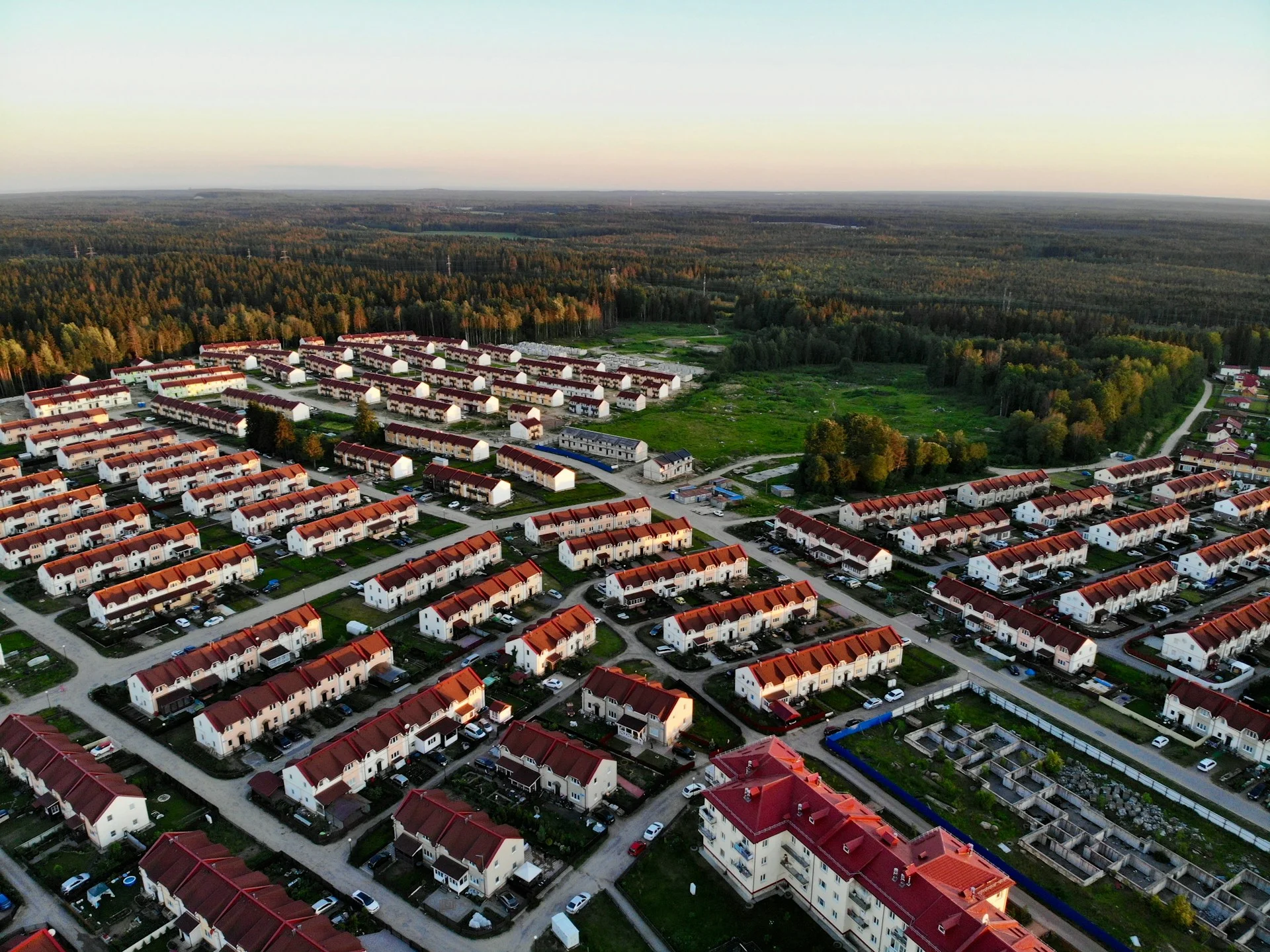
<p>列宁格勒州之所以重要,不只是因为它是圣彼得堡周边的土地。这里构成了一个独立的商业带:都市需求、港口基础设施、产业外迁、货运流动、郊区定居与休闲在此交汇。这种多重叠加使得该地区比典型的次国家市场更具层次性。买家并不是进入一个单一的区域经济,而是在面向港口的、与生产相关的、与服务相关的以及与休闲相关的多元商业需求场域中做选择。</p>
<p>这就是列宁格勒州与许多其他地区的主要区别。在更单一的区域市场中,通常一座城市主导商业格局,其它区域只是强度较低的延伸。而在这里,需求同时沿数个互联的系统分布。圣彼得堡聚集体向外推动商业活动,芬兰湾沿岸赋予地区强烈的港口角色,内陆通道支撑运输与工业使用,北部与湖泊方向则形成不依赖仓储或贸易逻辑的接待与服务需求。</p>
<h3>促成列宁格勒州商业角色的因素</h3>
<p>首先是相对接近圣彼得堡但并不完全依赖市中心经济。很多需要土地、卡车通行、储运深度、工业配套或更低运营摩擦的活动,在区域内的匹配度往往高于市内。这并不意味着该州只是城市的备选市场,而是在更广泛的大都市经济中拥有独立角色。列宁格勒州的商业地产常常不是“次优选择”,而是那些需要规模、可达性和现成基础设施的用途的正确形式。</p>
<p>第二是海洋位置。列宁格勒州在波罗的海一侧拥有重要的港口带,这改变了仓储、轻工业、运营型与运输导向资产的解读方式。港口区并不会在任何地方创造均等需求,但它会强化物流通道、产业配套用地、与货运相关的服务场所,以及受常规商业循环益处的贸易形态的逻辑。</p>
<h3>列宁格勒州的需求遵循聚集、港口与走廊逻辑</h3>
<p>区域内最明显的商业模式来自三条层次。第一是靠近圣彼得堡的近郊环带——人口增长、日常通勤、家庭消费与企业外溢支持零售、综合商业楼与实用型服务业态。第二是西部和西南沿海的港口关联带——物流、产业配套与运营型用地更具意义。第三是更广泛的内陆走廊体系——当可达性与通行条件良好时,仓储、轻工业、公路沿线贸易与区域配送形态会更具可行性。</p>
<p>因此,在列宁格勒州购买商业物业时,不应仅用“离圣彼得堡近还是远”这样的单一问题来开始。更恰当的问题是:什么样的需求机制支撑该资产。有些地点因连接货运与产业流而有效;有些因能捕捉到郊区消费而有价值;还有些因服务周末出行、国内旅游或区域性服务需求而变得有趣。相似的建筑在不同体系中会呈现完全不同的表现。</p>
<h3>哪些资产类型更适合列宁格勒州</h3>
<p>最契合的通常是仓储物业、轻工业单元、综合商业楼、实用零售空间、面向企业用户的运营场所以及特定的酒店业态。这些类型与该地区的实际结构相符:支持货运、产业配套、郊区服务需求以及特定场地的休闲用途。在这样的市场中,实用功能比抽象的类别标签更重要。</p>
<p>列宁格勒州的仓储物业在真正存在运输逻辑的地方更为相关:接近圣彼得堡环路、出城高速、港口相关流通与配送线路的可达性,往往比单纯面积更关键。工业物业同样在于与劳动力可达性、配套条件与运营需求的匹配,而不是仅凭看起来便宜就判断。对许多买家来说,自用逻辑在这里和被动收益策略一样自然,因为该地区孕育着需要掌控自有厂房或仓库的企业。</p>
<h3>列宁格勒州的零售空间取决于本地客群质量</h3>
<p>零售是重要板块,但应通过本地需求来解读,而非单看显著可见性。列宁格勒州最强的零售空间常与靠近居住密集的郊区、稳定的日常消费、交通邻接与服务需求相关,而非依赖大型目的地概念。日常必需类零售、便利业态、社区服务单元以及服务通勤区的商业场所,往往比没有明确客群支持的大型商箱更有意义。</p>
<p>在靠近市区的地带尤其如此:这里的居住增长与通勤形成稳定的使用者基础。在这些地区,综合商业楼也常表现良好,因为一处资产可能同时包含服务零售、小型办公、医疗或教育相关租户以及企业运营用房。这种灵活性很关键:该州偏好能服务多条本地需求流的商业形态。</p>
<h3>列宁格勒州的酒店业态有选择性但意义重大</h3>
<p>酒店并非该地区的主导商业类型,但其比纯工业带更具存在感。面向海湾的沿线、湖泊与林地的休闲区,以及从圣彼得堡可达的周末目的地,都会带来不同的商业需求。在这些子市场,小型酒店、公寓式酒店、以休闲为导向的综合体、公路沿线服务以及餐饮与娱乐场所,在与真实客流相连时会更具可行性,而不是依赖宽泛的旅游幻想。</p>
<p>这一板块比物流或郊区零售更需要本地纪律性,但在区域图景中应被考虑。列宁格勒州是为数不多的周边大区之一,其工业与运输逻辑可与休闲需求并存。这并不意味着每一处酒店资产都很强,而是提示买家在比较前应先明确是哪一种商业故事在驱动该物业。</p>
<h3>列宁格勒州的办公空间具有选择性适配</h3>
<p>纯办公资产通常不是该地区优先考虑的格式。列宁格勒州的办公空间在背后有明确运营基础时表现最佳:郊区的商务集群、工业管理职能、物流总部、服务枢纽、教育与医疗需求,或具有集中行政与商业活动的市镇。在许多其它位置,办公物业更容易作为综合商业体的一部分得到合理化,而不是作为独立的投资论证。</p>
<p>这种选择性解读很重要,因为该地区不能完全替代圣彼得堡中心的办公需求。把这里当作办公溢出的买家可能会错失更好的机会。更自然的做法是将办公视为附带功能——当地经济能支持经常性的存在感,而不是把办公作为一个通用的区域类别。</p>
<h3>列宁格勒州的定价与定位高度不均衡</h3>
<p>区域内的商业价值更多由可达性、角色与本地市场功能塑造,而不是单纯由距离决定。即便某处离圣彼得堡更近,如果可达性差、业态不匹配或周边需求薄弱,价值仍然可能偏弱。反而更远的资产若位于可运行的通道上、服务稳定的工业或物流职能,或捕捉可靠的本地商业节点,往往更具实用性。</p>
<p>因此,定价必须通过使用场景来解读。仓储与轻工业资产通常以流通与运营效用定价;零售空间以客群密度、可见性与日常使用估值;酒店与休闲类物业更依赖目的地质量、重复性需求与服务定位。当某项商业资产的业态与实际支撑它的子市场匹配时,它在列宁格勒州就更具可操作性。</p>
<h3>VelesClub Int. 如何更清晰地解读列宁格勒州</h3>
<p>该地区的广度容易导致误判比较。一个面向港口的选址、一个郊区零售街区、一处公路服务物业与北部休闲地的业态都属于列宁格勒州,却隶属于不同的商业系统。VelesClub Int. 通过在选择前将货运驱动地点、郊区服务节点与休闲相关的子市场区分开来,帮助理清这种复杂性。</p>
<p>这使得区域更易于解读。买家不再将列宁格勒州的商业地产视为一个庞大的搜索场,而是可以按角色、需求来源与策略适配来比较资产。在一个工业实力、沿海基础设施与大都市外溢各自以不同方式影响价值的地区,这种方法特别有用。</p>
<h3>帮助在列宁格勒州更准确看清商业机会的问题</h3>
<p>为什么两处面积相近的列宁格勒州仓储物业,商业质量会差异很大?</p>
<p>因为这里仓储价值高度依赖流通逻辑。与港口的关联、环路可达性、出城高速位置、配套维修条件与劳动力覆盖,往往比单纯的建筑面积在运营评估中更重要。</p>
<p>列宁格勒州的零售主要是圣彼得堡的郊区延伸吗?</p>
<p>只是部分如此。近郊地区确实受益于都市外溢,但优质零售还取决于具体市镇是否存在坚实的日常消费、交通流与服务密度。有些远离城市的节点,其商业表现甚至优于更靠近城市但位置薄弱的地点。</p>
<p>何时酒店业在列宁格勒州成为可行的业态?</p>
<p>当资产与真实的休闲走廊或可靠的周末目的地相连时,酒店业就具有实践意义。该地区能支撑酒店业,但在有重复性国内需求的地点比仅依赖季节性客流的泛泛位置更为可行。</p>
<p>为什么纯办公空间常常不如综合商业空间自然适配列宁格勒州?</p>
<p>因为很多子市场由运营型商业使用驱动,而不是单纯的办公需求。一栋能兼顾服务、办公与商业占用的灵活建筑,往往比单一的办公概念更契合本地经济。</p>
<p>是什么让列宁格勒州的某些区域比其他区域更容易进入?</p>
<p>通常更易进入的子市场是那些需求已经清晰可见的地方。如果资产明确服务郊区家庭、货运、产业运营或休闲客流,策略比较便捷,物业也更容易定位。</p>
<h3>VelesClub Int. 带来的更冷静的区域商业视角</h3>
<p>列宁格勒州偏好那些理解该地区并非单一市场、也不是单纯围绕圣彼得堡的买家。这里是大都市外溢、港口基础设施、产业走廊、服务节点与选择性休闲区的组合。越能清晰划分这些层次,就越容易选对业态并避免弱化比较。</p>
<p>借助 VelesClub Int.,这种区域解读更为严谨。买家可以按需求来源、内部地理与资产角色来审视列宁格勒州的商业地产,再以更实用、更有商业自信的视角推进策略与筛选。</p>
How commercial property in Leningrad Oblast is structured
Commercial property in Leningrad Oblast matters because the region is not just land around Saint Petersburg. It works as a commercially distinct belt where metropolitan demand, port infrastructure, industrial relocation, freight movement, suburban settlement, and recreation all meet. That combination makes the region more layered than a typical subnational market. A buyer is not entering one uniform regional economy, but a wide field of port linked, production linked, service linked, and leisure linked commercial demand.
That is the main difference between Leningrad Oblast and many other regions. In a simpler regional market, one city usually dominates the commercial story and everything else follows at lower intensity. Here, demand is distributed through several connected systems at once. The Saint Petersburg agglomeration pushes business activity outward, the Gulf of Finland coastline gives the region a strong port role, inland routes support transport and industrial use, and the northern and lakeside directions create hospitality and service demand that does not depend on the same logic as warehousing or trade property.
What gives Leningrad Oblast its commercial role
The first source of relevance is proximity to Saint Petersburg without full dependence on city centre economics. Many activities that need land, truck movement, storage depth, industrial utility, or lower operational friction read better in the region than inside the city itself. That does not make the oblast a backup market. It gives it a separate role inside the wider metropolitan economy. Commercial real estate in Leningrad Oblast is often chosen not as a second best option, but as the correct format for uses that need scale, access, and working infrastructure.
The second source of relevance is the region's maritime position. Leningrad Oblast contains a major port belt on the Baltic side, and that changes how warehouse, light industrial, operational, and transport oriented assets should be read. A port region does not create equal demand everywhere, but it does strengthen the logic of logistics corridors, industrial support property, service premises tied to cargo movement, and trade formats that benefit from regular business circulation.
Demand in Leningrad Oblast follows agglomeration port and corridor logic
The strongest commercial pattern in the region comes from three layers. The first is the close in suburban ring around Saint Petersburg, where population growth, daily commuting, household spending, and business decentralisation support retail, mixed commercial buildings, and practical service formats. The second is the western and south western coastal and port linked belt, where logistics, industrial support uses, and operational premises become more meaningful. The third is the wider inland corridor system, where warehousing, light industrial activity, roadside trade, and regional distribution formats can make sense when access and movement are strong.
This is why buy commercial property in Leningrad Oblast should never begin with a single question like near or far from Saint Petersburg. The better question is what demand mechanism supports the asset. Some locations work because they connect to freight and industrial flow. Others work because they capture suburban consumption. Others become interesting because they serve weekend movement, domestic tourism, or regional service demand. Similar buildings can behave very differently depending on which of those systems they belong to.
Which asset types fit Leningrad Oblast best
The strongest fit usually comes from warehouse property, light industrial units, mixed commercial buildings, practical retail space, operational premises for business users, and selected hospitality formats. These asset types match the actual structure of the region. They support cargo movement, production support, suburban service demand, and location specific leisure use. In a market like this, practical function matters more than abstract category labels.
Warehouse property in Leningrad Oblast is relevant where transport logic is real rather than assumed. Access to the ring around Saint Petersburg, outbound highways, port related circulation, and distribution routes matters more than size alone. Industrial property also works best where it fits labour access, servicing conditions, and operational use, not where it simply looks inexpensive. For many buyers, owner occupier logic is just as natural here as passive income strategy, because the region supports businesses that need control of their own premises.
Retail space in Leningrad Oblast depends on local catchment quality
Retail is an important segment, but it should be read through local demand rather than through headline visibility alone. The strongest retail space in Leningrad Oblast is often tied to dense suburban municipalities, stable everyday spending, transport adjacency, and service need rather than to oversized destination concepts. Daily needs retail, convenience formats, neighbourhood service units, and commercial premises serving commuter districts often make more sense than large generic boxes without a disciplined catchment.
That is especially true in the close in parts of the region where settlement growth and commuting create a steady user base. In these areas, mixed commercial buildings can also work well because one asset may combine service retail, small office use, medical or education related tenancy, and operational business occupancy. This flexibility is important. The oblast rewards commercial formats that can serve more than one local demand stream.
Hospitality in Leningrad Oblast is selective but meaningful
Hospitality is not the dominant commercial story of the region, but it is more meaningful here than in a purely industrial belt. Gulf facing areas, lake and forest recreation zones, and weekend destinations accessible from Saint Petersburg create a different kind of commercial demand. In these submarkets, smaller hotels, apart hotel concepts, recreation oriented mixed use property, roadside service, and food and leisure premises can make sense when they are tied to real flow rather than broad tourism hopes.
This segment needs more local discipline than logistics or suburban retail, but it deserves space in the regional picture. Leningrad Oblast is one of the few large surrounding regions where industrial and transport logic can exist alongside leisure demand. That does not mean every hospitality asset is strong. It means the region contains several commercial stories, and a buyer should identify which one is driving the property before making comparisons.
Office space in Leningrad Oblast works selectively
Pure office assets are usually not the first format to prioritise in the region. Office space in Leningrad Oblast works best where there is a clear operating base behind it: suburban business clusters, industrial management functions, logistics headquarters, service hubs, education and healthcare demand, or municipalities with concentrated administrative and business activity. In many other locations, office property is easier to justify as part of a mixed commercial format than as a standalone investment thesis.
That selective reading matters because the region is not a full substitute for central Saint Petersburg office demand. Buyers who approach it as an office overflow market can miss the better opportunities. The more natural approach is to treat office use as an attached function where the local economy supports recurring presence, not as a universal regional category.
Pricing and positioning across Leningrad Oblast are highly uneven
Commercial value in the region is shaped by access, role, and local market function more than by simple distance. A property closer to Saint Petersburg may still be weaker if access is poor, the format is misaligned, or the surrounding demand is thin. Further out assets can be more practical when they sit on a working corridor, serve a stable industrial or logistics role, or capture a reliable local commercial node.
That is why pricing must be interpreted through use case. Warehouse and light industrial assets are often priced through movement and operational utility. Retail space is priced through catchment density, visibility, and everyday use. Hospitality and recreation linked property depends more on destination quality, repeat demand, and service positioning. One commercial asset becomes more practical than another in Leningrad Oblast when its format fits the submarket that actually supports it.
How VelesClub Int. reads Leningrad Oblast more clearly
The region is broad enough to create false comparisons. A port oriented site, a suburban retail block, a roadside service property, and a leisure format in a northern destination may all sit inside Leningrad Oblast, but they belong to different commercial systems. VelesClub Int. helps structure that complexity by separating freight driven locations from suburban service nodes and from leisure linked submarkets before selection begins.
This makes the region easier to read. Instead of treating commercial property in Leningrad Oblast as one large search field, buyers can compare assets by role, demand source, and practical strategy fit. That approach is especially useful in a region where industrial strength, coastal infrastructure, and metropolitan spillover all influence value in different ways.
Questions that sharpen commercial reading in Leningrad Oblast
Why can two warehouse properties in Leningrad Oblast with similar size show very different commercial quality?
Because warehouse value here depends heavily on movement logic. Port relation, ring road access, outbound highway position, servicing practicality, and labour reach often matter more than floor area when the asset is judged for real operational use.
Is retail in Leningrad Oblast mainly a suburban extension of Saint Petersburg?
Only partly. Close in districts do benefit from metropolitan spillover, but good retail also depends on whether the exact municipality has strong everyday consumption, transport flow, and service density. Some outer nodes work better than weaker locations much closer to the city.
When does hospitality become a practical format in Leningrad Oblast?
It becomes practical when the asset is tied to a real leisure corridor or a reliable weekend destination. The region can support hospitality, but this works best in places with repeat domestic demand rather than in generic locations hoping for seasonal traffic alone.
Why is pure office space often less natural than mixed commercial space in Leningrad Oblast?
Because many submarkets in the region are driven by operational business use rather than by standalone office demand. A flexible building that combines service, office, and business occupancy often matches the local economy more closely than a narrow office concept.
What makes one part of Leningrad Oblast easier to buy into than another?
The easier submarkets are usually the ones where demand is already legible. If the asset clearly serves suburban households, cargo movement, industrial operations, or leisure flow, strategy becomes easier to compare and the property becomes easier to position.
VelesClub Int. and a calmer commercial view of Leningrad Oblast
Leningrad Oblast rewards buyers who understand that the region is not one market and not a simple ring around Saint Petersburg. It is a combination of agglomeration spillover, port infrastructure, industrial corridors, service nodes, and selective recreation zones. The more clearly those layers are separated, the easier it becomes to choose the right format and avoid weak comparisons.
With VelesClub Int., that regional reading becomes more disciplined. Buyers can approach commercial property in Leningrad Oblast through demand source, internal geography, and asset role, then move toward strategy and screening with a more practical and commercially confident view.