
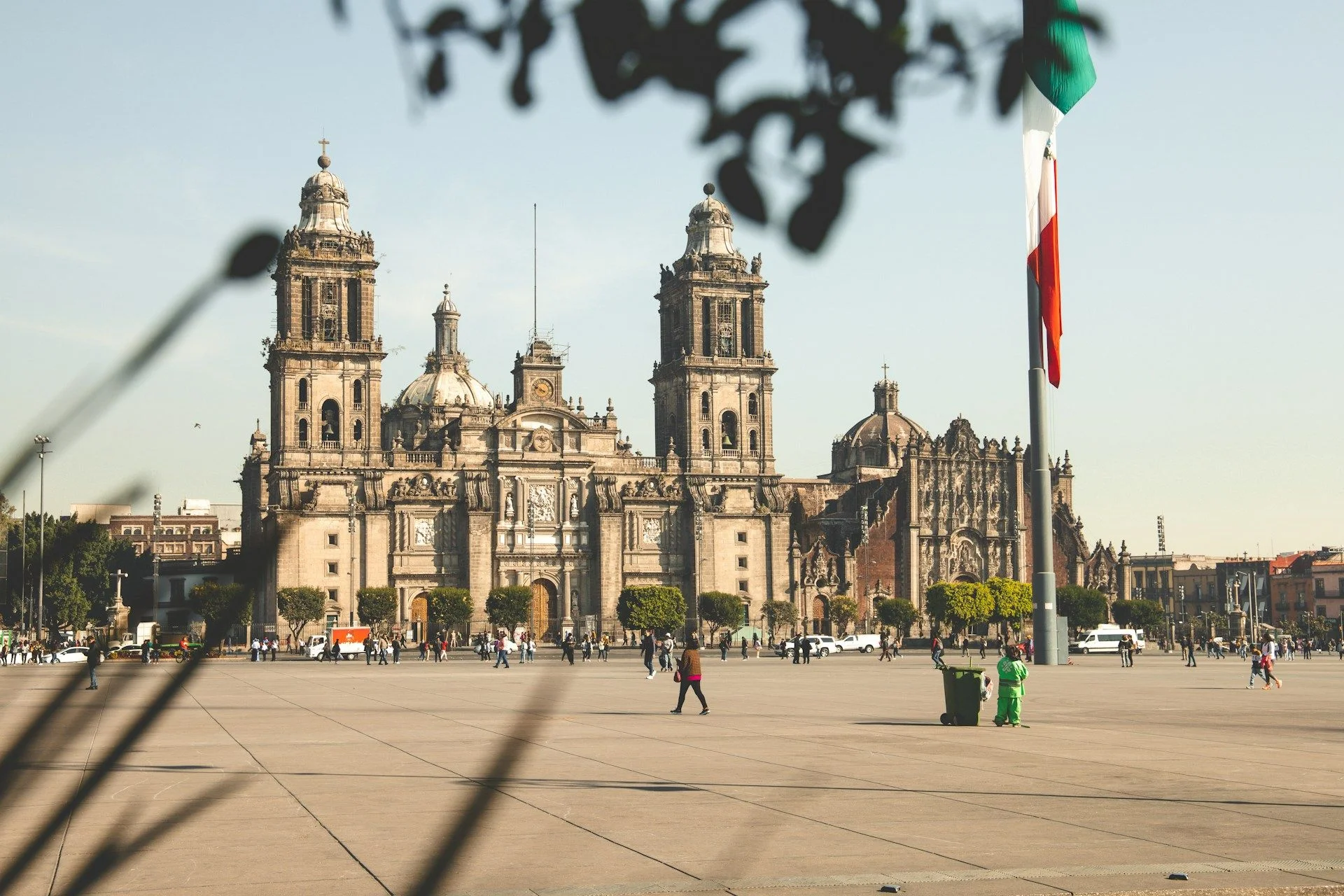
Advantages of traveling
to Mexico


Ancient Maya Ruins
Explore Chichén Itzá’s iconic pyramid, wander Tulum’s cliffside temples, and marvel at Palenque’s jungle-set ruins with expert guides offering immersive historical insights and sunset ceremonial experiences.
Coastal Beach Paradise
Relax on Riviera Maya’s powdery white sands, swim in crystalline cenotes, snorkel along the Mesoamerican Barrier Reef, and stay in eco-resorts offering sustainable marine excursions under Caribbean skies.
Culinary & Culture
Sample Mexico’s rich gastronomy—from street tacos and mole sauces to mezcal tastings—join farmers’ market tours, folkloric dance workshops, and artisan craft demonstrations for authentic cultural immersion.
Ancient Maya Ruins
Explore Chichén Itzá’s iconic pyramid, wander Tulum’s cliffside temples, and marvel at Palenque’s jungle-set ruins with expert guides offering immersive historical insights and sunset ceremonial experiences.
Coastal Beach Paradise
Relax on Riviera Maya’s powdery white sands, swim in crystalline cenotes, snorkel along the Mesoamerican Barrier Reef, and stay in eco-resorts offering sustainable marine excursions under Caribbean skies.
Culinary & Culture
Sample Mexico’s rich gastronomy—from street tacos and mole sauces to mezcal tastings—join farmers’ market tours, folkloric dance workshops, and artisan craft demonstrations for authentic cultural immersion.









Useful articles
and recommendations from experts
Tourism in Mexico: A Complete Guide
Mexico, a land of vibrant contrasts stretching from the sun-drenched beaches of the Caribbean to the snow-capped peaks of the Sierra Madre, offers unparalleled travel experiences in Mexico for every kind of explorer. Tourism in Mexico spans ancient Mesoamerican ruins, colonial towns with baroque cathedrals, world-class culinary scenes, and lush natural sanctuaries teeming with biodiversity. Whether you’re planning a beach escape along the Riviera Maya, a cultural odyssey through Guanajuato’s colorful alleyways, or an eco-adventure in the Copper Canyon, understanding how to visit Mexico ensures a seamless and unforgettable journey. With an extensive domestic flight network, modern highway systems, and efficient long-distance buses, getting around is straightforward. This guide outlines the best tours in Mexico, practical logistics, insider tips, seasonal considerations, and curated recommendations to help you craft a tailor-made itinerary that captures the essence of this multifaceted destination.
Why Mexico is Attractive for Travelers
Mexico’s magnetic appeal lies in its deep cultural roots, natural beauty, and warm hospitality. As the cradle of advanced civilizations like the Maya and Aztec, the country boasts archaeological marvels such as Chichén Itzá, Teotihuacán, and Monte Albán, where guided tours bring ancient stones to life through myth and ceremony. Colonial-era cities—Puebla with its Talavera tile facades, Oaxaca’s UNESCO-listed historic center, and San Miguel de Allende’s pink-hued streets—showcase Spain’s architectural legacy blended with indigenous traditions. Mexico’s coastline spans the Pacific surf breaks of Puerto Escondido, the tranquil cenotes and coral reefs of the Yucatán Peninsula, and the rugged Sea of Cortez islands, each offering water sports and marine wildlife encounters. Mexican gastronomy, recognized by UNESCO as an Intangible Cultural Heritage, invites visitors to sample street tacos made al pastor, mole poblano simmered for days, and fresh ceviche against a backdrop of mezcal palenques. Vibrant festivals—from Dia de los Muertos in Michoacán to Guelaguetza in Oaxaca—illuminate plazas with music, dance, and handcrafted offerings, providing authentic travel experiences in Mexico that resonate long after departure.
Main Types of Tourism in Mexico
Mexico caters to a broad spectrum of tourism styles and best tours in Mexico that align with diverse interests:
Cultural & Heritage Tourism focuses on guided explorations of ancient and colonial sites. In the Yucatán, combine sunrise tours of Chichén Itzá’s Kukulkán Pyramid with cenote swims; in central Mexico, join expert-led walks through Mexico City’s Zócalo, the National Palace murals, and the floating gardens of Xochimilco. Beach & Marine Tourism unfolds on the Caribbean coast—snorkel among nurse sharks at Isla Mujeres and scuba dive beside whale sharks in Holbox—or on the Pacific shores, surf Puerto Escondido’s Mexican Pipeline and kayak through Huatulco’s bays. Adventure & Eco-Tourism includes rappelling into the Sierra Gorda’s waterfalls, zip-lining over the Copper Canyon’s chasms, and bird-watching in the Lacandón rainforest near Palenque. Wellness & Spa Tourism leverages thermal springs in Grutas Tolantongo and hot-spring resorts in Valle de Bravo for hydrotherapy, yoga retreats, and temazcal purification ceremonies. Gastronomic Tourism invites food-focused itineraries with cooking classes in Mexico City’s markets, mezcal tastings in Oaxaca’s boutique distilleries, and seafood tours in Mazatlán’s Mercado Pino Suárez. Festival & Event Tourism peaks during Semana Santa processions in Taxco, the Guelaguetza dance performances in July, and the Cervantino Festival in Guanajuato. By selecting from these main types of tourism in Mexico, visitors customize itineraries that deliver the country’s full cultural and natural panorama.
Unique Attractions and Experiences
Beyond popular highlights, Mexico reveals hidden gems and distinctive travel experiences in Mexico. In the Yucatán’s Puuc region, Uxmal’s Governor’s Palace and the Nunnery Quadrangle present ornate Puuc-style reliefs at sunrise tours with archaeologists. On Mexico’s west coast, eco-lodges on Islas Marietas permit marine-biologist–led snorkeling safaris to hidden “Beach of Love” caves. In central highlands, hot-air balloon flights at dawn over Teotihuacán’s Avenue of the Dead deliver panoramic photographs of sunlit pyramids. The town of Real de Catorce in San Luis Potosí sits atop a remote mesa—reachable via a historic, candlelit mine-tunnel road—and hosts Huichol artisans teaching yarn-painting rituals. In Michoacán, butterfly sanctuaries near Angangueo welcome overwintering monarchs by the millions, with forest-hiking guided by local conservationists. Baroque haciendas in Jalisco’s highlands offer horseback vineyard tours followed by tequila-making workshops. At Coatepec coffee estates near Xalapa, bean-to-cup experiences include harvesting, roasting, and cupping tutorials. These best tours in Mexico extend well beyond beach and ruins, weaving immersive narratives that engage all senses.
Practical Tips for Travelers
Planning how to visit Mexico requires attention to logistics and local customs. Visas & Entry: Citizens of the US, Canada, EU, and many other countries receive a 180-day tourist permit on arrival—no visa required. Currency & Payments: The Mexican peso (MXN) is the national currency; ATMs dispense cash in major cities and tourist zones, though rural areas may require advance cash withdrawal. Credit cards are widely accepted in urban and resort establishments; small towns often prefer cash for market stalls and taxis. Language: Spanish is official; English is common in tourism hubs, but learning basic Spanish phrases (“¿Cuánto cuesta?”, “Gracias”) improves interactions. Transport: Mexico’s domestic airlines (Volaris, Aeroméxico, VivaAerobus) connect major cities and resort airports; long-distance buses (ADO, ETN) offer first-class services with reclining seats, onboard restrooms, and snacks. Car rentals provide flexibility but require cautious driving habits—beware of unmarked speed bumps (topes) and maintain a copy of your driver’s license, passport, and rental agreement. Health & Safety: Tap water is generally not potable outside major hotels—use bottled water for drinking and brushing. Exercise urban vigilance against petty theft: keep valuables secured, use hotel safes, and avoid isolated streets at night. Etiquette: Mexicans value courtesy—address locals with “Señor/Señora” and greet with a handshake or light cheek kiss among women. Tipping of 10–15% in restaurants and small change for service staff is customary. By following these practical Mexico travel tips, visitors ensure safe, respectful, and enjoyable stays.
Seasonal Demand and Visitor Flows
Mexico’s climate zones yield distinct seasonal patterns that influence tourism in Mexico. High Season (December–April): Dry season across central and coastal regions attracts sun-seekers and festival-goers—book beach resorts in Cancún and Los Cabos, and collect spring-break crowds in Playa del Carmen. Shoulder Seasons (May–June, September–October): Hotter temperatures and occasional showers lower hotel rates by up to 30%; Oaxaca’s cultural calendar offers fewer crowds during its boutique culinary festivals. Low Season (July–August): Summer rains dampen afternoons in the Gulf Coast and central highlands but foster lush scenery—ideal for waterfall canyoning and low-season surfing on the Pacific beaches. Event Peaks: Día de los Muertos (early November) transforms cemetery and town squares into candlelit altars; Mexico City’s fiesta draws international interest. The Guelaguetza festival in July brings regional dancers to Oaxaca; the Cervantino arts festival in October fills Guanajuato’s streets with performances. Aligning your visit with these seasonal windows and events allows travelers to experience the best tours in Mexico with optimal weather, cultural immersion, and value.
Travel Planning Recommendations
To craft a seamless Mexican itinerary, integrate these travel planning recommendations:
- Days 1–2 (Mexico City): Explore the Zócalo, National Palace murals, and the Templo Mayor; sample tacos al pastor at Mercado Roma and evening Lucha Libre at Arena México.
- Days 3–4 (Central Highlands & Puebla): Tour Puebla’s cathedral and culinary workshops in mole poblano; day-trip to Cholula’s Great Pyramid and its 365-chapel top church.
- Days 5–7 (Oaxaca & Monte Albán): Stroll Santo Domingo and indigenous markets; visit Monte Albán’s Zapotec ruins; join mezcal distillery tours and night-market tastings.
- Days 8–10 (Yucatán Peninsula): Fly to Mérida, day-trip to Chichén Itzá at sunrise; swim in nearby cenotes; transfer to Tulum for beachfront relaxation and evening visits to Tulum ruins under starlight.
- Optional extension: Days 11–13 in Riviera Nayarit: surf Sayulita, zip-line in the Sierra Madre, and sunset whale-watching off Punta Mita (December–March).
Book domestic flights and archaeological-site tours two to three months in advance for high season. Reserve boutique beachfront accommodations in Tulum and Los Cabos at least four months ahead for peak travel experiences in Mexico. Download offline navigation apps (Maps.me) and messaging apps (WhatsApp) for remote areas. Pack lightweight, quick-dry clothing, sun protection, comfortable walking shoes for ruins, and reef-safe sunscreen for marine activities. Carry a photocopy of your passport and travel insurance covering adventure activities like cenote diving and jungle trekking. By following these strategies on how to visit Mexico, you’ll unlock the country’s most engaging travel experiences in Mexico, ensuring a smooth, enriching, and deeply memorable adventure across this dynamic nation.