











Best offers
in Spain
Secondary real estate in Spain

National market depth
A large national market supports broader demand in Spain, where buyer competition bursts meet long-hold owners and mixed seller timelines, so turnover bands stay legible and listing dates often signal readiness across segments
Fees in totals
Managed building stock is common in Spain, so recurring dues and shared repairs shape totals, while transfer and settlement cost visibility sits alongside association rules baseline and shared areas responsibility language inside listing terms
Comparable confidence
Segmented supply can create thin comps in Spain, so phase-by-phase differences shape ranges, and document pack readiness plus signer authority path clarity supports identifier and boundary consistency that reads cleaner across listings
National market depth
A large national market supports broader demand in Spain, where buyer competition bursts meet long-hold owners and mixed seller timelines, so turnover bands stay legible and listing dates often signal readiness across segments
Fees in totals
Managed building stock is common in Spain, so recurring dues and shared repairs shape totals, while transfer and settlement cost visibility sits alongside association rules baseline and shared areas responsibility language inside listing terms
Comparable confidence
Segmented supply can create thin comps in Spain, so phase-by-phase differences shape ranges, and document pack readiness plus signer authority path clarity supports identifier and boundary consistency that reads cleaner across listings
Property highlights
in Spain, from our specialists
Found: 500

Apartment 4+1 with open parking space in Costa del Azahar, Spain
apartment
49 m2

1

4

27 820 $
Apartment 4+1 with elevator in Alicante, Spain
apartment
47 m2
1
4
48 685 $
House 6+1 with garden in Murcia, Spain
house
104 m2
2
6
71 868 $
Apartment 4+1 with mountain view in Murcia, Spain
apartment
71 m2
1
4
88 096 $
House 2+1 with garden in Granada, Spain
house
25 m2
1
2
88 096 $
Apartment 2+1 with balcony in Murcia, Spain
apartment
42 m2
1
2
112 438 $
Apartment 6+1 with elevator in Murcia, Spain
apartment
71 m2
1
6
113 597 $

Apartment 1+1 surrounded by pine forest
40 m2
On request
1
116 379 $
Apartment 6+1 with open parking space in Zaragoza, Spain
apartment
78 m2
1
6
120 552 $
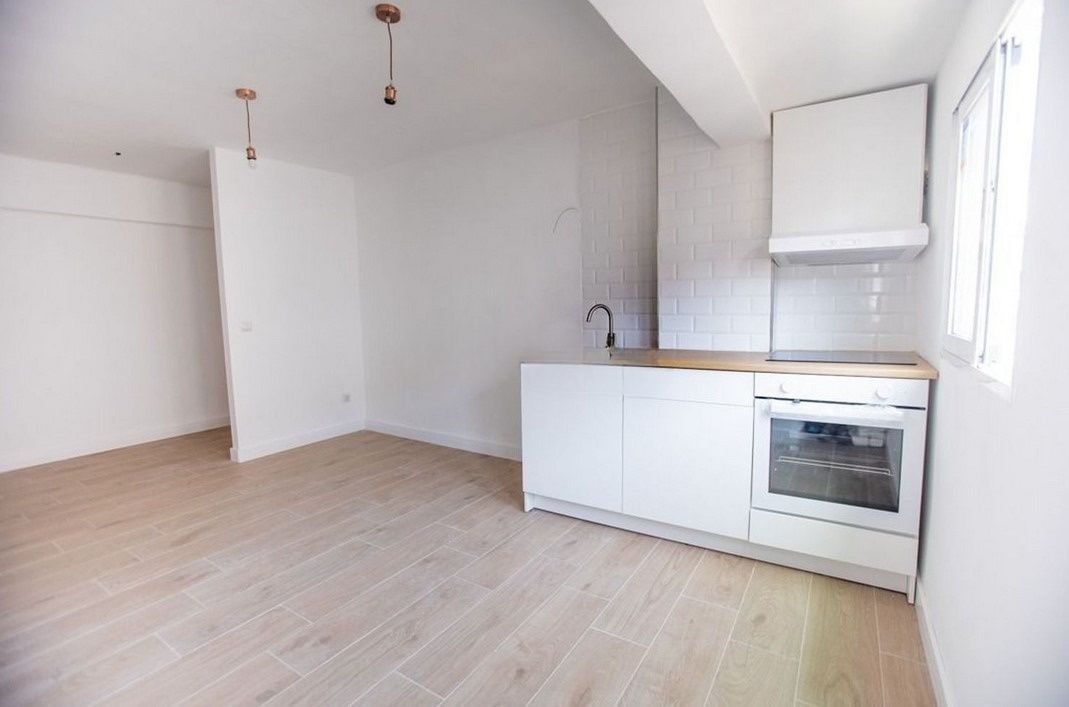
Bright 2+1 apartment in a quiet area in Valencia
57 m2
On request
2
121 132 $


Useful articles
and recommendations from experts
Resale real estate in Spain - fees, comparables, and dates stay readable
Why buyers choose resale in Spain
Spain is often chosen because it offers a mature market with multiple demand drivers that do not depend on a single cycle. A strong services economy, major urban centers, coastal corridors, and second-home demand signals can all sit in the same national picture, supporting more than one buyer track.
Resale appeals because existing homes already show how ownership formats behave in real conditions. The listing story often carries clearer scope language, a more visible history of obligations, and terms that make the all-in picture easier to interpret without relying on assumptions.
In the resale housing market in Spain, activity can concentrate in specific segments while other segments remain steady. When buyer competition bursts meet long-hold owners with mixed seller timelines, turnover can tighten in a band, and the shift often appears through dates wording and readiness phrasing.
Another advantage is the ability to read comparables within defined tracks. A national market can provide enough reference points for like-with-like grouping, so asking levels tend to feel more interpretable as positioning inside a segment rather than as a standalone headline.
Resale real estate in Spain often feels confidence-forward when the paperwork narrative and listing narrative match in tone and detail. Where identifiers, boundaries, and obligations are stated consistently, the decision basis becomes structured across rotating inventory.
Who buys resale in Spain
Buyer demand usually splits into tracks based on how the property will be held and how the location is used as a base. Some purchasers prioritize stable long-hold ownership patterns, while others focus on clear terms and an interpretable totals picture across multiple options.
Many searches begin broadly with homes for sale and then narrow once format becomes the main divider. Managed formats can emphasize ongoing obligations, while more independent formats can place more weight on written scope and boundary language that defines what is included.
Another track is driven by market readability. These buyers prefer listings where identifiers remain consistent across the file set and where the written description does not drift between summary and terms, so comparable sets remain coherent even when the wider range is broad.
Seller profiles can be mixed. Long-hold owners may list alongside sellers operating on shorter timelines, and that blend can create different timing rhythms across segments. Listings often express the rhythm through neutral dates language rather than dramatic framing.
Across resale property in Spain, the common preference is clarity on what is included, which obligations apply, and how the timeline is presented in writing so choices stay comparable over time.
Property types and asking-price logic in Spain
The national resale mix spans apartments in managed buildings, house-led formats, and a wide range of stock ages and phases. Asking logic becomes more readable when these are treated as separate tracks, because each track can express totals and scope in different ways even when headline figures look similar.
In managed tracks, the asking figure is only one component of totals. Recurring dues, shared repairs concepts, and coverage notes can separate options that appear close at first scan, and those differences often explain why bands diverge within the same broad segment.
House-led tracks often lean more on written scope and boundary wording to define what is included. Where identifiers remain stable and descriptions stay consistent, comparables tend to sit in clearer reference sets and the asking structure reads more coherently inside the segment.
Phase-by-phase differences can shape ranges across many parts of the country. Newer phases can behave as their own comparable sets, while established stock can follow a different rhythm, so similar surface profiles can still sit in different value bands without breaking market logic.
Some buyers focus on houses for sale and notice that ranges can separate sharply by file completeness and readiness language. Others center on resale apartments in Spain and interpret pricing bands through how obligations and scope are stated in the terms rather than through surface similarity.
For a wide scan of real estate for sale, the most stable read often comes from grouping by format baseline, phase context, and totals structure first, then interpreting asking levels as segment positioning within that reference set.
Legal clarity and standard checks in Spain
A calm resale decision rests on a simple principle. The scope described in terms should match what the title record supports, and the listing narrative should remain consistent with the paperwork narrative so the file reads as one coherent story.
Standard checks commonly include an ownership extract review, a title record review, and an encumbrance check so restrictions and charges are understood in sequence. This keeps the transaction narrative structured while staying market-level rather than turning into a legal manual.
Identifier consistency is central to clean comparables. When unit references, parcel references, and written descriptions remain consistent across documents, it becomes easier to place a listing into the correct reference set and interpret the asking figure within its segment.
Boundary wording matters because it defines what is included in scope. When boundary language stays coherent across the file set, like-with-like matching remains reliable and the listing reads as a stable summary rather than a shifting description.
In managed formats, fee schedules and coverage notes influence totals interpretation. Clear coverage language supports a steadier all-in picture, especially where shared responsibilities and ongoing obligations define the cost baseline across similar listings.
Areas and market segmentation in Spain
Segmentation is most useful when treated as market tracks rather than as a neighborhood guide. One core split is managed versus non-managed baseline, because responsibility models and recurring cost patterns influence totals differently across these segments.
A second split is phase-based. Established stock and newer phases can form distinct comparable sets, which is why the national range can look wide until phase differences are treated as boundaries between reference groups. Once phases are separated, asking structure often reads more clearly within each band.
Another segmentation layer is seller profile rhythm. Some segments see compact turnover when demand concentrates, while other segments remain steadier and price discovery moves more gradually. The difference is often expressed through dates phrasing and readiness language rather than dramatic positioning.
Entry, mid, and premium segments usually appear as concepts rather than exact numbers. In a national market, these concepts often align with format baseline, phase context, and totals structure, which keeps decisions consistent without micro-location detail.
Buyers looking for residential property for sale often find segmentation becomes clearer once obligations baseline and written scope are read together. When those elements are stated consistently, broad inventory resolves into understandable tracks with comparable expectations.
Resale vs new build comparison in Spain
Resale is often preferred when buyers want the operating baseline to be visible. Existing homes show how obligations are described in writing, how shared responsibilities are framed, and how comparable behavior settles into reference tracks over time.
New build can appeal for modern delivery and a fresh start, yet it can rely more on phase positioning and expected outcomes than on an already visible baseline. Resale often provides earlier clarity because terms usually state what is included and how ongoing obligations are framed.
A practical comparison point is totals visibility. Managed resale can express recurring obligations and coverage notes in a way that supports a clearer all-in picture, while non-managed resale often places more emphasis on stable boundary wording and scope language that supports comparables.
Many searches begin with property for sale across both resale and new build, then narrow once format, phase context, and written scope become clearer. That refinement is where resale can provide a calmer decision basis because the listing narrative and paperwork narrative can be read together as one story.
How VelesClub Int. helps buyers browse and proceed in Spain
VelesClub Int. supports buyers by presenting resale inventory in a structure that keeps key track signals visible early. In a national market with diverse formats and phases, ranges can look broad unless listings are read within comparable sets that share the same totals structure and scope language.
A consistent browsing approach keeps attention on the elements that define clarity. Identifiers and boundary wording support scope interpretation, while obligations language supports totals interpretation. When those pieces are readable across options, asking levels become easier to place within the correct segment.
Some buyers approach the market through apartments for sale searches and then narrow toward managed baselines with clearer totals cues. Others start with format preferences and focus on listings where the file narrative feels coherent across terms and attachments, supporting steadier comparables within a track.
The practical outcome is that each listing can be evaluated as a coherent statement of scope, totals cues, and dates language. This supports steady decisions as inventory rotates and as comparable sets shift across phases and formats within resale real estate in Spain.
Frequently asked questions about buying resale in Spain
Which version should govern when two drafts circulate?
What to check is which document is marked as the latest agreed version, what to verify is that clauses and attachments match that version, what to avoid is mixing wording from earlier drafts, then pause and clarify before any signature step
What should be done if a consent is referenced but missing?
What to check is whether written approvals apply to transfer or prior changes, what to verify is that consent scope matches the stated scope in the terms, what to avoid is relying on informal assurances, then pause and clarify until documentation is complete
How should mismatched identifiers across documents be handled?
What to check is the unit and parcel references on each page, what to verify is that the same identifiers appear across terms and attachments, what to avoid is proceeding with partial matches, then pause and clarify until consistency is restored
How should inconsistent boundary wording be treated?
What to check is boundary wording in the recorded description and any plan notes, what to verify is that the written scope uses the same boundary language, what to avoid is assuming scope from informal phrasing, then pause and clarify when wording differs
How do missing fee schedules or coverage notes affect totals reading?
What to check is whether a current fee schedule and coverage notes are provided, what to verify is what is covered versus excluded and how shared repairs are described in writing, what to avoid is treating headline dues as complete totals, then pause and clarify when coverage is not stated
What is required when signer authority scope is unclear?
What to check is who is signing and the stated basis of authority, what to verify is documented authority scope that matches the transfer terms, what to avoid is accepting signatures without written capacity, then pause and clarify until authority is evidenced
What should be done if a handover plan is not stated in writing?
What to check is what is included at handover and the stated timing position, what to verify is that responsibilities and condition wording appear in the terms, what to avoid is informal handover assumptions, then pause and clarify until the plan is explicit
Conclusion - how to use listings to decide in Spain
A reliable way to decide is to treat each listing as a statement of segment, totals structure, and readiness language, then connect that statement to the ownership record narrative and the supporting file story. This keeps choices comparable across mixed formats and phases.
Comparable reading works best when matched by format baseline, obligations baseline, and phase context. Wide-looking ranges then become readable bands, and differences can be interpreted as segment separation rather than noise within the resale housing market in Spain.
A steady habit is separating headline figures from totals implied by recurring obligations and written scope language. This supports consistent decisions across house-led and managed segments, including when buyers plan to buy apartment on the resale market in Spain as a focused track.
Over time, the most stable approach is using the same lens on every option: written scope, obligations baseline, comparables fit, and dates language inside terms. Used consistently, this makes choices calmer and more comparable across resale property in Spain and across resale apartments in Spain.