
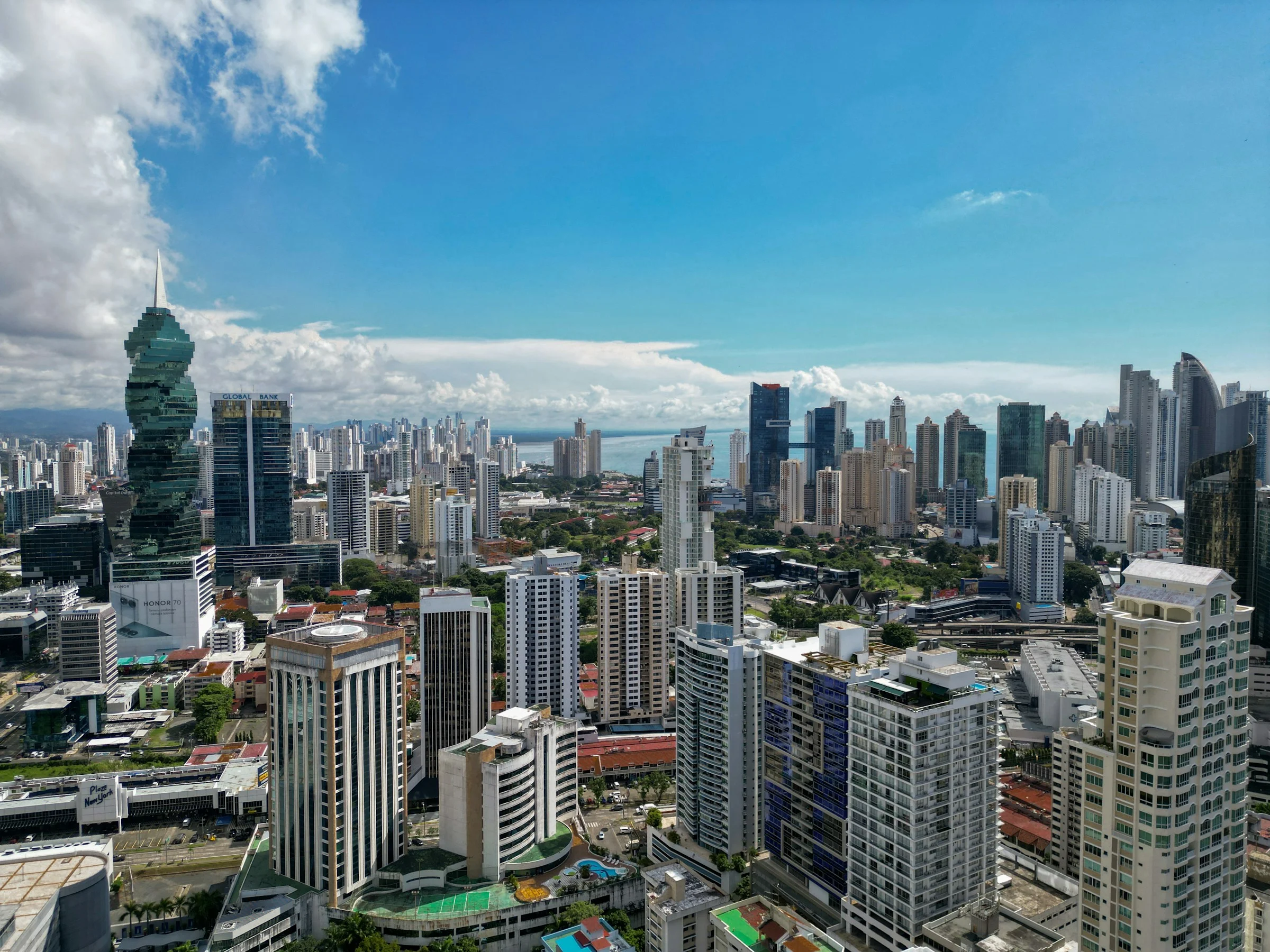
Secondary real estate in Panama CityCoastal skyline with global flow and tax appeal
Best offers
in Panama City
Resale real estate in Panama City

Stock Layers
Panama City resale pricing stays readable where apartment formats and building eras repeat, allowing buyers to compare similar units across projects while avoiding distortions caused by mixing towers with different delivery timelines
Buyer Mix
Combination of local households, regional movers, and international buyers sustains resale demand, while negotiations work best when ownership structure, condition baseline, and building format align within one segment
Timing Control
Panama City secondary transactions follow established verification routines, helping buyers plan control points, keep timing predictable, and focus decisions on documentation alignment rather than development-stage uncertainty
Stock Layers
Panama City resale pricing stays readable where apartment formats and building eras repeat, allowing buyers to compare similar units across projects while avoiding distortions caused by mixing towers with different delivery timelines
Buyer Mix
Combination of local households, regional movers, and international buyers sustains resale demand, while negotiations work best when ownership structure, condition baseline, and building format align within one segment
Timing Control
Panama City secondary transactions follow established verification routines, helping buyers plan control points, keep timing predictable, and focus decisions on documentation alignment rather than development-stage uncertainty


Useful articles
and recommendations from experts
Secondary real estate in Panama City - Stock diversity creates multiple buyer entry points citywide
Why the secondary market works in Panama City
The secondary housing market in Panama City plays a central role in residential transactions. Buyers rely on resale to access completed apartments with defined ownership history and visible condition baselines
Housing stock is layered by tower format, construction era, and unit size. These layers support comparability when buyers stay within one segment
Many searches start with phrases like "real estate in" Panama City and naturally move toward resale once buyers focus on completed properties rather than delivery projections
Regular ownership turnover maintains steady secondary supply. Household moves, investment rebalancing, and relocation decisions contribute to active resale flow
This structure explains why secondary real estate in Panama City remains accessible and readable across multiple buyer profiles
Who buys on the secondary market in Panama City
Buyer demand includes local households upgrading or reallocating, regional buyers relocating for work, and international purchasers seeking established assets
Some buyers treat real estate as a long-term asset. Resale apartments in Panama City offer visibility into building operation, ownership records, and documented condition
Other buyers focus on timing control, preferring completed units where documentation and ownership status are already aligned
Demand is strongest where apartment layouts repeat and building documentation is standardized
This mix supports a resilient secondary housing market across the city
Property types and price logic in Panama City
Secondary supply is dominated by apartments in mid-rise and high-rise buildings. Each format follows its own pricing logic based on age, scale, and management structure
Price clarity improves when buyers compare like-for-like units within the same building class and era. Resale property in Panama City benefits from visible transaction benchmarks
The phrase all real estate may imply a single market, but pricing varies meaningfully by building category and condition baseline
Units with original finishes, partial upgrades, and full renovations trade in separate ranges
Buyers planning to buy apartment on the secondary market in Panama City benefit from defining format and condition expectations before negotiation
Legal clarity in secondary purchases in Panama City
Secondary transactions follow a structured verification flow designed to keep execution predictable
Buyers typically confirm an ownership extract, title record, encumbrance check, and registered occupants check as part of the standard sequence
Where building management or shared ownership applies, consent checks and document alignment are addressed early
Treating real estate as a document set helps avoid last-minute changes. When gaps appear, it is best to pause and clarify
This process supports structured execution across most resale apartments in Panama City
Areas and market segmentation in Panama City
Panama City is best understood through building-led segmentation rather than micro-locations. Coastal towers, central residential zones, and mixed-use areas form distinct resale tiers
High-density apartment zones show stronger comparability, while mixed-use areas require tighter format alignment
The term real sale sometimes appears in marketing, but resale efficiency depends on documentation clarity and segment discipline rather than urgency
Buyers who align with one segment early can avoid mismatched documents and avoid delays
Resale apartments in Panama City remain active because each tier serves a defined buyer group
Secondary vs new build comparison in Panama City
New construction is visible across the city, but resale provides access to completed units with known ownership status
Resale pricing is easier to validate because it reflects completed transactions rather than future delivery assumptions
Some buyers search for the best real estate and assume new builds provide certainty. In Panama City, certainty often comes from established towers with verified documentation
Secondary housing supports value alignment when buyers select units that already meet market expectations
Both paths work when comparisons remain structured and verification steps are followed
How VelesClub Int. helps with secondary purchases in Panama City
After understanding the market structure, buyers can move from analysis to browsing secondary listings on VelesClub Int., connecting insight with available options
The platform includes secondary listings, including owner-submitted secondary listings, reflecting how the Panama City resale market operates
VelesClub Int. supports structured comparison by building type and segment, helping buyers focus on like-for-like units and maintain clean execution
For buyers exploring phrases like "new real estate listings today", the platform provides a calm framework built around aligned dossiers and standard control points
Frequently asked questions about secondary real estate in Panama City
How should I compare resale apartments across different buildings?
Verify that building type, construction era, and condition baseline match, and pause and clarify when formats differ to avoid rework
What documents are normally checked in a resale purchase?
Confirm ownership extract, title record, encumbrance check, and registered occupants check, clarifying gaps early to avoid delays
Does building age affect pricing?
Yes, age influences condition baseline and pricing range, so comparisons should stay within the same era
Is resale timing predictable in Panama City?
Timing is generally predictable when ownership and documentation are aligned early
How should I use searches like "real estate close to me"?
Use them as a starting point, then verify building category and documentation to avoid comparing unrelated units
What if a unit is part of a managed building?
Confirm management rules and consent requirements early, and pause and clarify if anything conflicts with ownership plans
Conclusion - understanding the secondary market in Panama City
Secondary real estate in Panama City works because layered building stock, repeat apartment formats, and steady buyer demand support clear pricing and predictable execution
A structured approach focused on segment discipline, condition baseline, and documentation helps buyers avoid delays and avoid mismatched documents
With this understanding, buyers can confidently browse listings on VelesClub Int., including owner listings, and move from market insight to structured action