
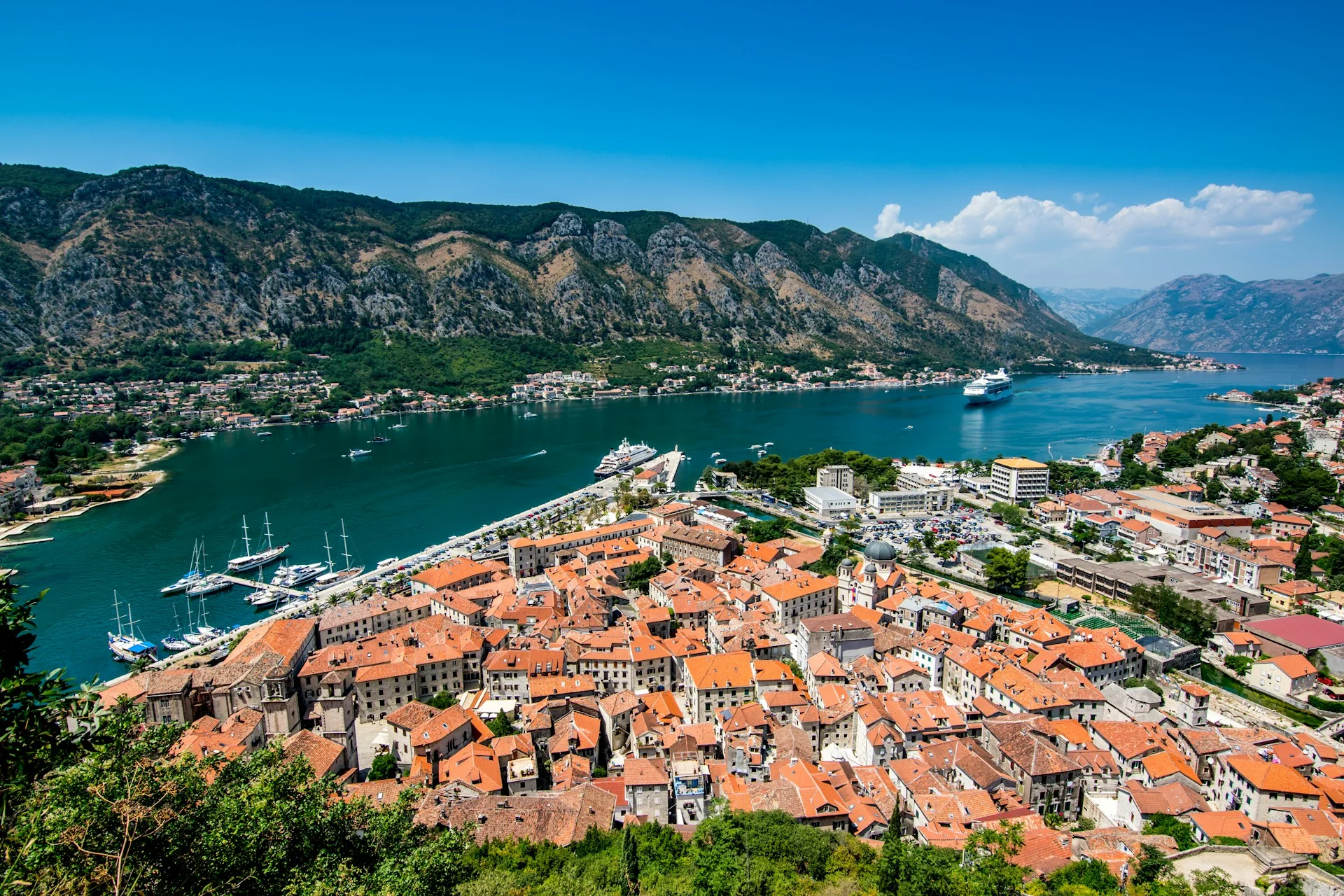
Quality Second-Hand Real Estate in KotorScenic real estate along curved coastline
Best offers
in Kotor
Secondary real estate in Kotor

Year round living
Secondary real estate in Kotor is largely occupied by permanent residents and long-term owners, reflecting everyday living and local routines rather than short-term holiday-only use
Selective demand
The secondary housing market in Kotor attracts local households, regional buyers, and international residents seeking resale apartments and houses in established historic and residential zones
Documented ownership
Resale transactions in Kotor rely on registered ownership and clear cadastral records, and buyer safety increases when permits and usage rights are verified with guidance from VelesClub Int.
Year round living
Secondary real estate in Kotor is largely occupied by permanent residents and long-term owners, reflecting everyday living and local routines rather than short-term holiday-only use
Selective demand
The secondary housing market in Kotor attracts local households, regional buyers, and international residents seeking resale apartments and houses in established historic and residential zones
Documented ownership
Resale transactions in Kotor rely on registered ownership and clear cadastral records, and buyer safety increases when permits and usage rights are verified with guidance from VelesClub Int.
Property highlights
in Montenegro, Kotor from our specialists
Found: 25
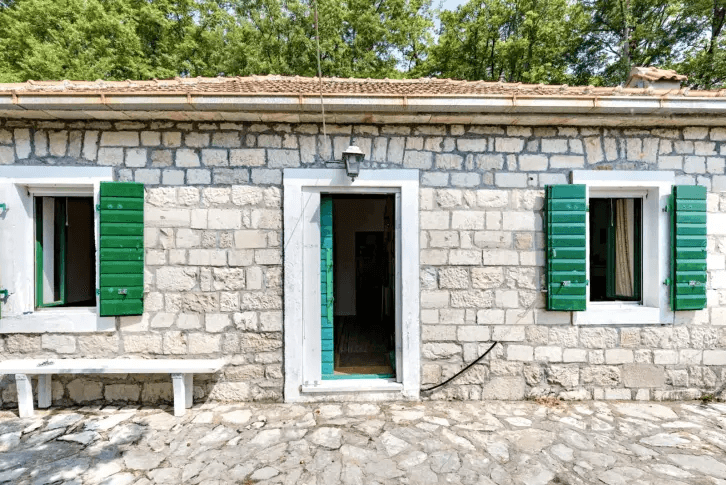
Stone house 2+1 in Gornji Morinj, Kotor district
100 m2

On request

2

141 185 $
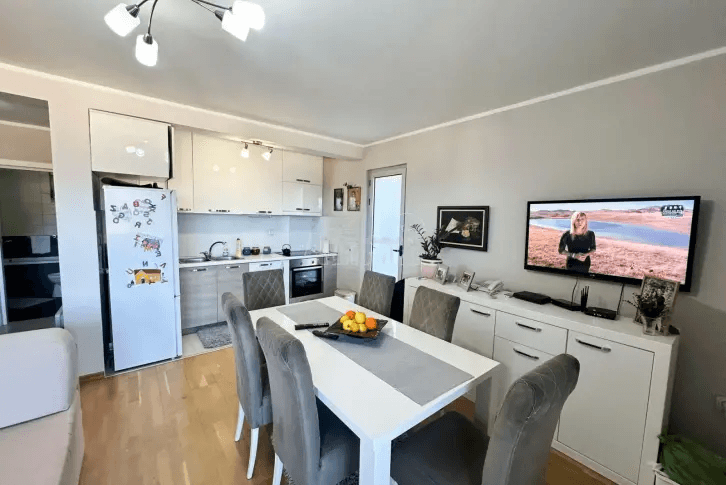
Cozy 1+1 apartment with sea views in Kotor
50 m2
On request
1
146 981 $
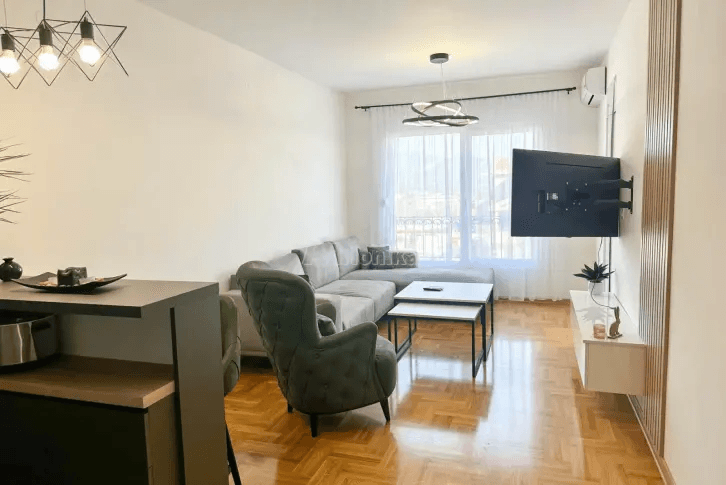
Furnished apartments 1+1 in Kotor
46 m2
On request
1
158 804 $
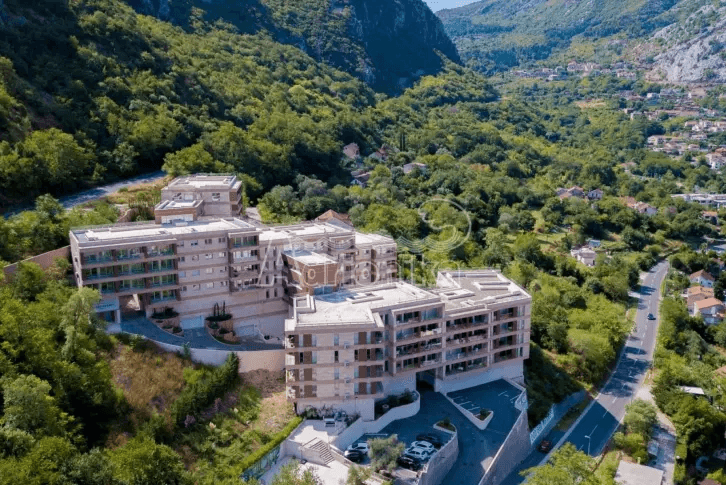
Apartment 1+1 renovated in Kotor
37 m2
On request
1
164 020 $

Studio 38 m2 in Old Town of Kotor, Montenegro
apartment
38 m2
1
1
205 319 $
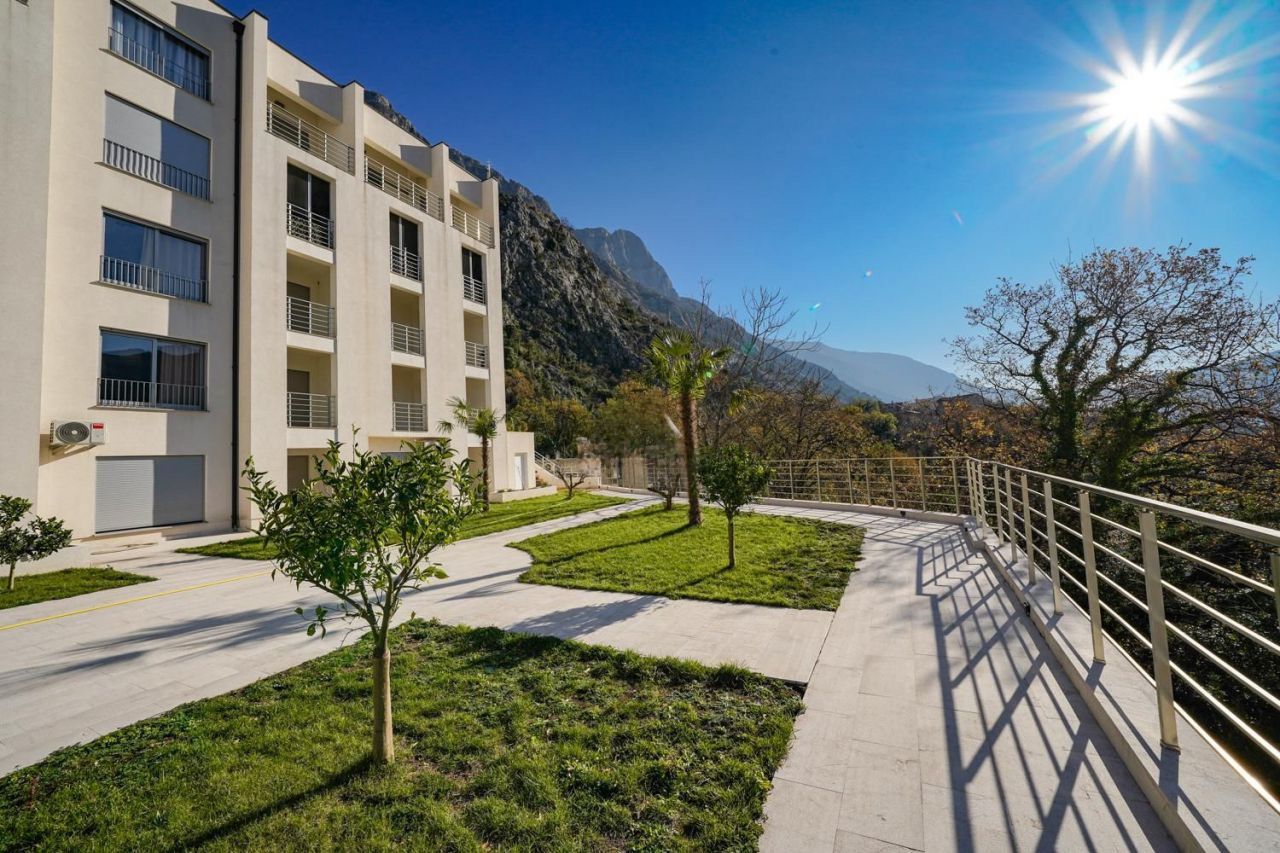
Apartment 2+1 with view terrace in Kotor, Montenegro
apartment
58 m2
2
2
210 502 $
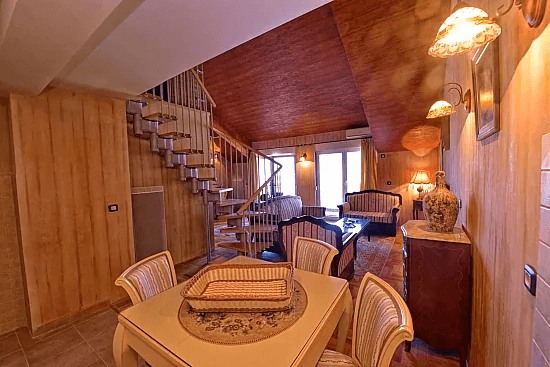
Apartment 2+1 in the Skaljari area of Kotor, Montenegro
apartment
79 m2
2
2
217 573 $
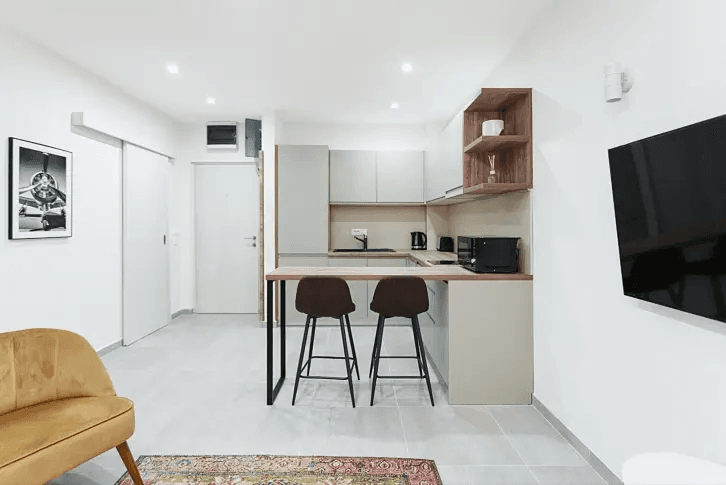
Studio 31 m2 in new complex of Kotor, Montenegro
apartment
31 m2
1
1
223 485 $
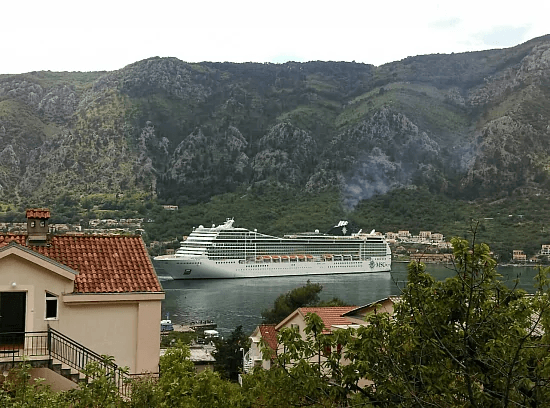
Apartment 2+1 near the historical town of Kotor
68 m2
On request
2
252 695 $
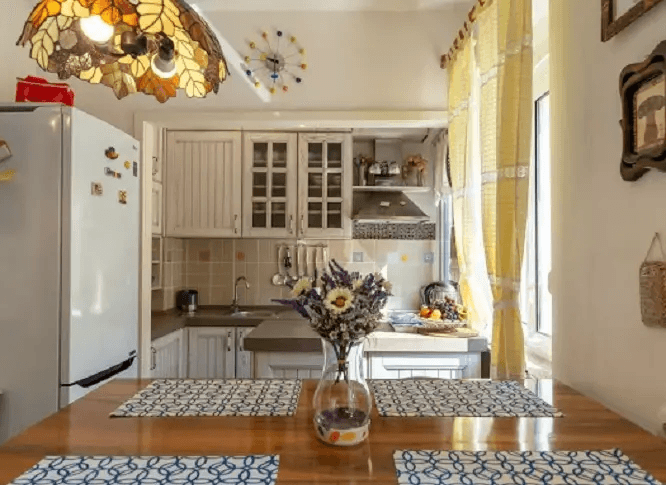
Magnificent 2+1 apartment with designer renovation in the center of Kotor
77 m2
On request
2
259 998 $


Useful articles
and recommendations from experts
Secondary real estate in Kotor of Montenegro - understanding the resale market in a historic bay city
Why the secondary market works in Kotor of Montenegro
Secondary real estate in Kotor of Montenegro represents the backbone of the local housing market. Due to strict construction limits linked to heritage protection and geography, new development is constrained, making resale property the main path to ownership.
The city’s role as an administrative, cultural, and residential center within the Bay of Kotor supports consistent demand that is not limited to tourism seasons.
Resale property allows buyers to clearly evaluate access roads, parking availability, utilities, and daily logistics in a city where urban layout is shaped by history and terrain.
Most properties come to market due to family changes, inheritance, or relocation rather than speculative turnover, contributing to measured price behavior.
The secondary housing market in Kotor functions as a stable, usability-driven environment grounded in real residential needs.
Who buys on the secondary market in Kotor of Montenegro
Local residents purchase resale apartments and houses to remain close to employment, schools, and municipal services.
Regional buyers from neighboring countries seek secondary property for long-term stays rather than short holiday use.
International buyers are typically lifestyle-driven, prioritizing legally secure property with clear usage rights and established infrastructure.
Investor activity exists but is cautious, focusing on properties with predictable long-term rental potential rather than rapid resale.
Across all buyer groups, decisions are driven by location practicality, legal clarity, and real-world living conditions.
Property types and price logic in Kotor of Montenegro
Secondary real estate in Kotor includes apartments in historic buildings, low-rise residential blocks, stone houses, and hillside homes overlooking the bay.
Pricing varies significantly based on proximity to the old town, waterfront access, and transport connectivity.
Older properties may command higher prices due to location but require careful assessment of structure, utilities, and renovation permissions.
Parking availability, access for vehicles, and elevation play a major role in liquidity and value.
Buyers evaluate renovation pragmatically, prioritizing structural soundness and permit compliance over cosmetic appeal.
Legal clarity in Kotor of Montenegro
Legal verification is critical when buying secondary real estate in Kotor of Montenegro, especially given historic zoning restrictions.
Buyers must confirm registered ownership in the cadastre and ensure that the seller has full authority to sell.
Property boundaries must align with cadastral records, particularly for older stone houses and subdivided buildings.
Renovation and usage permits are essential, as heritage protection rules may limit alterations.
VelesClub Int. supports buyers by organizing document checks and compliance review before transaction commitment.
Areas and neighborhoods in Kotor of Montenegro
Kotor’s market varies sharply between the old town, nearby residential districts, and hillside areas surrounding the bay.
Historic zones offer high desirability but limited parking and stricter renovation rules.
Residential neighborhoods outside the old town provide better access and more practical living conditions.
Hillside properties offer views and privacy but require evaluation of road access and infrastructure reliability.
Understanding these internal differences is essential when assessing secondary real estate in Kotor of Montenegro.
Secondary vs new build in Kotor of Montenegro
New construction in Kotor is limited due to geographic and heritage constraints.
Secondary real estate provides immediate usability, verified integration into the city, and established legal status.
For buyers prioritizing certainty, location realism, and reduced regulatory risk, resale property remains the rational choice.
How VelesClub Int. in Kotor of Montenegro helps you buy secondary property
VelesClub Int. assists buyers in Kotor by verifying ownership records, cadastral alignment, and permit compliance.
Buyers are guided to assess property usability, access, parking, and long-term living practicality.
VelesClub Int. coordinates legal review and transaction structure to reduce risk in a regulated market environment.
Frequently asked questions about secondary market in Kotor of Montenegro
Can foreign buyers purchase secondary property in Kotor?
Yes, but buyers must ensure full cadastral registration and compliance with local land-use and heritage regulations.
Are old town properties harder to manage?
They often involve stricter renovation rules, limited access, and higher maintenance, which should be evaluated before purchase.
Is parking an important factor in resale value?
Yes. Properties with confirmed parking or vehicle access typically show stronger liquidity.
Do resale properties require special permits for renovation?
In many cases, yes. Buyers should verify renovation permissions in advance, especially in protected zones.
What can delay resale transactions in Kotor?
Unclear boundaries, missing permits, or unresolved ownership records are the most common causes.
Are prices consistent across the city?
No. Proximity to the old town, bay views, and access significantly affect pricing.
Conclusion - you understand the market in Kotor of Montenegro
Secondary real estate in Kotor of Montenegro reflects a constrained, resident-focused market shaped by history, geography, and regulation.
Understanding legal checks, neighborhood variation, and practical usability allows buyers to move forward with confidence.
Explore resale property in Kotor, and when ready, continue to listings and start a conversation with VelesClub Int. to proceed correctly.