
Second-Hand Realty Listings in BudvaProperty in Montenegro resort capital
Best offers
in Budva
Secondary real estate in Budva

Coastal density
Budva resale housing is shaped by dense coastal apartment stock, mixed-use residential buildings, and completed resort-style developments, giving buyers access to finished units with established management patterns and clear operational history
High turnover
Liquidity in Budva is supported by constant buyer turnover from residents, investors, and seasonal owners, with resale apartments moving efficiently when pricing, condition, and documentation match the expectations of each demand segment
Standard controls
Secondary transactions in Budva are most predictable when standard control points are followed, including title record confirmation, encumbrance checks, registered occupant verification, and timely clarification of delegated authority where applicable
Coastal density
Budva resale housing is shaped by dense coastal apartment stock, mixed-use residential buildings, and completed resort-style developments, giving buyers access to finished units with established management patterns and clear operational history
High turnover
Liquidity in Budva is supported by constant buyer turnover from residents, investors, and seasonal owners, with resale apartments moving efficiently when pricing, condition, and documentation match the expectations of each demand segment
Standard controls
Secondary transactions in Budva are most predictable when standard control points are followed, including title record confirmation, encumbrance checks, registered occupant verification, and timely clarification of delegated authority where applicable
Property highlights
in Montenegro, Budva from our specialists
Found: 42
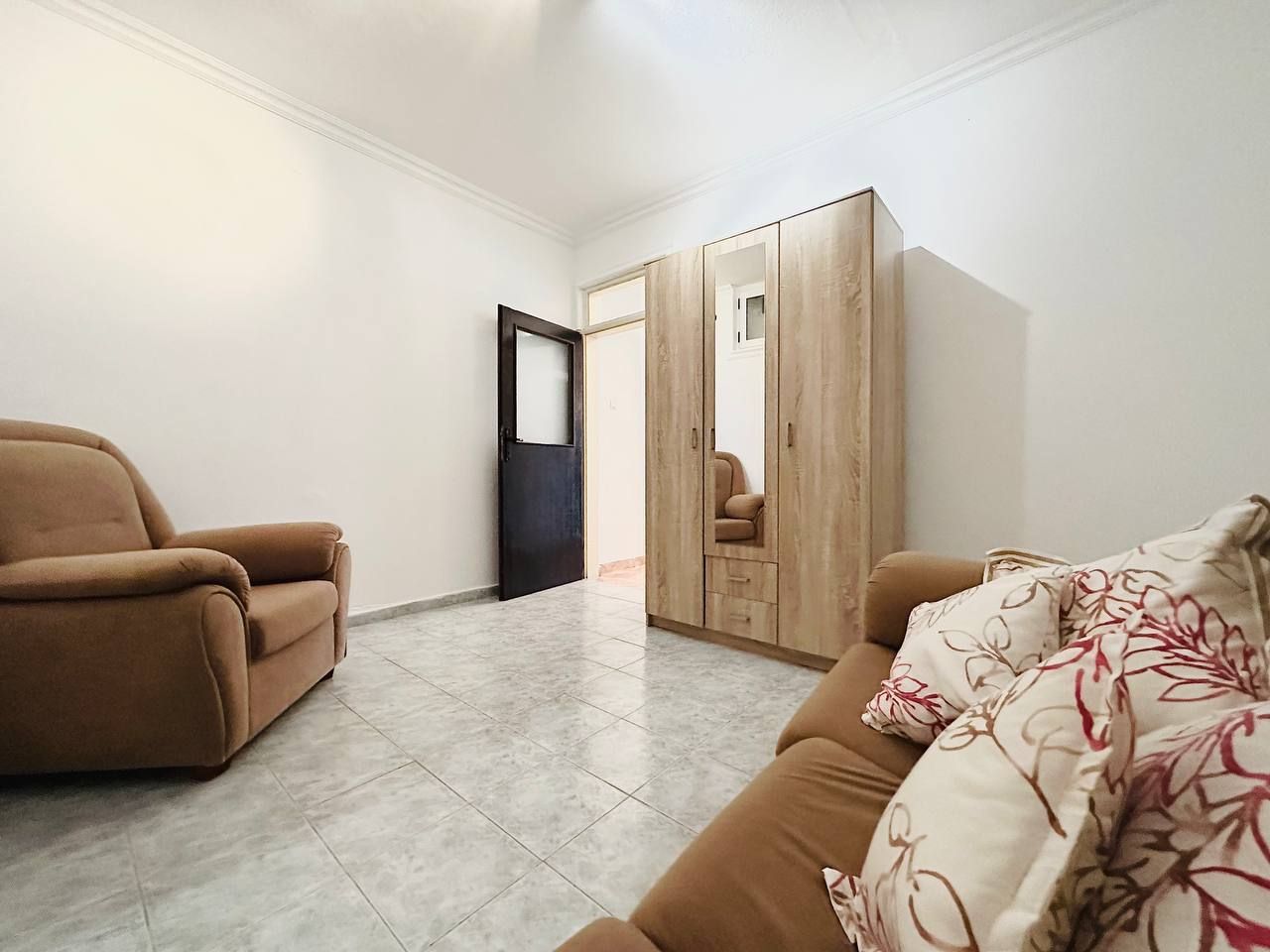
Apartment 1+1 with furniture in Budva
50 m2

On request

1

88 212 $
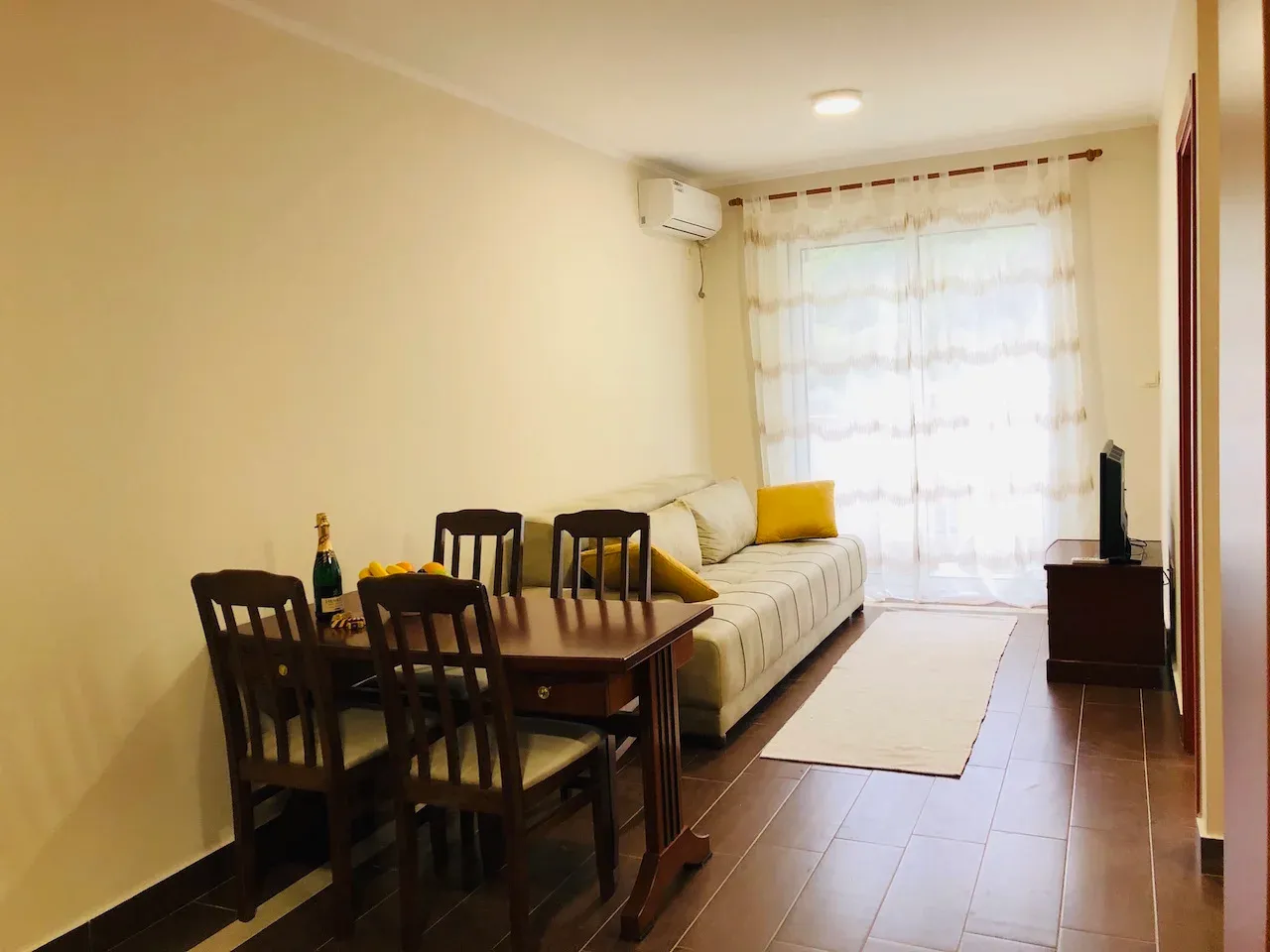
Modern apartments 1+1 in Budva
37 m2
On request
1
94 123 $
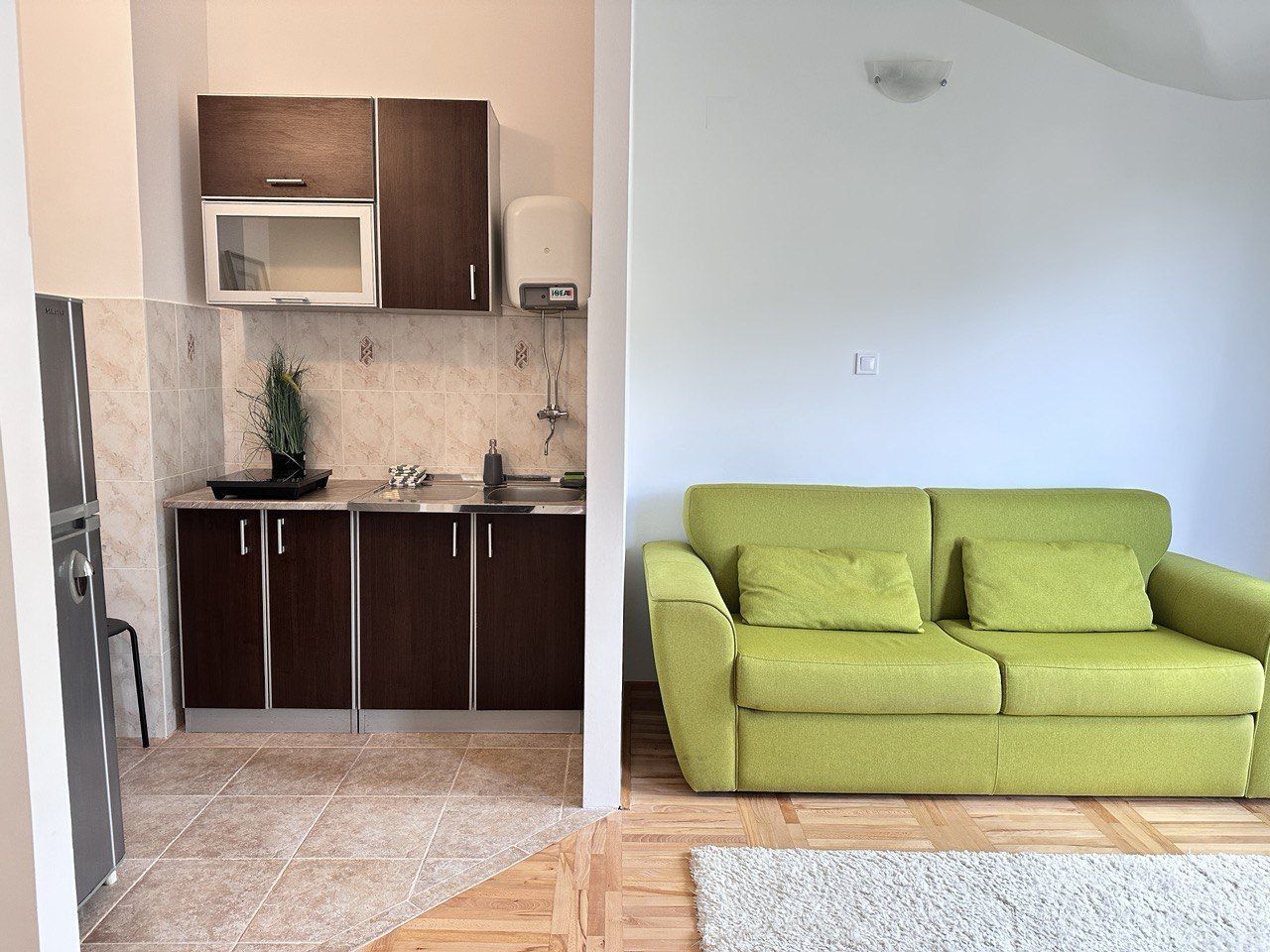
Cozy apartment 1+1 with sea views in Budva
33 m2
On request
1
94 123 $

Apartment 1+1 with excellent microclimate in Budva
39 m2
On request
1
106 410 $
Wonderful 1+1 apartment with a convenient layout in Budva
43 m2
On request
1
111 743 $
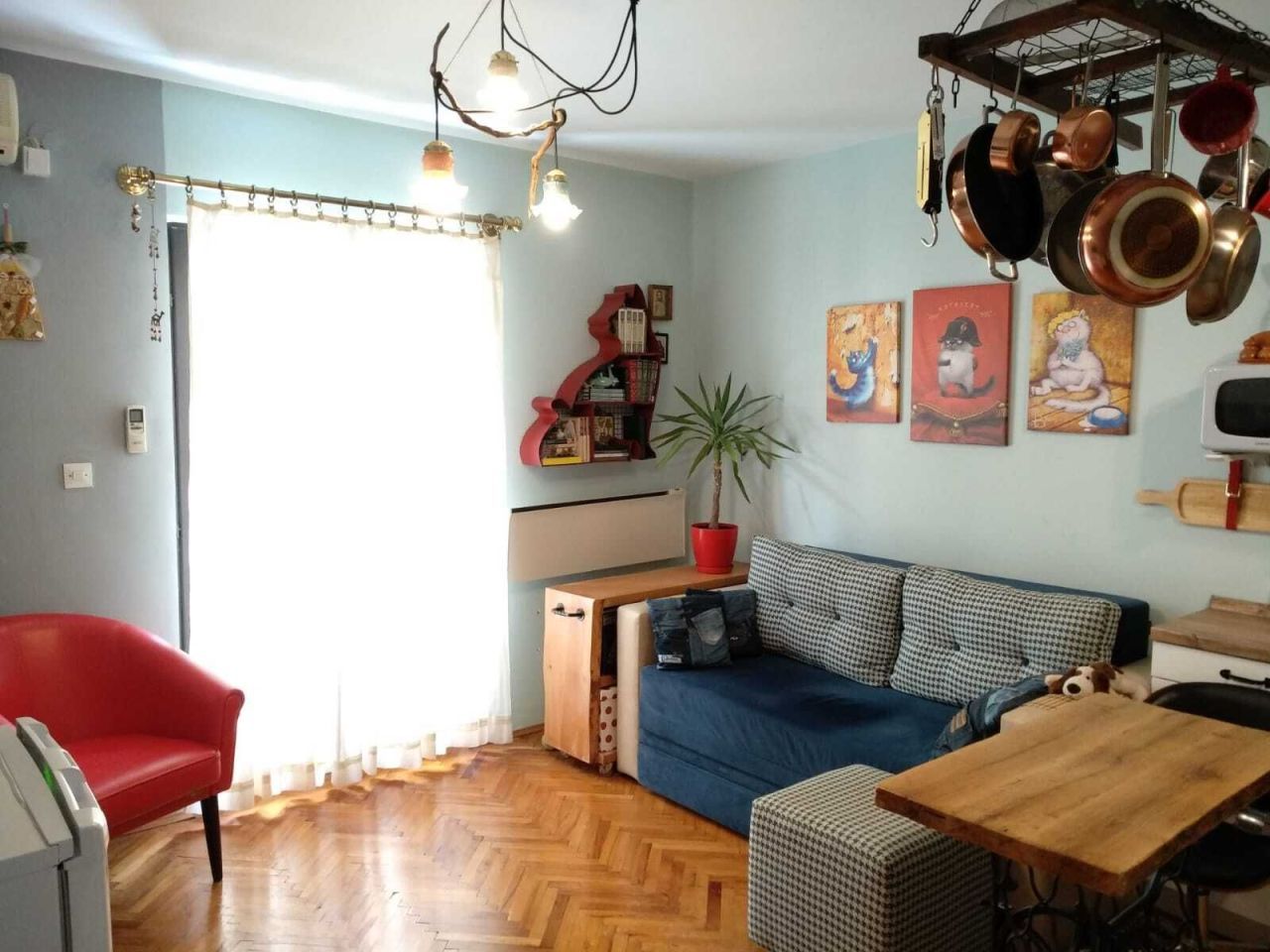
Small apartment 1+1 in a quiet area of Budva
37 m2
On request
1
114 756 $
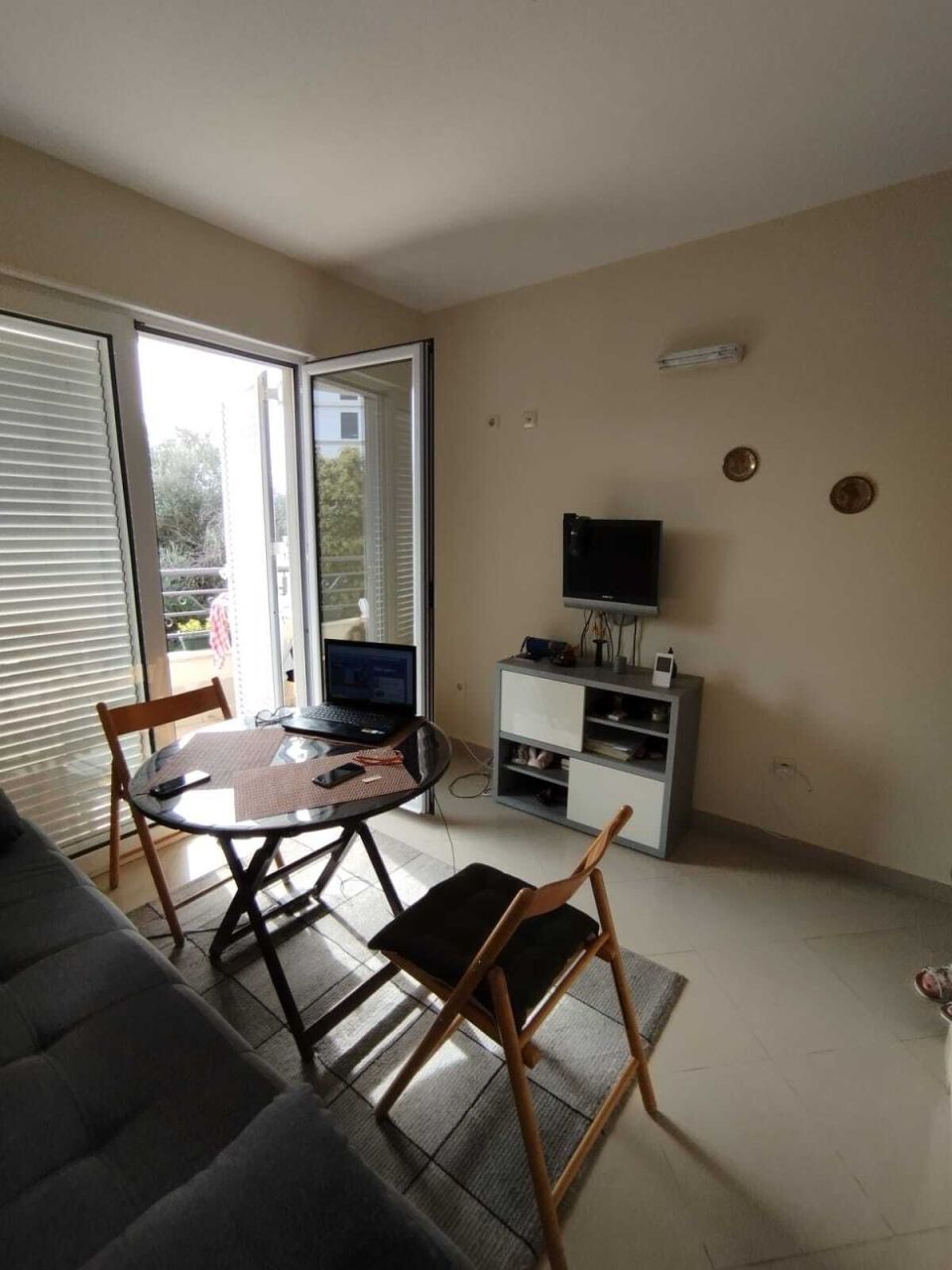
Cozy apartment 1+1 near the beach in Budva
35 m2
On request
1
115 336 $
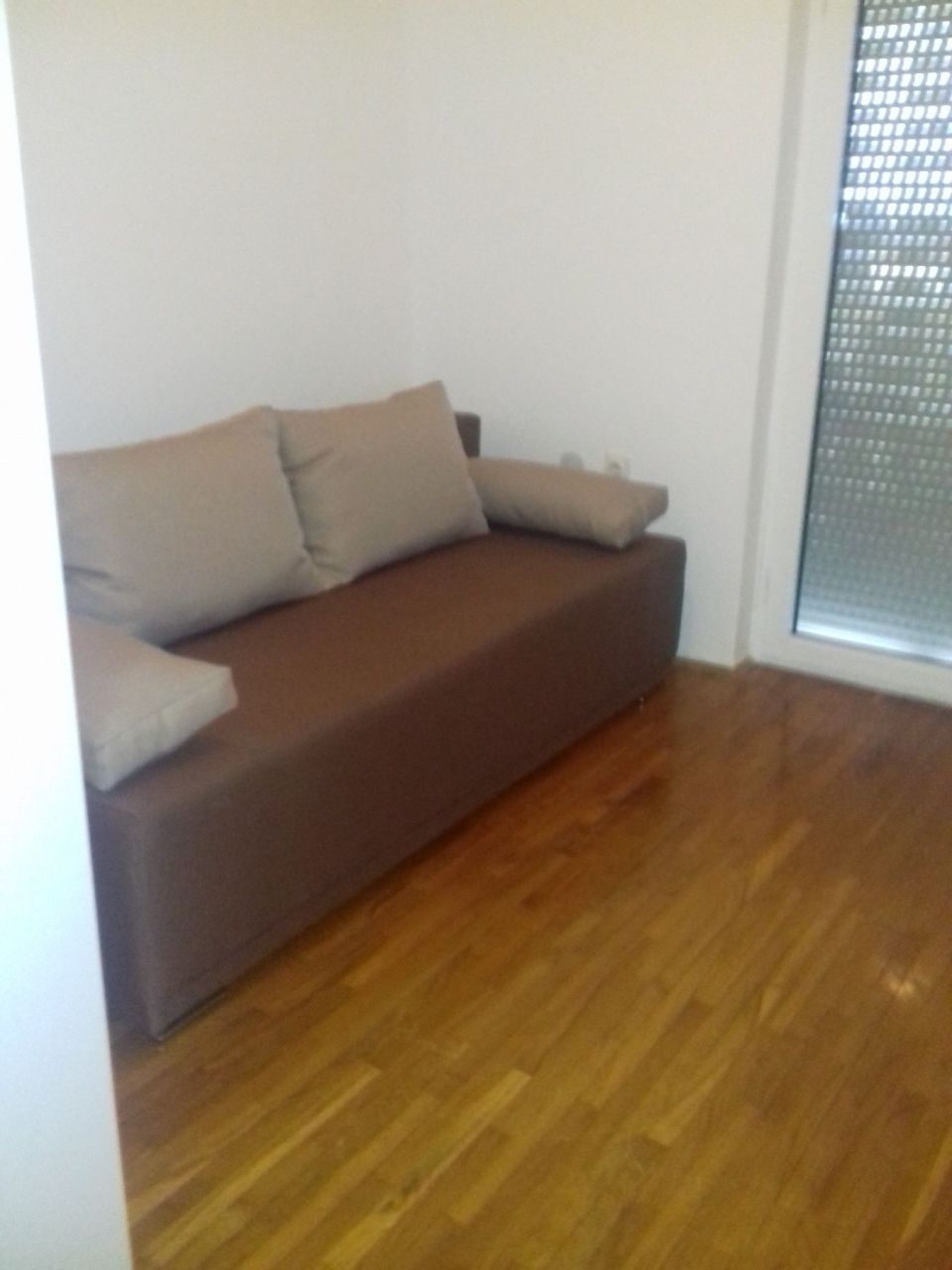
Apartment 1+1 with convenient layout in the suburbs of Budva
53 m2
On request
1
124 030 $
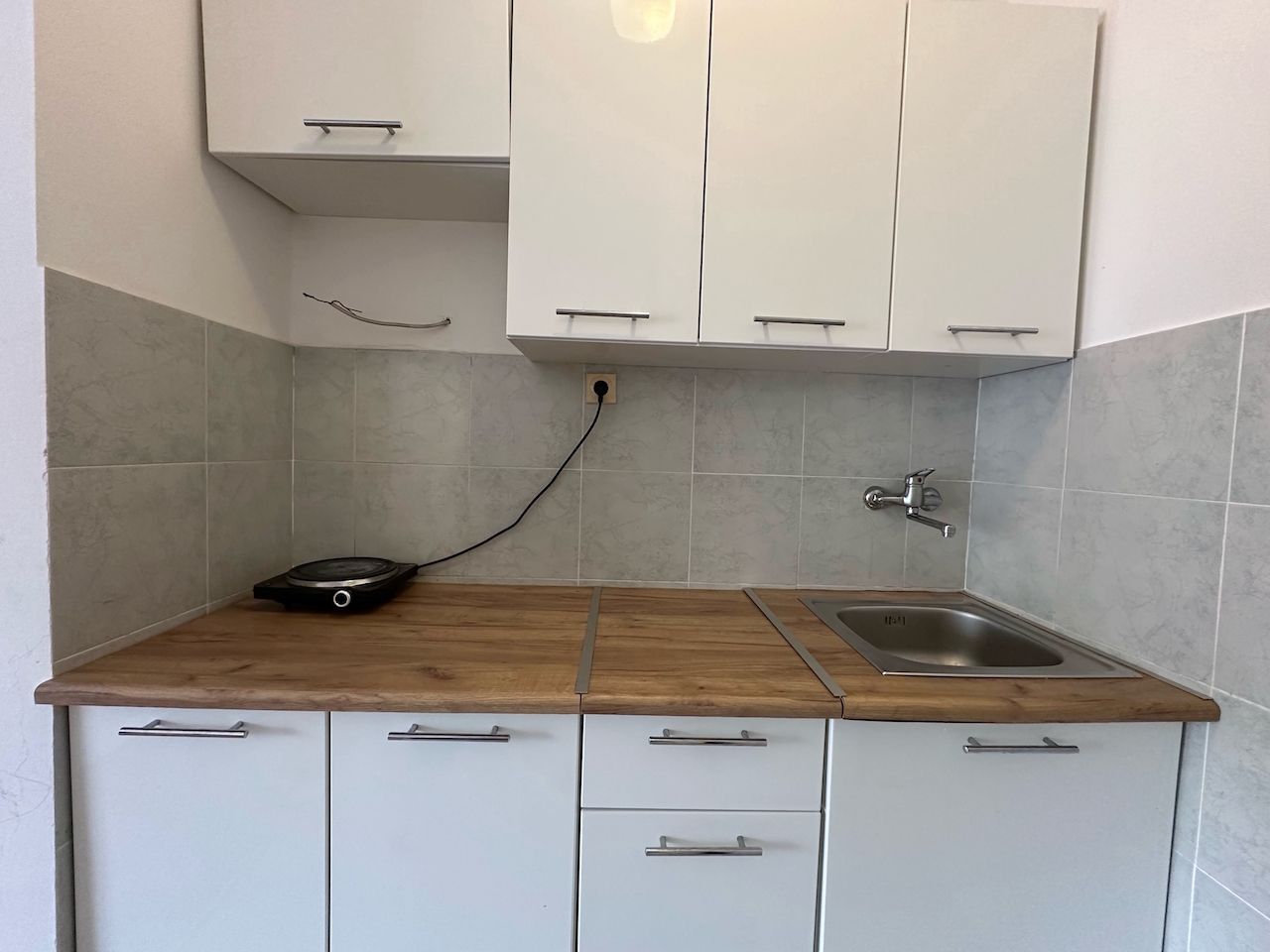
Well-kept 1+1 apartment with panoramic views of Budva
50 m2
On request
1
135 273 $
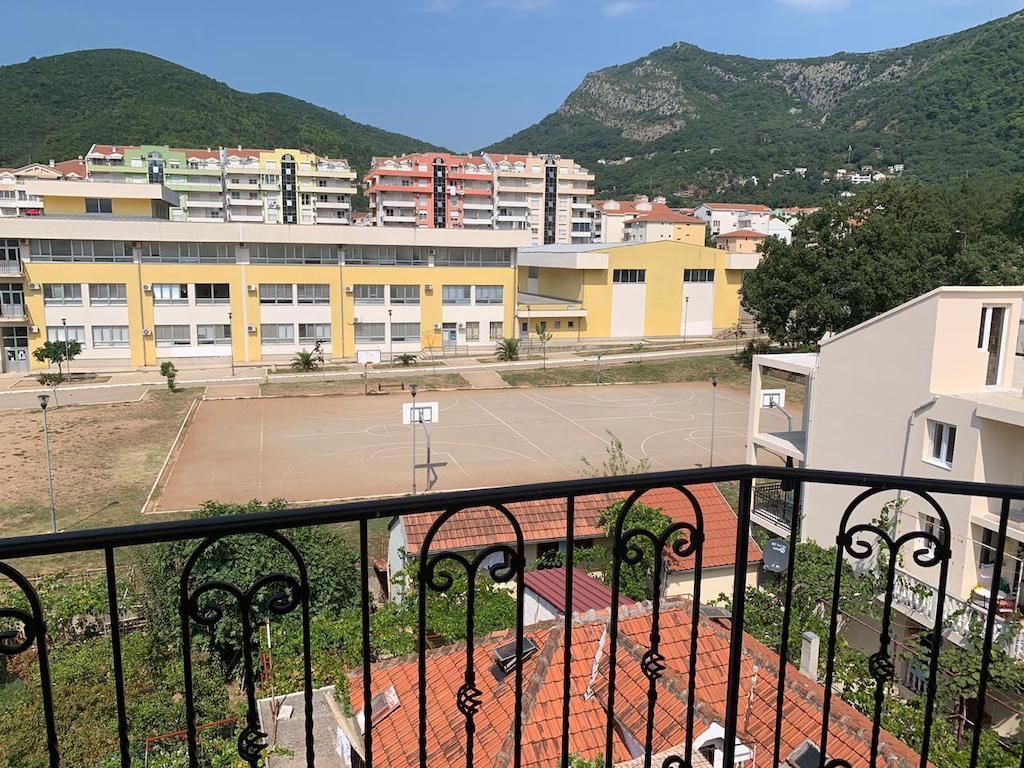
Cozy apartment 1+1 in Budva
60 m2
On request
1
152 661 $


Useful articles
and recommendations from experts
Secondary real estate in Budva, Montenegro - how an active coastal market operates
Why the secondary market works in Budva
The secondary housing market in Budva functions actively because the town combines permanent residential demand with strong seasonal and investment interest. Resale property in Budva is often chosen for its immediate usability and established location within a mature coastal environment.
Budva has a large volume of completed residential stock compared to other Montenegrin towns. This creates a broad resale base where buyers can compare similar units across different building types and price segments. The ability to assess finished buildings and confirmed layouts supports consistent resale activity.
Decision logic in Budva typically starts with choosing between central, near-coastal, and residential expansion zones. Verification logic follows with confirmation of ownership records, encumbrance status, and occupancy clearance. Comparison logic helps buyers align price expectations with realistic market benchmarks.
This structure allows the secondary market in Budva to remain liquid even when buyer motivations differ. Calm sequencing and early clarification of documents help maintain predictable timelines.
Who buys on the secondary market in Budva
Buyer demand in Budva is diverse. It includes local residents upgrading housing, international buyers seeking coastal ownership, and investors focusing on rental or long-term allocation. Each group interacts with resale apartments in Budva using different priorities.
End users often prioritize established residential areas and predictable upkeep. Investors focus on units with strong rental alignment and straightforward documentation. Seasonal buyers tend to favor proximity to the coast and completed buildings that require minimal coordination after purchase.
Decision logic varies by buyer type, but verification logic remains consistent. Buyers confirm title records, check for encumbrances, and verify registered occupants. Comparison logic ensures that units are evaluated within the correct demand segment rather than across unrelated categories.
This mix of demand keeps the secondary housing market in Budva active throughout the year rather than dependent on a single buyer profile.
Property types and price logic in Budva
Resale supply in Budva includes compact coastal apartments, larger residential complexes, and mixed-use buildings. Pricing logic is influenced by building type, age, condition relative to segment norms, and readiness of the legal documentation.
Buyers typically compare resale property in Budva within the same building category. Decision logic focuses on selecting a segment that matches the intended use. Verification logic supports pricing by confirming that the seller can provide a complete and consistent document package.
Comparison logic also considers how easily similar units have traded in the same segment. This helps buyers understand whether a price reflects scarcity, location positioning, or simply a difference in condition and readiness.
By anchoring price evaluation to segment-level norms, buyers avoid overemphasizing surface features and maintain realistic expectations in a competitive market.
Legal clarity in secondary purchases in Budva
Legal clarity in Budva resale transactions is achieved through a clear sequence of standard checks. Buyers typically confirm the title record, review ownership continuity, check for encumbrances, and verify registered occupant status before finalizing the deal.
Some Budva properties have changed hands multiple times, especially in central and coastal zones. Decision logic includes evaluating whether the ownership chain is clearly documented. Verification logic ensures that all transfers align with the current sale structure.
Comparison logic helps buyers distinguish between transactions that are straightforward and those that may require additional coordination. When something is unclear, pausing to clarify keeps the process structured and avoids last-minute adjustments.
This approach supports predictable closings even in a high-turnover environment like Budva.
Areas and market segmentation in Budva
Budva’s market segmentation is shaped by central coastal zones, established residential districts, and expanding residential areas. Each segment has different buyer demand patterns and liquidity characteristics.
Decision logic involves selecting a segment with sufficient comparable resale activity to support valuation. Verification logic checks that properties within each segment follow standard ownership and registration practices. Comparison logic helps buyers understand how pricing and turnover differ between segments.
Resale apartments in Budva tend to perform best when evaluated within their immediate segment rather than across the entire town. This keeps expectations aligned with actual buyer demand.
Secondary vs new build comparison in Budva
Budva offers both active new development and a large secondary market. Secondary real estate in Budva provides immediate availability and confirmed building condition, while new builds offer modern layouts and staged delivery schedules.
Decision logic often depends on timing. Buyers who need a completed unit typically favor resale. Those comfortable with planning around delivery timelines may consider new builds. Verification logic differs between the two markets, focusing on unit-specific records for resale and project documentation for new construction.
Comparison logic highlights the predictability of secondary purchases versus the planning flexibility of new builds. Understanding these differences helps buyers choose the route that best matches their expectations.
How VelesClub Int. helps with secondary purchases in Budva
VelesClub Int. helps buyers navigate the active Budva resale market by structuring each transaction around clear decision points and standard verification steps. This includes defining the correct market segment and aligning pricing with realistic comparables.
The process typically involves coordinating title record confirmation, encumbrance review, registered occupant checks, and consent verification where needed. If inconsistencies arise, VelesClub Int. supports pausing and clarifying details to keep the transaction on track.
By maintaining control points and transparent communication, VelesClub Int. helps buyers complete secondary purchases in Budva with predictable timing and reduced coordination effort.
Frequently asked questions about secondary real estate in Budva
Is the secondary housing market in Budva liquid throughout the year?
Yes, but liquidity varies by segment. Buyers should check comparable transactions within the same area, verify document readiness, avoid mixing segments, and pause and clarify if pricing or timing expectations differ.
What should I check first when buying a resale apartment in Budva?
Start with confirming the title record, reviewing ownership history, checking for encumbrances, verifying registered occupants, and pausing to clarify any missing or unclear documentation.
Why do some Budva resale transactions take longer to close?
Delays often relate to document coordination. Buyers should verify consents, check delegated authority where applicable, avoid compressing steps, and pause and clarify when approvals are still pending.
How do central coastal areas differ from residential districts in resale logic?
Central zones often have higher turnover and investor demand. Buyers should compare within the same segment, verify ownership continuity, check occupancy status, and pause and clarify if documentation reflects multiple past transfers.
Can resale property in Budva be compared directly with new build options?
Yes, by comparing readiness, document transparency, and timeline variability. Buyers should verify what is available immediately for resale and pause to clarify delivery assumptions for new builds.
What if a seller uses a representative during the transaction?
Delegated representation is common. Buyers should verify the scope of authority, confirm alignment with ownership records, avoid assumptions, and pause and clarify if any detail is inconsistent.
How can I keep negotiations calm in a competitive Budva market?
Use standard verification steps as neutral process points, confirm document readiness early, avoid risk-focused language, and pause and clarify any issue that affects timing or transfer.
Conclusion - understanding the secondary market in Budva
The secondary market in Budva is supported by dense completed housing stock, diversified buyer demand, and frequent transaction activity. Secondary real estate in Budva works best when buyers focus on correct market segmentation and follow a structured, process-driven approach.
Clear decision logic, predictable verification steps, and timely clarification of documentation help keep resale transactions efficient. With support from VelesClub Int., buyers can navigate the Budva resale market with confidence and a modern, calm execution strategy.