
Best offers
in pula
Secondary real estate in Pula


Historic housing
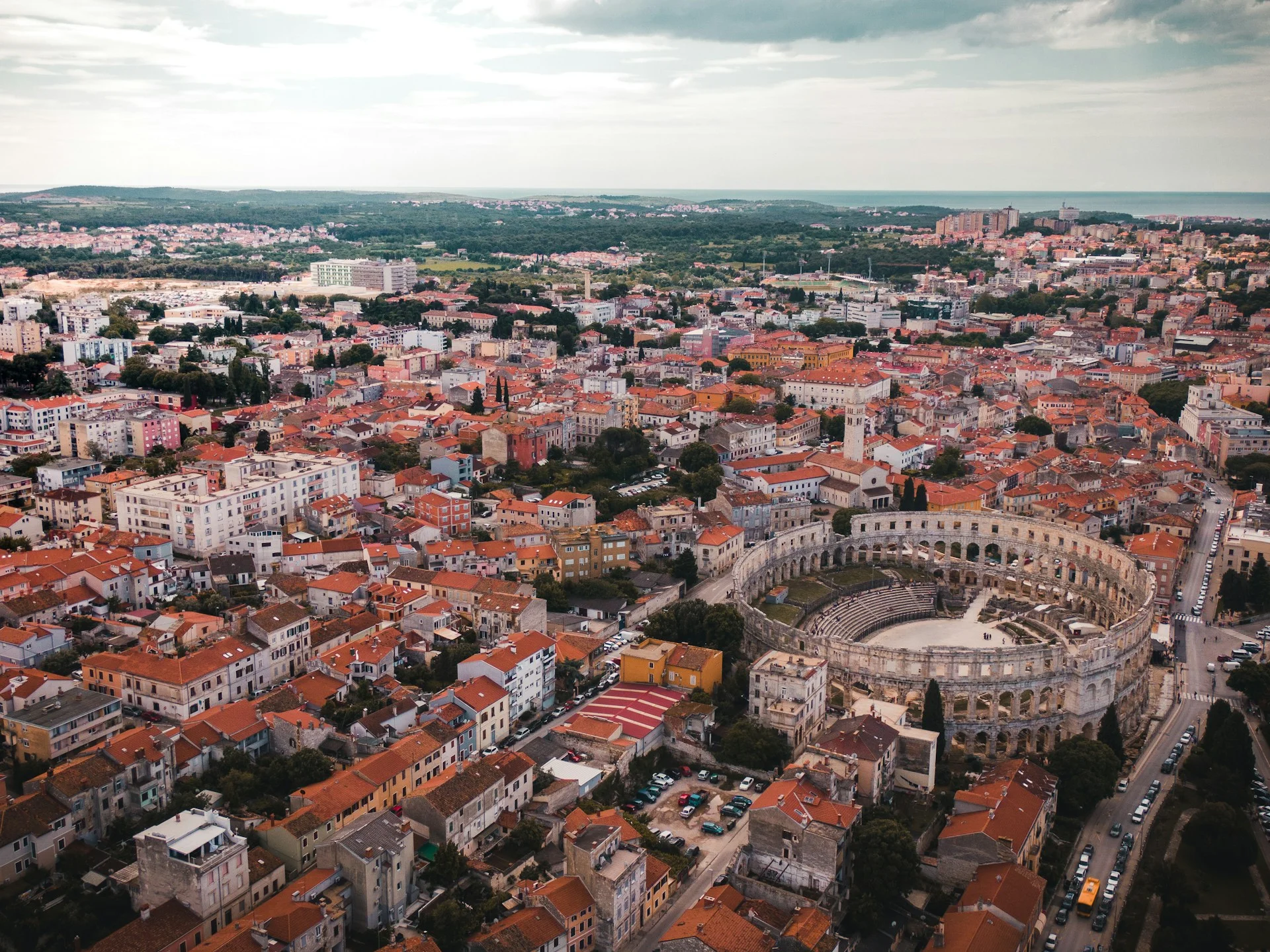
Secondary housing stock in Pula consists mainly of completed apartments, townhouses, and low-rise residential buildings, offering resale property with long-established use history, recognizable ownership patterns, and immediate residential readiness
Coastal demand
Buyer demand in Pula includes domestic buyers, regional purchasers, and international coastal-oriented buyers, supporting steady resale liquidity driven by permanent population needs and seasonal market participation
Clear framework
Secondary transactions in Pula follow a clear procedural framework including ownership confirmation, encumbrance review, registered occupants check, and documentation alignment to keep execution predictable and structured
Historic housing
Secondary housing stock in Pula consists mainly of completed apartments, townhouses, and low-rise residential buildings, offering resale property with long-established use history, recognizable ownership patterns, and immediate residential readiness
Coastal demand
Buyer demand in Pula includes domestic buyers, regional purchasers, and international coastal-oriented buyers, supporting steady resale liquidity driven by permanent population needs and seasonal market participation
Clear framework
Secondary transactions in Pula follow a clear procedural framework including ownership confirmation, encumbrance review, registered occupants check, and documentation alignment to keep execution predictable and structured








Useful articles
and recommendations from experts
Secondary real estate in Pula of Croatia - established coastal resale market with historic depth
Why the secondary market works in Pula
The secondary housing market in Pula works because the city has a long-established residential base. Most housing stock was built and occupied well before recent development cycles, creating a deep and active resale environment.
Secondary real estate in Pula allows buyers to evaluate properties with real usage history rather than future delivery assumptions. This supports predictable decisions and clear transaction timing.
Decision logic begins with understanding the resale format. Buyers compare apartments, townhouses, and small residential buildings based on documented use and ownership structure.
Verification logic focuses on confirming ownership records, checking encumbrances, and reviewing registered occupants early in the process to keep execution structured.
Comparison logic with new developments shows that resale property in Pula offers clarity of condition and established market positioning.
Who buys on the secondary market in Pula
Buyer demand in Pula is balanced between local residents, regional buyers, and international purchasers seeking coastal locations with year-round functionality.
Many buyers choose resale property in Pula because infrastructure, neighborhoods, and community patterns are already established.
Decision logic emphasizes matching buyer intent with the correct resale segment. Permanent residential use and seasonal use require different verification emphasis.
Verification logic includes confirming ownership structure, reviewing encumbrances, and checking registered occupants. Buyers pause and clarify when documentation alignment is needed.
Comparison logic highlights that resale apartments in Pula are chosen for stability and usability rather than speculative positioning.
Property types and price logic in Pula
Secondary housing stock in Pula includes apartments in older residential buildings, townhouses, and small multi-unit properties. Price logic reflects building age, ownership clarity, and market segment positioning.
Pricing is driven by local resale comparables and segment demand rather than individual interior features.
Decision logic starts with identifying the appropriate segment, then reviewing recent resale activity to understand liquidity expectations.
Verification logic confirms that pricing aligns with documentation readiness and ownership structure. Buyers pause and clarify if assumptions do not match verified information.
Comparison logic with new builds emphasizes that resale property in Pula is valued on current usability rather than future project completion.
Legal clarity in secondary purchases in Pula
Legal clarity in Pula depends on confirming clear ownership records and understanding any existing encumbrances. Buyers review title records, registered occupants, and consent alignment where applicable.
Decision logic prioritizes clarity over speed. Each resale property has an existing legal history that must be verified.
Verification logic is procedural and calm. Documentation is reviewed in sequence to ensure alignment between seller position and buyer expectations.
Comparison logic with new developments highlights that resale transactions rely on existing records, while new builds depend on future registration.
This approach supports confidence in the secondary housing market in Pula.
Areas and market segmentation in Pula
Market segmentation in Pula is shaped by historic residential areas, mixed-use urban zones, and peripheral residential neighborhoods. Each segment shows different resale dynamics.
Secondary real estate is also segmented by building age and ownership structure. Properties with simpler histories often demonstrate smoother resale processes.
Decision logic for area selection focuses on segment stability and resale activity rather than micro-location attributes.
Verification logic includes confirming that a property fits its segment profile and that documentation matches typical local practice. Buyers pause and clarify when alignment is unclear.
Comparison logic across segments helps buyers position resale property within the broader Pula market.
Secondary vs new build comparison in Pula
In Pula, buyers often compare secondary property with limited new residential developments. Resale real estate offers immediate availability and established ownership records.
Decision logic favors predictability. Buyers prioritizing clarity and timing often select resale property in Pula.
Verification logic differs by route. Resale focuses on existing ownership and occupancy confirmation, while new builds require future registration steps.
Comparison logic clarifies what can be verified today versus what depends on future completion.
The secondary housing market in Pula remains active due to readiness and structured control points.
How VelesClub Int. helps with secondary purchases in Pula
VelesClub Int. supports buyers in secondary real estate in Pula by structuring the decision and verification sequence around local resale practices.
We assist with ownership confirmation, encumbrance checks, registered occupants review, and documentation alignment.
Our approach emphasizes early clarification. When documentation or consent requires alignment, we pause and clarify before advancing.
With VelesClub Int., buyers engage the secondary housing market in Pula with a calm, modern, and well organized execution process.
Frequently asked questions about secondary real estate in Pula
Why is the secondary housing market well developed in Pula?
Because most housing stock is established and occupied; buyers should verify ownership records, confirm encumbrances, avoid assumptions, and pause and clarify when documentation needs alignment
What should buyers verify first when purchasing resale property in Pula?
Ownership confirmation and encumbrance review come first, followed by registered occupants checks; avoid informal explanations and pause and clarify if records are unclear
Is secondary real estate in Pula suitable for international buyers?
Yes, if verification is structured; buyers should confirm ownership clarity, review documentation, avoid skipping steps, and pause and clarify when coordination is needed
How does building age affect resale purchases in Pula?
Older buildings may have longer ownership histories; buyers should verify records carefully, compare within similar segments, and pause and clarify if inconsistencies appear
How should buyers compare secondary property with new builds in Pula?
Compare immediate usability and registered ownership with future completion assumptions; verify what exists today and pause and clarify if timelines are uncertain
Can preparation influence transaction timing in Pula?
Yes, preparation matters; verify ownership and occupants early, avoid compressing the sequence, and pause and clarify to keep execution structured
Conclusion - understanding the secondary market in Pula
The secondary housing market in Pula of Croatia is supported by historic residential stock, balanced buyer demand, and clear resale procedures. Resale property offers immediate availability and documented ownership history.
Buyers who follow structured decision logic, calm verification steps, and realistic comparisons can navigate transactions confidently. Pausing to clarify supports predictability and control.
With VelesClub Int., buyers can approach secondary real estate in Pula in a clear, modern, and well organized way aligned with local market realities