
Real estate for sale in SydneyPrice clarity with trusted resale choices

Best offers
in Sydney
Resale real estate in Sydney

Cycle pace cues
More predictable timing can emerge in Sydney when compact turnover and competition bursts meet long-hold owners with mixed seller timelines, so readiness and dates wording signals whether similar asks sit in fast lanes or flexible lanes
Strata scope reading
Clearer totals reading can develop in Sydney when strata levies and shared repairs budgeting sit under a managed building baseline with common property rules, so fee scope and responsibility wording explains why similar prices belong to different ownership lanes
Comparable record fit
More stable value context can form in Sydney when thin comps and phase differences create noisy ranges, and a complete file keeps identifiers consistent with signer authority scope, so listing terms read as one coherent transfer record across segments
Cycle pace cues
More predictable timing can emerge in Sydney when compact turnover and competition bursts meet long-hold owners with mixed seller timelines, so readiness and dates wording signals whether similar asks sit in fast lanes or flexible lanes
Strata scope reading
Clearer totals reading can develop in Sydney when strata levies and shared repairs budgeting sit under a managed building baseline with common property rules, so fee scope and responsibility wording explains why similar prices belong to different ownership lanes
Comparable record fit
More stable value context can form in Sydney when thin comps and phase differences create noisy ranges, and a complete file keeps identifiers consistent with signer authority scope, so listing terms read as one coherent transfer record across segments
Property highlights
in Australia, Sydney from our specialists
Found: 8

Luxury 2+1 Apartment in Bankstown, Sydney
155 m2

On request

2

310 700 $

Comfortable 3+1 apartment with a shared roof terrace in Sydney
195 m2
On request
3
399 700 $

Apartment 3-bedroom in Sydney, Australia
apartment
On request
2
3
634 000 $
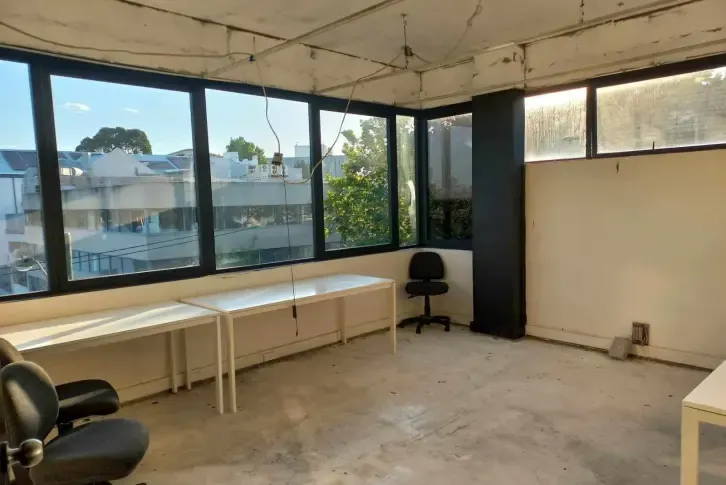
Luxury villa 140 m2 in Crows Nest area of Sydney
villa
140 m2
2
3
793 900 $
Modern apartment 70 m2 in Sydney
apartment
70 m2
1
1
934 800 $
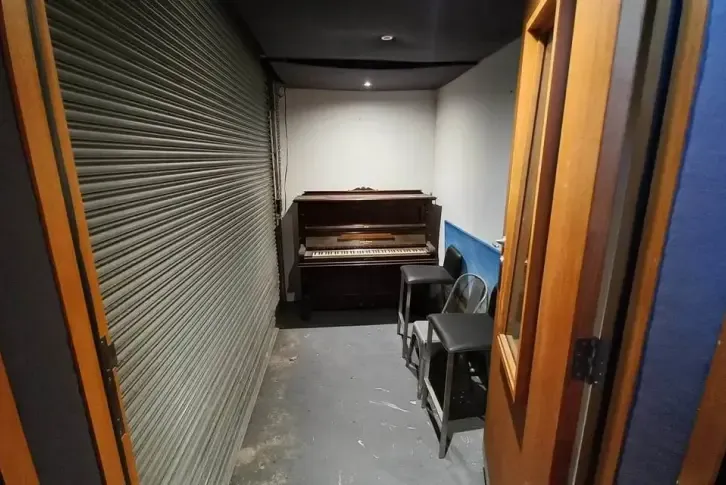
Cozy house 130 m2 in Sydney
house
130 m2
2
1
966 500 $

Apartment in Sydney, Australia
apartment
97 m2
2
2
969 000 $
Penthouse 159 m2 near Paramatta River in Sydney
penthouse
159 m2
3
4
1 208 000 $


Useful articles
and recommendations from experts
Resale real estate in Sydney - fees and dates shape totals across lanes
Why buyers choose resale in Sydney
Resale decisions often feel more grounded because the asset already exists inside an ownership chain. The listing terms describe a present transfer with present scope. That makes it easier to understand what is included, how timing is framed, and how responsibilities attach after settlement.
Sydney can show periods where activity compresses and then relaxes. In those tighter stretches, timing language tends to carry more meaning. Readiness wording and dates phrasing often behaves like a pace signal, indicating whether a listing is positioned in a faster lane or a more flexible lane.
Resale also supports clearer lane separation across a mix of stock eras and ownership formats. When markets contain multiple eras at once, visible ranges can look wide even when two listings appear similar at first glance. Lane thinking reduces confusion by focusing on totals structure and transfer clarity, not surface similarity.
Another reason buyers choose resale is earlier visibility into ongoing obligations. In managed settings, recurring charges and shared responsibilities can shape totals over time. In lighter managed lanes, recurring lines may be limited, which shifts attention toward how responsibility boundaries and settlement framing are expressed in writing.
Comparable density can vary by segment. When comparables are uneven, a coherent file narrative becomes a practical interpretability signal. Listings that keep identity language consistent tend to be easier to place into a comparable set, even when bands look noisy.
Resale real estate in Sydney is often approached as a structured reading task: timing stance, fee scope, responsibility boundaries, and file coherence together explain why similar headline prices can still sit in different lanes.
Who buys resale in Sydney
The buyer pool is mixed, yet many buyers share a preference for listings that read like one consistent record. Consistency supports clearer totals interpretation and clearer timing expectations, especially when the market shifts between compact pace and more open pace.
First home buyers often value internal coherence more than perfect comparables. When the same identifiers appear across drafts and attachments, and boundary language remains stable, the listing is easier to interpret as a single transfer record with a clear timing stance.
Families commonly evaluate decisions through totals rather than headline price alone. Recurring levies, shared responsibility scope, and settlement framing can shift affordability lanes, so scope language becomes part of value context inside the resale housing market in Sydney.
Remote and relocating buyers tend to rely more on what is written. Clear authority scope and consistent identity language reduces interpretation gaps when informal local context is limited, and it makes readiness phrasing easier to read as a pace signal.
Downsizers often prefer responsibility models that feel defined rather than open ended. Financing-driven buyers also value coherent documentation because a stable identity story and stable scope notes typically maps more smoothly into formal settlement expectations.
Across roles, the key is lane placement. Once a buyer understands which lane a listing implies, asking levels become easier to interpret within that lane and less likely to feel like noise.
Property types and asking-price logic in Sydney
Asking-price logic becomes clearer when resale property in Sydney is grouped by lanes before it is grouped by surface similarity. One early separator is the managed-building lane versus lighter managed lanes, because recurring charges and shared responsibility can change totals over time.
Within managed settings, strata levies can carry different coverage scope. Similar wording can still imply different responsibility boundaries depending on what coverage notes include or exclude. This is why two listings with similar asking figures can belong to different totals lanes even when the headline numbers look close.
Within lighter managed lanes, price separation often reflects readiness and comparable density. Where comparable sets are thinner, ranges can look noisier without implying anything unusual about a listing. In those lanes, the written scope of what transfers can carry more interpretive weight than surface similarity.
Sydney can also show phase differences where stock era and configuration create distinct bands. Those bands do not always overlap cleanly, and that is often a lane signal rather than a contradiction. Terms that express timing stance and obligations scope usually explain why an asking sits in a specific band.
Resale apartments in Sydney frequently sit inside a responsibility model where recurring lines shape totals. When levy scope and shared repairs planning is described plainly, the asking becomes easier to interpret as a totals lane, not a standalone number.
For buyers who want to buy apartment on the resale market in Sydney, the most practical interpretability signal is whether the listing expresses a coherent responsibility model that matches the rest of the file narrative. Coherence supports clearer comparable grouping across segments.
The resale housing market in Sydney can feel less complex when listings are read as combinations of lane signals: totals scope, timing stance, and comparable context.
Legal clarity and standard checks in Sydney
This page stays market-level rather than acting as a legal manual, yet it is still useful to understand the standard clarity checks that support clean resale transfers. The goal is coherence across the file so property identity, seller identity, and obligations scope match the written terms.
Start with identity consistency. The same identifiers should appear across drafts and attachments, and boundary wording should remain stable. When identity language drifts between versions, the listing becomes harder to interpret and harder to place among comparables.
Authority scope is another baseline. If a representative signs, the written authority scope should match the seller identity stated in the terms, so execution language remains coherent across the package and does not conflict with settlement expectations.
Consent scope can also matter. Where multiple parties have rights that affect transfer, the written package should express how consents are handled and how that fits the timing stance. The aim is not legal detail, it is alignment between what the terms say and what the file can support.
Encumbrance framing is best understood as a sequence question. Recorded notes and obligations should have a handling path reflected in the written package, so dates language remains understandable and consistent with the stated conditions.
Occupancy and handover wording influences how readiness reads. A registered occupants check and a written handover plan keep possession language consistent with the dates stance, which supports calmer interpretation of timing lanes without adding micro-location detail.
Totals clarity also benefits from consistent settlement cost framing. Even without exact numbers, included and excluded items should be described consistently so buyers can interpret fees within the correct lane.
Areas and market segmentation in Sydney
Segmentation is most useful when it stays structural rather than lifestyle-driven. In Sydney, one structural lens is ownership model. Managed-building lanes with strata style obligations behave differently from lighter managed lanes on totals and on comparable grouping.
A second lens is stock era and phase behavior. Some segments form tighter comparable clusters, while other segments form thinner clusters that produce noisier visible ranges. That difference changes how much weight can be placed on comparable bands versus on file coherence.
A third lens is seller structure. Long-hold ownership can create mixed seller timelines, and listings can reflect this through different dates stance. In those situations, readiness language often signals pace positioning rather than acting as a neutral detail.
Fee scope adds another segmentation layer inside managed settings. A recurring levy line alone is not enough to place a listing into a lane. Coverage notes and shared responsibility boundaries often separate listings into distinct totals lanes even when headline asks look close.
File readiness becomes a practical segmentation factor when ranges look wide. Some listings present stable identifiers, stable boundary wording, and coherent authority scope across the package. Others present drifting drafts or missing scope notes, which makes comparable grouping less reliable within a lane.
When these lenses are used together, resale property in Sydney becomes easier to read as a set of lanes rather than a single pool of listings.
Resale vs new build comparison in Sydney
Resale and new build typically follow different evaluation frames. New build is often described through sequencing and staged scope. Resale is described through present obligations, an existing ownership narrative, and a transfer file assembled from current documents.
In resale evaluation, obligation scope and recurring levies can be primary signals because they shape totals over time and influence comparable grouping. In new build evaluation, stage definitions and milestone descriptions often dominate early interpretation, and those signals do not translate directly into resale lanes.
Comparable behavior can also differ. New build pricing may reflect release positioning or packaged scope. Resale pricing more often reflects comp density within a lane, readiness stance, and the totals structure implied by shared responsibilities and recurring lines.
Where comparable sets are thinner, resale can remain readable if the file narrative is coherent. Stable identifiers, consistent boundary wording, and clear authority scope can explain why an asking sits in a particular band even when visible ranges look wide.
Many buyers choose resale property in Sydney because decisions can be grounded in present terms and present scope, with fewer assumptions about sequencing.
How VelesClub Int. helps buyers browse and proceed in Sydney
VelesClub Int. supports structured browsing so listings are interpreted as comparable sets rather than one undifferentiated feed. This matters in Sydney because ownership lanes and comparable density can vary by segment, and recurring obligations can shift totals behavior even when headline asks look similar.
Lane-based browsing makes fee scope easier to interpret as a totals signal. Managed-lane listings can be understood through levy scope, coverage notes, and shared responsibility boundaries, while lighter-managed lanes can be understood through readiness stance and comparable density within that lane.
VelesClub Int. also supports a document-aware browsing mindset without turning the page into a legal manual. Buyers can focus on whether listing language stays coherent around identifiers, boundary wording, consent framing, signer authority scope, occupant status wording, and settlement cost framing.
This approach reduces noise when comps are uneven. In thin-comparable lanes, file coherence becomes a stronger interpretive signal. In denser-comparable lanes, asking bands tend to read more consistently. In both cases, listings are understood through structure and scope, not micro details.
Frequently asked questions about buying resale in Sydney
What if I am buying my first home and the boundary wording is inconsistent across papers?
What to check is whether boundary language stays identical across the full package, what to verify is that identifiers and descriptions match the same asset, what to avoid is accepting shifting wording, and pause and clarify until one consistent boundary text is used
What if I am buying for a family and required consents are missing from the file?
What to check is whether any consents are implied by the stated ownership setup, what to verify is written consent scope that fits the seller identity and timing stance, what to avoid is assuming consents appear later without impact, and pause and clarify until consents are included
What if I am purchasing remotely and the fee scope has no coverage notes?
What to check is whether recurring levies are described with scope and exclusions, what to verify is a fee schedule with coverage notes consistent with responsibility wording, what to avoid is treating unknown coverage as included, and pause and clarify until totals scope is stated in writing
What if I am relocating and the settlement estimate does not align with the terms?
What to check is which items are included and excluded in the estimate language, what to verify is consistency between the estimate and the written terms, what to avoid is treating a preliminary estimate as final totals, and pause and clarify until settlement framing matches the file
What if I am downsizing and registered occupants status is not confirmed?
What to check is how occupancy and possession timing are stated in the terms, what to verify is a registered occupants check consistent with handover language, what to avoid is assuming possession timing without written support, and pause and clarify until status is confirmed in writing
What if I am using financing and signer authority scope is unclear?
What to check is who is authorized to sign and in what capacity, what to verify is authority documentation matching the named seller and identifiers, what to avoid is accepting incomplete authority language, and pause and clarify until signer scope is documented end to end
What if I am buying an apartment and an encumbrance note has no written resolution sequence?
What to check is the order in which recorded notes are handled in the documentation, what to verify is a written handling path consistent with settlement timing, what to avoid is proceeding while sequence remains ambiguous, and pause and clarify until resolution steps are stated in writing
Conclusion - how to use listings to decide in Sydney
Listings are easiest to interpret when treated as structured signals rather than isolated headline numbers. Fee scope, shared responsibility boundaries, and readiness and dates language often indicate which lane a listing belongs to and what totals behavior that lane tends to carry.
Where comparables are dense within a lane, asking bands often read more consistently. Where comparables are thinner and ranges are noisier, file coherence matters more because it keeps identity, authority scope, and obligation framing aligned across the written package.
Resale apartments in Sydney and other formats become clearer when ownership lanes are separated first. Totals behavior becomes easier to place, and timing language becomes a practical pace signal rather than a source of guesswork.
VelesClub Int. is built to keep browsing repeatable. By supporting lane-based interpretation and making key listing signals easier to notice, buyers can decide which listings belong in the same comparable set and which ones reflect different fees, totals, and timing lanes in Sydney.