
Permanent residence permit in NetherlandsVerified paths to permanent legal status
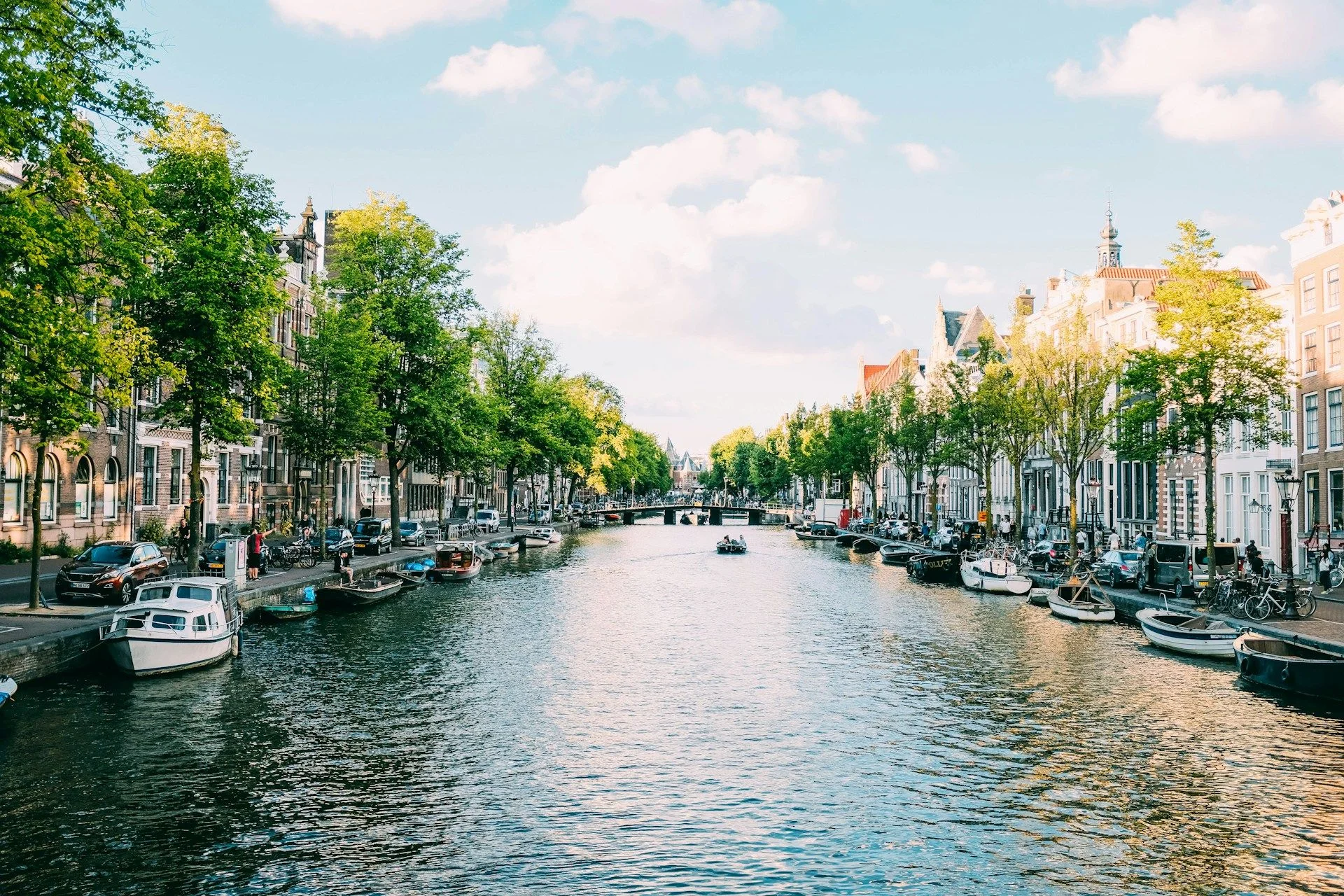
Benefits of a residence permit in Netherlands


Route fit
The Netherlands usually works through highly skilled migrant, study, family reunification, orientation year, or self-employed residence rather than one generic permit, so the first task is matching your profile to the correct IND route and sponsor structure
Document chain
In the Netherlands, passport data, income proof, accommodation details, health cover, and route-specific records must align, so applicants should verify recognised sponsor documents, Dutch-use civil records, and exact name consistency before filing
Renewal pressure
Dutch cases often slow on weak sponsor preparation, income gaps, or residence purpose mismatch, so applicants should check MVV logic, main residency in the Netherlands, permit expiry timing, and whether work, study, or family facts changed
Route fit
The Netherlands usually works through highly skilled migrant, study, family reunification, orientation year, or self-employed residence rather than one generic permit, so the first task is matching your profile to the correct IND route and sponsor structure
Document chain
In the Netherlands, passport data, income proof, accommodation details, health cover, and route-specific records must align, so applicants should verify recognised sponsor documents, Dutch-use civil records, and exact name consistency before filing
Renewal pressure
Dutch cases often slow on weak sponsor preparation, income gaps, or residence purpose mismatch, so applicants should check MVV logic, main residency in the Netherlands, permit expiry timing, and whether work, study, or family facts changed








Useful articles
and recommendations from experts
Residence permit in the Netherlands - IND routes, sponsor logic, and long-term stay planning
How lawful residence is structured in the Netherlands
The Netherlands has a real and well-developed residence permit framework for foreign nationals, but it does not work through one universal permit for everyone who wants to move. In practice, Dutch residence is built around a specific purpose of stay. That purpose can be work, study, family reunification, self-employment, a start-up pathway, or an orientation year after graduation or research. This is the first practical point that matters for the Netherlands. A person does not simply apply for residence in general terms. The person applies for a residence permit linked to a legally defined residence purpose.
This route-based structure matters because the Dutch system is highly procedural. The purpose of stay affects whether an MVV entry visa is needed, whether a recognised sponsor must be involved, which income rules apply, what evidence must be filed with the Immigration and Naturalisation Service, and whether the route is treated as temporary or non-temporary for longer-term planning. If the wrong residence purpose is chosen at the beginning, the file may still look complete on paper, but it often becomes weaker at the review stage or later at renewal.
The Netherlands is therefore a country where route selection should come before travel planning. A highly skilled migrant case is not built like a study case. A family permit is not built like a self-employed file. An orientation year permit is not a substitute for a standard work permit, even though it can lead into one later. The strongest Dutch residence cases are the ones where the legal purpose, sponsor structure, and document package all support the same story from the start.
Which residence routes in the Netherlands are actually relevant
The most practical residence routes in the Netherlands are highly skilled migrant residence, study residence, family reunification, the orientation year, self-employed residence, and the start-up route for qualifying early-stage founders. Other work routes also exist, including the European Blue Card, the GVVA single permit for paid employment, and permit structures for researchers, intra-corporate transferees, and other specialised categories. But for most ordinary residence planning, the strongest practical anchors are work, study, family, orientation year, and self-employment.
The highly skilled migrant route is one of the clearest Dutch work pathways. It is important because it depends on a recognised sponsor. In other words, not every employer can file it in the same way. The company must already have recognised sponsor status with the IND, and the salary threshold must match the age and category of the worker. This makes sponsor readiness one of the main practical filters in Dutch work cases. A strong candidate cannot fully compensate for a weak sponsor structure.
The European Blue Card is another real route, but it should not be treated as interchangeable with the highly skilled migrant permit. It has its own conditions and practical use cases. Some applicants may qualify for one route more naturally than the other, and the correct choice should be made based on the actual job structure rather than on which name sounds stronger.
Study residence is also a major route in the Netherlands. It works best where a recognised educational institution is involved and where the educational basis is genuine. This route can support lawful stay very effectively, but the person remains in the country for study, not for open-ended residence in general. That distinction matters at renewal and for later planning.
Family reunification is another highly relevant route. It depends on the sponsor's status, the family relationship, and the income and residence conditions that apply to the case. The route is real and strong, but it is document-sensitive and should not be treated casually.
The orientation year is one of the most distinctive Dutch pathways. It allows eligible graduates, doctoral graduates, and some researchers to look for work or start work in the Netherlands after graduation or research. It is not a permanent solution by itself, but it is a highly practical bridge into the labour market when used correctly.
How work-based residence works in the Netherlands
Work-based residence in the Netherlands is not built around one single permit. This is one of the practical realities that applicants often miss. A highly skilled migrant permit is structured differently from the GVVA single permit, and both differ from self-employed residence or a start-up permit. That is why route fit matters more than broad career intention.
The highly skilled migrant route is usually the cleanest path for skilled employees whose employer is already recognised by the IND. In 2026, the monthly salary thresholds remain a central filter for this category, and they differ by age and by whether a reduced criterion applies. The practical point is not only the number itself. The point is that the employment package must fit the exact category being used. If the salary, contract structure, or sponsor status does not align, the case weakens quickly.
The GVVA single permit is relevant where a person will work in paid employment and the structure does not fit the recognised-sponsor highly skilled model. This route brings residence and work authorisation together, but it is not interchangeable with the highly skilled migrant permit. It should be chosen because the facts of the case fit it, not because it seems easier.
Self-employed residence is another real Dutch route, especially for entrepreneurs and independent professionals. It is stronger when the applicant can clearly show the nature of the business, the economic activity, and the financial basis of the work. The Dutch system does not reward vague business intentions. It rewards a file that shows a real and structured commercial activity.
The start-up route is also a genuine option, but it is narrower than many applicants expect. It is intended for innovative business activity and requires cooperation with a recognised facilitator. It should therefore be treated as a distinct route, not as a simplified version of ordinary self-employed residence.
Study, orientation year, and post-study planning in the Netherlands
The study route in the Netherlands is one of the most stable lawful-stay pathways for foreign nationals who have a real educational basis. The person usually needs a recognised educational institution, a coherent academic plan, enough income to support the stay, and documents that fit the student residence process. The route is practical and widely used, but it is still purpose-based. This means the legal basis remains education.
That is why the orientation year is so important in Dutch planning. It acts as a bridge for eligible people who have completed a qualifying programme, doctorate, or research activity and want time to enter the labour market. During the orientation year, the person can work more freely than under ordinary study residence, and this often makes the transition into a longer-term work route easier. It is one of the strongest country-specific features of the Dutch system because it connects education and labour-market entry in a structured legal way.
At the same time, the orientation year should not be treated as a universal answer for every graduate. Eligibility depends on the applicant's academic or research background and the timing of the application. This is why post-study planning should begin before the study permit becomes fragile. The strongest Dutch cases are often the ones where the person uses the study period to prepare for the next route instead of waiting until the final weeks of lawful stay.
How family reunification works in the Netherlands
Family reunification in the Netherlands is a real and important residence route, but it depends heavily on the sponsor's legal position and on the structure of the family relationship. This is one of the areas where applicants often think the route is simple and then discover that the document chain is the real challenge.
The practical questions are clear. Who is the sponsor in the Netherlands. What residence status does that person hold. Does the sponsor meet the income conditions that apply. Are the marriage, partnership, birth, or family records fully usable in Dutch procedure. If any of these points is weak, the case can slow down quickly even when the relationship itself is genuine.
Family cases are also highly sensitive to consistency. Names, dates, prior civil status, and identity history all need to match across passports and official records. The Netherlands is not unusual in asking for civil records to be suitable for official use, but applicants still often underestimate how much friction a small mismatch can create. The stronger the family file, the easier it is to keep the route stable at the first decision and later at renewal.
How first filing usually works in the Netherlands
For many applicants, the Dutch process begins with the question of whether an MVV is required. The MVV is the entry visa for people who want to stay in the Netherlands for more than 90 days and who fall under the MVV obligation. This is one of the most practical first filters in the Dutch system because it shapes the order of the whole process.
In many ordinary cases, the admission and residence steps are linked. The person first applies through the correct route, then receives the MVV if needed, travels to the Netherlands, and collects the residence permit there. This means that a Dutch case should not be treated as a move-first and regularise-later process. The strongest route is usually the one that is structured before entry.
The filing also depends on whether a recognised sponsor is involved. In highly skilled migrant and many study cases, the recognised sponsor often files or drives the process. In other categories, the foreign national may apply directly. This is why practical route diagnosis is essential. Two applicants may both want to live in the Netherlands long term, but one will depend heavily on a sponsor and the other will not.
Applicants should also keep in mind that the IND works with decision periods that depend on the category of application. While the legal decision structure is defined, real timing still depends on a properly filed application. A weak document set, unclear purpose, or poor sponsor preparation can turn an ordinary procedure into a much slower one.
What applicants outside the Netherlands should prepare before travel
People planning to move to the Netherlands while living abroad should prepare in four layers. First comes route diagnosis. Second comes sponsor or institution readiness. Third comes document architecture. Fourth comes renewal and long-term planning. This order matters because many weak Dutch files are not weak because no route exists. They are weak because the person prepared the wrong route or focused on travel before the legal basis was stable.
For a work route, the person should verify whether the real pathway is highly skilled migrant, GVVA, Blue Card, self-employed residence, or start-up. This should be fixed before collecting employment or business papers, because each route expects a different kind of legal proof. For study, the institution should be final and recognised. For family reunification, the sponsor's Dutch status and income should be checked early. For self-employed residence, the person should build a real business file rather than a broad plan to freelance in theory.
Applicants should also prepare accommodation, income proof, and civil records in a form that can be used in the Dutch process. The Netherlands is very document-sensitive on internal consistency. A file with good facts but mismatched names, weak sponsor documents, or unclear income evidence can still become fragile.
What usually causes delay or refusal in the Netherlands
The first major problem is wrong route selection. A person tries to use the highly skilled migrant route without a recognised sponsor, treats the orientation year like a regular work permit, or relies on study residence for a plan that is really employment-led. In the Dutch system, category mismatch is one of the most common structural weaknesses.
The second major problem is sponsor weakness. This is especially clear in highly skilled migrant, study, and family cases. If the recognised sponsor or family sponsor is not ready, the foreign national cannot solve the whole issue by sending more personal paperwork. Sponsor readiness is therefore one of the most practical risk zones in the Netherlands.
The third major problem is poor long-term planning. Dutch residence permits are tied to a residence purpose, and some purposes are temporary while others are non-temporary. This distinction matters because it shapes how secure the next stage of stay may become. A person can have a valid permit and still weaken the long-term strategy by choosing a route that does not fit the real plan for life in the Netherlands.
Another practical issue is main residency. The Dutch system expects that a person with a right of residence actually lives and spends most of their time in the Netherlands. Moving main residency away from the country can affect the right of residence. This is especially important for applicants who imagine that a Dutch permit can be used mainly as a travel document while living elsewhere most of the time.
How VelesClub Int. helps with residence permits in the Netherlands
VelesClub Int. supports Dutch residence planning by focusing on route selection, sponsor readiness, document structure, and longer-term stay logic. The first step is to identify whether the strongest legal basis is highly skilled migrant residence, study, family reunification, orientation year, self-employed residence, or another recognised Dutch route that actually fits the applicant's profile.
After route selection, support can focus on checklist building, review of sponsor-side and applicant-side records, consistency checks across identity and civil documents, planning for the MVV stage where required, and renewal review when work, study, or family circumstances change. This is especially useful in the Netherlands because the strongest cases are usually the ones built around the correct residence purpose from the start rather than corrected later after a weak filing or an unstable permit transition.
FAQ on residence permits in the Netherlands
Does the Netherlands have one general residence permit for all long-term stays?
No. The Dutch system uses specific residence purposes such as work, study, family reunification, self-employment, and orientation year. The correct route depends on the real reason for staying.
Can any employer apply for a highly skilled migrant permit in the Netherlands?
No. The highly skilled migrant route depends on a recognised sponsor. This is one of the main practical filters in Dutch work-based residence planning.
Is the orientation year the same as a normal work permit in the Netherlands?
No. The orientation year is a separate route for eligible graduates and researchers who want time to look for work or begin working. It can lead into another permit, but it is not the same permit.
What is one of the most common practical problems in Dutch family cases?
Weak document consistency. Family cases often slow down because civil records, passport details, or sponsor evidence do not fully match across the file.
Can a Dutch residence permit become risky if I live mostly outside the Netherlands?
Yes. The Dutch system expects main residency in the Netherlands. If your main residency moves elsewhere, your right of residence can become vulnerable.
When is professional support especially useful in a Netherlands case?
It is especially useful when the correct route is unclear, the case depends on a recognised sponsor, the applicant is moving from study to work, or long-term planning depends on whether the residence purpose is temporary or non-temporary.
Residence planning in the Netherlands - practical conclusion
The Netherlands offers real and workable residence permit routes, but the system depends on exact route fit, clean sponsor or institution preparation, consistent documents, and careful long-term planning. Highly skilled migrant residence, study, family reunification, orientation year, and self-employed routes each solve different situations and should not be treated as interchangeable. For applicants who want to live in the Netherlands lawfully and keep future options open, the strongest strategy is to identify the correct residence purpose before travel, build the file around the exact IND route, and plan renewals and later residence security from the first filing onward. For a structured review of your route and a free consultation on residence permits in the Netherlands, contact VelesClub Int.