
Imóveis secundários de destaque em São PauloA potência financeira da América Latina

Melhores ofertas
em São Paulo
Secondary real estate in Sao Paulo

Diverse stock
Sao Paulo secondary housing combines vertical residential towers and mixed era developments, creating broad resale supply where completed buildings dominate - buyers compare layouts, building age bands, and management models within established market layers
Urban liquidity
Resale demand in Sao Paulo comes from local movers, relocations, and long term allocators, supporting steady liquidity when pricing aligns with segment norms and documentation is ready for a predictable closing sequence
Structured checks
Secondary transactions in Sao Paulo follow a clear rhythm when standard checks are aligned early - confirm ownership records, review encumbrances, verify occupancy status, and pause and clarify delegated authority or pending consents
Diverse stock
Sao Paulo secondary housing combines vertical residential towers and mixed era developments, creating broad resale supply where completed buildings dominate - buyers compare layouts, building age bands, and management models within established market layers
Urban liquidity
Resale demand in Sao Paulo comes from local movers, relocations, and long term allocators, supporting steady liquidity when pricing aligns with segment norms and documentation is ready for a predictable closing sequence
Structured checks
Secondary transactions in Sao Paulo follow a clear rhythm when standard checks are aligned early - confirm ownership records, review encumbrances, verify occupancy status, and pause and clarify delegated authority or pending consents
Destaques do imóvel
em Brasil, São Paulo pelos nossos especialistas
Encontrados: 42

Apartamento confortável 1+1 no centro de São Paulo
27 m2

Sob consulta

1

89 300 $
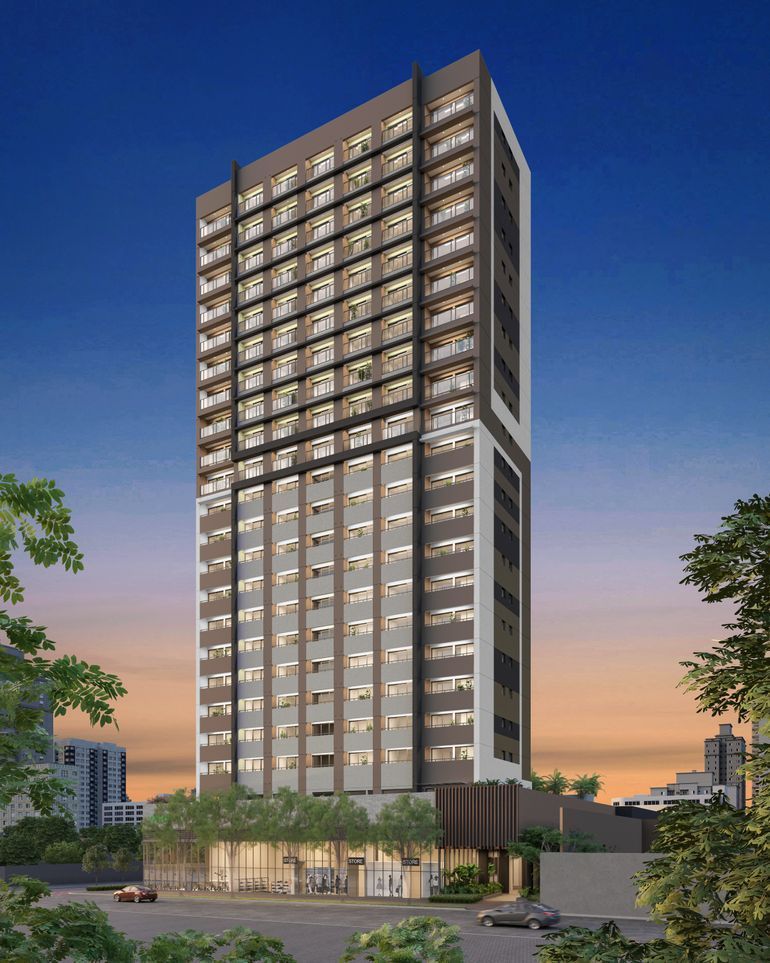
Estúdio acolhedor 26 m2 próximo à estação de ônibus em São Paulo
Apartamento
26 m2
1
1
91 500 $
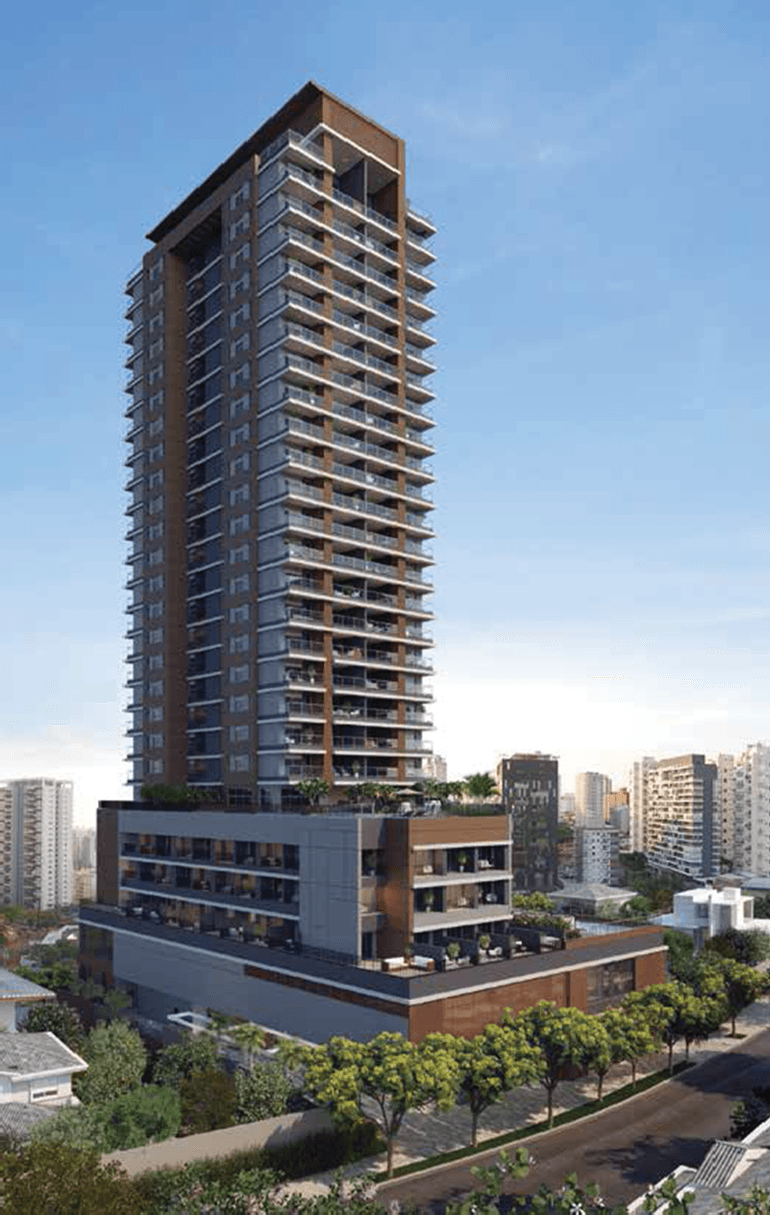
Apartamento 1+1 após reforma na região de Vila Madalena em São Paulo - 105k $ ✅ VelesClub Int.
27 m2
Sob consulta
1
105 400 $

Novo estúdio de 32 m² na região do Marumbi em São Paulo
32 m2
Sob consulta
1
108 600 $
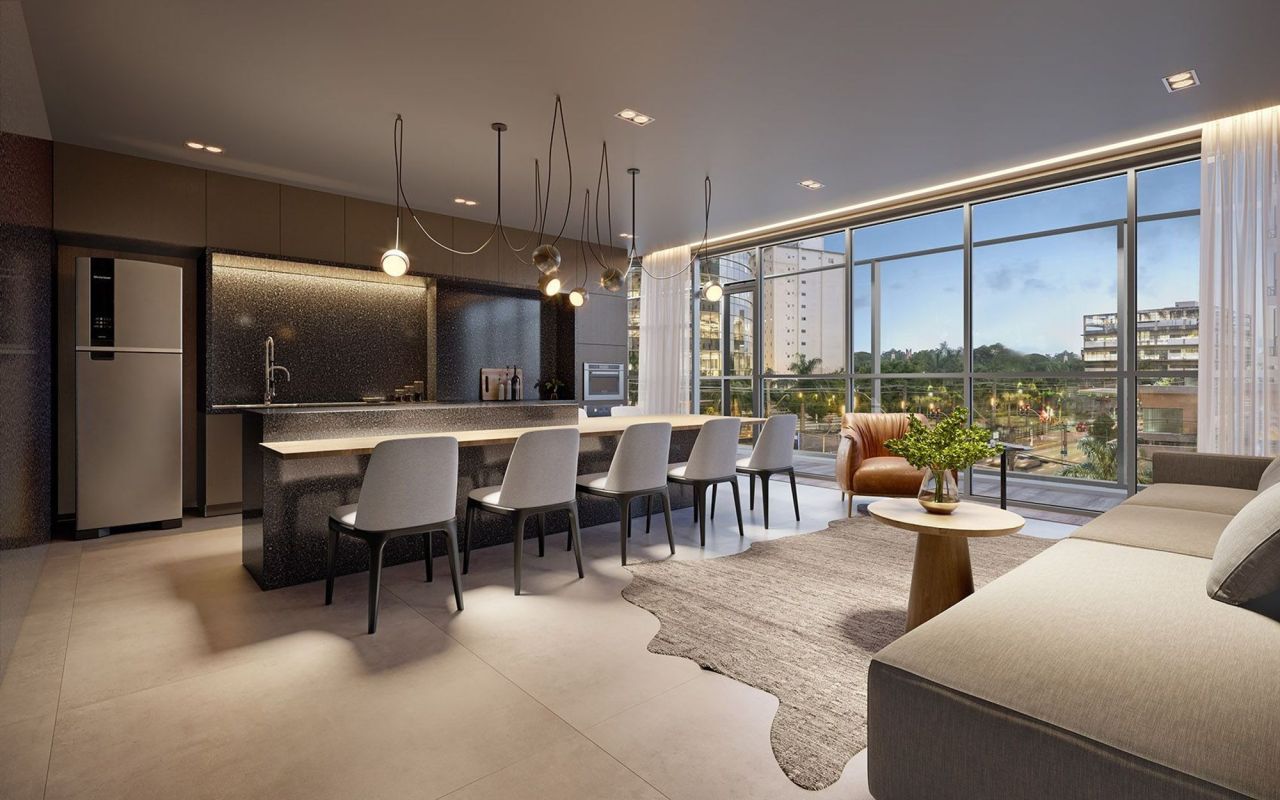
Novo apartamento 1+1 em um complexo moderno em São Paulo
Apartamento
29 m2
1
1
120 800 $

Apartamento confortável 2+1 na área central de São Paulo
61 m2
Sob consulta
2
222 300 $
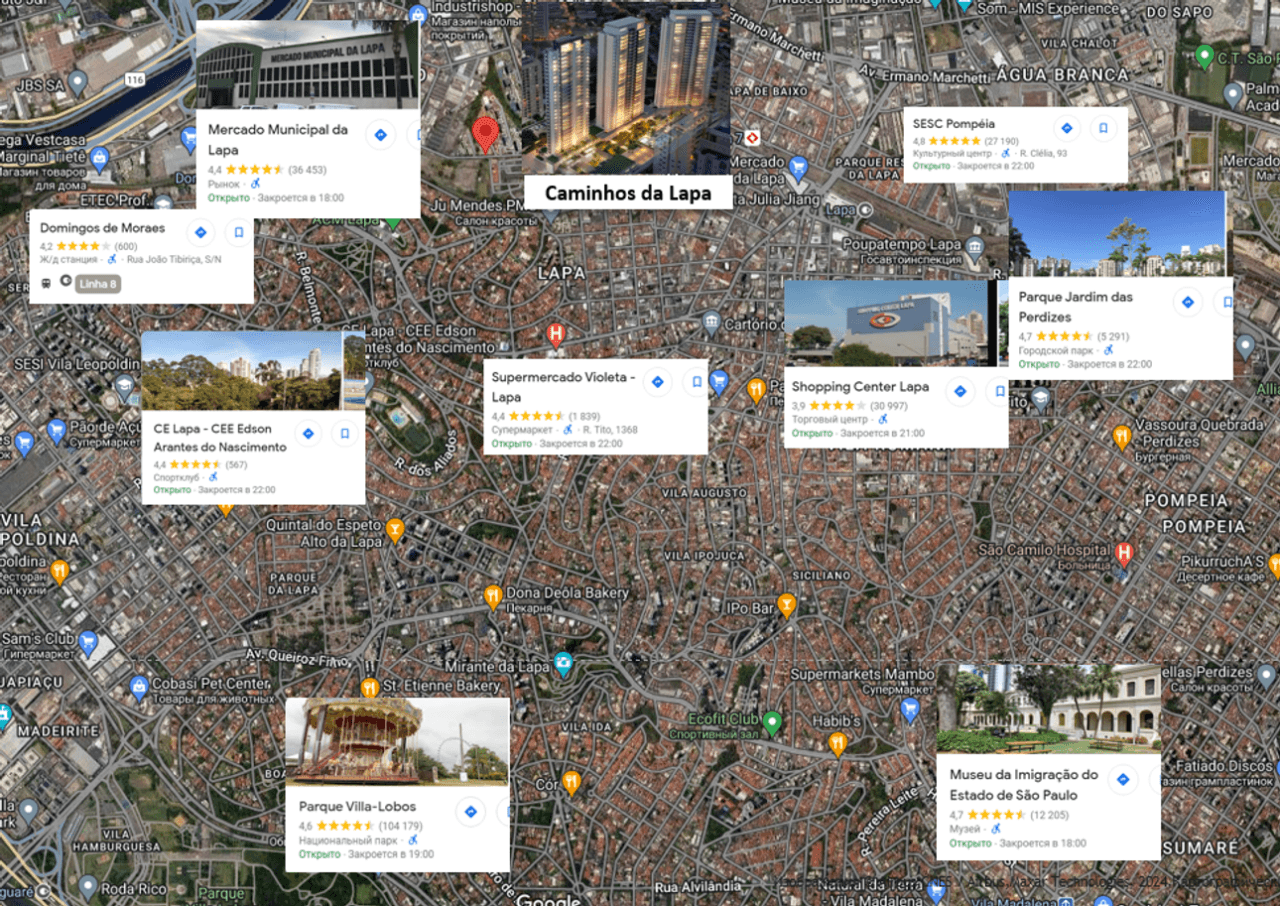
Apartamento moderno 3+1 no bairro da Lapa, em São Paulo
91 m2
1
3
306 500 $
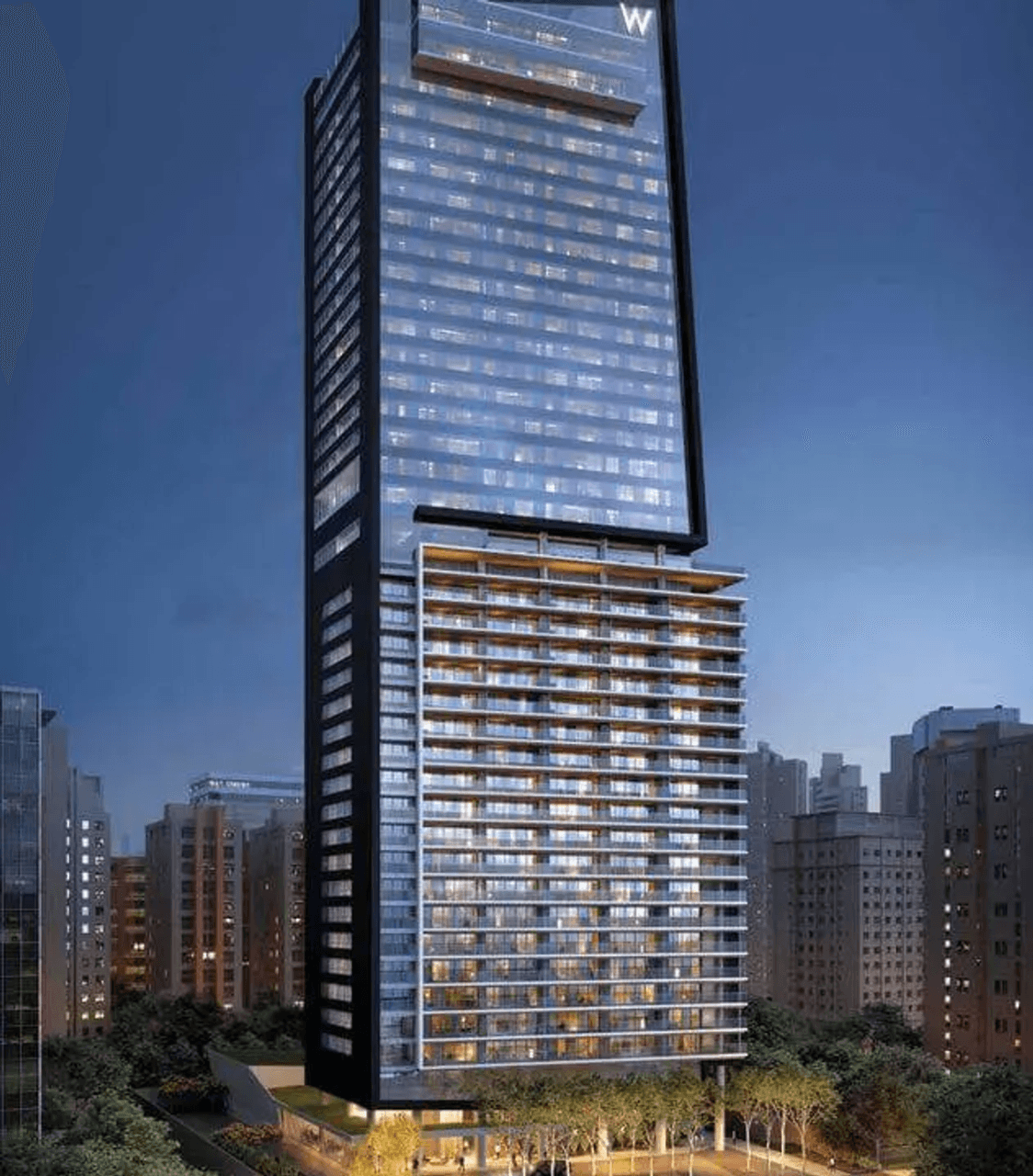
Apartamento 2+1 com vista próximo ao aeroporto em São Paulo
53 m2
Sob consulta
2
555 700 $
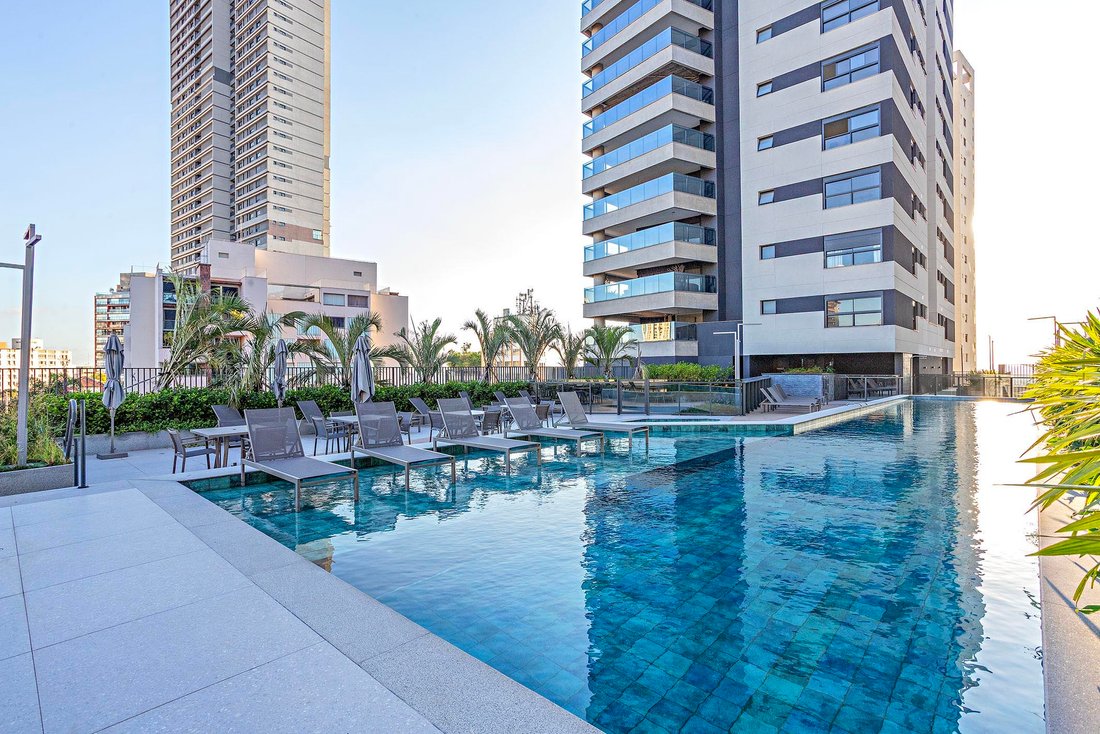
Apartamento 4+1 com escritório em São Paulo, Brasil
Apartamento
195 m2
2
4
656 000 $

Casa 3+1 com closet em São Paulo, Brasil
Casa
350 m2
1
3
673 000 $
Artigos úteis
e recomendações de especialistas
Secondary real estate in Sao Paulo - how the resale market stays functional
Why the secondary market works in Sao Paulo
The secondary real estate in Sao Paulo functions as a core part of the city housing system rather than a fallback option. The city has a very large base of completed residential buildings, and many buyers prefer assets that already operate within known management and maintenance frameworks. This keeps resale activity consistent across different market cycles.
The secondary housing market in Sao Paulo benefits from scale. With a wide spread of building ages and formats, buyers can select within defined layers instead of relying on future delivery. This allows pricing to be anchored to existing comparables rather than projections, which supports more stable negotiation dynamics.
Decision logic for buyers often starts with readiness. A completed unit allows immediate evaluation of layout, building condition, and operational structure. In a city with constant professional mobility and internal relocation, this clarity supports frequent transactions and repeat buyers.
Verification logic is built into the normal flow of resale deals. Buyers commonly expect a standard sequence of ownership confirmation, encumbrance review, and occupancy verification. When these steps are prepared early, the transaction timeline remains predictable and reduces the need for last minute adjustments.
Comparison logic between resale and new build also reinforces the market. While new projects attract a specific audience, many buyers in Sao Paulo prefer to compare what exists today across multiple segments. This keeps the secondary market active and responsive to changing demand patterns.
Who buys on the secondary market in Sao Paulo
Buyer demand in Sao Paulo is diversified and segmented. A significant portion of resale buyers are local movers who already live in the city and are adjusting their housing to new family, work, or budget needs. This creates a steady internal flow within the secondary housing market in Sao Paulo.
Another important segment consists of professional relocations. These buyers often prioritize timing and certainty, making resale property in Sao Paulo an efficient option. Their decision logic emphasizes completed buildings, clear documentation, and the ability to align purchase timing with personal schedules.
There are also buyers who approach the market with a long term allocation mindset. They focus on established areas, consistent demand drivers, and assets that can be resold within the same market layer. For this group, secondary real estate in Sao Paulo offers transparency and historical comparability.
Verification logic varies by segment but follows similar principles. Local movers often coordinate a sale and purchase, so timing clarity is critical. Relocation buyers focus on document readiness and occupancy alignment. Long term allocators emphasize ownership continuity and clarity of the title record.
Comparison logic between buyer types explains why liquidity differs across segments. Units aligned with the expectations of their primary buyer group tend to move faster. When a unit is positioned outside its natural segment, pricing and timing usually need adjustment to restore balance.
Property types and price logic in Sao Paulo
Secondary supply in Sao Paulo is dominated by apartment buildings of varying heights and eras, often managed through organized condominium structures. Within this broad category, market layers are defined by building age, layout families, and maintenance standards rather than individual features.
Price logic in the resale market is typically anchored to segment norms. Buyers compare a unit to others within the same building era and area band, adjusting expectations based on condition relative to what is common for that layer. This keeps pricing discussions grounded and reduces speculative swings.
Decision logic for buyers involves choosing the right layer first. Once a layer is selected, individual units are evaluated for alignment with that segment. This approach is more effective than comparing across unrelated stock types, which can distort expectations and slow negotiations.
Verification logic supports pricing. Units positioned at the upper end of a segment generally need a clean and complete documentation package to justify timing and price expectations. When documentation requires additional coordination, buyers often recalibrate pricing to reflect the extra process steps.
Comparison logic with new developments highlights the difference in value composition. New build pricing may reflect future amenities or delivery stages, while resale apartments in Sao Paulo are priced based on existing condition and immediate usability. Buyers benefit from separating these logics when making decisions.
Legal clarity in secondary purchases in Sao Paulo
Legal clarity in Sao Paulo resale transactions is achieved through a structured sequence of standard checks. These checks focus on confirming the ownership record, reviewing encumbrances, and ensuring that the occupancy status aligns with the planned transfer. This sequence supports a smooth closing when followed consistently.
Because many buildings have been operating for years, some units carry longer ownership histories. This is normal in the secondary market and does not complicate transactions when the ownership chain is mapped clearly. Buyers should expect a procedural review rather than a simplified shortcut.
Decision logic includes understanding the authority structure of the seller. In some cases, representation or delegated authority is used, which requires confirmation of scope and validity. This is a standard control point that keeps the transaction aligned with formal requirements.
Verification logic remains neutral and process driven. Common steps include reviewing an ownership extract, conducting an encumbrance check, verifying registered occupants status, and confirming required consents. If any element is incomplete, it is appropriate to pause and clarify before proceeding.
Comparison logic with other markets shows that Sao Paulo benefits from established transaction practices. While each unit is unique, the overall framework is repeatable. Buyers who respect this framework usually experience more predictable timing and fewer adjustments during closing.
Areas and market segmentation in Sao Paulo
Market segmentation in Sao Paulo is best understood through functional zones rather than a single center. Buyers distinguish between consolidated urban areas with strong service infrastructure, transitional zones with mixed stock, and peripheral areas where supply can be broader and pricing more sensitive.
Within each zone, secondary real estate in Sao Paulo is further segmented by building era and condominium profile. This segmentation affects both pricing and liquidity, as different buyer groups are drawn to different combinations of location stability and building characteristics.
Decision logic for area selection should focus on demand consistency. Areas with diversified end user demand tend to support steadier resale activity. Buyers often compare how frequently similar units trade rather than focusing on isolated transactions.
Verification logic is connected to segmentation. In some areas, documentation patterns are more standardized due to newer stock. In others, older stock requires careful alignment of historical records. Planning the timeline according to the chosen segment helps avoid unnecessary pressure during closing.
Comparison logic between areas should remain market level. The goal is to understand liquidity behavior and pricing comparability, not to evaluate individual buildings. This approach keeps expectations realistic and supports more efficient negotiations.
Secondary vs new build comparison in Sao Paulo
In Sao Paulo, buyers frequently compare secondary purchases with new build options as parallel paths rather than substitutes. Each path serves different priorities. Secondary purchases emphasize readiness and transparency, while new builds emphasize future delivery and standardized packages.
Decision logic often starts with timing. Buyers who need immediate use or predictable settlement dates tend to prefer resale property in Sao Paulo. Buyers who can plan around staged delivery may consider new developments. Aligning this choice early prevents strategy shifts mid process.
Verification logic differs between the two markets. New build verification focuses on developer documentation and project status. Secondary verification focuses on unit specific ownership and occupancy alignment. Understanding this distinction helps buyers prepare the right checklist.
Comparison logic should include price structure. Resale pricing reflects current market conditions and existing asset quality. New build pricing may incorporate future expectations. Buyers should compare outcomes on a like for like basis, considering readiness and variability.
When approached calmly, this comparison clarifies rather than complicates the decision. The secondary housing market in Sao Paulo remains attractive because it offers immediate clarity and established market references.
How VelesClub Int. helps with secondary purchases in Sao Paulo
VelesClub Int. supports buyers by structuring the Sao Paulo resale process around clear decision points and standard verification steps. The focus is on keeping the transaction predictable and aligned with the chosen market segment.
We assist in defining the right segment before active negotiations. This includes selecting appropriate stock layers, setting realistic comparables, and aligning expectations around condition and documentation readiness. This reduces time spent on misaligned options.
Our verification support follows a consistent checklist. We coordinate ownership record review, encumbrance checks, registered occupants verification, and consent alignment when applicable. If something requires clarification, we pause and clarify early to keep the sequence clean.
We also support comparison between secondary and new build options when buyers are deciding. The comparison is based on timing, transparency, and process variability, allowing buyers to choose with confidence and avoid mid process changes.
By coordinating communication and documentation flow, VelesClub Int. helps ensure that secondary real estate in Sao Paulo transactions move forward calmly and efficiently.
Frequently asked questions about secondary real estate in Sao Paulo
How do I assess liquidity when choosing resale apartments in Sao Paulo?
Focus on segment behavior rather than individual units; check how often similar stock trades, verify pricing comparables within the same layer, avoid mixing unrelated building eras, and pause and clarify when data points do not align
What are the first verification steps when buying apartment on the secondary market in Sao Paulo?
Start with ownership confirmation, run an encumbrance check, verify registered occupants status, avoid relying on informal summaries, and pause and clarify if any document is missing or inconsistent
How does building age affect resale property in Sao Paulo?
Building age defines the segment baseline; verify that condition aligns with segment norms, check documentation continuity for older stock, avoid cross segment comparisons, and pause and clarify when historical records need alignment
Why do some secondary deals in Sao Paulo take longer to close?
Timing differences usually relate to coordination needs; check consent requirements, verify delegated authority scope, avoid compressing standard steps, and pause and clarify when approvals are still pending
How should I compare secondary housing market in Sao Paulo with new developments?
Compare readiness, transparency, and timing variability; verify what is available today versus what depends on future delivery, avoid mixing pricing logic, and pause and clarify if expectations differ
What should I do if seller representation is used in a Sao Paulo resale deal?
Treat representation as a standard control point; verify authority documents, confirm scope matches the transaction, avoid assumptions, and pause and clarify if alignment is incomplete
Can documentation checks be handled without slowing the deal?
Yes, when handled early; verify key records upfront, share a clear checklist, avoid stacking requests late, and pause and clarify calmly when new information appears
Conclusion - understanding the secondary market in Sao Paulo
The secondary market in Sao Paulo remains a central pillar of the city housing system due to its scale, segmentation, and established transaction practices. Buyers benefit from choosing the right market layer and using consistent comparables.
Verification steps should be seen as alignment tools rather than obstacles. When buyers are prepared to pause and clarify, transactions stay structured and predictable. This approach supports smoother execution and clearer outcomes.
With structured guidance and process driven coordination, VelesClub Int. helps buyers navigate secondary real estate in Sao Paulo with confidence, clarity, and realistic expectations