
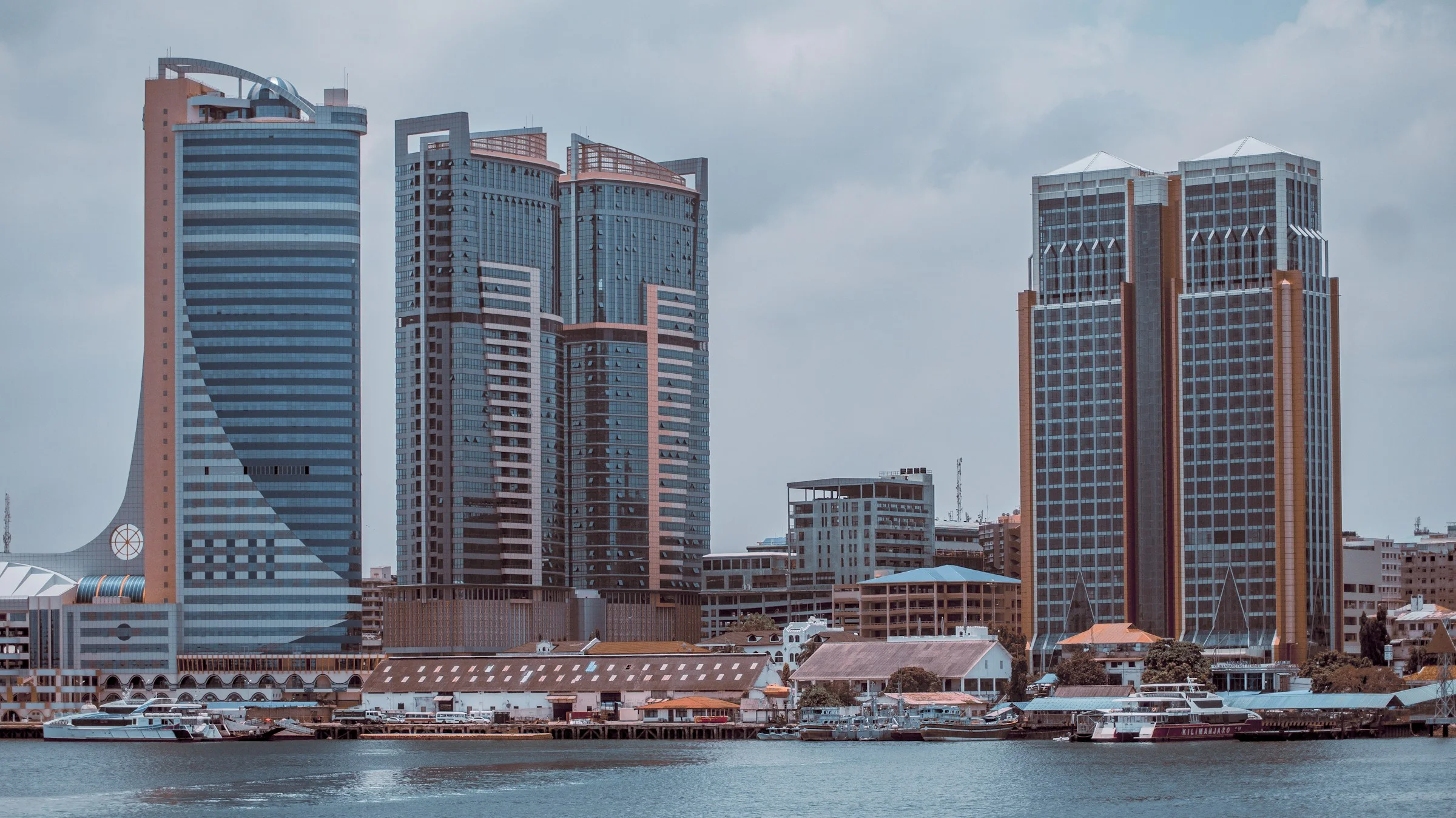
Real estate in Dar es Salaam, TanzaniaCoastal capital with portstowers, and fast growth
Best offers
in Dar es Salaam
Benefits of investment in
Tanzania real estate

Tourism drives rental and resort demand
Zanzibar and Dar es Salaam attract hotel, villa, and short-term rental projects fueled by steady tourist inflow.
Low land prices, limited competition
Affordable land and fewer foreign developers make Tanzania a strategic early-mover market.
Investment-friendly environment with lease access
Foreigners can invest through company structures, supported by national tourism and land programs.
Tourism drives rental and resort demand
Zanzibar and Dar es Salaam attract hotel, villa, and short-term rental projects fueled by steady tourist inflow.
Low land prices, limited competition
Affordable land and fewer foreign developers make Tanzania a strategic early-mover market.
Investment-friendly environment with lease access
Foreigners can invest through company structures, supported by national tourism and land programs.



Useful articles
and recommendations from experts
Real Estate in Dar es Salaam, Tanzania
Why Invest in Property in Dar es Salaam
Dar es Salaam is the commercial heart of Tanzania and one of the fastest-growing urban centers in East Africa. As the country's economic engine, it serves as a hub for trade, logistics, finance, and tourism. With rapid population growth, increasing foreign investment, and infrastructure development, the real estate market in Dar es Salaam presents compelling opportunities for local and international buyers. From high-rise apartments to commercial office blocks, beachfront villas to land development, the city offers a wide range of investment scenarios.
Types of Property Available
The real estate landscape in Dar es Salaam includes:
- Residential apartments — High-rise buildings in central districts like Upanga, Masaki, and Oyster Bay with modern amenities and sea views.
- Standalone houses and villas — Located in suburbs such as Mikocheni, Kunduchi, and Kigamboni, often in gated compounds or along the coast.
- Commercial real estate — Office buildings, retail spaces, and mixed-use developments in downtown Dar, Kariakoo, and new business zones.
- Land plots — For residential, industrial, or tourism development, especially in peripheral districts or near future infrastructure hubs.
- Hospitality assets — Boutique hotels and guesthouses, particularly in coastal areas or near the ferry terminal to Zanzibar.
Legal Ownership and Foreign Buyer Access
Property ownership in Tanzania is governed by the Land Act and Land Registration Act:
- All land is owned by the state — Buyers acquire a Right of Occupancy (long-term leasehold).
- Foreigners cannot directly own land — But can lease through approved projects or Tanzanian-registered entities.
- Lease terms — Typically 33, 66, or 99 years depending on land category and intended use.
- Foreigners can buy apartments or buildings — Especially through condominium schemes where the land is already titled and permitted for foreign access.
- Approval process — Foreign investors must often get TIC (Tanzania Investment Centre) approval for large projects.
Prices and Market Trends
Real estate prices in Dar es Salaam vary significantly based on location, property type, and infrastructure access:
- 1-bedroom apartment (Masaki/Upanga): $80,000 – $150,000
- 3-bedroom luxury apartment: $200,000 – $400,000
- Villas with pools (Oyster Bay, Msasani): $300,000 – $700,000
- Commercial office space (CBD): $1,200 – $2,500 per sq. meter
- Land plots (Mbezi Beach, Kigamboni): $25 – $150 per sq. meter
Rental Market and Yields
Rental demand in Dar es Salaam is driven by:
- Expats and diplomats — Working with embassies, NGOs, and multinational corporations.
- Local professionals — Particularly in banking, telecom, and logistics sectors.
- Corporate leases — For office and retail tenants in central business areas.
- Apartments: 6% – 9%
- Standalone homes: 4% – 6%
- Commercial space: 8% – 12%
- 2-bedroom furnished apartment (Masaki): $1,000 – $2,000/month
- Luxury 4-bedroom villa: $2,500 – $4,000/month
- Retail unit in CBD: $20 – $40 per sq. meter/month
Top Areas for Real Estate Investment
Popular and emerging districts include:
- Masaki — Premium expat district with embassies, restaurants, and modern apartments.
- Oyster Bay — Coastal villas and embassies, high rental appeal.
- Upanga — Central, close to government offices and business hubs.
- Mbezi Beach — Growing residential suburb with future growth potential.
- Kigamboni — Connected by the Nyerere Bridge, popular for beachfront land and long-term speculation.
- Kariakoo — Bustling commercial and retail district.
Buying Process and Legal Steps
The process of acquiring property in Dar es Salaam includes:
- Legal due diligence — Verifying title, lease term, zoning, and encumbrances through the Ministry of Lands.
- Sale agreement — Signed between buyer and seller with deposit (~10%).
- Land Office approval — Transfer of lease rights registered with the Commissioner for Lands.
- Notary and registration — Transaction completed via lawyer or licensed conveyancer.
- Final payment and possession — Upon issuance of title confirmation.
- Legal fees: 1% – 2%
- Registration fee: 0.5%
- Stamp duty: 1%
- Capital gains tax (for seller): 10%
Who Should Invest in Dar es Salaam
The city is suitable for:
- Buy-to-let investors — Targeting rental income from the growing urban middle class and expat market.
- Long-term developers — Focusing on affordable housing, serviced apartments, or hospitality ventures.
- Industrial land buyers — For warehousing and logistics close to the port or main roads.
- Diaspora investors — Tanzanians living abroad returning for personal or family use.
Conclusion
Dar es Salaam is evolving into a dynamic East African metropolis with strong real estate fundamentals. While land ownership laws require careful navigation, opportunities exist across residential, commercial, and tourism-linked sectors. With urban growth outpacing housing supply and infrastructure improving rapidly, investors who understand the legal landscape and partner with local professionals can benefit from attractive yields and long-term capital appreciation in Tanzania’s largest city.