
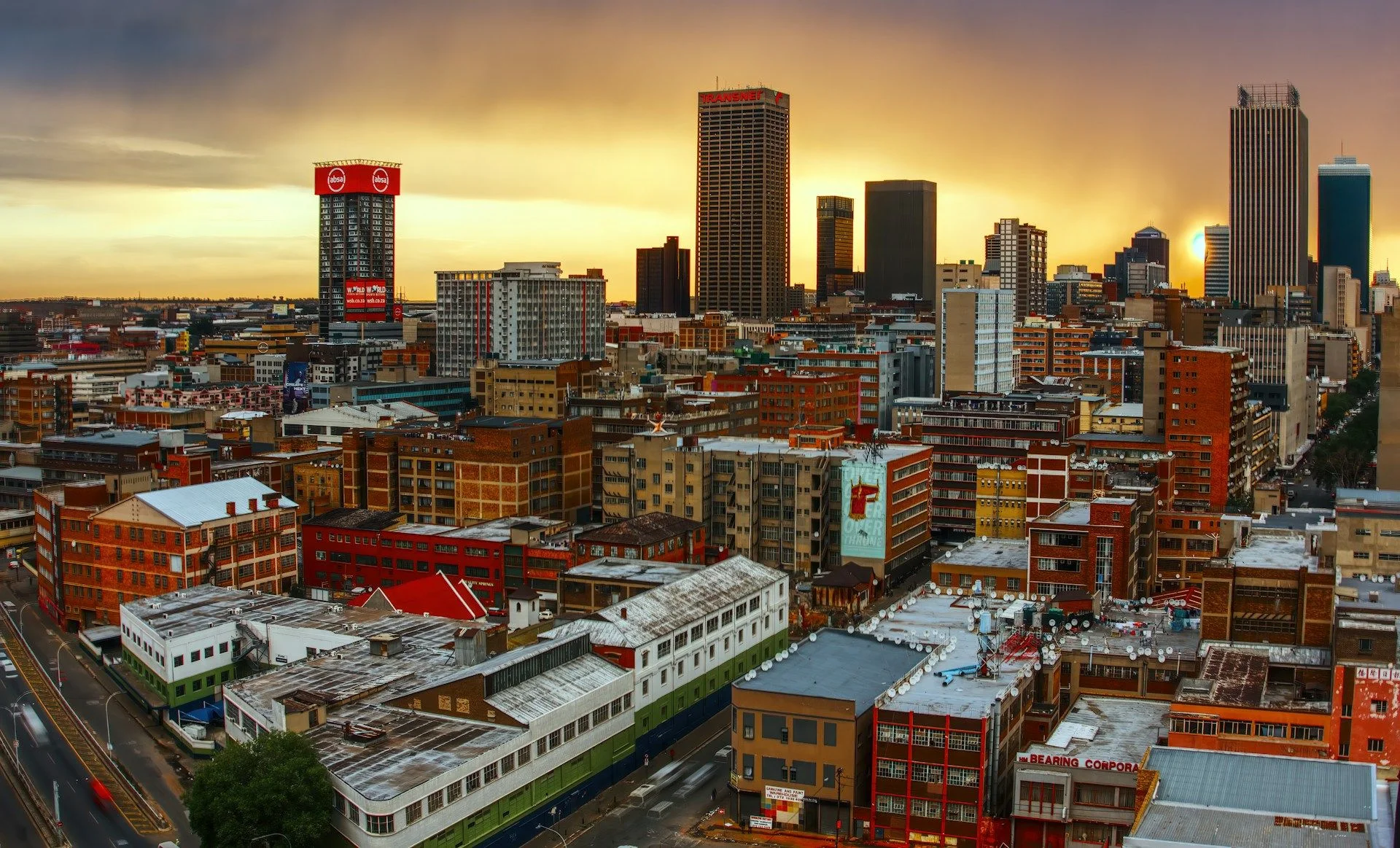
Johannesburg Real Estate for Investment – Opportunities for BuyersUrban lofts and apartments inregenerated CBD
Best offers
in Johannesburg
Benefits of investment in
South Africa real estate


Diverse real estate from coast to safari
South Africa offers mountainside estates, city apartments, game lodges, and beachfront villas — all in one market.
High-end homes at globally low prices
Luxury property in Cape Town or Johannesburg remains attractively priced by international standards, especially for cash buyers.
Robust legal system and ownership rights
Foreigners can fully own property, with transparent contracts and established notarial systems ensuring transaction safety.
Diverse real estate from coast to safari
South Africa offers mountainside estates, city apartments, game lodges, and beachfront villas — all in one market.
High-end homes at globally low prices
Luxury property in Cape Town or Johannesburg remains attractively priced by international standards, especially for cash buyers.
Robust legal system and ownership rights
Foreigners can fully own property, with transparent contracts and established notarial systems ensuring transaction safety.









Useful articles
and recommendations from experts
Real Estate in Johannesburg: Africa's Economic Powerhouse
Why Invest in Johannesburg Real Estate
Johannesburg, often referred to as the financial capital of Africa, is the largest city in South Africa and the economic engine of the continent. It is home to major corporate headquarters, stock exchanges, banks, and retail hubs, making it an attractive destination for real estate investment. As a city with a population exceeding 5.5 million in the metro area, Johannesburg offers a wide variety of opportunities across residential, commercial, and industrial real estate sectors.
The city's dynamic mix of modern infrastructure, international connectivity, and diversified economy supports steady demand for property — both for end-users and investors. Whether you're targeting high-income urban professionals, students, entrepreneurs, or logistics operators, Johannesburg’s real estate market offers multiple segments to explore. Additionally, the presence of a mature legal system, professional property management services, and favorable rental returns make it one of the most transparent and investable markets in sub-Saharan Africa.
Property Types and Popular Areas
Johannesburg offers a broad spectrum of property types catering to different income groups, lifestyles, and investment goals:
- Luxury Residential: Areas like Sandton, Rosebank, Hyde Park, and Houghton Estate are known for high-end apartments, mansions, and gated communities.
- Mid-income Suburbs: Randburg, Fourways, and Northcliff are favored by middle-class professionals and families.
- Affordable Housing: Soweto, Southgate, and surrounding townships provide opportunities for social housing and entry-level investors.
- Commercial Real Estate: Johannesburg CBD, Sandton, and Rosebank are hubs for offices, co-working spaces, and business parks.
- Retail Spaces: The city is home to some of Africa’s largest malls, such as Sandton City and Mall of Africa, with surrounding areas offering retail development potential.
- Industrial Property: Areas like Isando, Midrand, and Germiston attract logistics firms, manufacturers, and warehouse operators.
In addition, Johannesburg’s student population has created demand for student accommodation in areas near the University of Johannesburg, Wits University, and the Vaal campuses.
Prices, Rental Yields, and Demand Trends
Johannesburg offers a wide pricing spectrum:
- Luxury apartments in Sandton or Rosebank: $1,000 to $2,500 per square meter.
- Mid-range apartments or townhouses: $500 to $900 per square meter.
- Affordable homes in townships: Often under $300 per square meter, with land still available for development.
Rental yields in Johannesburg are generally competitive compared to global cities:
- Luxury apartments: 5%–7% annual yield.
- Mid-range rentals: 8%–10% yield, especially near commercial hubs.
- Affordable housing or student accommodation: Can exceed 12% in some high-demand areas, depending on management quality.
There is increasing demand for secure complexes with backup power, water storage, and solar installations — a response to ongoing power outages (load shedding). Properties that include these features are now commanding rental and resale premiums.
Buying Process and Legal Aspects
South Africa offers one of the most open property markets in Africa. Both foreigners and residents can freely buy, own, and sell real estate with full title ownership. There are no restrictions on land ownership for foreign nationals, although large agricultural or strategic purchases may be subject to review.
The standard purchase process involves:
- Finding a property through a registered estate agent or online listings.
- Submitting an offer to purchase and securing acceptance by the seller.
- Engaging a conveyancing attorney (required by law) to manage title transfer and registration.
- Paying transfer duty and attorney fees.
- Registration of title at the Deeds Office, usually completed within 6–10 weeks.
Foreign investors typically fund purchases through offshore transfers. Mortgages are available, but more commonly accessed by residents. Non-residents may need to place a larger down payment (often 50%) and provide extensive documentation.
Opportunities for Foreign Investors
Johannesburg presents numerous avenues for foreign investors seeking stable returns and long-term growth:
- Buy-to-let apartments: Targeting professionals or students in Sandton, Rosebank, or Melville.
- Commercial office space: Investing in refurbished office blocks with strong tenants in Johannesburg CBD or Rosebank.
- Retail strips and malls: Johannesburg’s consumer base supports significant retail investment across formal and informal nodes.
- Student housing projects: Developing purpose-built accommodations near tertiary institutions is a growing niche with high occupancy rates.
- Industrial property: With demand driven by e-commerce and logistics, warehouses and truck depots along major corridors (e.g., Midrand, Isando) offer strong returns.
South Africa also offers Section 12J incentives (being phased out but still relevant for older investments), allowing tax deductions on investments in certain asset classes, including hospitality and SME-focused developments.
Infrastructure and Urban Development
Johannesburg continues to benefit from significant infrastructure investments. The city boasts Africa’s most developed road network, with links via the N1, N3, and M1 highways. The Gautrain — a high-speed rail link — connects Sandton to OR Tambo International Airport and Pretoria, enhancing accessibility and raising real estate values along the line.
Urban regeneration projects in the Johannesburg CBD are attracting institutional investors and developers. Key initiatives include:
- Maboneng Precinct: A creative and residential hub with boutique apartments and galleries.
- Newtown Cultural District: With converted warehouses and historic buildings turned into commercial and cultural spaces.
- Rosebank Green Economy Plan: A push toward green buildings and energy efficiency in commercial development.
Efforts to increase security, restore public amenities, and integrate green spaces are ongoing, enhancing the city’s liveability and appeal for investors and residents alike.
Challenges and Considerations
While Johannesburg presents lucrative opportunities, investors should also consider the following challenges:
- Security: Crime remains a concern in parts of the city, necessitating investment in security infrastructure or focusing on gated communities.
- Power reliability: Load shedding is an ongoing issue. Properties with backup power systems are more attractive to tenants and buyers.
- Vacancy rates: In some commercial sectors (especially post-COVID), vacancy rates are still recovering.
- Currency volatility: The South African Rand (ZAR) is subject to fluctuations, which can impact returns for foreign investors.
Mitigating these risks involves choosing locations with strong fundamentals, working with local professionals, and incorporating contingency planning into financial models.
Conclusion: Is Johannesburg a Good Real Estate Investment?
Johannesburg remains one of Africa’s most investable cities for real estate. It offers a mature legal environment, diverse property segments, and high rental yields, particularly in the residential and logistics sectors. While operational challenges exist, they are manageable with proper planning and can even present opportunities for value-adding improvements.
Foreign investors benefit from unrestricted ownership rights, a robust legal system, and a competitive real estate market where professional services are readily available. Whether your strategy involves capital appreciation, rental income, or redevelopment, Johannesburg provides a broad canvas for smart, diversified real estate investment.
From student housing in Braamfontein to luxury penthouses in Sandton or distribution centers in Midrand, Johannesburg’s property market offers depth, resilience, and a future-forward trajectory.