
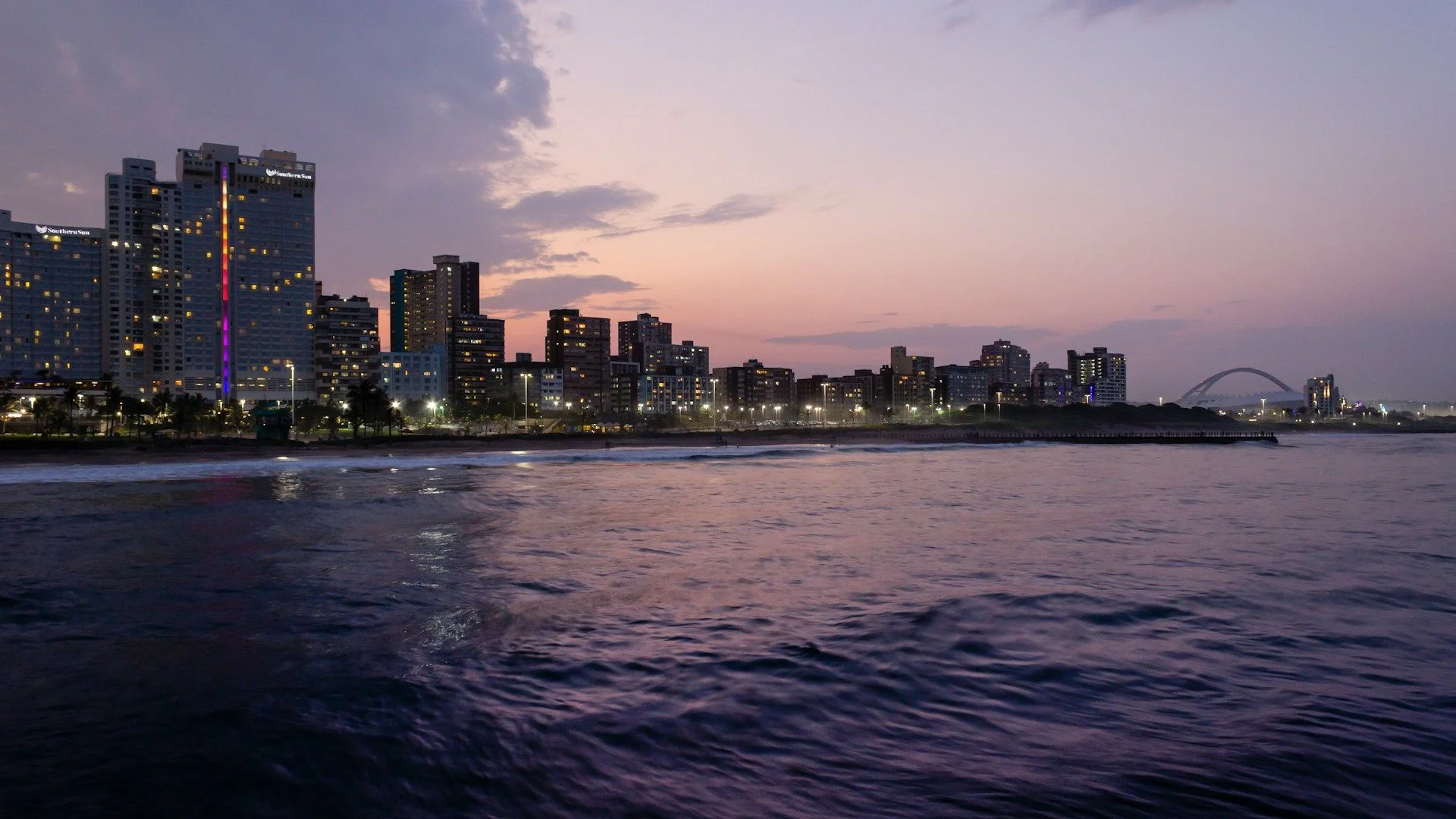
Durban Real Estate for Investment – Opportunities for BuyersOceanview condos along Durban’s Golden Mile
Best offers
in Durban
Benefits of investment in
South Africa real estate


Diverse real estate from coast to safari
South Africa offers mountainside estates, city apartments, game lodges, and beachfront villas — all in one market.
High-end homes at globally low prices
Luxury property in Cape Town or Johannesburg remains attractively priced by international standards, especially for cash buyers.
Robust legal system and ownership rights
Foreigners can fully own property, with transparent contracts and established notarial systems ensuring transaction safety.
Diverse real estate from coast to safari
South Africa offers mountainside estates, city apartments, game lodges, and beachfront villas — all in one market.
High-end homes at globally low prices
Luxury property in Cape Town or Johannesburg remains attractively priced by international standards, especially for cash buyers.
Robust legal system and ownership rights
Foreigners can fully own property, with transparent contracts and established notarial systems ensuring transaction safety.









Useful articles
and recommendations from experts
Real Estate in Durban: Coastal Investment Opportunities in South Africa
Why Invest in Durban Real Estate
Durban, located on South Africa’s eastern coast along the Indian Ocean, is the country’s third-largest city and the busiest port in sub-Saharan Africa. Known for its warm climate, vibrant cultural mix, and long beaches, Durban presents a compelling case for real estate investors seeking coastal properties, stable rental income, and urban development potential. It is a major economic and logistics center in KwaZulu-Natal and plays a key role in regional trade, tourism, and manufacturing.
The city has seen steady investment in infrastructure, hospitality, logistics, and residential development. Durban is also a favored destination for domestic tourists and retirees, adding to year-round rental demand. The presence of the Dube TradePort, King Shaka International Airport, and multiple industrial parks strengthens the city’s economic base and supports real estate growth in both residential and commercial segments.
Property Types and Popular Areas
Durban offers a broad spectrum of real estate options that cater to a variety of investors and end-users:
- Beachfront apartments: Found along the Golden Mile, Umhlanga Rocks, and South Beach, popular with tourists and expats.
- Luxury homes: Areas like La Lucia, Berea, and Durban North offer high-end properties with sea views, gated security, and modern architecture.
- Suburban family homes: Glenwood, Westville, and Morningside provide spacious houses and gardens in well-established neighborhoods.
- Affordable housing: Investment opportunities exist in townships and newly built mixed-income developments around Inanda, Umlazi, and Phoenix.
- Student and short-term rentals: Near institutions like the University of KwaZulu-Natal and Durban University of Technology.
- Commercial and retail properties: Durban CBD, Umhlanga Ridge, and Springfield Park are key business and logistics areas.
Durban’s beachfront real estate is particularly attractive for short-term rental investors, while inland suburbs offer greater affordability and longer-term capital growth potential.
Prices, Rental Yields, and Demand Trends
Durban remains more affordable than Cape Town or Johannesburg, while still offering strong rental returns. Average property prices include:
- Beachfront condos in Umhlanga: $1,500–$3,500 per square meter depending on views and amenities.
- Suburban homes (Westville, Glenwood): $600–$1,200 per square meter.
- Affordable housing developments: From $300 per square meter in developing zones.
Rental yields in Durban are attractive:
- Short-term rentals (coastal zones): 8%–12% annually with proper occupancy management.
- Mid-range residential rentals: 6%–9% in stable suburbs with schools and transport access.
- Student housing: Yields can reach 10%–13% in areas near tertiary institutions.
The rental market remains strong due to Durban’s role as a tourist center, commercial port, and educational hub. High summer demand supports seasonal letting, while families, students, and professionals drive year-round occupancy in inland areas.
Buying Process and Legal Aspects
South Africa offers a transparent and structured property buying process that is open to foreign investors. Non-residents can purchase property with full ownership rights, including land, as long as they comply with financial regulations and register any cross-border payments with the South African Reserve Bank.
The purchase process involves:
- Finding a property via a registered estate agent or online portal.
- Submitting an Offer to Purchase (OTP) which becomes binding upon acceptance.
- Engaging a conveyancing attorney (appointed by the seller) to manage title transfer.
- Paying a deposit (usually 10%) into a trust account held by the attorney.
- Paying transfer duty and fees, followed by official registration with the Deeds Office.
Most transactions take 6 to 10 weeks to complete. Foreign buyers may purchase property in their own name or via a registered South African company. Mortgage financing is possible for non-residents, although banks may require a 50% deposit and proof of income.
Opportunities for Foreign Investors
Durban’s real estate market presents several promising niches for international investors:
- Vacation rentals: Properties in Umhlanga, South Beach, and Durban North generate strong holiday rental income.
- Long-term rental portfolios: Investing in affordable or mid-income housing for professionals and families offers consistent yields.
- Student accommodation: Purpose-built or renovated housing near the University of KwaZulu-Natal and Mangosuthu University of Technology.
- Retail and logistics space: Developments in and around Springfield Park and the N2 corridor serve Durban’s massive port and logistics industry.
- Retirement estates: Growing interest among domestic and foreign retirees has fueled gated estate developments along the North Coast.
Foreign investors can also take advantage of full property ownership, structured legal support, and the ability to earn income in South African Rand while holding assets denominated in a relatively low-cost market.
Infrastructure and Coastal Development
Durban continues to invest in large-scale infrastructure and coastal development projects. The city has undergone improvements in port facilities, transportation corridors, and public amenities. The expansion of the Dube TradePort and Aerotropolis is expected to attract new businesses and logistics firms, fueling demand for nearby housing and industrial space.
Other ongoing infrastructure developments include:
- Upgrades to the N2 and M4 highways: Enhancing connectivity between Durban, the North Coast, and inland towns.
- Modernization of beachfront promenades: Improving aesthetics and safety in high-traffic tourism areas.
- Public transport improvements: Aiming to reduce congestion and connect outlying suburbs to the CBD.
These improvements are contributing to both quality of life and property appreciation in adjacent areas, particularly in Umhlanga Ridge, Ballito, and Mount Edgecombe.
Challenges and Considerations
While Durban offers a favorable investment climate, potential challenges include:
- Political and municipal issues: Service delivery and local government inefficiencies may affect infrastructure maintenance in some suburbs.
- Security concerns: Like many South African cities, crime can be an issue — gated communities and security systems are standard expectations.
- Load shedding and water supply: Properties with solar, backup power, and water tanks are increasingly favored.
- Climate vulnerability: Low-lying coastal zones may face flood risks during extreme weather events.
These risks can be mitigated through careful area selection, investment in secure developments, and working with reliable local agents and advisors.
Conclusion: Is Durban a Smart Property Investment?
Durban combines coastal lifestyle, affordability, and commercial strength to present a well-rounded real estate investment opportunity. With its active port, growing infrastructure, and robust tourism sector, Durban remains under the radar compared to Cape Town or Johannesburg — making it attractive for early investors seeking value and yield.
From beachfront vacation apartments to long-term residential portfolios and logistics real estate, the city offers a variety of investment channels. Legal clarity, full ownership rights for foreigners, and diversified tenant demand further enhance its appeal. For those looking to build a presence in South Africa’s property market, Durban is a compelling choice with strong fundamentals and excellent upside potential.