
Real estate in Panama City, PanamaCoastal skyline withglobal flow and tax appeal
Best offers
in Panama City
Benefits of investment in
Panama real estate


Tax-friendly hub with international connectivity
Panama City is a logistics and financial center offering residency programs and no tax on foreign income — ideal for globally mobile investors.
Rental demand from expats and remote professionals
The city attracts digital nomads, entrepreneurs, and retirees seeking high-speed internet, services, and warm weather.
Property ownership with long-term security
Foreigners can fully own real estate, including land and apartments, with strong legal protections.
Tax-friendly hub with international connectivity
Panama City is a logistics and financial center offering residency programs and no tax on foreign income — ideal for globally mobile investors.
Rental demand from expats and remote professionals
The city attracts digital nomads, entrepreneurs, and retirees seeking high-speed internet, services, and warm weather.
Property ownership with long-term security
Foreigners can fully own real estate, including land and apartments, with strong legal protections.








Useful articles
and recommendations from experts
Real Estate in Panama City
Why Invest in Property in Panama City
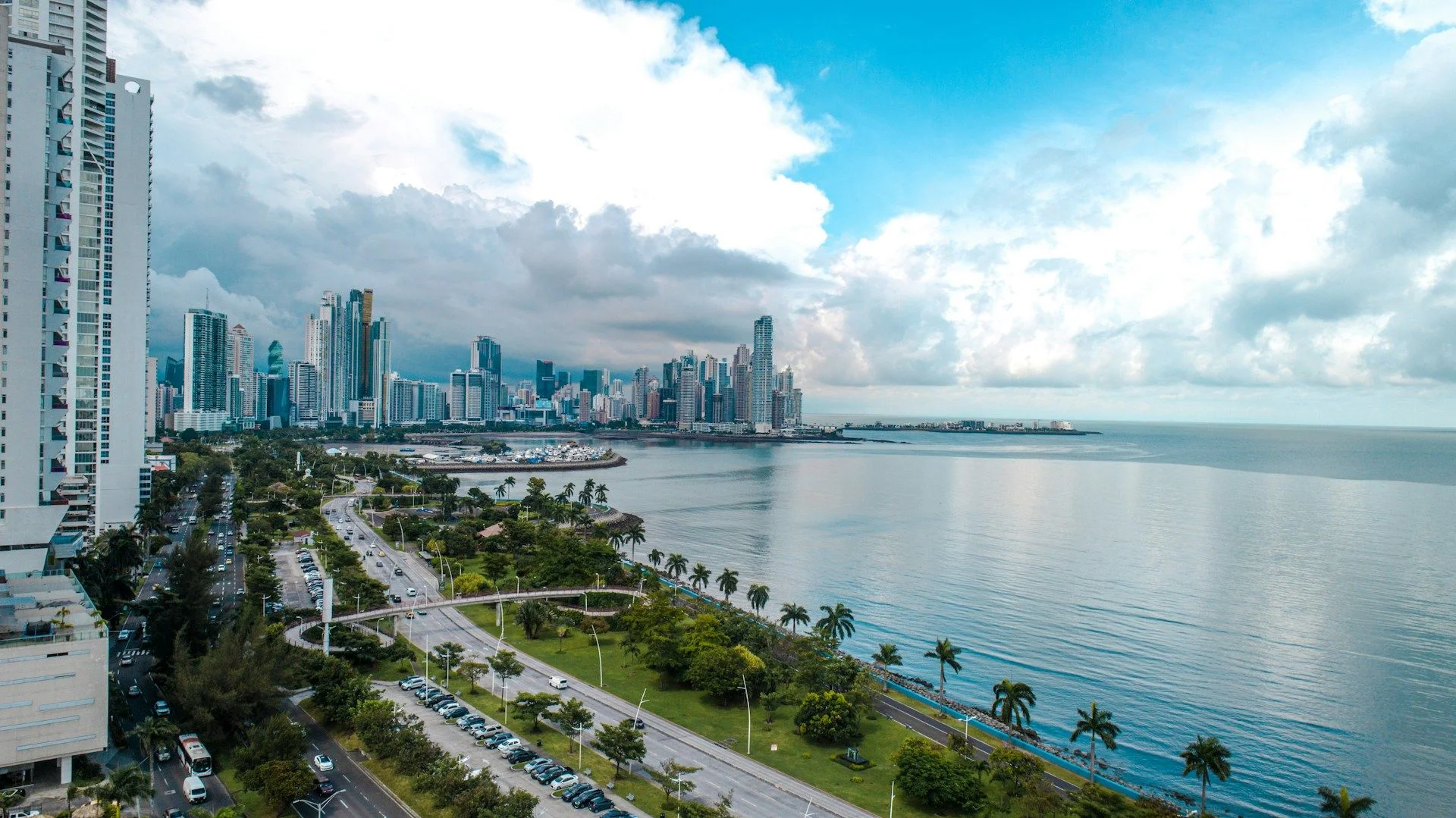
Panama City is one of Latin America's most dynamic real estate markets, known for its business-friendly climate, tax advantages, and skyline of modern high-rises. As the capital of Panama and a key financial and logistics hub for the Americas, the city attracts foreign investors, retirees, multinational corporations, and digital entrepreneurs. With USD as legal tender, no restrictions on foreign property ownership, and a robust legal framework, Panama City combines financial predictability with urban growth. Whether for rental income, capital appreciation, or relocation purposes, real estate in Panama City offers an attractive risk-reward profile for global investors.
Types of Property in Panama City
Panama City features a wide range of residential and commercial properties:
- High-rise apartments — Common in neighborhoods like Punta Pacifica, San Francisco, and Obarrio; popular with executives and expats.
- Luxury condos — Oceanfront or bay-view buildings with concierge, pools, and amenities, especially in Costa del Este and Avenida Balboa.
- Colonial and historic properties — Found in Casco Viejo, often renovated for boutique hotels, restaurants, or high-end residences.
- Suburban family homes — Located in areas like Clayton or Albrook, ideal for diplomats or families seeking space and greenery.
- Office buildings and retail space — Especially in the banking district and logistics zones.
- Pre-construction units — Available in ongoing developments with flexible payment plans and investment incentives.
Ownership and Legal Framework
Panama offers one of the most investor-friendly property ownership systems in Latin America:
- Foreigners can own 100% property rights — Including land and buildings, with the same rights as locals.
- No property purchase restrictions — Except for sensitive border or island areas.
- Title registration system — All real estate is registered at the Public Registry, offering secure ownership and transparency.
- Use of escrow accounts — Standard for property purchases, ensuring safe and traceable transactions.
- Low property taxes — Primary residences up to $120,000 are tax-exempt; properties above this level are taxed at a sliding scale (0.0%–0.7%).
Property Prices and Market Dynamics
Panama City’s market is segmented by district and building quality. Prices are generally favorable compared to Miami or Latin financial centers:
- Standard 2-bedroom apartment: $140,000 – $250,000
- Luxury 3-bedroom apartment in Punta Pacifica: $400,000 – $800,000
- Historic Casco Viejo properties: $300,000 – $1 million+ depending on size and renovation
- Office space: $1,500 – $2,500 per m² in central districts
- New developments: Pre-construction units from $120,000 upward, often with staged payment plans
Rental Yields and Income Potential
Panama City has a strong rental market with both long-term and short-term demand:
- Long-term rental yields: 4% – 6% net in prime locations, higher for well-managed properties with low maintenance costs.
- Short-term rentals (Airbnb): Growing in districts like Casco Viejo, El Cangrejo, and Punta Paitilla.
- Tenant demand: Expats, embassy staff, corporate workers, retirees, students, and digital nomads.
- Rental prices:
- 1-bedroom furnished apartment: $800 – $1,500/month in central areas
- 2-bedroom condo in Punta Pacifica: $1,200 – $2,000/month
- Short-term nightly rate (Airbnb): $80 – $250/night depending on location and amenities
Top Districts for Investment
Panama City offers distinct investment profiles by neighborhood:
- San Francisco — Central, walkable, with access to supermarkets, malls, and restaurants. Popular with locals and foreigners alike.
- Punta Pacifica — Upscale residential area with ocean views, close to hospitals and malls. Stable rental demand and high-end living.
- Casco Viejo — UNESCO heritage site with boutique hotels, renovated apartments, and tourism-driven investment opportunities.
- Costa del Este — Modern development for families and executives, with corporate offices, bilingual schools, and gated communities.
- El Cangrejo — Vibrant, cosmopolitan, and walkable; ideal for students and young professionals.
- Clayton and Albrook — Suburban, green zones preferred by families and diplomats, with larger houses and international schools.
Infrastructure and Connectivity
Panama City is renowned for its infrastructure, regional accessibility, and ongoing development:
- Tocumen International Airport — A key aviation hub for the Americas, recently expanded with a new terminal.
- Metro system — Expanding rapidly with multiple lines and reliable service connecting key districts.
- Panama Canal — Drives trade and global logistics, supporting economic stability and long-term growth.
- Free Trade Zones — Including Panama Pacifico, attracting logistics, tech, and finance firms.
- Public and private investment — Ongoing development of mixed-use projects, medical hubs, and port areas.
Buying Process and Costs
Property transactions in Panama City are straightforward and investor-oriented:
- Reservation agreement — Typically $5,000 – $10,000 to hold the property.
- Promesa de Compraventa — Preliminary agreement outlining price, terms, and timeline.
- Due diligence — Includes title verification, tax status check, and building compliance.
- Final contract — Escritura Pública signed before a notary and registered at the Public Registry.
- Closing timeline — Usually 30 to 60 days from initial deposit.
- Legal fees: 1% – 1.5%
- Transfer tax: 2% of registered value
- Registration and notary fees: ~0.5%
- Annual property tax: 0% – 0.7% depending on value and usage
Who Should Invest in Panama City
Panama City appeals to:
- Rental investors — Targeting expats, short-term tourists, and professionals
- Retirees and relocation buyers — Seeking urban comfort, tax benefits, and stable governance
- Developers — Especially in pre-construction or mixed-use zones
- Commercial investors — Capitalizing on Panama’s trade, finance, and logistics industries
- Citizenship or residency seekers — Through real estate as part of Panama’s Friendly Nations Visa or Investor Visa programs
Conclusion
Panama City offers a unique combination of urban sophistication, financial advantages, and ease of doing business. With competitive real estate prices, strong rental demand, and secure legal structures, it stands out as one of the best property investment destinations in the Americas. Whether acquiring a luxury apartment in Punta Pacifica, a historic flat in Casco Viejo, or a commercial unit in the financial district, investors benefit from Panama’s stable economy, USD transactions, and international connectivity. For those looking to diversify into a growing and globally relevant market, Panama City is a smart strategic choice.