
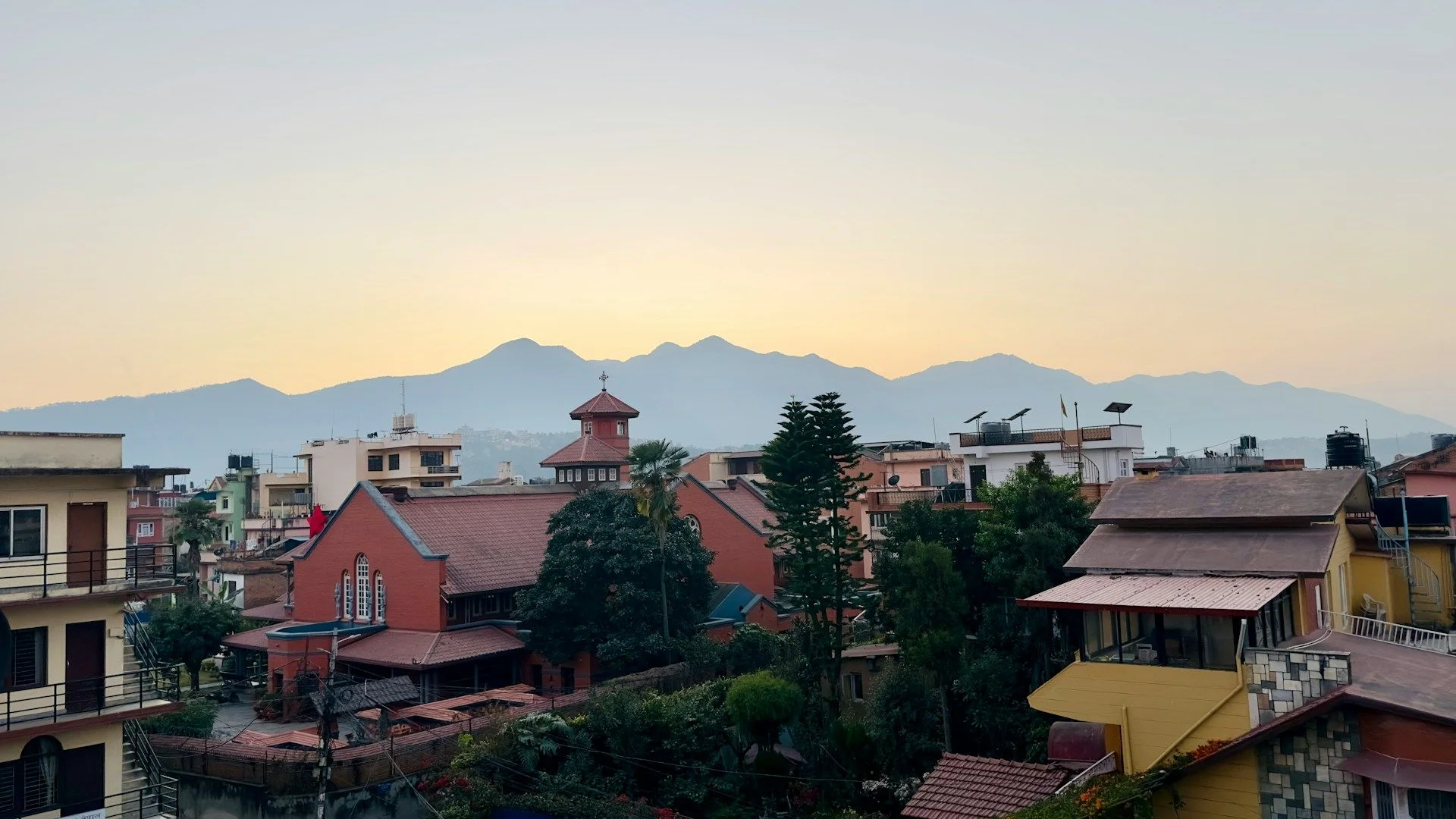
Lalitpur Real Estate for Investment – Opportunities for BuyersHeritage homes in KathmanduValley’s art capital
Best offers
in Lalitpur
Benefits of investment in
Nepal real estate


Mountain-view homes near trails and temples
Nepal offers hillside properties and townhouses close to the Himalayas, ideal for retreats or rentals.
Affordable urban housing in cultural capitals
Kathmandu and Pokhara provide access to low-cost apartments in dynamic, heritage-rich cities.
Rural land available via local partnerships
Though foreigners can’t own land, many secure long-term use through partnerships or lease agreements.
Mountain-view homes near trails and temples
Nepal offers hillside properties and townhouses close to the Himalayas, ideal for retreats or rentals.
Affordable urban housing in cultural capitals
Kathmandu and Pokhara provide access to low-cost apartments in dynamic, heritage-rich cities.
Rural land available via local partnerships
Though foreigners can’t own land, many secure long-term use through partnerships or lease agreements.








Useful articles
and recommendations from experts
Real Estate in Lalitpur, Nepal
Why Invest in Lalitpur
Lalitpur, also known as Patan, is one of the three main cities in the Kathmandu Valley and a vital cultural, educational, and residential hub in Nepal. Renowned for its ancient temples, artisan communities, and vibrant expat-friendly neighborhoods, Lalitpur has evolved into a prime real estate destination. With proximity to Kathmandu's central business district yet a more relaxed atmosphere, it appeals to NGOs, families, professionals, and investors seeking modern living with heritage charm. Steady infrastructure development, expanding private schools, and an educated population further enhance its real estate appeal.
Types of Property in Lalitpur
Lalitpur offers a diverse real estate portfolio for buyers and investors alike:
- Residential Houses: Traditional brick homes and modern villas are common in areas like Bhaisepati, Sanepa, and Jawalakhel. Demand is high among the professional and diplomatic communities.
- Apartments and Flats: A growing segment, particularly in Jhamsikhel and Balkumari, where low-rise complexes offer 2–3 BHK units with modern amenities.
- Commercial Properties: Retail shops, clinics, coworking spaces, and educational institutions thrive in Lalitpur's denser zones.
- Mixed-use Buildings: Shophouses with residential units above are a popular investment format, especially in older neighborhoods and main roads.
- Land Parcels: Residential and commercial land is in demand in emerging suburbs like Thecho and Sunakothi, where new roads and infrastructure are expanding.
Ownership and Legal Framework
The property market in Lalitpur is subject to Nepal’s national legal structure, with specific implications for foreigners:
- Foreign Ownership: Direct ownership of land by foreigners is not permitted. However, structures such as joint ventures, leasing, or investing through a locally registered company are options under Nepal’s Foreign Investment and Technology Transfer Act (FITTA).
- Title and Registration: Property titles are managed by the Department of Land Reform and Management. Verifying title clarity and checking for encumbrances is essential.
- Leasing: Long-term leasing (up to 30 years or more with government approval) is permitted for foreign businesses, especially in education, tourism, and IT sectors.
- Inheritance Laws: Foreign spouses may inherit property through marriage, but sale and transfer require government permission.
Market Prices and Property Values
Lalitpur’s real estate is among the most expensive in Nepal, rivaling central Kathmandu. Price estimates as of 2025 include:
- Residential land (per aana, ~35.56 m²): NPR 2 to 5 million ($15,000–$38,000) in prime areas like Bhaisepati, Sanepa, or Kupondole
- Modern apartment (1000–1500 sq. ft): NPR 12 million to 25 million ($90,000–$185,000) depending on finish and view
- Private homes with garden (3–5 BHK): NPR 20 million to 80 million ($150,000–$600,000)
- Commercial spaces (per sq. ft rental): NPR 150–350/month ($1.2–$2.8)
- Shophouses and mixed-use buildings: Often priced between NPR 30 million and 100 million ($225,000–$750,000)
Property prices are appreciating fastest in mid-income zones like Harisiddhi, Satdobato, and the outer ring road areas due to improved accessibility and utilities.
Rental Market and Returns
Lalitpur’s rental market is strong and stable, driven by NGO workers, private school staff, expatriates, and upwardly mobile Nepalis. Typical rental rates:
- 2 BHK apartment: NPR 35,000–60,000/month ($265–$450)
- 3–5 BHK house (semi-furnished): NPR 60,000–150,000/month ($450–$1,125)
- Luxury villa or embassy-standard housing: NPR 150,000–350,000/month ($1,100–$2,600)
- Retail or office space: NPR 100–300/sq. ft/month
Gross rental yields for residential properties are generally between 5%–7%, while commercial and mixed-use properties can reach 8%–10% if leased to stable tenants like clinics, schools, or brands.
Top Neighborhoods for Investment
Lalitpur’s neighborhoods vary widely in character and appeal. Key investment areas include:
- Sanepa and Jhamsikhel: Popular with expats, embassies, and NGOs. High-end residential rentals and boutique hospitality thrive here.
- Bhaisepati: A booming residential zone with new villas, gated communities, and family-friendly amenities. Ideal for land banking and residential construction.
- Jawalakhel and Kupondole: Mixed commercial and residential areas with walkable streets, cafes, and art centers. Rental demand is high.
- Pulchowk and Satdobato: Excellent for educational and commercial real estate, close to key schools, shopping centers, and offices.
- Thecho, Harisiddhi, and Sunakothi: Emerging suburban belts with new road access and growing middle-class demand.
Infrastructure and Amenities
Lalitpur benefits from modern infrastructure, particularly in its central and high-income areas. Highlights include:
- Transport: Connected via the Kathmandu ring road and express roads. Local buses and ride-sharing apps are widely used.
- Utilities: Reliable electricity, internet, and water supply in most developed areas. Solar panels and private wells are common supplements.
- Healthcare: Multiple private hospitals (e.g., Patan Hospital, Mediciti) serve the city with advanced care options.
- Education: Home to top-tier international schools and universities including The British School, Rato Bangala, and Kathmandu University School of Management.
- Retail and Lifestyle: Malls, cafes, and coworking spaces are concentrated in Pulchowk and Jhamsikhel, enhancing urban convenience.
Investment Scenarios
Lalitpur supports a variety of investment strategies:
- Buy-to-Let Villas: High demand from expat families and diplomats in secure neighborhoods like Sanepa.
- Apartment Developments: Joint ventures with local developers to build and sell mid-rise apartments for working professionals.
- Boutique Hotels or Service Apartments: Targeting long-stay travelers and business guests near UN or NGO offices.
- Land Banking: Secure plots near the ring road or planned transit corridors for long-term appreciation.
- Education and Healthcare Real Estate: Lease or build properties tailored for schools, labs, clinics, or daycare centers.
Risks and Considerations
While attractive, investing in Lalitpur comes with some considerations:
- Legal Restrictions for Foreigners: Ownership is limited; structured leasing or partnerships are required for foreigners.
- High Entry Costs: Prices in prime areas are among Nepal’s highest. Careful market analysis is needed to avoid overpaying.
- Urban Density: Traffic congestion and narrow streets can affect development logistics and tenant satisfaction in older areas.
- Bureaucracy: Construction and land registration processes may be delayed due to administrative hurdles.
Final Thoughts on Lalitpur
Lalitpur is one of Nepal’s most refined and high-performing real estate markets. With a solid foundation of infrastructure, international institutions, and cultural prestige, it offers reliable rental income, appreciation potential, and diverse asset classes. Although foreign ownership limitations persist, opportunities through partnerships, joint ventures, or leasing make this an accessible and rewarding market for those with a strategic approach.
Whether developing boutique housing, leasing to embassies, or building long-term commercial assets, Lalitpur is a rare blend of cultural elegance and real estate momentum in South Asia.