
Maputo Real Estate for Investment – Opportunities for BuyersReal estate near portand tropical avenues
Best offers
in Maputo
Benefits of investment in
Mozambique real estate


Beachfront plots on Indian Ocean coast
Northern Mozambique offers white-sand beaches and developable land near coral-rich waters.
Tourism zones with potential for eco-resorts
Eco-development is growing in islands and park-adjacent zones, attracting interest in sustainable builds.
Favorable climate and agriculture near property hubs
Property zones near Nampula and Beira benefit from fertile land, suitable for homesteads or mixed use.
Beachfront plots on Indian Ocean coast
Northern Mozambique offers white-sand beaches and developable land near coral-rich waters.
Tourism zones with potential for eco-resorts
Eco-development is growing in islands and park-adjacent zones, attracting interest in sustainable builds.
Favorable climate and agriculture near property hubs
Property zones near Nampula and Beira benefit from fertile land, suitable for homesteads or mixed use.









Useful articles
and recommendations from experts
Real Estate in Maputo, Mozambique
Why Invest in Maputo
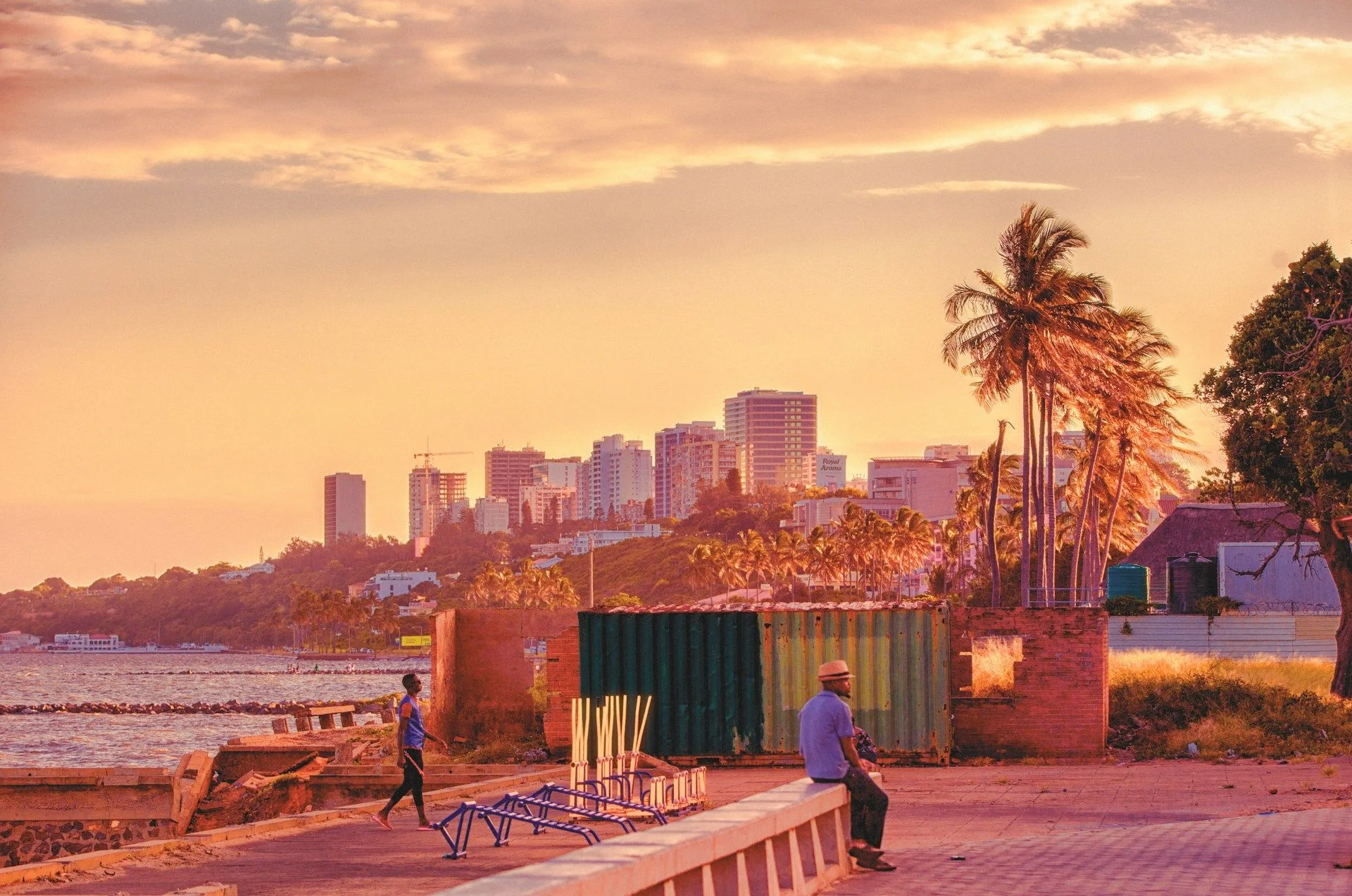
Maputo, the capital and largest city of Mozambique, is the country’s economic and administrative heart. Positioned on the Indian Ocean, it serves as a key port and regional hub for trade between Southern Africa and Asia. With an expanding middle class, foreign diplomatic presence, and growing demand for residential, commercial, and industrial real estate, Maputo is an attractive option for both domestic and international investors. Urban renewal efforts, increasing foreign investment, and infrastructure development have revitalized the property market.
Types of Real Estate in Maputo
The real estate landscape in Maputo features:
- High-rise apartment buildings — Located in central neighborhoods like Polana and Sommerschield, catering to professionals and expatriates.
- Standalone villas — Found in upscale districts such as Triunfo and Costa do Sol, often with ocean views and private gardens.
- Commercial real estate — Office buildings, retail spaces, and hotels in Baixa and along Avenida Julius Nyerere.
- Mixed-use developments — Combining retail, office, and residential spaces, increasingly common in new urban projects.
- Affordable housing — In peri-urban areas like Zimpeto and Magoanine, often driven by government or NGO initiatives.
Can Foreigners Own Real Estate in Maputo?
Yes, but with conditions. In Mozambique:
- Land is state-owned and cannot be privately owned by anyone, including citizens and foreigners.
- Land use rights (DUAT – Direito de Uso e Aproveitamento da Terra) can be leased for up to 50 years and renewed.
- Buildings and improvements on the land can be privately owned and transferred.
- Foreigners must present a development plan to acquire DUAT, particularly for unbuilt land.
- Establishing a local company is often the most efficient route for foreign ownership.
Real Estate Prices in Maputo
Maputo’s property prices vary greatly by district:
- Luxury apartments in Polana/Sommerschield: USD 2,000 – 3,500 per m²
- Standalone villas in Triunfo/Costa do Sol: USD 300,000 – 1,000,000+
- Apartments in central zones (Baixa/Malhangalene): USD 1,200 – 2,000 per m²
- Affordable housing in Zimpeto/Magoanine: USD 30,000 – 80,000 for homes
- Commercial units near the port or Avenida 24 de Julho: USD 3,000 – 6,000 per m²
Rental Market and Yield Potential
Maputo’s rental market is strong and segmented:
- Diplomatic and NGO sector: Seeks high-end, secure villas and apartments in Polana, Sommerschield, and Triunfo.
- Corporate and professional tenants: Demand furnished units near the city center and business districts.
- Students and young workers: Look for affordable units in peripheral areas.
- High-end apartments: 4% – 6%
- Mid-range rentals: 6% – 8%
- Budget housing: 8% – 12%
Best Neighborhoods for Investment
Maputo offers a diverse set of zones for real estate activity:
- Polana — Historic and prestigious, with embassies, high-end dining, and seafront views.
- Sommerschield — Popular with expats and diplomats; modern, green, and well-maintained.
- Triunfo and Costa do Sol — Growing upper-class neighborhoods with villas and gated communities.
- Baixa — City center ideal for commercial and hotel developments.
- Zimpeto and Magoanine — Peri-urban areas with potential for budget housing and land banking.
Legal Process of Acquiring Real Estate
The steps for purchasing property in Maputo include:
- Finding a property via real estate agents or direct negotiation.
- Conducting due diligence to confirm DUAT validity, building permits, and title registration.
- Signing a promissory contract and placing a deposit (typically 10%).
- Notarizing the final contract and registering ownership of improvements (buildings).
- Transferring utility accounts and updating municipal tax records.
Taxes and Associated Costs
Real estate investors in Maputo should budget for:
- Transfer tax (SISA): 2% of the property’s registered value.
- Stamp duty: 0.3% – 0.5%
- Notarial and registration fees: Typically 1% – 2%
- Annual property tax (IPRA): Based on property value and location, usually modest.
- Condominium fees: Applicable to apartments in shared buildings with security and maintenance.
Who Should Invest in Maputo?
Maputo is attractive to:
- Buy-to-let investors targeting mid- and high-end residential demand.
- Hospitality developers looking to capture business and tourism demand.
- Commercial developers focused on retail, logistics, or office spaces.
- Local Mozambican diaspora seeking to invest in long-term real estate assets.
Conclusion
Maputo’s real estate market presents a compelling opportunity within Southern Africa. While legal and land ownership structures require careful navigation, the city’s role as Mozambique’s capital, port gateway, and diplomatic center ensures consistent demand for housing and commercial space. From upscale seafront apartments to budget-friendly suburban developments, Maputo offers a wide spectrum of investment scenarios for local and international players alike. With professional advice and proper due diligence, investors can benefit from steady returns and urban growth in one of the region’s most dynamic cities.