
Value-Add Real Estate Investments in MozambiqueHomes above harborsunder African skies
Best offers
in Mozambique
Benefits of investment in
Mozambique real estate

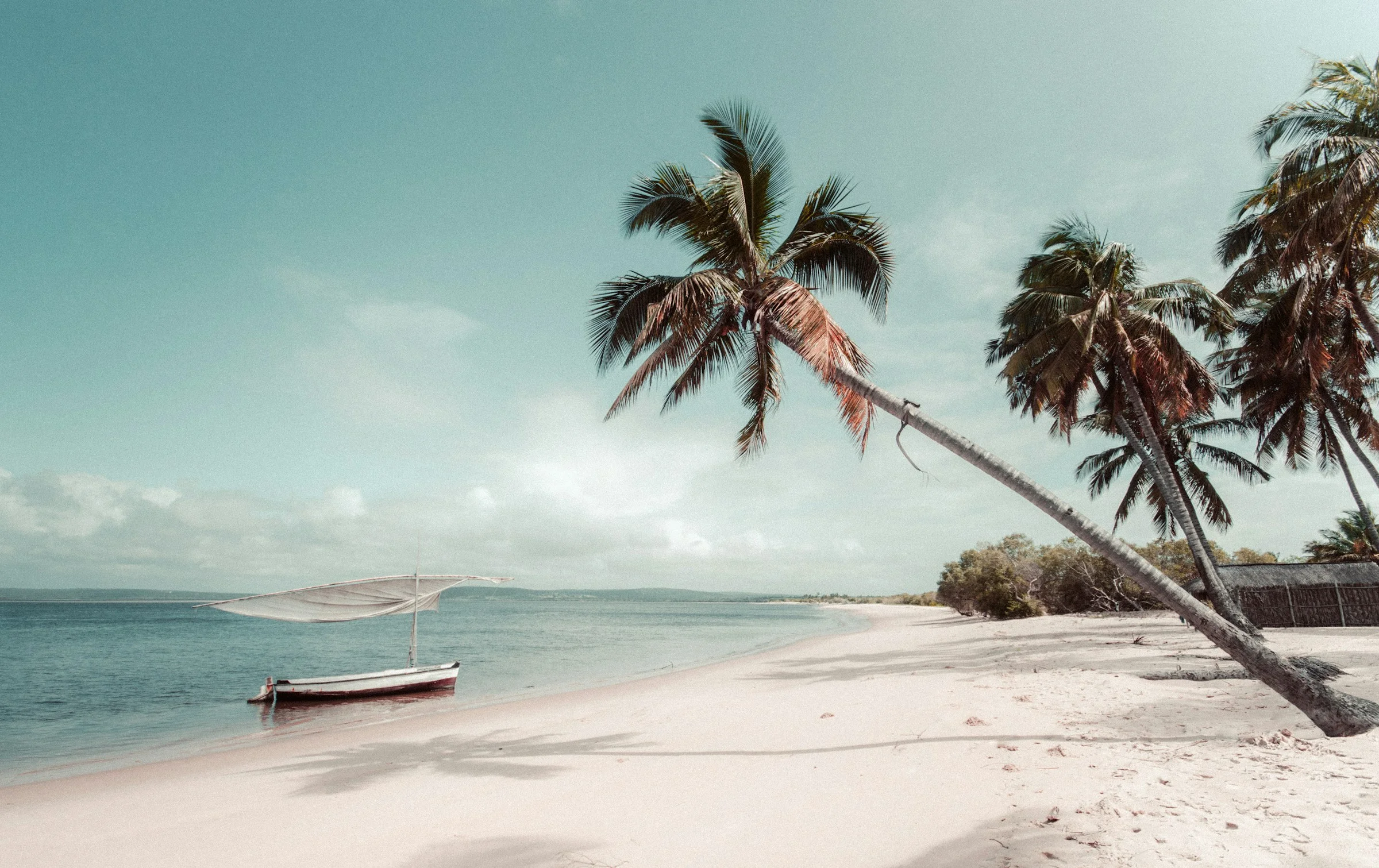
Beachfront plots on Indian Ocean coast
Northern Mozambique offers white-sand beaches and developable land near coral-rich waters.
Tourism zones with potential for eco-resorts
Eco-development is growing in islands and park-adjacent zones, attracting interest in sustainable builds.
Favorable climate and agriculture near property hubs
Property zones near Nampula and Beira benefit from fertile land, suitable for homesteads or mixed use.
Beachfront plots on Indian Ocean coast
Northern Mozambique offers white-sand beaches and developable land near coral-rich waters.
Tourism zones with potential for eco-resorts
Eco-development is growing in islands and park-adjacent zones, attracting interest in sustainable builds.
Favorable climate and agriculture near property hubs
Property zones near Nampula and Beira benefit from fertile land, suitable for homesteads or mixed use.

Useful articles
and recommendations from experts


Real Estate Investment in Mozambique: Coastal Assets, Legal Nuances, and Emerging Demand
Overview: Strategic Growth and Coastal Appeal
Mozambique, located along the southeastern coast of Africa, offers real estate investors unique opportunities tied to its long Indian Ocean coastline, expanding natural gas industry, and post-conflict economic stabilization. The capital Maputo and emerging tourism zones like Pemba, Vilankulo, and Tofo are seeing growing interest. Despite a relatively underdeveloped legal system and high levels of informality in property markets, Mozambique presents long-term upside—particularly in hospitality, residential, and mixed-use developments.
Property Types and Investment Demand
Real estate in Mozambique spans the following sectors:
- Urban residential: Apartments, villas, and gated community housing, especially in Maputo and Matola.
- Hospitality and tourism: Lodges, beachfront villas, eco-resorts in Pemba, Vilankulo, Bazaruto Archipelago, and Tofo.
- Commercial and retail: Office buildings and shopping plazas in Maputo and Beira; logistics hubs along ports and trade corridors.
- Agricultural and rural land: Large parcels held under state lease for agro-industrial development.
There is also increasing diaspora and expat demand for small-to-medium residential units and leisure properties in coastal towns.
Ownership and Legal Framework
Mozambique has a civil law system heavily influenced by Portuguese traditions. Property is ultimately owned by the state, but long-term use rights (DUATs) function as de facto ownership in practice. Key legal points:
- No private land ownership: All land is owned by the state. Individuals and companies can obtain 50-year renewable usage rights (DUAT - Direito de Uso e Aproveitamento da Terra).
- DUAT acquisition: Requires formal application, land use plan, consultation with local communities (in rural areas), and administrative approval.
- Buildings and improvements: Can be privately owned and sold. The DUAT transfers with the structure.
- Foreign ownership: Foreigners can hold DUATs under the same conditions as locals, but typically must invest through locally registered entities.
- Leasehold rights: Common in hotel/tourism sector, particularly for coastal properties.
Due to bureaucratic complexity and risk of overlapping claims, legal assistance is essential. The state may revoke DUATs if land is unused for two years.
Prices, Trends, and Market Access
Property prices in Mozambique vary based on location, infrastructure, and title formality. Approximate pricing (in USD):
- Maputo (Polana, Sommerschield): Apartments: $1,200–2,000/m²; Villas: $250,000–600,000
- Matola: Residential homes: $70,000–150,000; Land: $30–80/m²
- Pemba and Vilankulo: Beach plots: $50–200/m²; Resort-ready land: $100,000+/hectare
- Rural/agricultural land: Under DUAT leases; prices vary widely, $300–2,000/hectare for large plots
Prices in urban centers like Maputo are rising slowly, while coastal land remains undervalued relative to comparable locations in the Indian Ocean region.
Taxes and Transaction Costs
Mozambique’s tax structure for property transactions includes:
- Property transfer tax (SISA): 2% on the value of urban property; payable by buyer
- Stamp duty: 0.4% on the value of the transaction
- Notary and registration fees: Around 1%–2% of property value
- Capital gains tax: 32% on gains realized by non-residents; lower rates apply for residents
- Annual property tax (IPRA): 0.4% – 0.7% based on location and assessed value
Delays in processing DUATs and registering buildings can impact transaction timelines. Investors should factor in 2–4 months for complete due diligence and registration.
Rental Yields and Leasing Market
The leasing market is developing, particularly in Maputo and port cities. Typical yields:
- High-end apartments in Maputo: Gross yields of 5% – 7%
- Beachfront villas (short-term): Potential for 8% – 12% seasonal yield via platforms like Airbnb or Booking.com
- Commercial offices in central Maputo: 6% – 9% returns for fully let buildings
Long-term leases usually range from 1 to 3 years. Corporate tenants and NGOs often provide stable income and favor furnished units. In resort zones, short-term leasing to international tourists is a growing niche.
Example Investment Scenarios
- Apartment in Sommerschield, Maputo: Purchased for $200,000; rented to an embassy employee for $1,200/month (7.2% yield)
- Eco-resort land in Tofo: 1-hectare parcel leased under DUAT; developed into bungalows with $75/night average rate
- Logistics plot near Nacala port: $120,000 DUAT-acquired site developed for warehouse use; leased to importer at 9% yield
Top Locations for Real Estate Investment
- Maputo: Capital city and commercial center. Districts like Polana, Costa do Sol, and Sommerschield are prime zones.
- Matola: Rapidly urbanizing suburb with industrial expansion and middle-income housing demand.
- Vilankulo and Bazaruto: High-end tourism zone with demand for eco-resorts and holiday villas.
- Pemba: Strategic oil & gas hub; potential for staff housing, logistics, and commercial development.
- Nacala: Deep-water port with special economic zone designation and logistical real estate prospects.
Risks and Considerations
- DUAT uncertainty: Unclear titles and overlapping claims are common; local due diligence is essential.
- Bureaucracy: Government processes are slow, with delays in land registration and title confirmation.
- Financing limitations: Mortgages are difficult to obtain, especially for foreigners; most purchases are cash-based.
- Macroeconomic volatility: Inflation, currency fluctuations, and dependence on external energy investments impact stability.
Partnering with local legal and real estate professionals is strongly recommended. Some areas still lack proper zoning, which complicates resale or development permissions.
Conclusion: Coastal Potential with Careful Navigation
Mozambique offers a unique combination of affordable coastal land, tourism potential, and rising urban demand. While the legal system and land tenure regime can be complex, informed investors can benefit from first-mover advantage in emerging locations like Vilankulo, Pemba, and Maputo’s growing suburbs. Those with a long-term vision, local guidance, and flexibility will find Mozambique a promising, if still challenging, destination for real estate investment in the Indian Ocean region.